


Fine Herbs
Za'atar
Products and available quantities may vary between Brossard and Laval. To check a store’s inventory, please contact us directly.
Even better: visit us in store to discover the full selection available!
- Exposure
- Full sun
- Hardiness
- Zone 7
Discover the plant
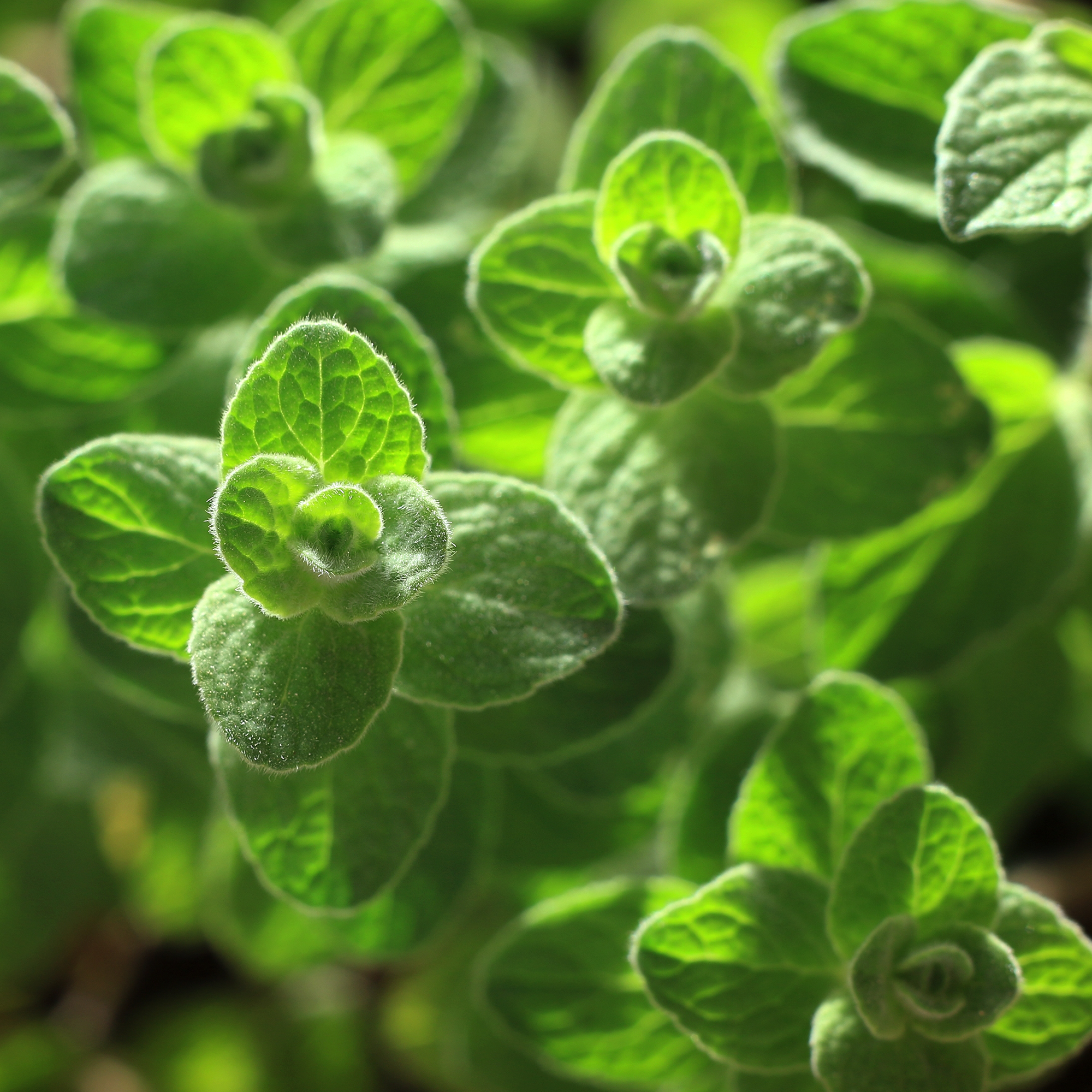
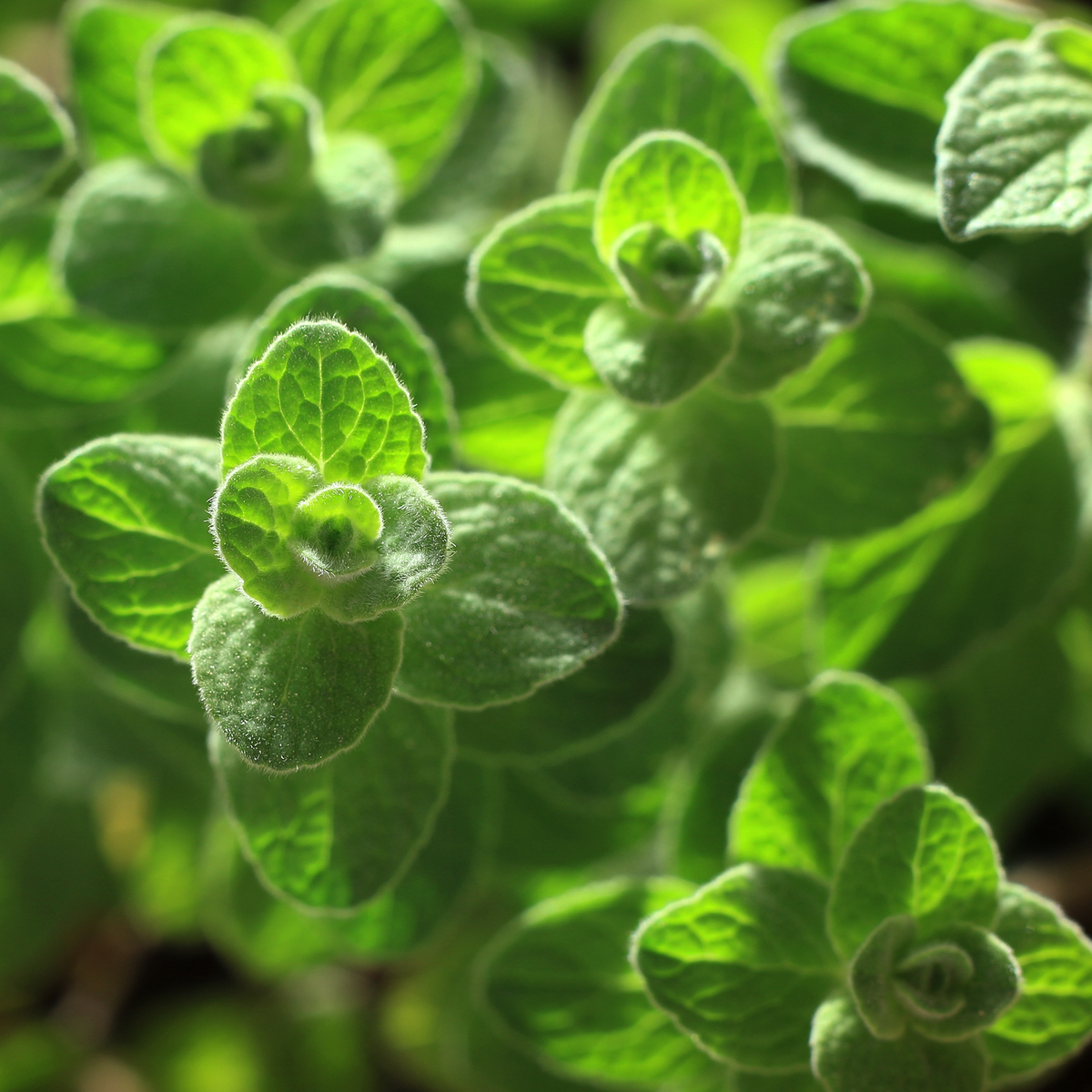
Za'atar is an aromatic plant highly valued for its fragrant foliage, with a warm, herbaceous, and slightly spicy taste, reminiscent of a blend of thyme, oregano, and marjoram. Widely used in Middle Eastern and Mediterranean cuisine, it is perfect for flavoring flatbreads, marinades, grilled vegetables, meats, fish, sauces, dips, flavored oils, and stews. Its compact habit and aromatic foliage make it an excellent plant for herb gardens, rockeries, edible borders, and sunny containers near the kitchen.
Easy to grow, za'atar prefers a full-sun, warm, and well-ventilated location, in light, poor to moderately fertile, and very well-drained soil. It tolerates dry conditions well once established but does not tolerate excessive water and heavy soils. Whether in pots or in the ground, regular harvesting of young shoots helps maintain a dense, branched, and productive plant. Its leaves can be used fresh or dried, with a flavor often more concentrated after drying.
Both aromatic, decorative, and useful for pollinators, za'atar is ideal for creating a gourmet garden with a Mediterranean style. Its discreet flowering attracts bees and other beneficial insects, while adding a natural touch to sunny arrangements. It is a perfect herb for gardeners looking for a robust, flavorful, drought-resistant plant full of culinary character.

Planting guide
From planting to establishment.
Soil and care
The right care,at the right time.
Soil pH
Minimum temperature
Care level
Watering
Soil type
Fertilization
Moisture
Seasonal care
Container growing
A garden,within reach.
Bloom and dimensions
Its place,in your garden.
Mature height
Width / spread
Flower color
Foliage color
Foliage type
Growth rate
Bloom period
Fruiting
Harvest
Garden associations
In goodcompany.
Companion plants
Plants to avoid
Wildlife and pets