Sale
Sold out

Variegated edible rhizomatous perennial
Zingiberaceae
Edible perennials for shade
White Arrow Japanese ginger
Zingiber mioga ‘White Arrow’
White Arrow is a rhizomatous Japanese ginger with green leaves edged or streaked in white. Its upright clump commonly reaches 60 to 90 cm and brings a tropical appearance to shaded gardens. Flower buds emerge at ground level from late summer into fall. Tender shoots and firm unopened buds are eaten finely sliced for their fresh, aromatic, gently gingery flavour. The plant prefers partial shade and organic-rich, moist, freely draining soil. Zone 4 survival has been reported at Quebec sites, but a sheltered position and deep winter mulch are recommended where winters are severe. For best results, keep the soil moist without standing water and protect the crown with winter mulch.
- Quantity
- 1-gallon pot
- Exposure
- Partial shade to bright shade; gentle sun tolerated when soil remains moist
- Life cycle
- Rhizomatous herbaceous perennial
- Hardiness
- Zone 6 in NC State guidance; Zone 4 reported at selected protected Quebec sites with mulch
Discover the plant
Common nameWhite Arrow Japanese ginger
FamilyZingiberaceae
GenusZingiber
Speciesmioga
CultivarWhite Arrow
TypeVariegated edible rhizomatous perennial
Botanical nameZingiber mioga ‘White Arrow’
White Arrow Japanese Ginger (Zingiber mioga ‘White Arrow’) is a variegated selection of myoga, a rhizomatous perennial accepted by Kew as Zingiber mioga. Upright pseudostems carry long green leaves edged or streaked with white, creating a tropical effect in shaded gardens. A mature clump commonly reaches 60 to 90 cm tall and gradually widens through rhizomes. Flower buds emerge at ground level from late summer into fall and open into cream, pale-yellow or white flowers. The distinctive foliage makes this plant valuable even when cool seasons limit flowering. For best results, keep the soil moist without standing water and protect the crown with winter mulch.
White Arrow prefers partial shade or bright shade and organic-rich soil that remains moist while draining freely. Water regularly during active growth because prolonged drought reduces vigour and bud production. The RHS rates the species H5, approximately −15 to −10°C, and NC State lists USDA Zones 6 through 9. Quebec nurseries nevertheless report survival in Zone 4 at proven locations. In Quebec, choose a sheltered site, apply deep winter mulch and treat Zone 4 performance as locally documented rather than universally guaranteed. Container growing provides a practical alternative in exposed gardens.
Myoga is grown for both ornamental foliage and aromatic young shoots and flower buds. Unlike common culinary ginger, Zingiber officinale, its rhizome is not the traditional edible part recommended by NC State. Harvest tender shoots in spring and firm unopened buds as they emerge, then slice them finely into salads, noodles, fish or Asian-inspired dishes. Use only a correctly identified plant grown without pesticides unsuitable for food crops. In a container, overwinter the dormant rhizome in a cool frost-free place whenever local hardiness is uncertain, then resume watering as growth returns.

Planting guide
From planting to establishment.
Spacing / density
45 to 60 cm (18 to 24 in)
Best planting time
Spring after thaw; early fall only in mild sites
Propagation
Rhizome division in spring
Growing method
Plant White Arrow in spring after the soil thaws and hard frost has passed. Choose partial shade or bright shade protected from scorching afternoon sun and cold wind. Loosen organic-rich soil and incorporate mature compost. Keep the crown level with the soil and space plants 45 to 60 cm apart. Water deeply after planting, then maintain even moisture without saturating the ground. Add organic mulch to preserve cool soil. Watch for slugs and snails around young shoots. Remove only damaged leaves during summer. In fall, wait until foliage yellows before cutting it down, then cover the crown with deep mulch in cold regions. Harvest tender shoots and firm buds sparingly, leaving most foliage to feed the rhizomes. Divide an established clump in spring using healthy sections with several buds. In an exposed zone, grow the plant in a container and overwinter the rhizome in cool frost-free conditions with very little water. For best results, keep the soil moist without standing water and protect the crown with winter mulch. This plant prefers filtered light, organic-rich soil and a site sheltered from cold winds. Harvest only correctly identified, clean material that has not received treatments unsuitable for edible plants.
Soil and care
The right care,at the right time.
Soil pH
Acidic to neutral; approximately 5.5 to 7.0
Minimum temperature
Approximately 5°F (-15°C) in RHS guidance; colder survival reported only at protected Quebec sites
Care level
Easy to moderate; monitor moisture and winter protection
Watering
Keep soil consistently moist from spring until foliage yellows. Water deeply when the top few centimetres begin to dry, especially during establishment and bud development. Mulch reduces moisture fluctuations. Avoid standing water because it encourages rhizome rot. In containers, check the mix more frequently and always empty the saucer after watering. For best results, keep the soil moist without standing water and protect the crown with winter mulch.
Soil type
White Arrow prefers organic-rich, humusy soil that stays moist while draining freely. Loam, amended sand and improved clay are suitable when water does not collect around rhizomes. Incorporate compost and cover the surface with shredded leaves. Avoid dry, highly alkaline or compacted ground. An acidic to neutral pH matches RHS and NC State guidance. For best results, keep the soil moist without standing water and protect the crown with winter mulch.
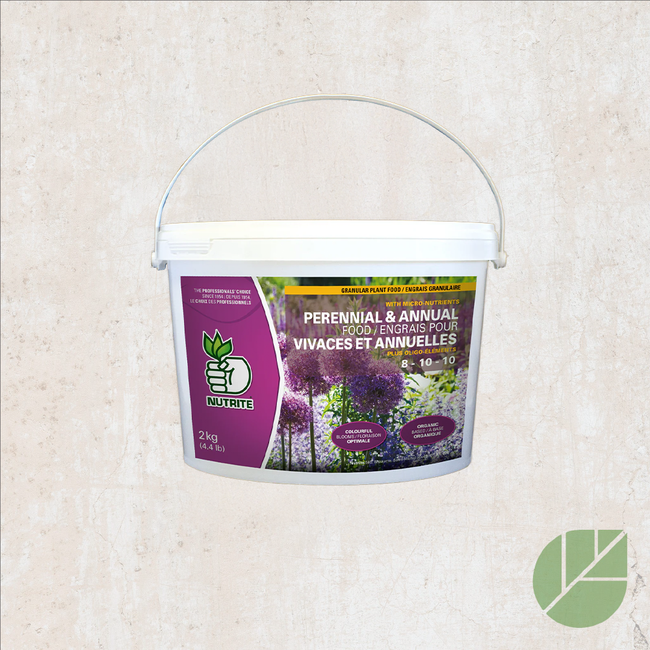
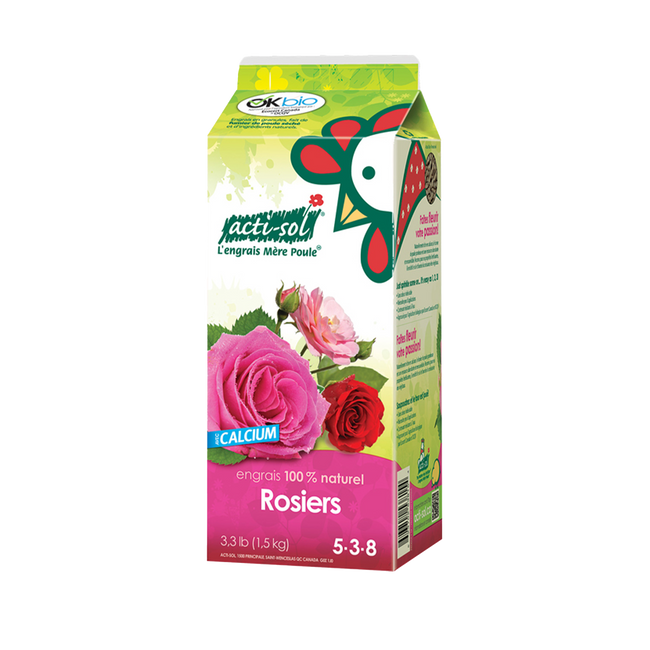
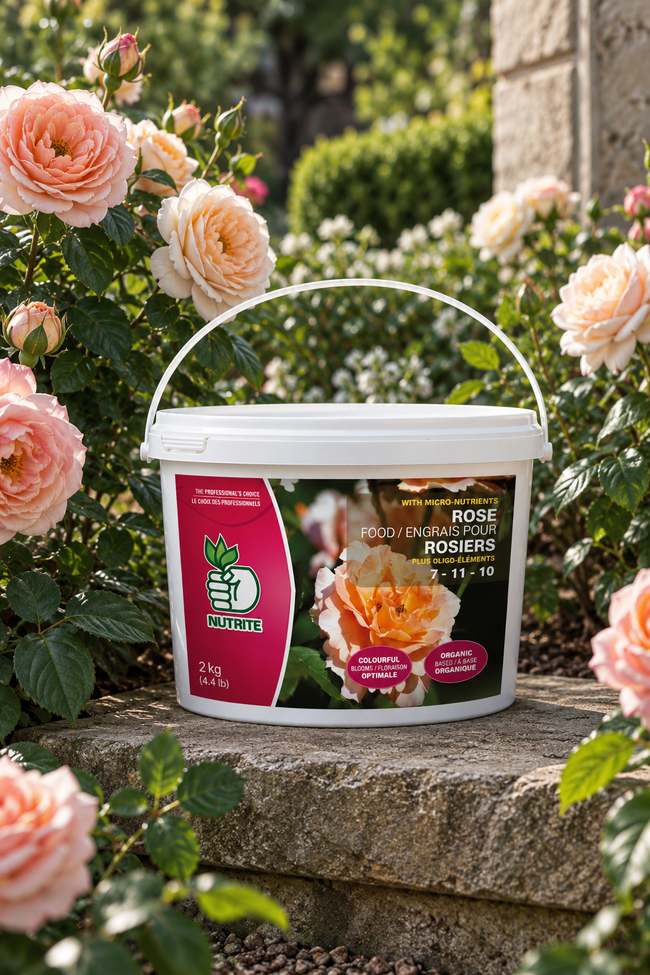
Fertilization
In spring, spread compost around the clump without covering new shoots. In ordinary soil, add a low rate of balanced slow-release fertilizer. A second light application may help in early summer if foliage pales. Avoid excess nitrogen, which produces weak stems and may reduce variegation. In containers, follow the labelled rate for edible plants. For best results, keep the soil moist without standing water and protect the crown with winter mulch.
Moisture
Average to high; moist soil and a sheltered atmosphere
Seasonal care
In spring, remove winter mulch gradually after hard frost has passed. Watch for emerging shoots and divide crowded clumps before stems elongate. Add compost, then water deeply. During summer, keep the soil moist, renew mulch and remove slugs or snails by hand. Variegated leaves can scorch in direct midday sun, so provide filtered shade when edges brown. Harvest only selected young shoots so enough foliage remains. From late summer into fall, inspect the base for flower buds emerging at ground level. Collect them while firm and unopened or allow several to flower. When frost causes leaves to yellow, stop feeding and reduce watering. Cut stems after they dry. In cold sites, cover the crown with 15 to 25 cm of dry leaves held by evergreen branches. Prevent the mulch from remaining waterlogged. For a container, move the pot into cool frost-free storage and keep the rhizome barely moist. The following spring, repot or return the plant outdoors gradually after frost danger passes. For best results, keep the soil moist without standing water and protect the crown with winter mulch. This plant prefers filtered light, organic-rich soil and a site sheltered from cold winds. Harvest only correctly identified, clean material that has not received treatments unsuitable for edible plants. For best results, keep the soil moist without standing water and protect the crown with winter mulch.
Container growing
A garden,within reach.
Recommended pot size
At least 35 to 40 cm (14 to 16 in) across
Choose a broad container at least 35 to 40 cm across with several drainage holes. Use organic-rich potting mix intended for edible plants and blend in compost. Position one plant in the centre because rhizomes widen over time. Place the container in partial shade or bright light without scorching sun. Water thoroughly, then irrigate again when the surface begins to dry slightly. Never leave the pot standing in a full saucer. Apply balanced fertilizer at a low rate in spring and early summer. Cut only selected young shoots and look for buds at soil level late in the season. Every two or three years, divide the clump in spring to renew the mix and control crowding. Before hard frost, move the container into a cool frost-free garage or shed. Allow foliage to yellow, cut it down, then keep the rhizome nearly dry without letting it shrivel. Cool temperatures maintain dormancy. Resume watering gradually when new shoots appear and acclimate the pot outdoors after frost danger. For best results, keep the soil moist without standing water and protect the crown with winter mulch. This plant prefers filtered light, organic-rich soil and a site sheltered from cold winds.

Bloom and dimensions
Its place,in your garden.
Mature height
3 feet (91.5 cm)
Width / spread
16 inches (40.5 cm)
Flower color
Cream, pale yellow to white; buds often dark pink
Foliage color
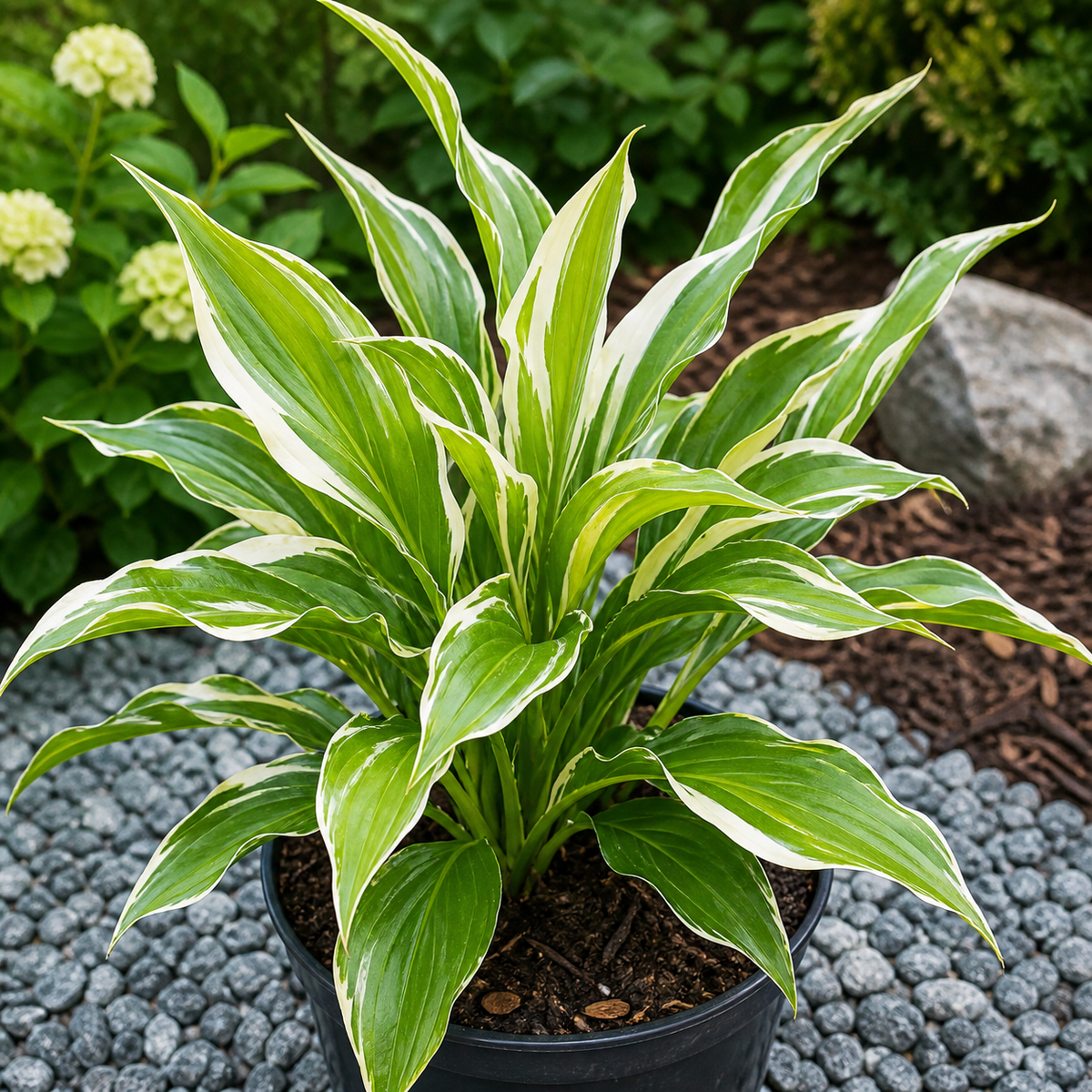
Green edged and streaked with white
Foliage type
Deciduous; dormant in winter
Growth rate
Moderate; clump gradually widens through rhizomes
Growth habit
Upright, rhizomatous and gradually spreading
Fragrance
Aromatic buds and shoots with a fresh mild-ginger flavour
Bloom period
Fleshy flower buds emerge separately at ground level from late summer into fall. They are often dark pink outside and open into irregular cream, pale-yellow or white flowers. Foliage can hide the inflorescences, so inspect the base of the clump. Firm unopened buds are the principal traditional culinary harvest. A cool season or young clump may reduce flowering. For best results, keep the soil moist without standing water and protect the crown with winter mulch.
Fruiting
Possible green capsules opening to red interiors and black seeds; rarely observed
Days to maturity
Flower buds generally after the clump is established
Harvest
Tender shoots in spring; firm flower buds from late summer into fall
Garden associations
In goodcompany.
Companion plants
Combine White Arrow with hostas, ferns, coral bells, Japanese forest grass, Solomon’s seal, astilbes and other plants for moist shade. White-and-green foliage contrasts with blue, purple and gold tones. In an edible area, chives, container-grown mint and selected shade greens can share regular moisture. Avoid crowding plants enough to hide buds or restrict air movement around the clump. For best results, keep the soil moist without standing water and protect the crown with winter mulch. This plant prefers filtered light, organic-rich soil and a site sheltered from cold winds.
Plants to avoid
Avoid highly invasive plants, dry soil, standing water and trees whose roots remove all available moisture.
From the gardento inspiration.
Slice raw buds finely over salad, noodles or fish; add them at the end of cooking to preserve their aroma.
Frequently asked questions
Your questions,answered.
Is White Arrow truly hardy in Quebec?
Sources do not give one identical limit. The RHS rates Zingiber mioga H5, approximately −15 to −10°C, while NC State lists USDA Zones 6 through 9. Quebec nurseries and garden writers nevertheless report White Arrow surviving in Zone 4 at proven locations. This difference can reflect plant origin, snow depth, drainage and microclimate. For the best chance, choose a sheltered site, use freely draining soil and apply 15 to 25 cm of mulch after the ground freezes. In an exposed location, container culture and cool frost-free overwintering provide a more reliable approach than depending on an untested hardiness claim.
Which parts of this ginger are edible?
The traditional edible parts of myoga are tender young shoots and firm unopened flower buds. NC State notes that the rhizome is not the part eaten in Japan, unlike common ginger, Zingiber officinale. Harvest shoots sparingly in spring and collect buds while they are firm, clean and undamaged. Slice them very finely and use them raw or add them at the end of cooking. Their flavour is fresh, aromatic and milder than ordinary ginger. Eat only a correctly identified plant grown without pesticides prohibited on food crops, and discard any mouldy, decayed or questionable material. First-time users may begin with a small culinary quantity.
Why are flower buds not appearing?
Zingiber mioga buds emerge directly from the ground and can remain hidden under leaves or mulch. Inspect the base of the clump from late summer into fall. A young plant may need several seasons to develop enough rhizome mass. Insufficient moisture, poor soil, a cool summer or extremely deep shade can also reduce production. Maintain organic-rich moist soil, add compost in spring and shelter the plant from scorching sun. Avoid excessive nitrogen. In a container, provide enough space for establishment and do not divide the clump every year. Even without buds, healthy variegated foliage remains the cultivar’s main ornamental feature.
How should White Arrow be overwintered in a pot?
Before hard frost, move the container into a garage, shed or cold room that remains frost free. Allow foliage to yellow naturally so reserves return to the rhizomes, then cut dry stems. Keep the mix barely moist during dormancy; saturated mix encourages rot, while complete desiccation can shrivel rhizomes. Strong light is unnecessary when the plant is fully dormant. Late in winter, return the pot to bright light, resume watering gradually and wait for new shoots. Acclimate foliage outdoors after frost danger has passed. Divide or repot in spring only when rhizomes have filled the container, using clean tools and fresh, freely draining mix.
Is White Arrow safe around pets?
No cultivar-specific entry for Zingiber mioga ‘White Arrow’ was found in the ASPCA toxicology database. Human use of young shoots and buds does not automatically establish that the plant is safe for every animal. Keep it away from pets that chew leaves or dig up rhizomes. Eating a large amount of any plant material can cause digestive discomfort. If a pet consumes a substantial quantity or develops vomiting, drooling or unusual behaviour, contact a veterinarian and provide the name Zingiber mioga ‘White Arrow’. Do not intentionally feed the plant to an animal, and avoid claiming pet safety without species-specific veterinary evidence.
Wildlife and pets
Life,around your plants.
Supporting wildlife
Small insects may visit the discreet flowers, but White Arrow is grown mainly for foliage and aromatic edible parts. No special attraction for birds, butterflies or hummingbirds is documented for this cultivar. Avoid insecticide treatments on material intended for harvest. For best results, keep the soil moist without standing water and protect the crown with winter mulch.
For your perennials and grasses
The right extras.Right here.
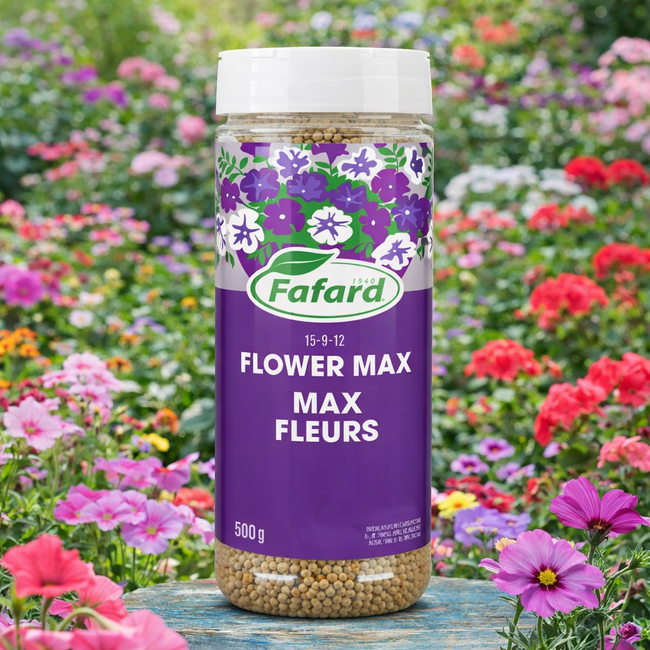
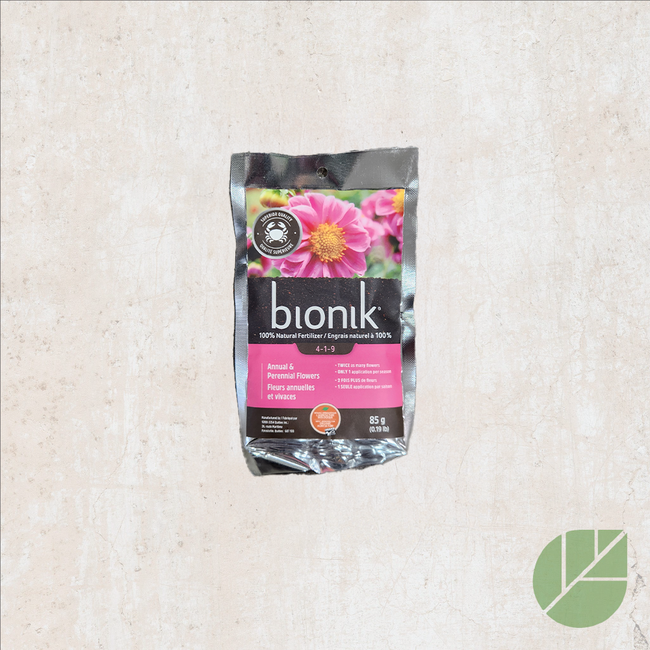
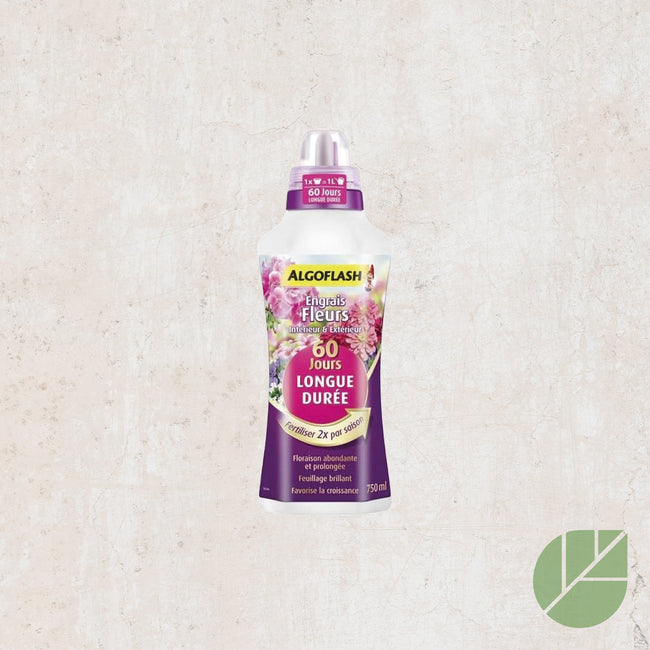
Flower and Bloom Fertilizer
Shop the collection
Hand Tools
Shop the collection