Sale
Sold out

Organic red superhot pepper with extreme heat
Solanaceae
Organic hot pepper seeds
Organic red 'Bhut Jolokia' hot pepper
Capsicum chinense
Product code : BIOVO-0072
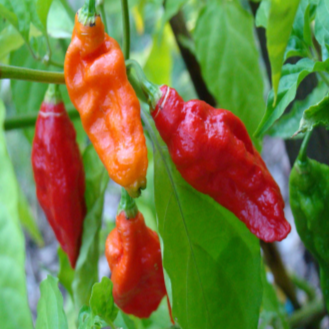
Organic red 'Bhut Jolokia' is a superhot pepper with wrinkled fruit that ripens from green through orange to red. Its extreme heat suits experienced gardeners and culinary use in minute quantities. Plants reach approximately 90–120 cm; germination requires 14–28 days at 24–30°C, and harvest begins around 110 days after transplanting. Each selection contains approximately 10 organic seeds. Always wear chemical-resistant gloves and eye protection during harvest and preparation, and keep every fruit and product away from children and pets. A greenhouse, tunnel, or large movable container helps this late variety receive a sufficiently long season. Stake early, maintain even moisture, identify every plant from sowing onward, and reserve a protected work area for harvest.
- Quantity
- Approximately 10 seeds per packet
- Exposure
- Full sun
- Life cycle
- Annual vegetable in Canadian gardens
Discover the plant
Common nameBhut Jolokia pepper
FamilySolanaceae
GenusCapsicum
Specieschinense
CultivarBhut Jolokia
TypeOrganic red superhot pepper with extreme heat
Botanical nameCapsicum chinense
Reproducible seedsYes
Heirloom varietyYes
Organic red 'Bhut Jolokia' hot pepper (Capsicum chinense) is a superhot pepper renowned for extreme heat. Its wrinkled fruit changes from green to orange and finally red at full maturity. Fruity aroma precedes an intensity that requires exceptionally careful handling and minute culinary quantities. The vigorous plant creates a striking presence in a warm garden or greenhouse. Each selection contains approximately 10 organic seeds intended for experienced gardeners able to provide a long, consistently warm growing season in Canada. Growing it demands patience, steady warmth, and rigorous identification from the sowing stage onward.
Sow indoors from February through April, 0.5–1 cm deep, approximately ten to twelve weeks before the last frost. Maintain 24–30°C until emergence, which may require 14–28 days, then provide strong light. Harden plants gradually and transplant only after frost, once nights remain mild and the soil is thoroughly warm. Choose full sun and rich, very well-drained soil, then water consistently without saturation. A greenhouse, tunnel, or large movable container helps extend the short Canadian season and protects developing fruit from early autumn cold. Label every pot and keep seedlings separated from mild pepper varieties throughout production.
Plants reach approximately 90–120 cm tall and spread about 40 cm. Harvest begins around 110 days after transplanting, depending on warmth and growing conditions. Pick fruit once it is uniformly red for full maturity. The exact Scoville rating for this selection is not published, although this cultivar clearly belongs among extremely hot peppers. Wear chemical-resistant gloves and eye protection, work in a very well-ventilated area, avoid touching the face, and keep fruit, seeds, tools, and every labelled preparation away from children and pets. Clean every contacted surface immediately after handling the harvested peppers.

Sowing guide
It all startswith a seed.
Sowing depth
Approximately 0.5 to 1 cm (¼ to ⅜ in)
Spacing / density
Approximately 40 cm between plants; leave a wider path between rows for protected harvest
Germination temperature
Approximately 24 to 30 °C (75 to 86 °F)
Germination time
Approximately 14 to 28 days under steady warmth; individual seeds may take longer.
Sowing period
Indoors, 8 to 10 weeks before the last frost
Propagation
Seed
Growing method
Growing 'Bhut Jolokia' hot pepper from seed. Sow 0.5–1 cm deep in light mix eight to ten weeks before last frost. Use clean seed starting mix for the indoor start of 'Bhut Jolokia', keeping it moist but never saturated. After emergence, move seedlings immediately under strong light with gentle airflow so stems remain sturdy. A pepper seedling needs strong light, gentle airflow, and an evenly moist root zone without standing water. Place 'Bhut Jolokia' before late-season crowding develops, keeping its mature habit in mind: vigorous, upright, branched, and productive. Inspect leaf undersides and growing tips before treating any problem, keeping sprays off open flowers. At final planting, follow this layout for the pepper plant: approximately 40 cm between plants; leave a wider path between rows for protected harvest. Mark positions before roots are placed. Water at soil level when the upper root zone begins drying, maintaining even moisture through fruit development. Leave enough access around the crop to inspect and cleanly harvest wrinkled fruit, green then orange and red at maturity. Transplant only after frost risk has passed, the soil is warm, and nights are reliably mild. The plant needs full sun; nearby walls or taller crops should not compromise it. Label every seedling because fruit colour and heat cannot identify young pepper plants. After late-season rain or wind, confirm drainage and support while preserving healthy foliage needed to finish ripening. Clip this pepper at the intended colour, supporting loaded branches with the other hand. Gloves and clear labels protect the kitchen workflow, while a frost forecast determines when remaining usable fruit must come inside.
Soil and care
The right care,at the right time.
Soil pH
Approximately 6.0 to 6.8
Care level
Moderate
Watering
Red 'Bhut Jolokia' hot pepper has a long fruiting period, so its root zone should not swing repeatedly between dryness and saturation. As red 'Bhut Jolokia' hot pepper's wrinkled fruit, green then orange and red at maturity develops on a plant with vigorous upright branched productive growth, widen the wetted area with the expanding canopy and roots. Red 'Bhut Jolokia' hot pepper is listed at approximately 110 days after transplanting, depending on growing conditions; treat that as a planning reference and monitor moisture while later flowers and fruit are still developing.
Soil type
Red 'Bhut Jolokia' hot pepper needs a warm, open root zone that can support its extended season without remaining waterlogged. Give red 'Bhut Jolokia' hot pepper's vigorous upright branched productive growth enough uncompacted root area to carry wrinkled fruit, green then orange and red at maturity. With red 'Bhut Jolokia' hot pepper's harvest listed as approximately 110 days after transplanting, depending on growing conditions, keep its soil open and workable through the full production period. Before planting red 'Bhut Jolokia' hot pepper, incorporate mature compost and break compacted layers instead of creating a rich, wet pocket around the crown.
Fertilization
'Bhut Jolokia' needs steady nutrition, not lush nitrogen-driven growth. Choose amendments from soil results and crop response. Once red 'Bhut Jolokia' hot pepper buds, excessive nitrogen can delay fruiting. Pause feeding when growth already looks balanced. For Bhut Jolokia pepper, fruit development responds best once feeding becomes restrained. Treat stalled growth as a diagnosis, not a deficiency. Even moisture helps 'Bhut Jolokia' use available nutrients consistently. Let a soil test guide any corrective amendment. For red 'Bhut Jolokia' hot pepper, its branches should remain sturdy as fruit begins filling.
Moisture
Consistent soil moisture without saturation; good air circulation around the foliage.
Seasonal care
Seasonal care for 'Bhut Jolokia' hot pepper. Plan red 'Bhut Jolokia' hot pepper from local frost and soil conditions rather than a fixed calendar: indoors, 8 to 10 weeks before the last frost. Sow approximately 0.5 to 1 cm deep and allow 14 to 28 days for emergence at approximately 24 to 30 °C (75 to 86 °F), then move seedlings promptly into strong light as soon as they appear. After emergence, give 'Bhut Jolokia' seedlings bright light and gentle air movement; pot on before roots circle densely, without burying a weak stem in wet mix. Harden the plants gradually, then transplant only after frost risk has passed, the soil is warm, and nights remain consistently mild. Choose full sun and loose fertile soil, mixing in mature compost while preserving drainage around the crown. Judge irrigation by moisture below the surface, not by a weekly schedule, and keep late-day water off the foliage. For container-grown red 'Bhut Jolokia' hot pepper, use the supplied guidance—deep, very well-drained 15–25 L container, one plant per pot—and check drainage before growth hides the surface. During flowering, inspect 'Bhut Jolokia' foliage for pests, maintain airflow, and avoid excess nitrogen, which can favour leafy growth over flower set and fruit ripening. Follow the supplied harvest guidance—approximately 110 days after transplanting, depending on growing conditions—while remembering that warmth and light still determine how quickly each fruit reaches its final stage. As fruit colours, use resistant gloves, eye protection, and labelled containers; keep every pod and preparation away from children and pets. Before the first autumn frost, move portable pots under protection or collect sound developed fruit, then remove diseased debris from the growing area.
Container growing
A garden,within reach.
Recommended pot size
Deep, very well-drained 15–25 L container, one plant per pot
Growing 'Bhut Jolokia' hot pepper in containers. For 'Bhut Jolokia', choose a container matching this guide: deep, very well-drained 15–25 L container, one plant per pot. Keep several drainage holes unobstructed. Fill the container with fresh, airy vegetable potting mix amended modestly with mature compost, never dense garden soil. Place 'Bhut Jolokia' in full sun, while preserving drainage and airflow at root and leaf level. Water slowly when the upper mix begins drying, continue until surplus drains, and empty the saucer. Keep approximately 40 cm between plants; leave a wider path between rows for protected harvest around the crop, especially where neighbouring foliage could shade or trap moisture. Feed at a modest labelled rate after watering. Excess nitrogen can delay flowering and ripening while encouraging leafy growth. The expected harvest form—wrinkled fruit, green then orange and red at maturity—helps confirm crop identity, while local warmth and plant health still influence maturity. Install a stake or cage at planting when support is needed, without later piercing the root ball. Because its habit is vigorous, upright, branched, and productive, this pepper needs enough room for routine care and neighbouring plants. Keep lower foliage away from wet mix, secure branches with soft ties, and leave an open route to inspect flowers and pick ripe fruit. As nights cool, let the rate of mix drying guide watering, and inspect leaf undersides before sheltering the container. Complete the harvest as cold nights approach, retaining only sound fruit. A container brought under cover needs useful light, warmth, and a short isolation period for pest inspection.
Bloom and dimensions
Its place,in your garden.
Mature height
Approximately 90 to 120 cm (36 to 48 in)
Width / spread
Approximately 40 cm (15.7 in)
Flower color
White to greenish white
Foliage color
Green
Foliage type
Simple herbaceous foliage
Growth rate
Fast
Growth habit
Vigorous upright branched productive plant
Fragrance
Fruity aroma followed by extreme, persistent heat
Bloom period
'Bhut Jolokia' opens small flowers where leaves meet its stems. Maintain airflow without repeatedly wetting the blossoms. For red 'Bhut Jolokia' hot pepper, those self-fertile blossoms precede fruit development. Good light and airflow help reproductive growth continue. Gentle air movement helps Bhut Jolokia pepper release pollen. Correct heat or cold stress before adding fertilizer. For 'Bhut Jolokia', its flowering branches may shed buds during environmental stress. Temperature extremes can temporarily interrupt successful set. Secure red 'Bhut Jolokia' hot pepper before fruit weighs down flowering branches. Bhut Jolokia pepper may also receive pollen-moving visits from insects.
Fruiting
Plants bear wrinkled fruit that changes from green through orange to red at full maturity. Harvest with chemical-resistant gloves, eye protection, and clean scissors without pulling branches. The exact Scoville rating for this selection is not published, but this cultivar is extremely hot. Chill or process fruit promptly, label every batch, and discard any specimen showing mould, rot, damage, or an unusual odour.
Days to maturity
Approximately 110 days after transplanting, depending on growing conditions
Harvest
Harvest only with clean scissors once fruit is firm and uniformly red. Wear resistant gloves, long sleeves, and eye protection during substantial processing; do not touch the face or contact lenses. Work in a very well-ventilated space and avoid dry-heating or grinding fruit because fumes and dust may be intensely irritating. Clean utensils separately, label every preparation clearly, and keep it locked away or beyond the reach of children and pets.

Garden associations
In goodcompany.
Companion plants
Red Bhut Jolokia benefits from a warm, open position that should not be sacrificed to a dense companion display. Grow nearby herbs in separate pots if space is limited, allowing each plant to be watered and moved independently. A low flower border can remain outside the main pepper root zone. Keep clear access for handling the very hot harvest, and label the plant distinctly if sweet peppers are nearby. Companion selection is about workable space and care; no neighbouring herb can be relied upon to moderate or increase its heat.
Plants to avoid
Avoid close rotations with tomatoes, eggplants, potatoes, and other peppers where soil disease or heavy pest pressure has occurred.
Recipe idea
From the gardento your plate.
Edible parts
Fruit
'Bhut Jolokia' hot pepper in the kitchen. Small-batch very hot sauce — Put on chemical-resistant gloves and eye protection, start strong ventilation, and clear the counter before handling Red Bhut Jolokia. Combine 250 g chopped red sweet pepper, 150 g carrot, 80 mL cider vinegar, 100 mL water, one garlic clove, and 2 mL salt in a saucepan. Add a rice-grain-sized piece of the superhot fruit; seal and label the rest immediately. Simmer until the carrot is tender, about fifteen minutes. Let the steam subside, blend with the lid secured, then simmer the purée for two more minutes. Cool and transfer it to a clean refrigerated container marked with the cultivar, date, and an extreme-heat warning. Test only one cooled drop diluted into a full spoonful of food, and wait before adding more. Never offer this sauce without warning. It is a fresh refrigerated preparation, not a safe canning formula. Wash every contacted tool, blender part, handle, glove, and surface before normal kitchen work resumes.
Frequently asked questions
Your questions,answered.
How hot is red 'Bhut Jolokia' pepper?
Red Bhut Jolokia is a superhot Capsicum chinense with extreme, persistent heat. The supplied facts do not include a verified Scoville result for this particular seed lot, so an exact numerical rating would be misleading. Its fruity aroma does not make it suitable for casual tasting. Handle green, orange, and mature red fruit with the same precautions: wear disposable gloves, consider eye protection, and work in good ventilation. Never touch your face while harvesting or cutting. Clean knives, boards, counters, and hands thoroughly afterward, and keep scraps away from children and pets. Add only a minute amount to food, warn diners clearly, and label fresh, frozen, or dried fruit. Colour indicates ripening stage, not a dependable reduction in capsaicin or a safe tasting dose.
What is the difference between green and red fruit?
Green and red Bhut Jolokia fruit are different ripening stages on the same plant. The fruit begins green, passes through orange, and finishes red. Harvesting green gives an immature pepper; allowing it to turn fully red indicates the documented mature stage. Colour change is a better cue than counting days alone because the stated timing—about 110 days after transplanting—can shift with growing conditions. Check individual fruit rather than waiting for the whole plant to change at once. Clip peppers from the branches instead of pulling them. Because Bhut Jolokia is an exceptionally hot Capsicum chinense, wear gloves during harvest and preparation, avoid touching your face, and keep the fruit and any prepared food clearly separated from mild peppers. Both stages are edible fruit, but red is the listed mature colour for this cultivar.
How should red 'Bhut Jolokia' pepper be started in Canada?
Give red Bhut Jolokia a long indoor start for Canadian conditions. Sow seeds approximately 0.5 to 1 cm (¼ to ⅜ in) deep and keep the germination area at 24 to 30 °C (75 to 86 °F). Emergence can take 14 to 28 days. Once shoots appear, supply strong light, moderate moisture, and enough air movement without chilling them. Pot seedlings on before their roots become confined. Harden plants carefully and set them outside only after frost danger is over and nights remain warm. Allow about 40 cm between plants and a wider path for protected picking, or place one plant in a deep, very well-drained 15–25 L pot. With about 110 days after transplanting to maturity, prioritize warmth and label this extreme-heat crop from the seedling stage onward.
When should red 'Bhut Jolokia' pepper be harvested and stored?
Red Bhut Jolokia is mature when the wrinkled fruit completes its green-to-orange-to-red progression. Begin watching around the listed 110-day post-transplant window, adjusting for local warmth. Use gloves and eye protection to clip each fully red, sound pepper; never pull at the branch. Keep damaged fruit out of storage. Refrigerate dry peppers for near-term use, or freeze prepared portions. Fruit intended for pantry storage must be dried all the way through before sealing. Treat orange and red stages as extremely hot. Ventilate the processing area, avoid touching your face, wash every utensil and surface, and dispose of scraps securely. Label stored containers with the full cultivar and a heat warning so no one confuses the harvest with a milder red pepper.
Can Bhut Jolokia be grown in a container?
Red Bhut Jolokia can be raised in a deep, very well-drained 15–25 L container, one plant per pot. Select a stable vessel and install support for upright, branched growth around 90 to 120 cm tall. Move it outdoors only after frost danger and cold nights have ended. Give it a warm position, water evenly, and let surplus escape; persistent saturation is unsuitable. The crop takes roughly 110 days after transplanting under favourable conditions, so a movable pot can help protect it from early cold. Keep the container prominently labelled as an extreme-heat pepper and away from children, pets, and shared harvesting areas. Use gloves and eye protection for tying or picking. Fruit passes from green through orange to red, with every stage requiring the same handling precautions.
Wildlife and pets
Life,around your plants.
Supporting wildlife
Red Bhut Jolokia plants may receive bee visits while flowering, even though peppers are self-compatible. Leave room to observe blossoms without brushing against developing hot fruit. A diverse flowering border can support insects around the crop, but it is not evidence that this exceptionally hot cultivar attracts more wildlife than other peppers.
For a great start to your seeds
The right extras.Right here.
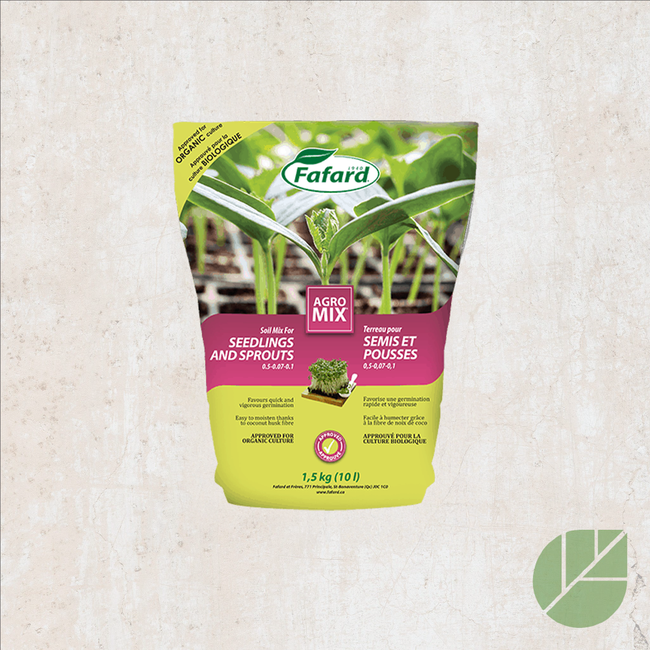
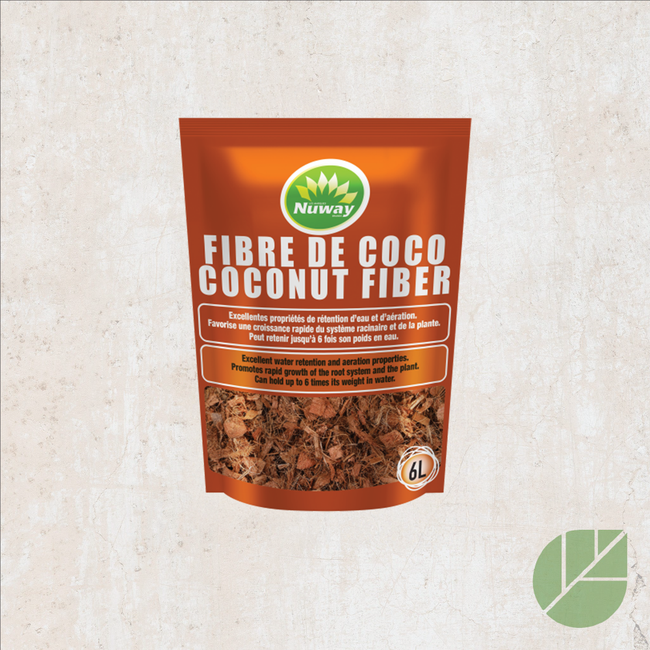
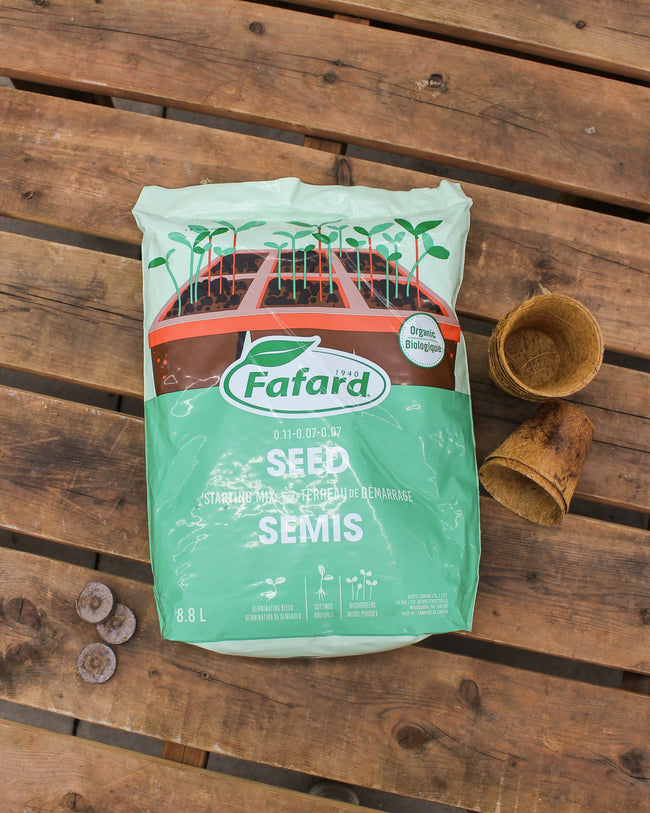
Seed Starting Soil
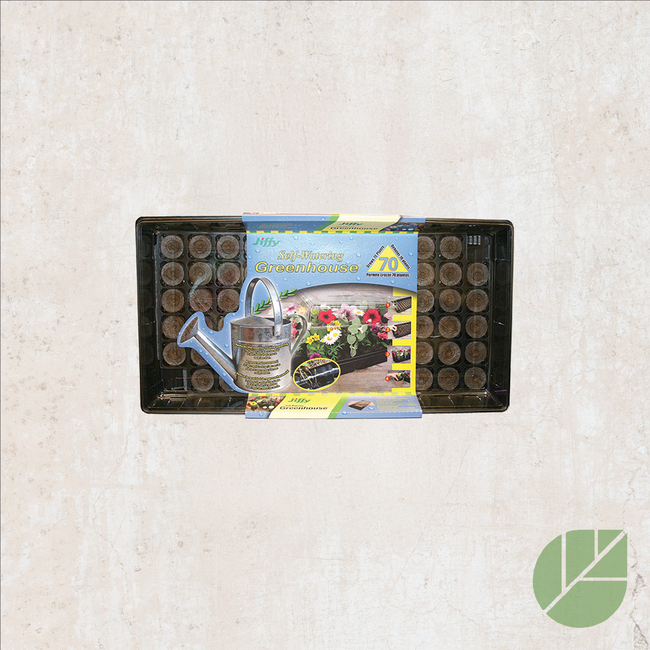
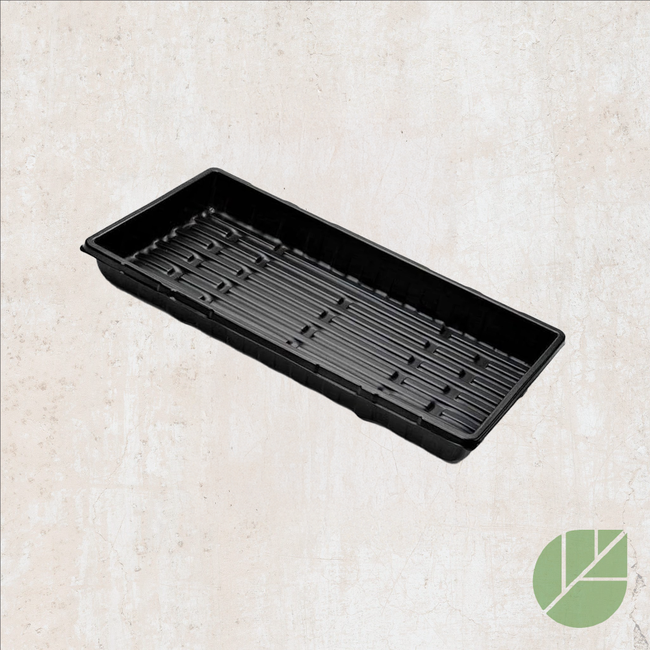
Shop the collectionSeed starting supplies
Shop the collection