

Sale
Sold out

Organic open-pollinated Espelette-type pepper
Solanaceae
Organic hot pepper seeds
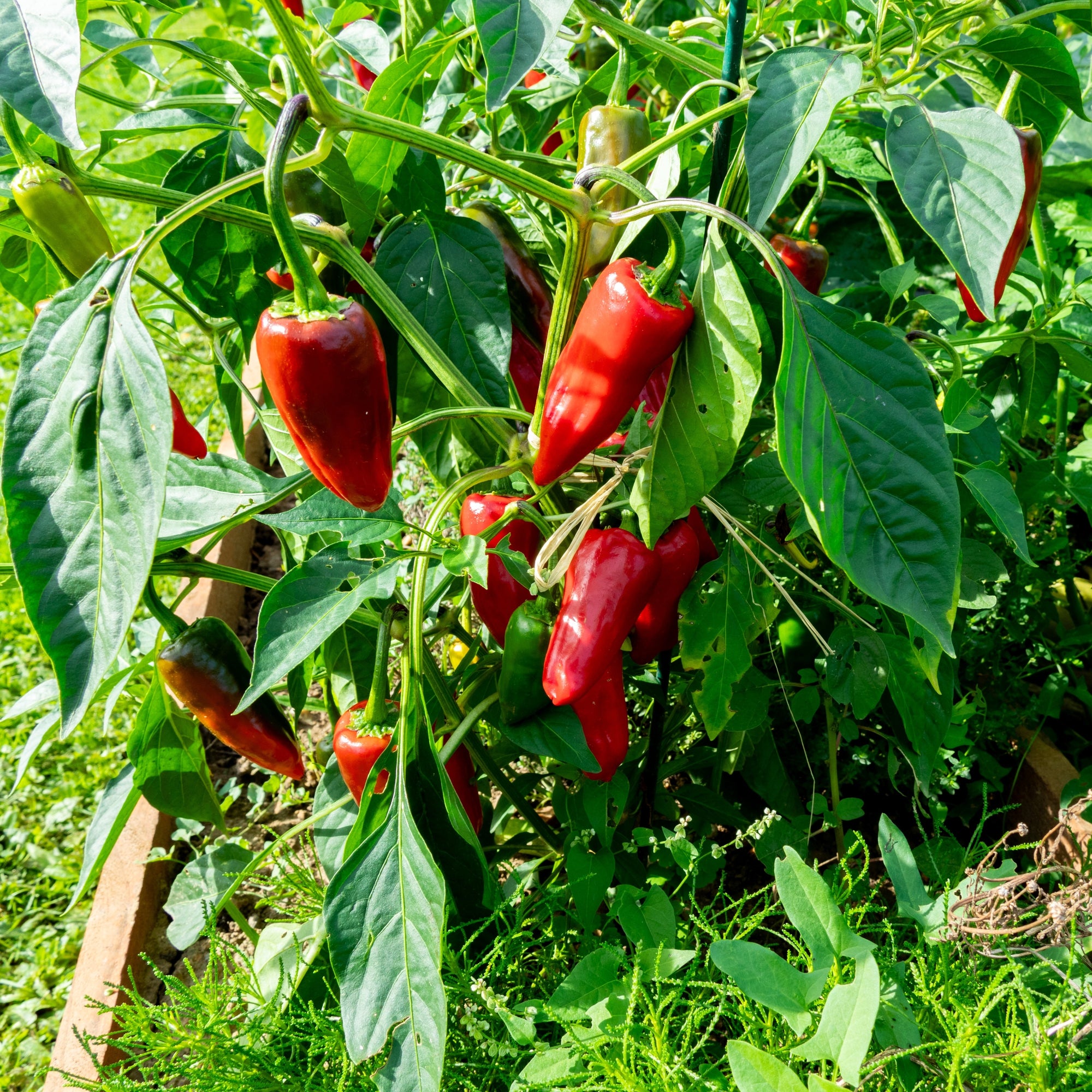
Organic Espelette-type ‘Gorria’ hot pepper
Capsicum annuum
Organic ‘Gorria’ is the reference variety associated with Espelette pepper. Pendant, conical fruit changes from green to red, developing fruity, roasted aromas with progressive heat. Plants reach approximately 70–90 cm; germination requires 10–21 days at 24–30°C, and harvest begins around 90–100 days after transplanting. A Canadian-grown harvest does not automatically qualify for the AOP designation, which is tied to a defined geographic area and production specification. Stake early, water evenly without saturating the soil, and identify every plant from sowing onward. Wear gloves during harvest, drying, and grinding, ventilate thoroughly, avoid inhaling pepper dust, and keep every finished batch clearly labelled as Canadian-grown ‘Gorria’.
- Quantity
- Approximately 10 seeds per selection
- Exposure
- Full sun
- Life cycle
- Annual vegetable in Quebec climates
Discover the plant
Common nameGorria pepper
FamilySolanaceae
GenusCapsicum
Speciesannuum
CultivarGorria
TypeOrganic open-pollinated Espelette-type pepper
Botanical nameCapsicum annuum
Reproducible seedsYes
Organic Espelette-type ‘Gorria’ hot pepper (Capsicum annuum) produces pendant, conical fruit that changes from green to red at maturity. Its profile combines fruity, roasted aromas with progressive heat valued in sauces, powders, and slow-cooked dishes. ‘Gorria’ is the reference variety associated with Piment d’Espelette. However, a crop grown in Canada does not automatically qualify as an AOP product because that protected designation is tied to a defined geographic area and production specification. Each selection contains approximately 10 organic, open-pollinated seeds. This distinction keeps the variety name separate from the protected finished-product designation.
Sow indoors from February through April, 0.5–1 cm deep, approximately eight to ten weeks before the last frost. Maintain 24–30°C until emergence, generally in 10–21 days, then place seedlings under strong light. Harden plants gradually and transplant only after frost once nights remain mild. Choose rich, warm, well-drained soil in full sun. Water deeply when the surface begins to dry and feed moderately; excessive nitrogen encourages foliage at the expense of flowering and ripening. Install support early if branches become heavily loaded with developing fruit. Add light mulch only after the soil has warmed thoroughly.
Plants reach approximately 70–90 cm tall and spread 40–50 cm. Harvest begins around 90–100 days after transplanting, depending on warmth and growing conditions. Pick green fruit for a more vegetal flavour or wait until full red colour for the most developed fruity, roasted profile. The exact Scoville rating for this selection is not published; taste a small amount before adding more. Wear gloves during preparation, avoid contact with eyes, and clearly label fresh, frozen, dried, powdered, or prepared harvests. Chill picked peppers promptly and discard fruit showing mould, rot, or an unusual odour.

Sowing guide
It all startswith a seed.
Sowing depth
Approximately 0.5 to 1 cm (¼ to ⅜ in)
Spacing / density
40–50 cm between plants; leave sufficient space between rows for care and harvest
Germination temperature
24–30°C
Germination time
10–21 days
Sowing period
Indoors, 8 to 10 weeks before the last frost
Propagation
Seed
Growing method
Sow 0.5–1 cm deep in light mix eight to ten weeks before last frost. Maintain 24–30°C and even moisture until emergence, then provide 14–16 hours of strong light. Pot up at several true leaves without deeply burying the stem. Harden for 7–10 days and transplant once soil is warm and nights remain above approximately 12°C. Space 40–50 cm apart, water immediately, stake if needed, and remove first flowers only if the plant remains very small. After transplanting, water deeply, tie plants loosely, and protect temporarily from cold wind. Mulch only once soil is warm. Inspect leaf undersides for aphids, whiteflies, and mites, especially under protection. During flowering, maintain steady moisture and avoid excessive nitrogen. Harvest often with gloves and clean scissors to support production without breaking branches. Allow fruit to reach uniform red at maturity colour for the fullest fruity character, then keep peppers cool and dry. As nights cool, protect plants or move containers under shelter. Discard every mouldy, rotten, or abnormal-smelling fruit. Wash hands, tools, boards, and containers after handling, and keep labelled hot preparations away from children and pets. Keep every plant labelled and record harvest dates for later comparison.
Soil and care
The right care,at the right time.
Soil pH
Approximately 6.0 to 6.8
Care level
Moderate
Watering
Keep seed-starting mix evenly moist during germination without saturating cells, then let the surface dry slightly between waterings once seedlings establish. After transplanting, water deeply at soil level once the top two or three centimetres begin to dry. Alternating drought and excess water causes blossom drop, stalled fruit, and uneven tissue. Mulch only once soil is warm, water in the morning, and avoid wetting foliage. In containers check daily during heat but never leave standing water in the saucer.
Soil type
Choose deep, loose soil rich in mature compost and very well drained, able to retain even moisture without remaining cold or waterlogged. Peppers succeed at slightly acidic to neutral pH around 6.0–7.0. Warm the bed before transplanting and avoid fresh manure. In heavy soil, use a raised bed. Rotate away from tomatoes, eggplants, potatoes, and other peppers where soil disease has occurred. A soil test guides amendments without excess.
Fertilization
Incorporate mature compost before planting and use balanced organic fertilizer only according to a soil test or label. During establishment, moderate nutrition supports sturdy plants. Once flowering begins, avoid high-nitrogen doses that produce many leaves but delay fruit set and ripening. If a container plant pales despite proper watering, apply one low balanced liquid dose and reassess. Never feed dry mix, do not allow salts to accumulate, and stop late applications when remaining warm-season time cannot ripen new fruit.
Moisture
Consistent soil moisture without saturation; good air circulation around the foliage.
Seasonal care
In spring keep seedlings warm under strong light and pot up before roots circle cells. Harden gradually then transplant after frost. In summer mulch once soil is warm, tie plants loosely if bending, and harvest regularly. Monitor aphids, whiteflies, and mites, especially under protection. In autumn move containers inside during cold nights or cut loaded branches to finish colouring indoors; discard diseased or rotten fruit. After hardening, transplant during calm weather and water immediately. Check ties after wind and remove only badly damaged leaves. During hot periods, inspect containers daily but let the surface dry slightly between waterings. Once fruit begins forming, maintain moderate nutrition and keep branches supported. Harvest each pepper separately at the desired stage. In late summer, avoid stimulating new growth that cannot mature. Before moving a pot indoors, inspect foliage carefully so pests are not introduced. After the season, clean tools, stakes, and containers, then record sowing, transplanting, and first-harvest dates that produced the best results. Keep every batch labelled, separate ripe from damaged fruit, and wash contacted surfaces after handling. At the end of the crop, discard diseased fruit, remove roots, and rotate the site with a different plant group. Store cleaned gloves and tools separately, and keep every hot preparation closed and clearly identified. Before indoor overwintering experiments, isolate the plant temporarily and inspect it repeatedly for pests. Keep harvests clearly labelled and wash tools after handling.
Container growing
A garden,within reach.
Recommended pot size
Deep, well-drained 15–20 L container, one plant per pot
Use a large deep container per plant, at least 30 cm deep, with numerous holes. Fill with rich but well-drained mix and place in the warmest sunniest location available. Install a stake at planting so roots are not injured later. Water deeply once the surface dries, feed lightly but regularly according to the label, and rotate the pot weekly for even growth. Move it indoors or protect it when nights approach 12°C. Raise the container slightly and empty the saucer after every watering. Tie branches with soft supports and check them as the plant grows. During heat waves, inspect moisture morning and evening without keeping the mix saturated. Avoid moving the pot abruptly between shade and full sun. Harvest ripe fruit regularly, clean scissors after use, and label batches. In autumn, move the pot into a very bright protected location before a cold night, away from children and pets. After the season, remove roots and clean the container before reuse. Keep harvested peppers cool and dry, wear gloves when processing, and wash every contacted surface thoroughly. Inspect foliage before bringing the pot indoors so aphids, whiteflies, or mites are not carried into the protected growing area.
Bloom and dimensions
Its place,in your garden.
Mature height
70–90 cm
Width / spread
40–50 cm
Flower color
White to greenish white
Foliage color
Green
Foliage type
Simple herbaceous foliage
Growth rate
Fast
Growth habit
Vigorous upright branched productive plant
Fragrance
Fruity, roasted aromas with progressive heat
Bloom period
Small white to greenish-white flowers appear during the warm season. Peppers can self-pollinate, while light air movement and insect visits may support pollen transfer. Extreme heat, cold nights, water stress, or excessive nitrogen can cause blossom drop. Maintain steady growth, ventilate protected spaces, and avoid insecticides on open flowers while pollinators are active. Support branches before developing fruit becomes heavy.
Fruiting
Plants bear pendant, conical fruit that changes from green to red at maturity. Harvest green for a vegetal note or red for a more developed fruity, roasted profile. The exact heat of this selection is not published. Cut with clean scissors, then keep peppers cool or dry them completely. Discard fruit showing mould, rot, damage, or an unusual odour, and label every batch by colour and date.
Days to maturity
Approximately 90–100 days after transplanting, depending on conditions
Harvest
90–100 days after transplanting depending on conditions

Garden associations
In goodcompany.
Companion plants
Low flowers and herbs may occupy nearby space when they do not deprive the pepper of sun, water, airflow, or root room. Their blooms can support insects that also visit pepper flowers. Keep one clear path for watering and harvest, and avoid excessive density. This arrangement organizes the garden but does not guarantee protection from pests or diseases. Rotate away from related solanaceous crops when soil problems have occurred. Keep hot fruit away from crops harvested by children or pets.
Plants to avoid
Avoid close rotations with tomatoes, eggplants, potatoes, and other peppers where soil disease or heavy pest pressure has occurred.
Recipe idea
From the gardento your plate.
Edible parts
Fruit
Gorria pepper flakes — Wear gloves and work in a well-ventilated room. Wash and fully dry sound red fruit. Remove stems without touching the face and arrange peppers in a dehydrator according to the appliance instructions. Continue until fruit is completely dry and brittle. Let it cool, then grind coarsely without inhaling dust. Place flakes in a clean, dry, closed, clearly labelled jar. Begin with a small pinch in soups, beans, sauces, or marinades. Never dry mouldy, rotten, or abnormal-smelling fruit. Clean the appliance, tools, and surfaces thoroughly, then keep the jar away from children and pets. Discard the contents if moisture, mould, or an unusual odour appears. Mark the preparation date on the jar and always use a clean, dry spoon. Never leave a heating appliance unattended, and allow flakes to cool before closing the container to prevent condensation. Do not inhale pepper dust while grinding, never touch the face during preparation, and wash hands after removing gloves.
Frequently asked questions
Your questions,answered.
Is a Canadian-grown ‘Gorria’ harvest AOP Piment d’Espelette?
No. ‘Gorria’ is the reference variety associated with Piment d’Espelette, but the AOP protects a product made within a defined geographic area under a specific production standard. Growing these seeds in Canada can produce ‘Gorria’ peppers with fruity, roasted aromas and progressive heat; it does not automatically grant AOP Piment d’Espelette status to the harvest, powder, or sauces. For accurate identification, describe the fruit as Canadian-grown ‘Gorria’ peppers. Retain the selection label and avoid wording that suggests the harvested product carries a geographic certification it does not possess. This distinction protects customers from confusing the seed variety with the certified geographic finished product.
What is the difference between green and bright red fruit?
Green fruit is edible and generally has a more vegetal, fresh, and sometimes sharper flavour. As it reaches bright red colour, it develops a riper, fruitier, more aromatic profile. Perceived heat may also change with maturity without following one perfectly consistent rule. Harvest green if cold weather approaches or when a recipe benefits from a vegetal note. For drying or fuller flavour, wait for even colour and firm flesh. Use clean scissors, never pull branches, and keep both stages in identified containers. Wear gloves and taste every batch gradually. Record colour and harvest date so fresh, frozen, and dried portions remain easy to distinguish later.
How should ‘Gorria’ pepper be started in Canada?
Sow indoors several weeks before the last frost, 0.5–1 cm deep, in clean light growing mix. Maintain 24–30°C and even moisture until emergence, generally in 10–21 days. Once seedlings appear, provide strong light for 14–16 hours daily and maintain good airflow. Pot up after several true leaves form without deeply burying the stem. Harden plants gradually for 7–10 days, then transplant only after frost once soil is warm and nights remain mild. Label every pot, water without saturation, and protect young plants temporarily from cold wind. Compact sturdy seedlings recover more reliably than long weak stems. Pause hardening during unusually cold, wet, or windy weather.
When should ‘Gorria’ pepper be harvested and stored?
The first harvest begins approximately 90–100 days after transplanting, although warmth, light, and transplanting date can change this schedule. Pick firm fruit once it reaches the desired colour, using gloves and clean scissors to avoid breaking branches. Chill fresh peppers promptly and keep them dry. For freezing, place fruit on a tray before transferring it to a clearly labelled bag. For drying, continue until peppers are completely dry and brittle before storage. Discard every mouldy, rotten, damaged, or abnormal-smelling fruit, then clean tools and contacted surfaces after handling. Keep stored batches identified by variety, colour, and harvest date. Never store a questionable or partially dried pepper.
Can Gorria be grown in a container?
Yes. Choose a large deep heavy well-drained container able to support a 70–90 cm plant, with rich mix and a stake. No exact volume is confirmed for this selection, so favour ample root space instead of an arbitrary minimum. Place in full sun against a warm wall, check moisture daily during heat, feed moderately, and move under protection during cold nights to help the final fruit turn red. In containers, give Organic Espelette-type ‘Gorria’ hot pepper a light fertile mix and numerous drainage holes. Water when the surface dries, rotate the pot if light is uneven, and never allow standing water. Adequate soil volume reduces rapid moisture changes and helps roots remain cooler during summer heat.
Wildlife and pets
Life,around your plants.
Supporting wildlife
Pepper flowers can self-pollinate, while bees and other small insects may visit blossoms and support pollen transfer. Low nearby flowers provide additional resources without competing with the plant. Avoid insecticides on open blossoms, maintain airflow, and keep hot fruit and harvested peppers away from children and pets.
For a great start to your seeds
The right extras.Right here.
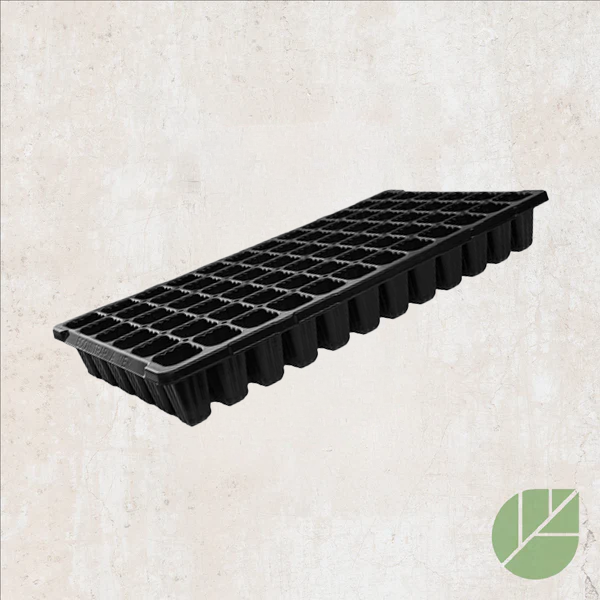
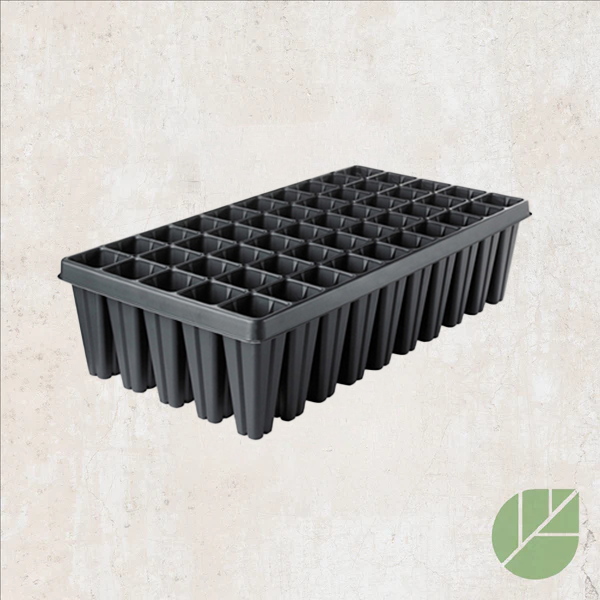
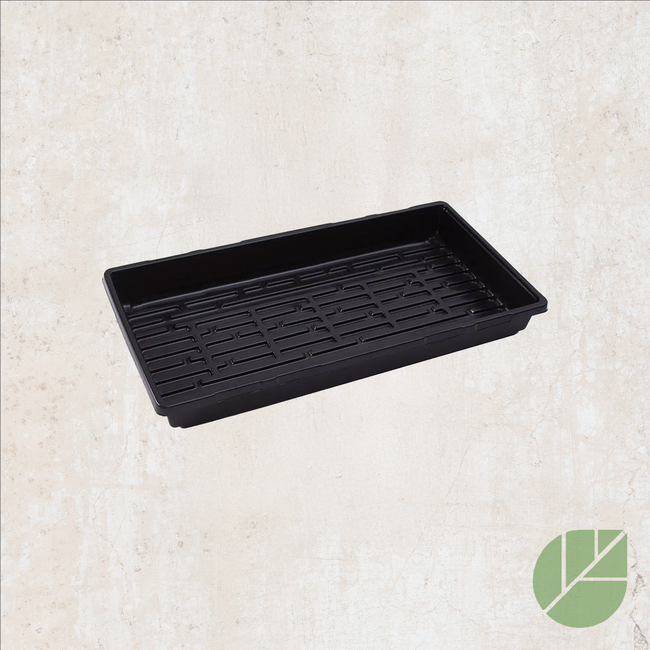
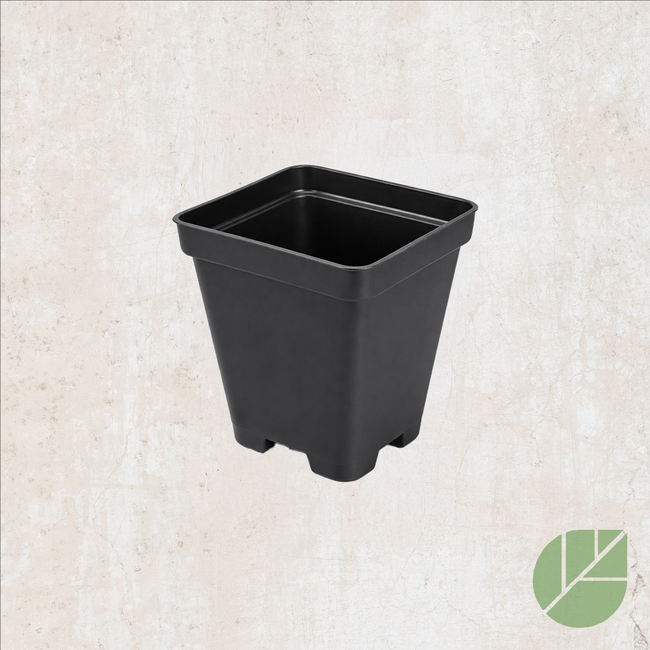
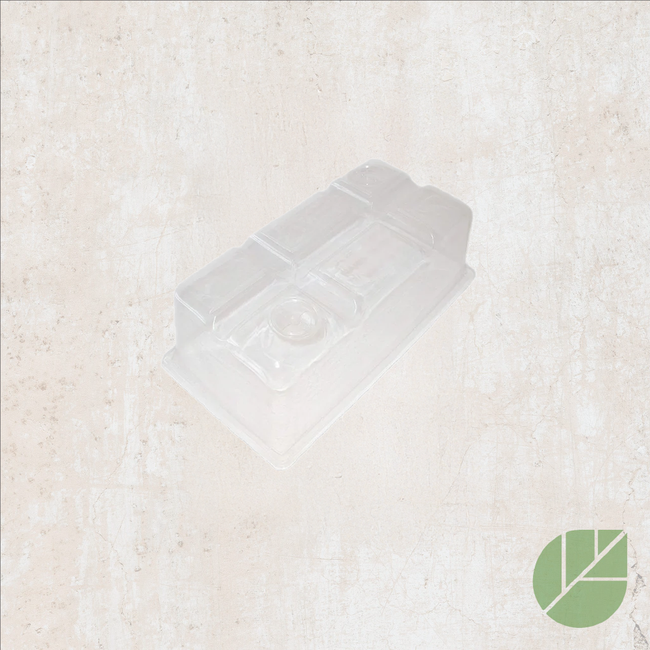
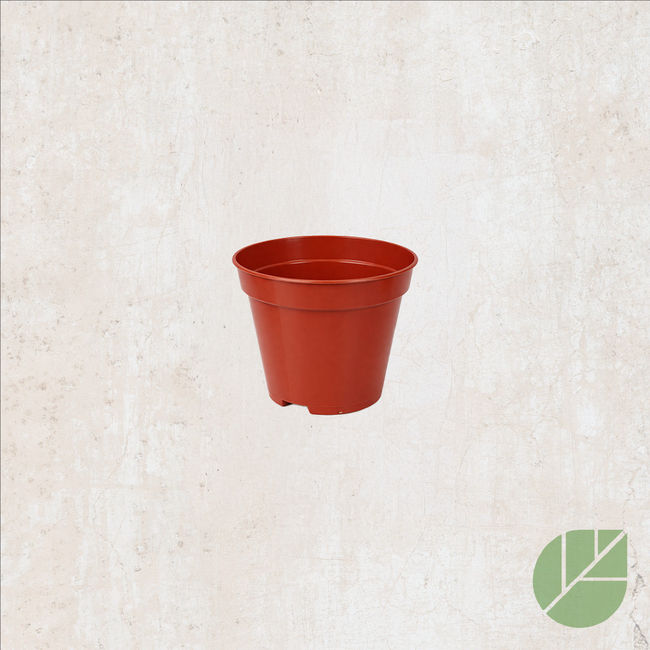
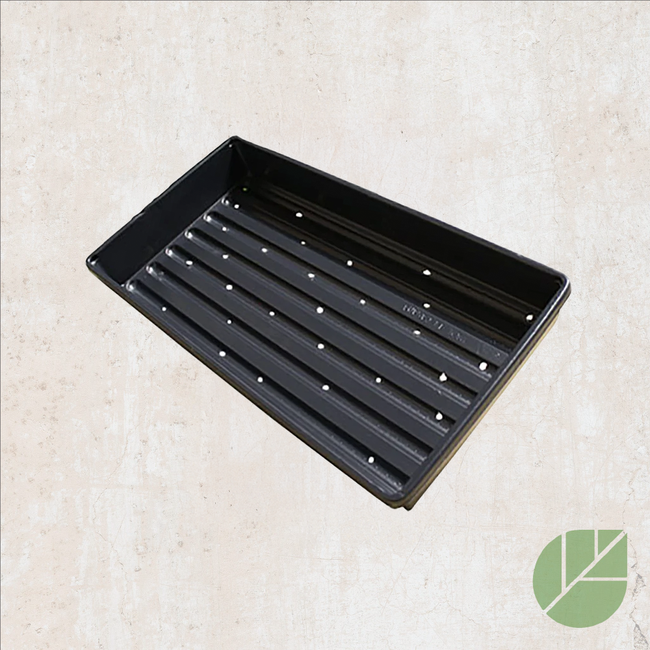
Platters, pots and domes
Shop the collection
Seed Starting Soil
Shop the collectionSeed starting supplies
Shop the collection




