

Sale
Sold out

Fruiting vegetable
Solanaceae
Organic fruiting vegetable seeds
Organic ‘Bolivian Rainbow’ pepper
Capsicum annuum
Product code : BIOVO-0075
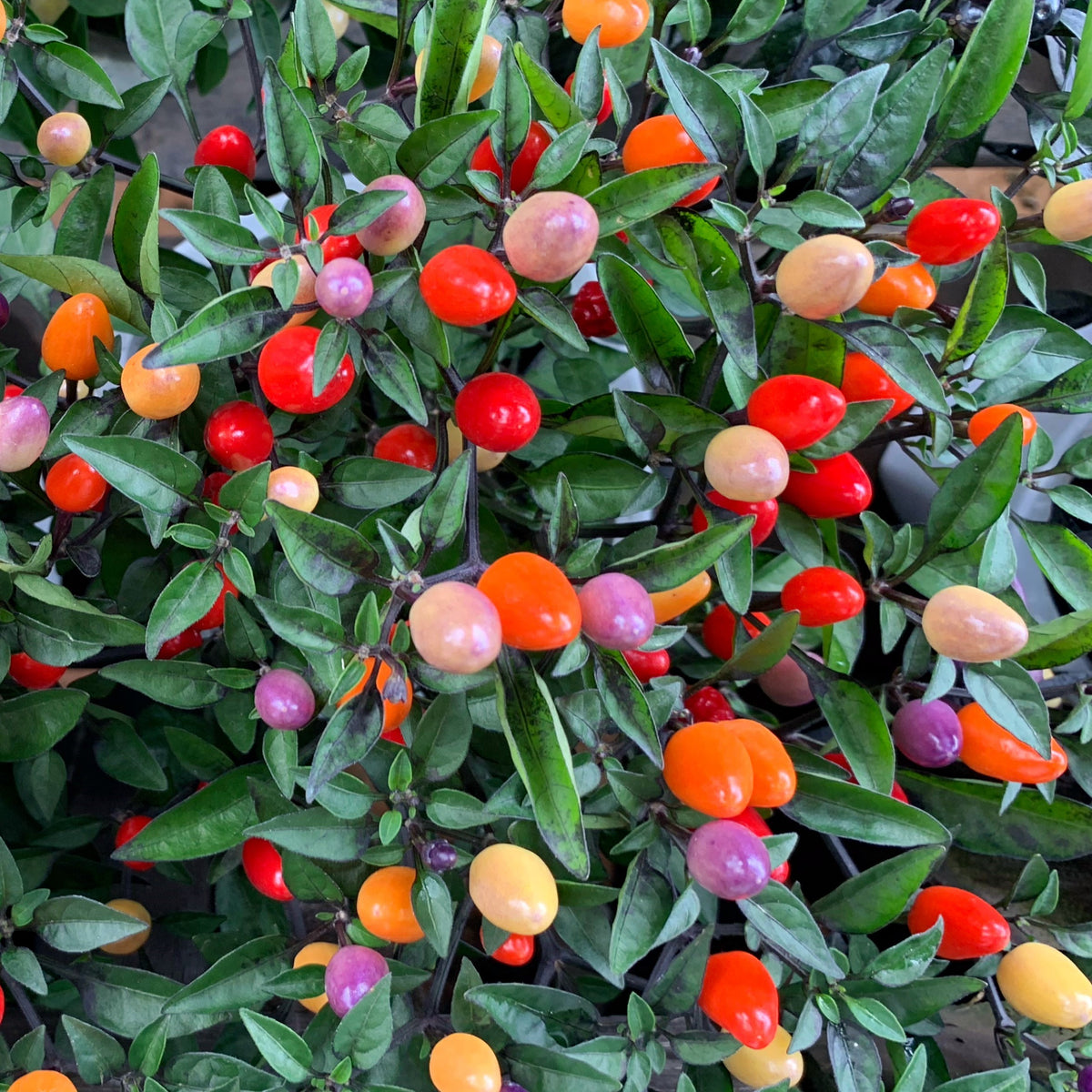
Organic ‘Bolivian Rainbow’ (Capsicum annuum) is an edible ornamental cultivar valued for small upright fruit that changes from deep purple through cream and orange to red. The plant brings lasting colour to containers, edible borders, and small gardens. Heat is commonly listed around 30,000 Scoville Heat Units and maturity near 100 days from transplanting, with variation related to conditions. Start seed early indoors, transplant after frost into full sun, and maintain even moisture without waterlogging soil. Wear gloves at harvest; purple fruit is usable, while red indicates full maturity. A stable draining container makes seasonal care and repeated harvests easier.
- Quantity
- 10 organic seeds
- Exposure
- Sun
- Life cycle
- Botanically a tender perennial, grown as an annual vegetable crop in Quebec
Discover the plant
Common nameBolivian Rainbow pepper
FamilySolanaceae
GenusCapsicum
Speciesannuum
CultivarBolivian Rainbow
TypeFruiting vegetable
Botanical nameCapsicum annuum
Reproducible seedsYes
Organic ‘Bolivian Rainbow’ pepper (Capsicum annuum) is an edible ornamental cultivar known for numerous upright fruit that changes colour. One plant may display purple, cream, orange, and fully ripe red simultaneously, producing a true gradient above the foliage. Its identity as Capsicum annuum is supported by university research on ornamental peppers, while varietal sources publish Bolivian origin. The precise breeder and preservation path are not documented strongly enough to assert. Fruit is hot, and heat is commonly listed around 30,000 Scoville Heat Units. This organic seed suits containers, edible borders, sauces, and cautiously portioned dried blends. Its changing display makes maturity easy to observe without treating ornament as proof of mild flavour.
Start seed indoors eight to ten weeks before the last frost, approximately 6 mm deep. Keep starting mix warm and lightly moist without saturation, then provide intense light after emergence. Pot on as needed and harden plants gradually. Transplant after frost, when soil has warmed and nights remain mild. Select full sun to support rich colour, fertile soil amended with mature compost, and reliable drainage. In a container, use a stable pot with open holes and check moisture more often during hot weather. Water deeply when the surface begins to dry. Moderate feeding, good airflow, and a small stake when needed support flowering and fruit clusters. Avoid excessive nitrogen that produces foliage at the expense of fruit.
Consulted catalogues list approximately 100 days from transplanting; use this range as variable guidance. Harvest a firm pepper at the desired colour or wait for red at full maturity. Flavour and heat may change with colour. Cut stems with a clean tool. Wear gloves, avoid touching eyes, and taste one small cooked portion before seasoning an entire dish. Use Bolivian Rainbow in sauce, a cooked condiment, or a clearly labelled dried blend. Follow a tested food-safety recipe for any preserving. Refrigerate cut fruit within two hours, discard peppers showing mould, and never eat fruit from an ornamental plant of undocumented origin that may have received treatments not approved for food crops.

Sowing guide
It all startswith a seed.
Sowing depth
5 to 6 mm (approximately 1/4 in)
Spacing / density
40.6 cm (16 in) between plants; 30.5 cm (12 in) between rows
Germination temperature
Approximately 24 to 29°C (75 to 85°F)
Germination time
Approximately 7 to 21 days depending on warmth and natural seed variability
Sowing period
Indoors, 8 to 10 weeks before the last frost
Propagation
Seed
Growing method
Sow indoors eight to ten weeks before the last frost, 5 or 6 mm (1/4 in) deep in clean, lightly moist starting mix. Maintain approximately 24 to 29°C (75 to 85°F) until emergence without saturating the medium. As soon as seedlings appear, provide intense light for a long daily period and maintain good air circulation. Pot on when plants are sturdy enough, then fertilize very lightly. About one week before transplanting, gradually expose plants to outdoor sun, wind, and temperatures. Set them out after frost danger in warmed, fertile, well-drained soil in full sun. Space plants 40.6 cm (16 in) between plants and 30.5 cm (12 in) between rows apart. Water deeply when the surface begins to dry and apply mulch after soil has warmed. Avoid excess nitrogen, which promotes leaves at the expense of fruit. A small stake supports loaded branches. Harvest green peppers or wait for full purple, cream, orange, or red colour, then continue picking regularly until autumn cooling. Monitor aphids and spider mites, especially under cover, and begin with suitable cultural controls. Remove badly damaged material and keep tools clean between plants. Check undersides of leaves regularly and isolate affected container plants when practical. Record key dates.
Soil and care
The right care,at the right time.
Soil pH
Approximately 6.0 to 6.8
Care level
Moderate
Watering
Water deeply at soil level when the soil surface begins to dry, then allow excess moisture to drain. Maintain even moisture during flowering and fruit development without saturating roots. Clean mulch limits evaporation and soil splash. Avoid sharp cycles between drought and heavy watering, as well as late-day overhead watering. Check containers daily during hot or windy weather and empty standing water from saucers after rain.
Soil type
Choose loose, fertile, well-drained soil enriched with mature compost before transplanting. A loamy texture that retains even moisture without remaining saturated supports healthy roots and continued production. Avoid locations where water collects after rain and soils that remain cold or compacted. In containers, use airy vegetable potting mix and keep drainage holes open so excess water can escape freely outdoors.
Fertilization
Incorporate mature compost before planting, then apply balanced fertilizer for fruiting vegetables according to label directions and, ideally, a soil test. Avoid excess nitrogen, which promotes foliage at the expense of blossoms and fruit. In containers, divide applications into smaller doses because frequent watering leaches nutrients more quickly. Never fertilize completely dry potting mix. Observe foliage colour and fruit set before repeating an application, then water according to label directions.
Moisture
Consistent soil moisture without saturation; good air circulation around the foliage.
Seasonal care
In late winter, sow indoors eight to ten weeks before the last frost and maintain steady warmth until emergence. In early spring, place seedlings under intense light, pot them on, and begin very light feeding only after establishment. As days become mild, harden plants gradually, then wait for warm soil and stable nights before transplanting. In early summer, water deeply when the surface dries, remove weeds, and apply mulch once soil is warm. Install a stake before branches become loaded. During flowering, avoid excess nitrogen and maintain even moisture. In summer, monitor pests, remove genuinely diseased leaves, and pick firm fruit at either purple, cream, orange, or red stage. In containers, check water daily during hot periods. In late summer, continue harvesting to support ripening of remaining peppers. Before the first cold nights, gather usable fruit or temporarily protect a container. After the season, remove diseased debris, clean tools, and rotate with crops outside the nightshade family. During prolonged rain, improve airflow and avoid unnecessarily wetting foliage. Remove damaged fruit promptly. Record first harvest dates and the plant response to watering so next year’s culture can be adjusted. Do not compost clearly diseased tissue unless the system reliably destroys plant pathogens. Store unused seed in a cool, dry, clearly labelled place. Review these notes before ordering seed and planning the next indoor sowing date.
Container growing
A garden,within reach.
Recommended pot size
At least 15 to 20 L, approximately 30 to 35 cm (12 to 14 in) in diameter
Choose a stable container of at least 15 to 20 L, approximately 30 to 35 cm (12 to 14 in) in diameter, with several drainage holes. Fill it with airy vegetable potting mix amended with a moderate amount of compost. Install a small stake at planting so roots are not damaged later. Place the pot in full sun in the warmest sheltered part of the patio. Water slowly until excess drains, then wait until the surface begins to dry before watering again. Check moisture daily during heat waves and never leave water standing in the saucer. After fruit set, use vegetable fertilizer at the labelled rate without multiplying applications. Rotate the pot when light comes mainly from one side. Pick firm purple, cream, orange, or red fruit regularly to lighten branches and support production. When nights cool, move the container temporarily to a bright protected place without treating the plant as cold hardy. Clean the container and tools at season’s end. Label the container and keep fruit beyond the reach of young children who might mistake it for a fruity hot pepper. During prolonged rain, shelter the pot enough to prevent waterlogging while preserving light and airflow.

Bloom and dimensions
Its place,in your garden.
Flower color
White to greenish white
Foliage color
Green
Foliage type
Herbaceous
Growth rate
Fast
Bloom period
Small pale blossoms appear during warm weather when the plant receives abundant sunlight and steady growth. They form at leaf joints and precede the lantern-shaped fruit. Excessive heat, water stress, or too much nitrogen can temporarily reduce fruit set. Maintain even moisture, good air circulation, and avoid unnecessarily wetting blossoms late in the day. Pollinating insects may visit, while gentle air movement also helps release pollen.
Fruiting
Small upright fruit appears deep purple, passes through cream and orange shades, and becomes red at full maturity. Several colours may be visible simultaneously on one plant. Count approximately 100 days as a guide depending on warmth, light, and transplant date. Harvest firm fruit at the desired stage or wait for red maturity. Cut stems with a clean tool and wear gloves because heat is commonly listed around 30,000 Scoville Heat Units. Keep harvested peppers clearly labelled.
Days to maturity
Approximately 100 days depending on growing conditions
Harvest
Approximately 100 days from transplanting; harvest at desired colour or red when ripe
Garden associations
In goodcompany.
Companion plants
Around Organic ‘Bolivian Rainbow’ pepper, use quick low crops such as radishes, lettuce, or green onions, then harvest them before they create competition. Sweet alyssum, calendula, or phacelia can grow along the edge to support small beneficial insects. Keep the crown open and leave enough space for airflow. Companion planting never replaces rotation, drainage, weeding, soil-level watering, or regular inspection for damage. With neighbouring plants, inspect Organic ‘Bolivian Rainbow’ pepper regularly and adjust care to its actual stage of growth.
Recipe idea
From the gardento your plate.
Edible parts
Fruit, after appropriate culinary preparation
Bright Bolivian Rainbow sauce — Wear gloves and begin with one small red pepper. Remove the stem, mince it, and cook for two minutes with 5 mL (1 tsp) oil in a ventilated small saucepan. Add 250 mL (1 cup) crushed tomatoes, 30 mL (2 tbsp) chopped onion, 5 mL (1 tsp) vinegar, and a pinch of salt. Simmer for ten minutes, then taste a tiny amount with bread. Add a second pepper only if the heat is suitable. Serve with beans, eggs, or grilled vegetables. Refrigerate the sauce within two hours and use promptly. This preparation is not shelf-stable; follow a tested recipe for any room-temperature storage. Clean utensils carefully and label the container as hot. For a smoother texture, cool slightly and blend cautiously. Do not inhale steam directly or touch your face during cleanup. Keep the finished sauce away from children and pets, and mark the container with its preparation date.
Frequently asked questions
Your questions,answered.
Is Bolivian Rainbow edible despite its ornamental appearance?
Yes. Bolivian Rainbow is a Capsicum annuum cultivar with edible fruit, even though compact growth and changing colour make it highly decorative. Treat it as a genuinely hot pepper: heat is commonly listed around 30,000 Scoville Heat Units, with variation related to seed, maturity, and conditions. Wear gloves, avoid touching eyes, and taste a very small cooked portion. Never eat fruit from an ornamental plant of undocumented origin if it may have received products not intended for food crops. These organic seeds are sold for growing an edible pepper. Harvest only sound fruit and refrigerate cut peppers promptly. Handle cautiously.
How hot is Bolivian Rainbow?
Heat is commonly listed around 30,000 Scoville Heat Units, although figures vary among catalogues. Treat every fruit as hot. Genetics, maturity, light, temperature, and watering may alter pungency. Wear gloves, avoid touching eyes, and begin with a small cooked amount in a complete dish. Clearly label sauces and dried blends, keep them away from children and pets, and clean tools and surfaces carefully after preparation. Refrigerate fresh condiments promptly and discard any fruit showing mould or decay. Record perceived heat by harvest colour before adjusting later recipes. Colour does not reliably predict mildness, so test every harvested batch cautiously after cooking.
Why do several colours appear together?
Each fruit progresses from purple to cream, orange, and finally red, but peppers do not begin ripening on the same day. The plant therefore carries several stages simultaneously. Light, temperature, and fruit position may change the duration or intensity of each shade. This diversity is normal, but a perfectly identical colour combination should not be expected on every plant. Photograph the same pepper every few days to follow its transition. Harvest it firm at the desired colour or wait for red at full maturity. Wear gloves and label batches by colour before comparing flavour after cooking. Refrigerate cut samples promptly.
Does Bolivian Rainbow grow well in a container?
Yes. Its compact habit makes Bolivian Rainbow especially useful in a container. Choose a stable pot with open drainage holes and fill it with fertile airy potting mix. Place it in full sun after gradual hardening. Water deeply when the surface begins to dry, then let excess water drain freely. Check moisture more often during hot windy weather. Moderate feeding supports flowers and fruit without producing excessive foliage. Rotate the pot periodically for even light and add a small stake if branches become loaded. Before frost, harvest sound fruit or move the container briefly under protection. Inspect leaf undersides regularly and isolate a plant if genuine pest problems develop.
How long does harvest take?
Consulted catalogues indicate approximately 100 days from transplanting. This range is guidance, not a fixed date. Start seed eight to ten weeks before the last frost, transplant after soil warms, and select full sun. Then judge firmness and colour as fruit changes from purple to cream, orange, and red. Cool nights, light, container size, and transplant date alter the pace. Record first fruit set, each colour change, and first red pepper. Before autumn frost, gather every sound usable fruit or protect the container temporarily. Refrigerate cut or damaged peppers promptly and discard any showing mould or decay. Keep these observations with garden notes for future comparison.
Wildlife and pets
Life,around your plants.
Supporting wildlife
Organic ‘Bolivian Rainbow’ pepper is grown primarily for harvest. When several plants reach bloom, their flowers may receive small bees, hoverflies, and other insects. This contribution remains secondary and varies with flowering duration, weather, and neighbouring crops. Avoid treatments while insects are actively visiting and retain only healthy flowering specimens away from the main harvest.
For a great start to your seeds
The right extras.Right here.
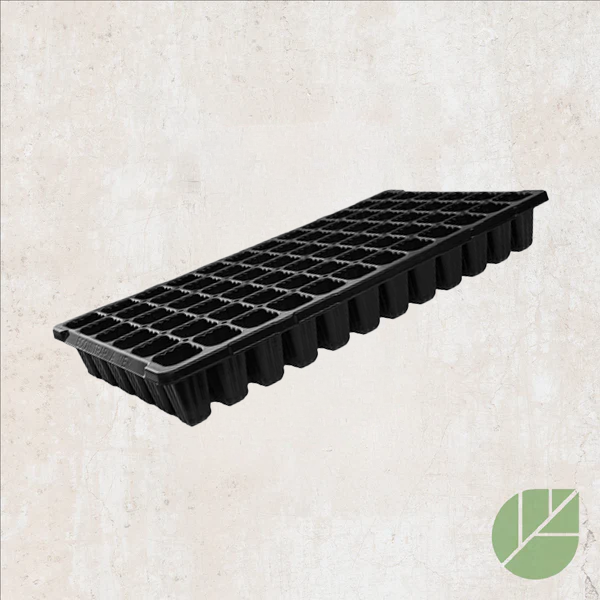
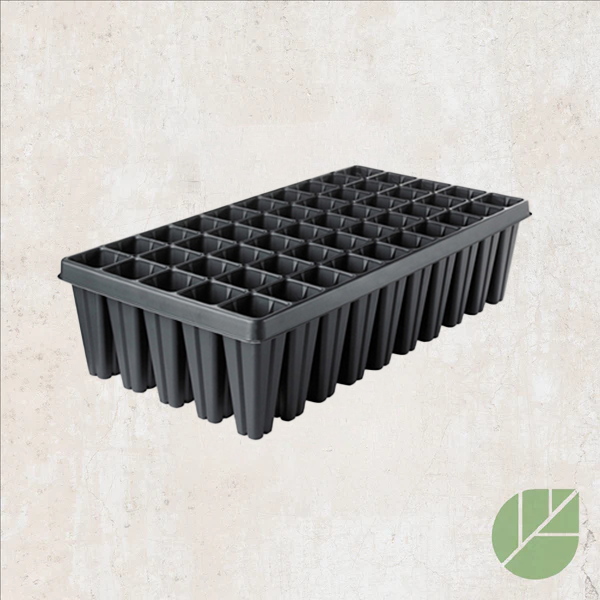
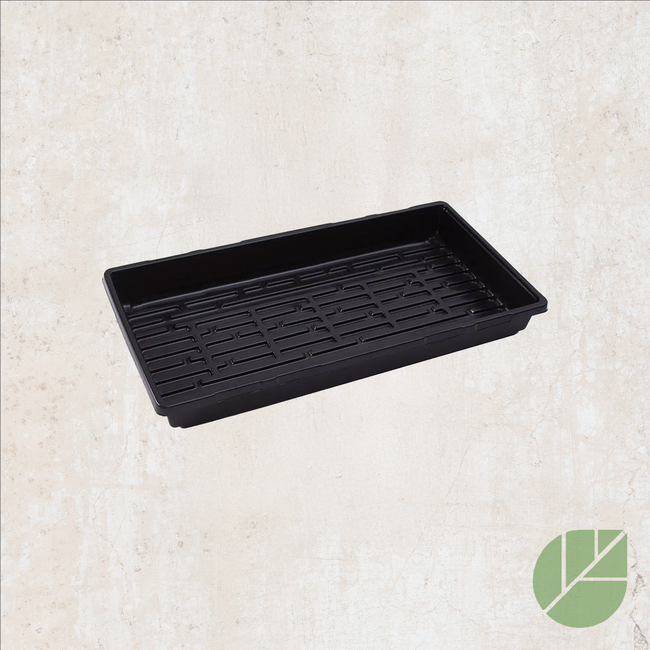
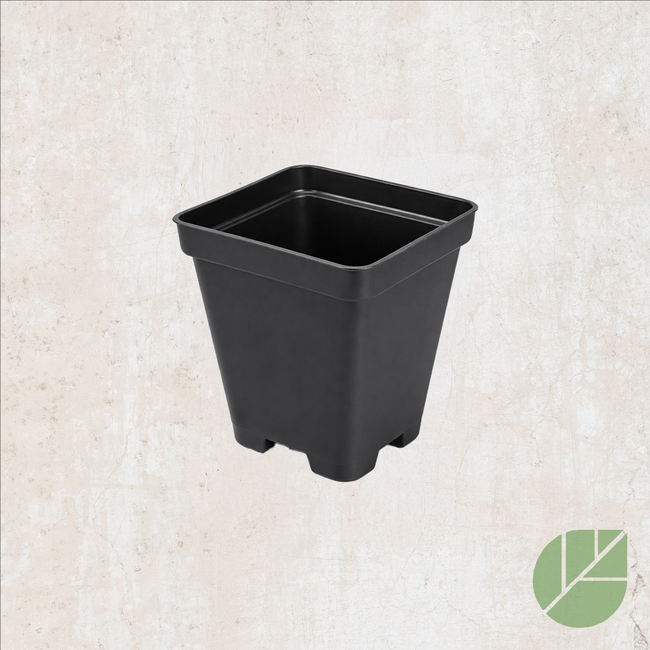
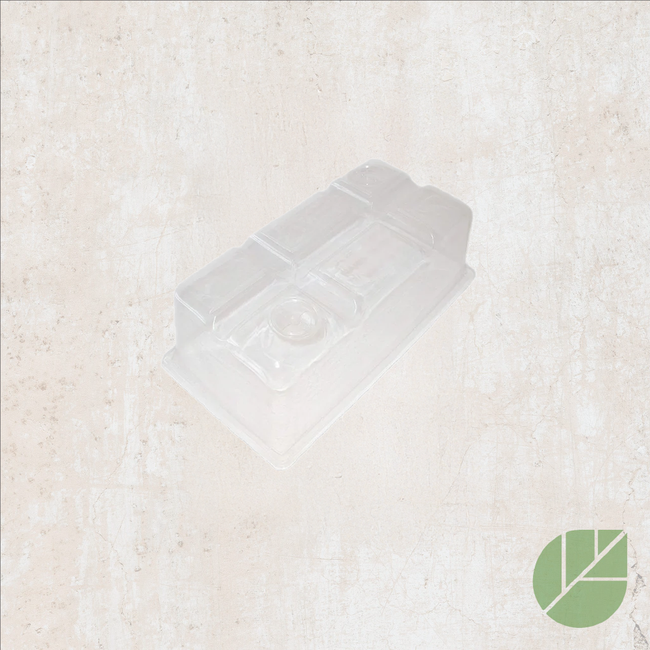
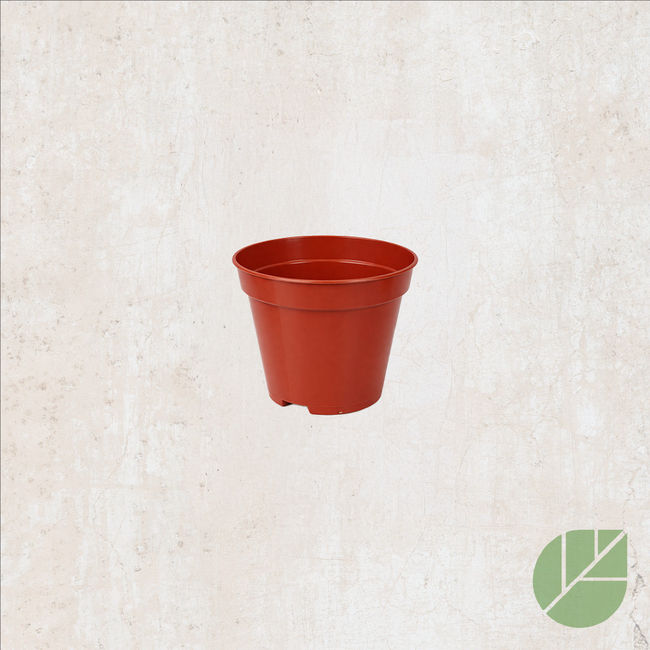
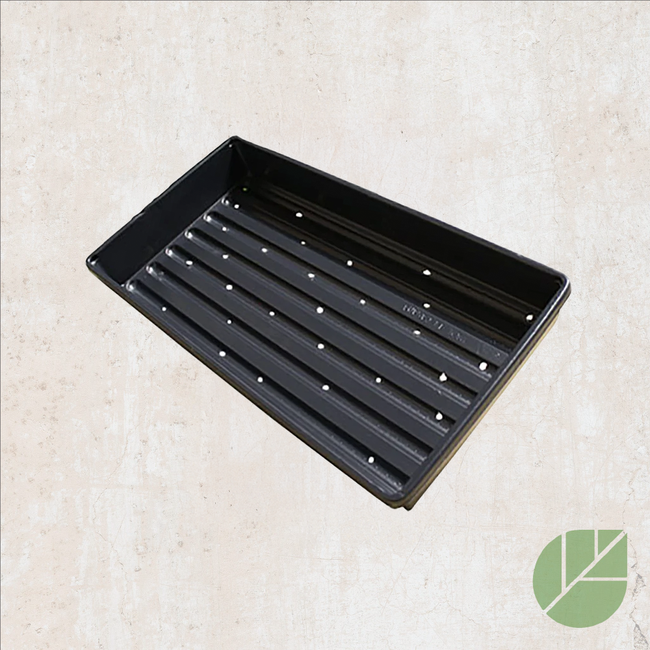
Platters, pots and domes
Shop the collection
Seed Starting Soil
Shop the collectionSeed starting supplies
Shop the collection




