Sale
Sold out

Organic Macedonian heirloom open-pollinated hot pepper
Solanaceae
Organic hot pepper seeds
Organic 'Rezha Macedonian' hot pepper
Capsicum annuum
Product code : BIOVO-0092
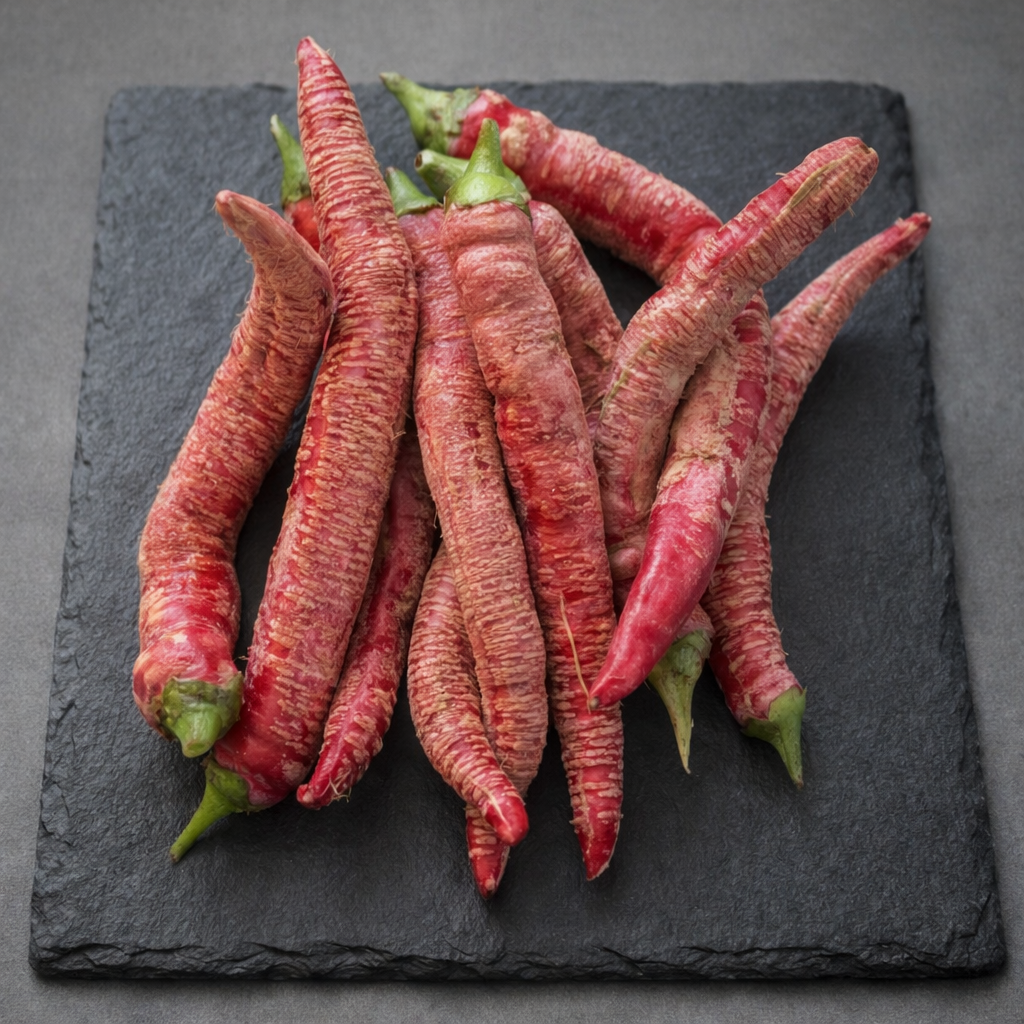
Organic 'Rezha Macedonian' is a North Macedonian heirloom with long fruit marked by corking lines that appear engraved or embroidered. Peppers change from yellowish green to red and carry variable heat generally described as medium. Plants reach approximately 60–90 cm; germination requires 7–14 days at 24–30°C, and harvest begins around 85 days after transplanting. Each selection contains approximately 10 organic, open-pollinated seeds. The characteristic surface lines are a normal varietal feature rather than a defect. Stake early, water evenly without saturating the soil, identify every plant from sowing onward, and keep every harvest clearly labelled. A movable container simplifies protection from cool nights late in the season.
- Quantity
- Approximately 10 seeds per packet
- Exposure
- Full sun
- Life cycle
- Annual vegetable in Canadian gardens
Discover the plant
Common nameRezha Macedonian pepper
FamilySolanaceae
GenusCapsicum
Speciesannuum
CultivarRezha Macedonian
TypeOrganic Macedonian heirloom open-pollinated hot pepper
Botanical nameCapsicum annuum
Reproducible seedsYes
Heirloom varietyYes
Organic 'Rezha Macedonian' hot pepper (Capsicum annuum) is a traditional North Macedonian variety distinguished by long fruit marked with corking lines that appear engraved or embroidered. Its name refers to this characteristic surface. Fruit changes from yellowish green to red and carries variable heat generally described as medium. Each selection contains approximately 10 organic, heirloom, open-pollinated seeds. Experienced gardeners may save seed from sound fruit on healthy, true-to-type plants that have been properly isolated from other compatible peppers. This distinctive surface also makes the variety easy to identify during harvest.
Sow indoors from February through April, 0.5–1 cm deep, approximately eight to ten weeks before the last frost. Maintain 24–30°C until emergence, generally in 7–14 days, then place seedlings under strong light. Harden plants gradually and transplant only after frost once nights remain mild. Choose rich, warm, well-drained soil in full sun. Water deeply when the surface begins to dry and feed moderately to support flowering without producing excessive foliage. Install support early if branches become heavily loaded with developing fruit. Add light mulch only after the soil and root zone have warmed thoroughly.
Plants reach approximately 60–90 cm tall and spread about 40 cm. Harvest begins around 85 days after transplanting, depending on warmth and growing conditions. Pick yellowish-green fruit for a more vegetal profile or wait until it turns red for riper flavour. Characteristic corking lines are a normal varietal feature rather than a defect. The exact Scoville rating for this selection is not published; taste a small amount before adding more. Wear gloves during preparation and clearly label fresh, roasted, frozen, dried, or prepared harvests. Record harvest dates to compare colour, corking, and performance between seasons.

Sowing guide
It all startswith a seed.
Sowing depth
Approximately 0.5 to 1 cm (¼ to ⅜ in)
Spacing / density
Approximately 40 cm between plants; leave a wider path between rows for care and harvest
Germination temperature
26 to 30 °C (79 to 86 °F)
Germination time
7–14 days
Sowing period
Indoors, 8 to 10 weeks before the last frost
Propagation
Seed
Growing method
Growing 'Rezha Macedonian' hot pepper from seed. Sow 0.5–1 cm deep in light mix eight to ten weeks before last frost. Use clean seed starting mix for the indoor start of 'Rezha Macedonian', keeping it moist but never saturated. Water at soil level when the upper root zone begins drying, maintaining even moisture through fruit development. A pepper seedling needs strong light, gentle airflow, and an evenly moist root zone without standing water. Match 'Rezha Macedonian' to full sun and observe the actual hours of unobstructed light at the site. Pot the crop up when roots occupy the starter cell, handling the root ball rather than pulling the stem. Transplant only after frost risk has passed, the soil is warm, and nights are reliably mild. This pepper develops the expected harvest form: long yellowish-green fruit ripening red, marked with characteristic corking lines. Use visible changes in the crop rather than the calendar alone to judge harvest. Feed moderately after establishment; excessive nitrogen can postpone flowers and ripe fruit. Leave the plant open to light, airflow, and watering at soil level. Its growth is vigorous, upright, branched, and productive. Set the plant at its previous depth, water it in, and install support before the plant becomes difficult to handle. After late-season rain or wind, confirm drainage and support while preserving healthy foliage needed to finish ripening. Harvest the crop at its intended colour stage rather than by an absolute date. Use suitable gloves, label the hot fruit clearly, and protect container plants before the first autumn frost only when useful light and warmth remain.
Soil and care
The right care,at the right time.
Soil pH
Approximately 6.0 to 6.8
Care level
Moderate
Watering
The elongated fruit of 'Rezha Macedonian' hot pepper develops most evenly when the plant receives steady moisture through flowering and fruit elongation. As 'Rezha Macedonian' hot pepper's long yellowish-green fruit ripening red, marked with characteristic corking lines develops on a plant with vigorous upright branched productive growth, widen the wetted area with the expanding canopy and roots. 'Rezha Macedonian' hot pepper is listed at approximately 80 to 90 days after transplanting; treat that as a planning reference and monitor moisture while later flowers and fruit are still developing. Water 'Rezha Macedonian' hot pepper slowly at soil level, soak the active root zone, and let surplus water drain before irrigating again.
Soil type
Give 'Rezha Macedonian' hot pepper loose, deep soil so its vigorous roots can sustain repeated growth of elongated fruit. Give 'Rezha Macedonian' hot pepper's vigorous upright branched productive growth enough uncompacted root area to carry long yellowish-green fruit ripening red, marked with characteristic corking lines. With 'Rezha Macedonian' hot pepper's harvest listed as approximately 80 to 90 days after transplanting, keep its soil open and workable through the full production period. Before planting 'Rezha Macedonian' hot pepper, incorporate mature compost and break compacted layers instead of creating a rich, wet pocket around the crown.
Fertilization
'Rezha Macedonian' needs steady nutrition, not lush nitrogen-driven growth. Correct drainage and moisture before increasing fertility. Once 'Rezha Macedonian' hot pepper buds, excessive nitrogen can delay fruiting. Keep concentrated product away from stems and crowns. For Rezha Macedonian pepper, fruit development responds best once feeding becomes restrained. Stop when fertilizer begins favouring soft excess growth. Even moisture helps 'Rezha Macedonian' use available nutrients consistently. Use mature compost as a gentle fertility foundation. For 'Rezha Macedonian' hot pepper, its branches should remain sturdy as fruit begins filling.
Moisture
Consistent soil moisture without saturation; good air circulation around the foliage.
Seasonal care
Seasonal care for 'Rezha Macedonian' hot pepper. For the first sowing of 'Rezha Macedonian' hot pepper, use this crop-specific timing as a guide and adjust it to the garden: indoors, 8 to 10 weeks before the last frost. Sow approximately 0.5 to 1 cm deep at 26 to 30 °C (79 to 86 °F); the working germination range is 7 to 14 days, with moisture held steady rather than saturated. After emergence, give 'Rezha Macedonian' seedlings bright light and gentle air movement; pot on before roots circle densely, without burying a weak stem in wet mix. Harden the plants gradually, then transplant only after frost risk has passed, the soil is warm, and nights remain consistently mild. Choose full sun and loose fertile soil, mixing in mature compost while preserving drainage around the crown. Water deeply at soil level, then let the upper layer begin drying; repeated drought-to-soaking cycles can interrupt flower and fruit development. For container-grown 'Rezha Macedonian' hot pepper, use the supplied guidance—deep, well-drained 15–20 L container, one plant per pot—and check drainage before growth hides the surface. During flowering, inspect 'Rezha Macedonian' foliage for pests, maintain airflow, and avoid excess nitrogen, which can favour leafy growth over flower set and fruit ripening. Follow the supplied harvest guidance—approximately 85 days after transplanting depending on conditions—while remembering that warmth and light still determine how quickly each fruit reaches its final stage. When 'Rezha Macedonian' fruit begins colouring, handle it with gloves until the actual heat is known and label green and fully ripe harvests separately. Before the first autumn frost, move portable pots under protection or collect sound developed fruit, then remove diseased debris from the growing area.
Container growing
A garden,within reach.
Recommended pot size
Deep, well-drained 15–20 L container, one plant per pot
Growing 'Rezha Macedonian' hot pepper in containers. For 'Rezha Macedonian', choose a container matching this guide: deep, well-drained 15–20 L container, one plant per pot. Keep several drainage holes unobstructed. Set one established 'Rezha Macedonian' plant at an appropriate depth and keep the stem clear of the rim and mulch. Plan around the way the plant grows: vigorous, upright, branched, and productive. Keep access to the root zone for watering and inspection. Install a stake or cage at planting when support is needed, without later piercing the root ball. Lay out this pepper at approximately 40 cm between plants; leave a wider path between rows for care and harvest, then keep paths open instead of filling gaps with another mature crop. Check moisture daily during hot or windy periods, using pot weight and the root zone rather than a rigid schedule. As the pepper plant matures, use the expected harvest form—long yellowish-green fruit ripening red, marked with characteristic corking lines—to guide support, inspection, and careful picking. Place the pot in full sun where heat reflected from pavement will not overheat the roots. The crop needs full sun; nearby walls or taller crops should not compromise it. Prevent soil splash on lower leaves, fasten stems without constriction, and keep flower clusters and developing fruit easy to inspect. As nights cool, let the rate of mix drying guide watering, and inspect leaf undersides before sheltering the container. Remove ripe fruit promptly and keep damaged produce out of storage. Before protecting the container from frost, examine stems and foliage for insects.
Bloom and dimensions
Its place,in your garden.
Mature height
Approximately 60 to 90 cm (24 to 35 in)
Width / spread
Approximately 40 cm (16 in)
Flower color
White to greenish white
Foliage color
Green
Foliage type
Simple herbaceous foliage
Growth rate
Fast
Growth habit
Vigorous upright branched productive plant
Bloom period
Gentle air movement helps 'Rezha Macedonian' release pollen. Check moisture before blaming poor set on fertility. For 'Rezha Macedonian' hot pepper, those self-fertile blossoms precede fruit development. Good light and airflow help reproductive growth continue. Rezha Macedonian pepper opens small flowers where leaves meet its stems. Correct heat or cold stress before adding fertilizer. For 'Rezha Macedonian', its flowering branches may shed buds during environmental stress. Stable growth matters more than forcing extra bloom. 'Rezha Macedonian' hot pepper may also receive pollen-moving visits from insects. Secure Rezha Macedonian pepper before fruit weighs down flowering branches.
Fruiting
Plants bear long yellowish-green fruit that turns red and develops characteristic corking lines. These markings are normal for the variety and do not indicate disease. The exact heat of this selection is not published. Harvest with gloves and clean scissors, then keep peppers cool or process promptly. Discard fruit showing mould, rot, damage, or an unusual odour, and label each batch by harvest date.
Days to maturity
Approximately 80 to 90 days after transplanting
Harvest
Approximately 85 days after transplanting depending on conditions

Garden associations
In goodcompany.
Companion plants
Macedonian peppers benefit from an orderly bed where ripening fruit can be found and picked without pushing through other crops. Low culinary herbs can occupy an adjacent strip, while tall tomatoes or climbing beans need greater separation. If peppers are being collected for drying, keep harvest containers labelled and choose companions that do not obstruct the picking path. A flowering margin may contribute to broader garden diversity, but it should remain outside the pepper canopy and should not be promised as a complete pest-control system.
Plants to avoid
Beans and fennel can hinder the optimal development of pepper plants when grown in close proximity. Good crop rotation also helps reduce the risk of diseases and pests.
Recipe idea
From the gardento your plate.
Edible parts
Fruit
'Rezha Macedonian' hot pepper in the kitchen. Roasted 'Rezha Macedonian' peppers — Heat the oven to 225°C. Wearing gloves, arrange six sound ripe peppers on a lined tray and roast until softened and blistered, turning twice. Cover them in a bowl for ten minutes, then peel if desired and remove stems once cool enough to handle. Slice the flesh into strips. Combine 250 g cooked white beans with 15 mL olive oil, one minced garlic clove, 15 mL red-wine vinegar, chopped parsley, and black pepper. Fold in as much roasted pepper as suits the diners, reserving the rest in a labelled container. Mash a few beans so the mixture clings together, then spoon it onto grilled bread or serve beside roasted potatoes. Taste before adding salt or more pepper. Keep a mild bean portion separate for heat-sensitive diners. Refrigerate leftovers promptly in a covered container. Wash gloves, hands, knife, tray, bowl, board, and counter thoroughly, and clearly identify the hot-pepper spread so it cannot be mistaken for a sweet roasted-pepper dish.
Frequently asked questions
Your questions,answered.
How hot is 'Rezha Macedonian' pepper?
No exact Scoville rating is provided for this Rezha Macedonian seed selection. Its characteristic corking lines and eventual red colour identify development, not a guaranteed degree of pungency. Heat can vary among fruit and with maturity, weather, and water, so handle the crop as hot even when one sample seems gentle. Put on gloves before cutting through the inner ribs, avoid touching the face, and use ventilation for frying or dehydration. Start a dish with a very small piece and wait until the flavours are mixed before deciding whether to add more. Keep green and red batches separately labelled if comparing them. Dried peppers, flakes, and sauces require clear hot-pepper labels and secure storage. Wash hands and all contacted tools thoroughly; cooking or removing the outer skin does not reliably eliminate capsaicin.
What is the difference between green and red fruit?
Rezha Macedonian fruit starts yellowish green and ripens red. Its characteristic corking lines can appear on the long fruit and should not automatically be mistaken for damage. Yellowish-green peppers are at the earlier listed stage; red peppers have reached the documented mature colour. The expected maturity is approximately 80 to 90 days after transplanting, but colour development depends on growing conditions. Inspect each fruit for sound tissue, then clip it at the stage you want instead of waiting for a uniform harvest. The plant may carry both stages together as it continues flowering and setting fruit. The fruit is edible, and the corked surface is part of the stated form. Handle it as a hot pepper: use gloves when preparing several fruit, avoid touching your face, wash utensils and boards, and keep harvested peppers clearly separate from sweet varieties.
How should 'Rezha Macedonian' pepper be started in Canada?
Give Rezha Macedonian pepper an indoor start for Canadian gardens. Place seed approximately 0.5 to 1 cm (¼ to ⅜ in) deep and hold the germination zone at 26 to 30 °C (79 to 86 °F). Seedlings should emerge in about 7 to 14 days when moisture and warmth are steady. After emergence, remove any cover that traps excess humidity, provide bright light, and water the medium without leaving it waterlogged. Pot on seedlings when needed so roots are not crowded. Acclimate them gradually to outdoor sun and wind, and transplant only after frost risk has ended and conditions are warm. Allow about 40 cm between plants, with room to reach and inspect the long fruit. A deep, well-drained 15–20 L pot can hold one plant. Maturity is listed at roughly 80 to 90 days after transplanting.
When should 'Rezha Macedonian' pepper be harvested and stored?
Rezha Macedonian may be picked yellowish green or left until its long fruit turns red. Characteristic corking lines are part of its documented appearance and, on otherwise sound fruit, should not automatically be treated as spoilage. Begin checking around 80 to 90 days after transplanting, but use colour and firmness to choose each pepper. Clip stems carefully and use damaged fruit promptly. Keep fresh peppers dry and refrigerated for short-term use. For a longer supply, freeze prepared pieces or dry fruit until all moisture is gone before sealing it. Wear gloves for cutting, avoid touching the face, and clean knives and boards after processing. Label stored portions as hot Rezha Macedonian peppers, noting green or red stage if useful, so the unusual corked surface is not misidentified later.
Can Rezha Macedonian be grown in a container?
Rezha Macedonian can grow in one deep, well-drained 15–20 L container. Choose a stable pot and add support for upright branches reaching approximately 60 to 90 cm. Set it outside after frost danger, maintain warmth and even moisture, and allow all excess water to drain. Check the container often during hot weather and leave space around its 40-cm spread for harvest. The long fruit begins yellowish green, develops characteristic corking lines, and ripens red in roughly 80 to 90 days after transplanting. Those corked markings are normal on sound fruit. Keep the pot labelled as a hot Macedonian heirloom pepper, wear gloves for substantial processing, and harvest regularly so the long peppers do not pull branches down or rest against the soil.
Wildlife and pets
Life,around your plants.
Supporting wildlife
Macedonian pepper blossoms can receive bee visits in the vegetable garden. Their eventual fruit texture is not a basis for claiming unusual pollinator appeal. Provide a range of flowering plants elsewhere in the bed and retain an open working space around peppers, especially when repeated harvests are planned for drying or seasoning.
For a great start to your seeds
The right extras.Right here.
Seed Starting Soil
Shop the collectionSeed starting supplies
Shop the collection