Sale
Sold out

Vegetable
Nightshades
Organic seeds
Chili pepper 'Piri-Piri'
Capsicum frutescens
Product code : JAREC-0184
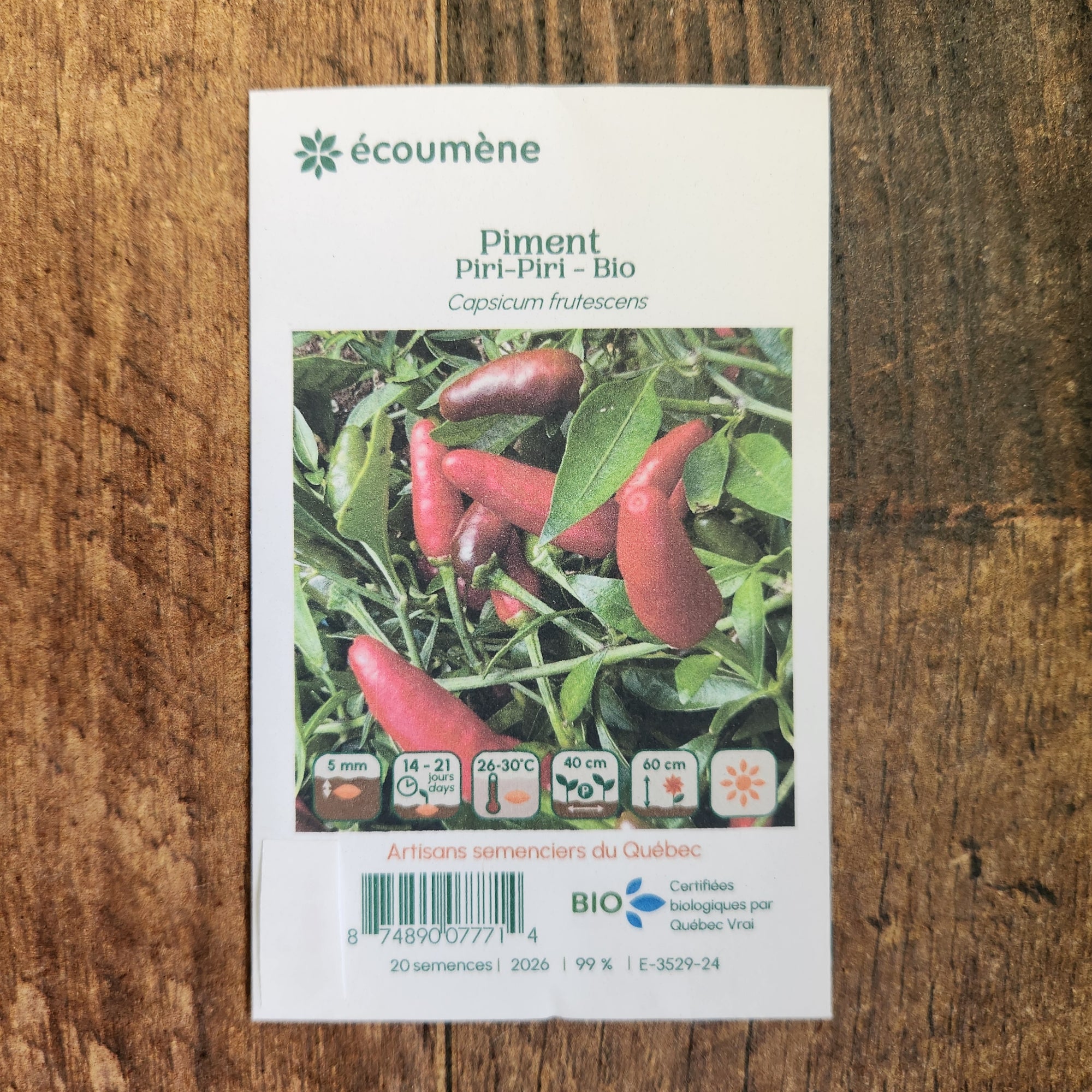
The 'Piri-Piri' hot pepper is an iconic variety with a compact, upright habit, known for its small, fiery red fruits that brighten the vegetable garden while promising intensely flavored harvests. In the garden, it captivates with its elegant silhouette, excellent productivity, and ability to thrive in the hottest, sunniest spots, where its fruits develop their full potency. Its small, discreet flowers attract pollinators, contributing to generous fruiting throughout the growing season. Thanks to its compact size, it easily finds its place both in the ground and in a large container on a sunny terrace, where it becomes both useful and decorative.
- Quantity
- About 20 seeds
- Exposure
- Sun
- Life cycle
- Annual
Discover the plant
Common nameChilli 'Piri-Piri'; Piri-Piri Chilli
FamilyNightshades
GenusBell pepper
Speciesfrutescens
CultivarPiri-Piri
TypeVegetable
Botanical nameCapsicum frutescens
Reproducible seedsYes
Heirloom varietyYes
‘Piri-Piri’ Hot Pepper (Capsicum frutescens). The ‘Piri-Piri’ hot pepper is an iconic variety with a compact, upright habit, renowned for its small, fiery red fruits that brighten the vegetable garden while promising intensely flavorful harvests. In the garden, it captivates with its elegant silhouette, high productivity, and ability to thrive in the hottest, sunniest spots, where its fruits develop their full potency. Its small, discreet flowers attract pollinators, contributing to generous fruiting throughout the growing season. Thanks to its compact size, it easily finds its place in the ground or in large containers on a sunny terrace, where it becomes both useful and decorative.
Recommended sowing period: February to April, indoors. The depth to respect is 0.5 to 1 cm (0.2 to 0.4 in). Germination usually takes 14 to 21 days. For germination, maintain the potting soil at 26 to 30 °C (79 to 86 °F). Young bell peppers and hot peppers appreciate stable warmth and abundant light after germination. Repot before the roots become crowded at the bottom of the cells, handling the root ball without pulling on the stem. Gradually acclimate the plants to sun and wind.
Piri-Piri peppers are used sparingly in spicy sauces. Chop a small portion of the fruit and incorporate it gradually, as the perceived heat varies depending on the harvest and your sensitivity. Place this warm-season crop in a sheltered part of the vegetable garden. An easily accessible row allows for observing the fruit’s coloring without roughly disturbing the stems. Pair it with moderately sized vegetables that will not shade it. The plants can also find a spot near a sunny terrace, where proximity facilitates small harvests for cooking. Its small, discreet flowers attract pollinators, contributing to generous fruiting throughout the growing season.

Sowing guide
It all startswith a seed.
Sowing depth
0.5 to 1 cm (0.2 to 0.4 in)
Germination temperature
26 to 30 °C (79 to 86 °F)
Germination time
14 to 21 days
Sowing period
February to April, indoors
Propagation
Sowing
Growing method
Recommended sowing period: February to April, indoors. The depth should be 0.5 to 1 cm (0.2 to 0.4 in). Germination usually takes 14 to 21 days. For germination, maintain the potting mix at 26 to 30 °C (79 to 86 °F). Young peppers and chili peppers appreciate stable warmth and abundant light after emergence. Repot before the roots become crowded at the bottom of the cells, handling the root ball without pulling on the stem. Gradually acclimate the plants to sun and wind. A drop in temperature slows their recovery: wait for favorable outdoor conditions rather than planting them in soil that is still cold. The weight of the fruit can spread the branches of the pepper or chili plant. A small support placed early limits breakage without requiring pruning. Check the underside of leaves when watering and remove damaged fruits. To harvest, cut the stem with secateurs: pulling on the fruit risks breaking off an entire branch. Handle hot peppers with gloves when cutting. The color of the fruit changes with maturity, but a bright color alone is not enough to determine its heat level.
Soil and care
The right care,at the right time.
Care level
Regular during establishment, then adapted to growing conditions
Watering
Regular
Soil type
Prepare rich, well-drained, and warmed soil. Young peppers and chilies thrive with stable warmth and abundant light after sprouting. Repot before the roots become crowded at the bottom of the cells, handling the root ball without pulling on the stem. Gradually acclimate the plants to sun and wind. A drop in temperature will slow their recovery: wait for favorable outdoor conditions rather than planting them in soil that is still cold.
Fertilization
Fertilization supports growth and takes into account the nutrients already present in the soil or potting mix. Use mature compost or a fertilizer suited to the crop, following the dosage instructions. Avoid using multiple products, especially in a container where roots occupy a limited volume. Water as needed after application and observe leaf development before re-fertilizing.
Moisture
Moist compost during germination, with no standing water; adjust thereafter to the crop
Seasonal care
Piri-Piri peppers are used sparingly in spicy sauces. Chop a small portion of the fruit and incorporate it gradually, as the perceived heat varies depending on the harvest and your sensitivity. Young bell peppers and chili peppers thrive in stable warmth and abundant light after germination. Repot before the roots become crowded at the bottom of the cells, handling the root ball without pulling on the stem. Acclimatize the plants gradually to sun and wind. A drop in temperature slows their recovery: wait for favorable outdoor conditions instead of planting them in soil that is still cold. The weight of the fruit can cause bell pepper or chili pepper branches to spread. A small support placed early on limits breakage without requiring pruning. Check the underside of the leaves when watering and remove damaged fruits. For harvesting, cut the stem with pruning shears: pulling on the fruit risks breaking off an entire branch. Hot peppers should be handled with gloves during cutting. The color of the fruit changes with its maturity, but a bright color alone is not enough to determine its heat level. Keep peppers identified during harvesting and preparation. Cut the fruits with a clean tool to protect the branches. A small amount of hot pepper should be added to the recipe gradually, tasting the preparation before continuing. The 'Piri-Piri' hot pepper is an emblematic variety with a compact, upright habit, renowned for its small, fiery red fruits that brighten the vegetable garden while promising intensely flavorful harvests.
Container growing
A garden,within reach.
Suitable for containers
Yes
Recommended pot size
Punctured and stable container, wide enough for the plant to spread out and deep enough for the roots
Choose this exposure: full sun. Space plants 40 cm (16 in) apart. When planting in a container, leave space between the root ball and the rim for slow watering. The saucer collects runoff but should not keep the roots submerged in water. A location sheltered from strong winds is best for fruit-laden branches. Move the container while the plant is still small; once fruits have formed, avoid moving it to prevent shaking the stems. Thanks to its compact size, it easily finds its place in the ground or in a large container on a sunny patio, where it becomes both useful and decorative. The 'Piri-Piri' hot pepper is an iconic variety with a compact, upright habit, known for its small, fiery red fruits that brighten the garden while promising intensely fragrant harvests. In the garden, it captivates with its elegant silhouette, excellent productivity, and ability to thrive in the hottest, sunniest spots, where its fruits develop their full potency. Its small, discreet flowers attract pollinators, contributing to generous fruiting throughout the growing season.
Bloom and dimensions
Its place,in your garden.
Mature height
60 cm (24 in)
Width / spread
40 cm (16 in)
Foliage type
Seasonal foliage
Growth habit
Erect, Compact
Bloom period
July to September
Fruiting
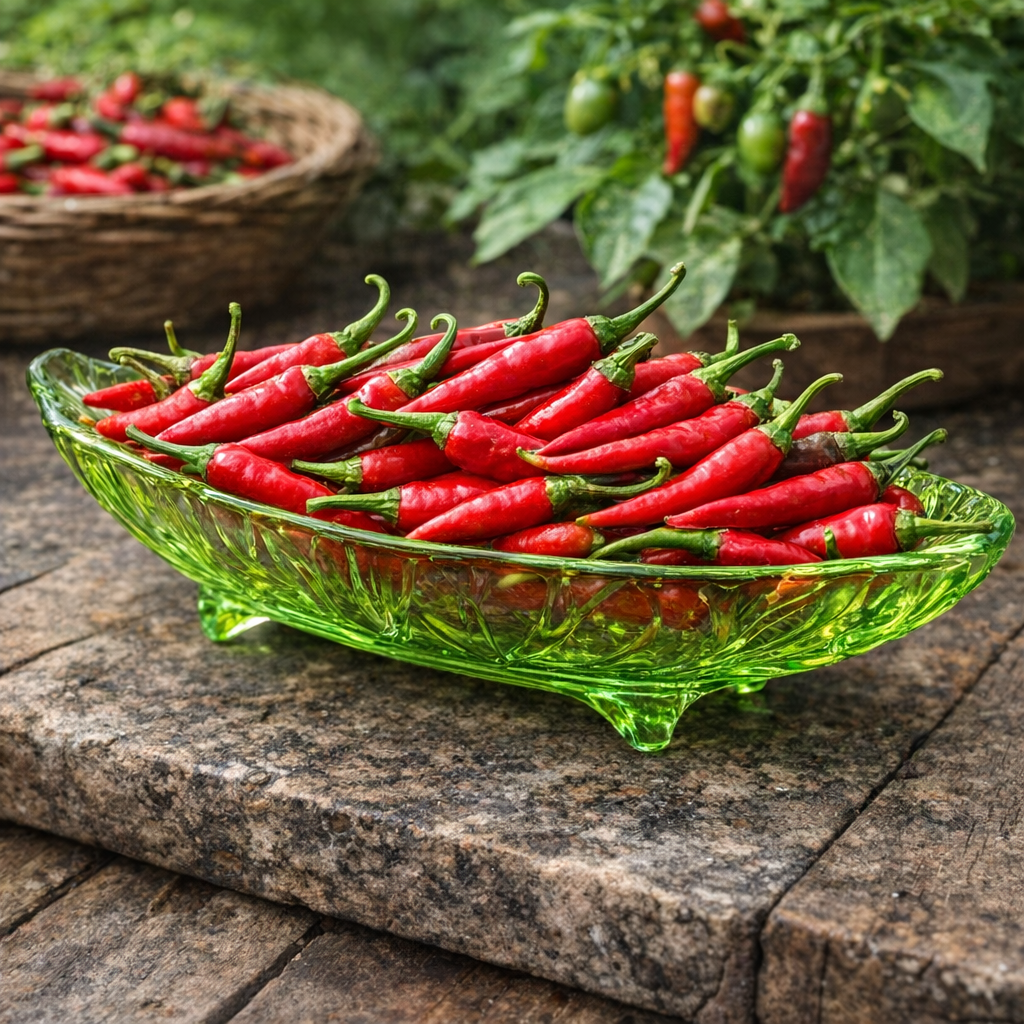
The ‘Piri-Piri’ hot pepper is an emblematic variety with a compact, upright habit, renowned for its small, fiery red fruits that brighten the vegetable garden while promising intensely fragrant harvests. Harvested when fully ripe, when it reaches an intense bright red, it can be used fresh, dried or ground to extend its flavors in cooking. The color of the fruit changes with its ripeness, but a bright color is not enough to know its strength.
Harvest
110 days after sowing
Garden associations
In goodcompany.
Companion plants
In a diversified plantation, you can dedicate adjacent sections to these plants: tomatoes, basil, onions. The combination here serves to organize space and harvests. Respect the height, light, and water needs of each plant, without overcrowding foliage. Maintain an aisle for watering and picking, then remove spent crops to free up space. This organization facilitates maintenance without promising protection against pests. Place this warm-season crop in a sheltered part of the garden.
Recipe idea
From the gardento your plate.
Edible parts
Ripe fruits
Hot Pepper ‘Piri-Piri’ Recipe Idea: Spicy fresh sauce for four servings. Chop 300g ripe tomatoes, half an onion, 15ml fresh cilantro, and 15ml lime juice. Add a very small portion of finely chopped harvested pepper first, then taste before adding more. Wear gloves when cutting hot peppers and avoid touching your eyes. Lightly salt and let sit for ten minutes. Serve in small quantities with cooked vegetables, rice, or tacos. Prepare ingredients with clean utensils and adjust the chop to the size of your harvest. This recipe highlights freshly picked parts: remove any damaged pieces before preparation. If you double the quantities, leave enough space in the dish to mix or cook evenly. Quickly place leftovers in the refrigerator in a closed container and consume within two days. For a meal for two, simply divide all quantities by two.
Frequently asked questions
Your questions,answered.
How to successfully sow 'Piri-Piri' hot pepper?
Recommended sowing period: February to April, indoors. Sow at a depth of 0.5 to 1 cm (0.2 to 0.4 in). Germination usually takes 14 to 21 days. For germination, maintain the potting mix at 26 to 30 °C (79 to 86 °F). Young peppers and chili peppers thrive with consistent warmth and abundant light after germination. Transplant before the roots become crowded at the bottom of the cells, handling the root ball carefully without pulling on the stem. Acclimate the plants gradually to sun and wind. A drop in temperature will slow their establishment: wait for favorable outdoor conditions rather than planting them in still-cold soil.
Can 'Piri-Piri' hot peppers be grown in pots?
Choose this exposure: sun. Reserve this spread around the plant: 40 cm (16 in). In a container, leave a space between the root ball and the rim for slow watering. The saucer collects runoff, but it should not keep the roots in water. A location protected from gusts is better suited for branches laden with fruit. Move the container while the plant is still small; once the fruits have formed, avoid movements that shake the stems. The 'Piri-Piri' hot pepper is an iconic variety with a compact and upright habit, known for its small, fiery red fruits that brighten the garden while promising intensely fragrant harvests.
When to harvest 'Piri-Piri' hot peppers?
The 'Piri-Piri' hot pepper is an emblematic variety with a compact, upright habit, renowned for its small, fiery red fruits that brighten the garden while promising intensely flavored harvests. Harvested when fully ripe, when it reaches an intense bright red, it can be used fresh, dried, or ground to extend its flavors in cooking. The color of the fruit changes with its ripeness, but a bright color is not enough to know its strength. Keep the peppers identified during harvesting and preparation. Cut the fruits with a clean tool to preserve the branches. A small amount of hot pepper is gradually added to the recipe, tasting the preparation before continuing.
How to enjoy Piri-Piri Pepper in the garden?
Piri-piri peppers should be used sparingly in spicy sauces. Finely chop a small amount of the fruit and add it gradually, as the perceived heat varies depending on the harvest and your personal sensitivity. The 'Piri-Piri' hot pepper is an iconic variety with a compact, upright habit, known for its fiery small red fruits that light up the vegetable patch while promising intensely flavorful harvests. In the garden, it is admired for its elegant silhouette, high productivity, and ability to thrive in the hottest and sunniest spots, where its fruits develop their full potency. Its small, discreet flowers attract pollinators, contributing to generous fruiting throughout the growing season. Thanks to its compact size, it easily finds its place in the ground or in large containers on a sunny terrace, where it is both useful and decorative.
How to organize a 'Piri-Piri' hot pepper planting?
Place this warm-season crop in a sheltered part of the vegetable garden. An easy-to-walk-around row allows you to observe the fruit's coloration without roughly pushing aside the stems. Pair it with moderately sized vegetables that won't shade it. The plants can also find a spot near a sunny patio, where their proximity makes it easy to harvest small quantities for cooking. The weight of the fruit can spread the branches of the pepper plant. A small support placed early on limits breakage without requiring pruning. Check the undersides of the leaves when watering and remove any damaged fruit.
For a great start to your seeds
The right extras.Right here.
Seed Starting Soil
Shop the collectionSeed starting supplies
Shop the collection