Sale
Sold out

Organic peach-fruited pepper
Solanaceae
Organic hot pepper seeds
Organic 'Sugar Rush Peach' hot pepper
Capsicum baccatum
Product code : BIOVO-0100
Organic Sugar Rush Peach produces elongated fruit that changes from green to peach, with crisp, juicy flesh and pronounced tropical fruitiness. Heat is generally moderate to high, but the selection's exact Scoville rating is not published. Each selection contains approximately 25 organic seeds. Germination takes 10–21 days at 24–30°C, followed by harvest around 95 days after transplanting. Anyone keeping seed should isolate blossoms from other peppers and label seed from healthy, true-to-type plants because open crossing can change later plants. A stake helps support long branches during ripening. Harvest with clean scissors and keep every batch clearly identified by date and colour. Promptly refrigerate sound fruit intended for cooking and wash it only immediately before use.
- Quantity
- Approximately 25 seeds per packet
- Exposure
- Full sun in a warm sheltered location
- Life cycle
- Annual vegetable in Canadian gardens
Discover the plant
Common nameSugar Rush Peach, tropical fruity peach pepper
FamilySolanaceae
GenusCapsicum
Speciesbaccatum
CultivarSugar Rush Peach
TypeOrganic peach-fruited pepper
Botanical nameCapsicum baccatum
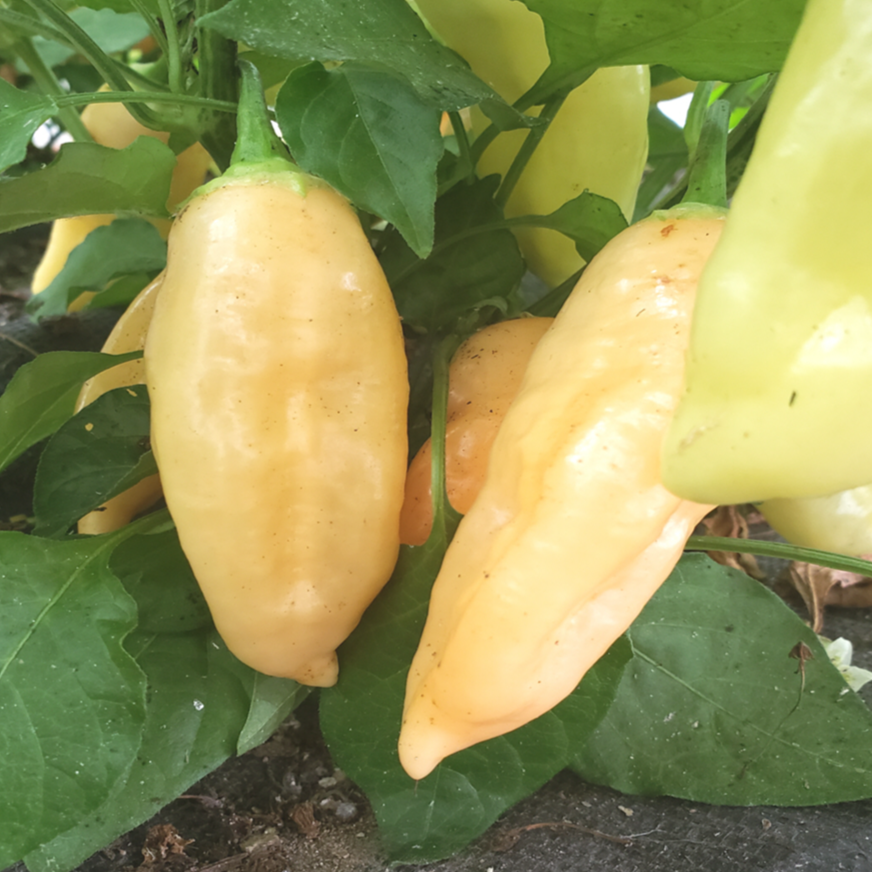
Organic 'Sugar Rush Peach' hot pepper (Capsicum baccatum) produces elongated fruit that changes from green to a luminous peach shade. Crisp, juicy flesh develops pronounced tropical sweetness followed by moderate to high heat that may vary. Each selection contains approximately 25 organic seeds. Plants reach 90–120 cm tall and spread approximately 40 cm. When saving seed, isolate flowers from other peppers and select healthy plants that match the cultivar, because crossing can alter the next generation. The selection's exact Scoville rating is not published. Handle every harvest cautiously until its heat has been assessed in a very small portion.
Sow indoors from February through April, approximately eight to ten weeks before the last frost, 0.5–1 cm deep. Maintain 24–30°C and even moisture; emergence generally requires 10–21 days. After germination, provide strong light for 14–16 hours daily. Pot up when roots fill the cell, then harden plants gradually for 7–10 days. Transplant only after frost into warm, fertile, well-drained soil in full sun. One plant fits a 15–25 L container; install a stake to support its long branches. Leave enough spacing around foliage for regular airflow and inspection. Protect young transplants from cold wind and water immediately after planting to settle the root ball.
Harvest begins approximately 95 days after transplanting, depending on conditions. Pick firm fruit once it reaches a nearly even peach colour without a substantial green area. Its tropical profile suits fresh sauces, salsas, pickles, and aromatic powders. For any fermentation or preserve, use a tested method and follow its proportions, temperature, and time exactly. Wear gloves, avoid touching the eyes, and taste a minute amount before adjusting a recipe. Promptly refrigerate sound fruit and discard anything soft, mouldy, split, damaged, or abnormal-smelling. Keep every harvest clearly labelled by date. Wash contacted knives, boards, gloves, and containers thoroughly after preparation.

Sowing guide
It all startswith a seed.
Sowing depth
Approximately 0.5 to 1 cm (¼ to ⅜ in)
Spacing / density
Approximately 40 cm (16 in) between plants and 45 to 60 cm (18 to 24 in) between rows
Germination temperature
24 to 30 °C (75 to 86 °F)
Germination time
10–21 days
Sowing period
Indoors, 8 to 10 weeks before the last frost
Propagation
Seed
Growing method
Growing 'Sugar Rush Peach' hot pepper from seed. Sow 0.5–1 cm deep in light mix eight to ten weeks before last frost. Use clean seed starting mix that drains freely, and never leave the tray saturated. Maintain 24–30°C and even moisture until emergence, then provide 14–16 hours of strong light. Pot up at several true leaves without deeply burying the stem. Harden for 7–10 days and transplant once soil is warm and nights remain above approximately 12°C. Space 40 cm apart, water immediately, stake if needed, and remove first flowers only if the plant remains very small. After emergence, place seedlings under strong light for 14–16 hours daily and keep them slightly cooler to encourage compact growth. Pot up when roots fill the cell, handling the root ball rather than the stem. Harden plants for 7–10 days, beginning in shade and shelter from wind, then gradually increasing exposure. Transplant only after frost when the soil has warmed. Leave enough spacing for air circulation, water at soil level, and install a small support if fruit-laden branches begin bending. Maintain steady moisture during flowering and fruit development without leaving roots saturated. Mulch only after the soil is warm, check leaf undersides regularly, and remove weeds while they are small. Harvest firm fruit with clean scissors instead of pulling on branches. Check each pepper seedling for a sturdy stem and healthy leaves before moving it outdoors.
Soil and care
The right care,at the right time.
Soil pH
Approximately 6.0 to 6.8
Care level
Moderate
Watering
The elongated fruit of 'Sugar Rush Peach' hot pepper develops most evenly when the plant receives steady moisture through flowering and fruit elongation. As 'Sugar Rush Peach' hot pepper's elongated fruit that changes from green to peach at maturity develops on a plant with vigorous bushy and productive growth, widen the wetted area with the expanding canopy and roots. 'Sugar Rush Peach' hot pepper is listed at approximately 95 days after transplanting; treat that as a planning reference and monitor moisture while later flowers and fruit are still developing.
Soil type
Sugar Rush Peach prefers warm, fertile, loose, well-drained soil with a slightly acidic to neutral pH. Incorporate mature compost before planting without burying the stem too deeply. Avoid compacted ground and locations where water remains after rain. In containers, use fresh, airy potting mix rather than garden soil. Consistent drainage supports roots throughout fruit development. A thin organic mulch may be added only after the soil has thoroughly warmed.
Fertilization
'Sugar Rush Peach' needs steady nutrition, not lush nitrogen-driven growth. Read the root zone before reaching for fertilizer. For 'Sugar Rush Peach' hot pepper, fruit development responds best once feeding becomes restrained. Split necessary feeding instead of using one strong dose. For Sugar Rush Peach, its branches should remain sturdy as fruit begins filling. Record plant response before repeating the treatment. Even moisture helps 'Sugar Rush Peach' use available nutrients consistently. Correct drainage and moisture before increasing fertility. Once 'Sugar Rush Peach' hot pepper buds, excessive nitrogen can delay fruiting.
Moisture
Consistent soil moisture without saturation; good air circulation around the foliage.
Seasonal care
Seasonal care for 'Sugar Rush Peach' hot pepper. In spring, start seed indoors from February through April and maintain 24–30°C until emergence. Provide strong light as soon as seedlings appear, pot up when roots fill their cells, and harden plants gradually for 7–10 days. Transplant only after the last frost when soil and nights are sufficiently mild. In early summer, water deeply at soil level when the surface begins to dry, then add a thin mulch layer after soil warms. Install a stake before long branches become loaded with fruit. During flowering, avoid excess nitrogen and inspect leaf undersides to detect aphids, whiteflies, or spider mites early. Harvest firm green fruit for a fresher flavour or wait for a nearly even peach shade. In late summer, protect the plant during cool nights and focus care on fruit already formed. Promptly refrigerate sound harvests and keep colour stages separate. Collected seed is not guaranteed true to the original plant. After frost, remove the plant, discard diseased residue, compost only healthy material, clean the stake, and record sowing, transplanting, and first-harvest dates. Store cleaned seed in a cool, dry, dark location with the variety name and harvest year clearly written. During heat waves, inspect container moisture morning and evening without keeping the mix saturated. Check ties as stems thicken, and remove only badly damaged leaves. Refrigerate culinary harvests promptly and wash peppers only immediately before use.
Container growing
A garden,within reach.
Recommended pot size
15–25 L per plant
Growing 'Sugar Rush Peach' hot pepper in containers. Grow one plant per deep, stable, well-drained 15–25 L container. Use rich, airy potting mix, water when the surface begins to dry, and avoid standing water. Place the pot in full sun in the warmest available location. Rotate it regularly for balanced growth and move it under protection as nights cool to help fruit finish ripening. Choose a stable pot with several drainage holes and fill it with rich, airy, fresh potting mix. Place only one plant in the centre to avoid excessive competition. Keep the container in full sun in the warmest available location, then rotate it regularly for balanced growth. Check moisture daily during hot periods; water slowly until drainage begins without leaving standing water in the saucer. A thin mulch layer may reduce evaporation once the mix has warmed. Support branches when needed and avoid late fertilizer applications that encourage new growth unlikely to ripen before cool nights arrive. Inspect leaf undersides weekly and respond early if aphids, whiteflies, or spider mites appear. Harvest firm fruit with clean scissors and temporarily move the container under protection when nights cool late in the season. Keep the area around drainage holes clear.
Bloom and dimensions
Its place,in your garden.
Mature height
Approximately 90 to 120 cm (36 to 48 in)
Width / spread
Approximately 40 cm (16 in)
Flower color
White
Foliage color
Green
Foliage type
Simple herbaceous foliage
Growth rate
Moderate to fast in warm conditions
Growth habit
Vigorous bushy and productive
Bloom period
For 'Sugar Rush Peach', those self-fertile blossoms precede fruit development. Avoid spraying while beneficial insects are working. 'Sugar Rush Peach' hot pepper opens small flowers where leaves meet its stems. Support stems before the developing harvest adds weight. For Sugar Rush Peach, its flowering branches may shed buds during environmental stress. Check moisture before blaming poor set on fertility. Gentle air movement helps 'Sugar Rush Peach' release pollen. Stable growth matters more than forcing extra bloom. 'Sugar Rush Peach' hot pepper may also receive pollen-moving visits from insects. Secure Sugar Rush Peach before fruit weighs down flowering branches.
Fruiting
Plants bear elongated fruit that changes from green to peach. Harvest it firm, well developed, and nearly evenly coloured. A substantial green area generally indicates that ripening is continuing. Clip stems with clean scissors, wear gloves, promptly refrigerate sound fruit, and remove anything soft, mouldy, split, damaged, or abnormal-smelling. Harvest regularly to support continuing production until cool nights return. Keep green and peach batches separated and clearly labelled by date.
Days to maturity
Approximately 95 days after transplanting
Harvest
Approximately 95 days after transplanting; harvest firm peach fruit
Garden associations
In goodcompany.
Companion plants
Keep herbs in neighbouring pots beside container-grown 'Sugar Rush Peach' so each root system can be watered separately. Keep the centre of the pepper canopy open rather than pressing tomato or pepper foliage against it. When arranging neighbours for 'Sugar Rush Peach', match irrigation to each root zone instead of watering the entire combination by habit. Remove any neighbour that begins competing for light, moisture, airflow, or harvest access. Rotate 'Sugar Rush Peach' hot pepper with crops outside the nightshade family; nearby herbs do not interrupt a soil-borne disease cycle. When arranging neighbours for 'Sugar Rush Peach' hot pepper, keep access open to the elongated fruit that changes from green to peach at maturity so gloves, labels, and clean harvest containers can be used without brushing other crops.
Plants to avoid
Beans and fennel may be less favorable near peppers. Proper crop rotation also helps to limit disease and pest problems.
Recipe idea
From the gardento your plate.
Edible parts
Fruit
'Sugar Rush Peach' hot pepper in the kitchen. Refrigerator-pickled Sugar Rush Peach — Wash 250 g of firm fruit, remove damaged areas, and slice with clean utensils. Place it in a clean, heat-resistant container. Bring 250 ml vinegar clearly labelled 5% acidity, 125 ml water, and 5 ml salt to a boil. Pour the hot brine over the fruit to cover it, cool for no longer than two hours at room temperature, close, and refrigerate immediately. Wait at least 24 hours before tasting. Always use a clean utensil and keep fruit submerged. Discard the preparation if mould, unusual gas, slimy texture, or an abnormal odour appears. This recipe is intended only for refrigeration; it does not replace a tested recipe for room-temperature canning. Adjust herbs and spices to taste without reducing the proportion of vinegar. Write the preparation date on the container and use a clean utensil every time the jar is opened. Keep the peppers submerged in brine, and discard the entire batch if its seal, appearance, texture, or odour becomes questionable.
Frequently asked questions
Your questions,answered.
When should Sugar Rush Peach be sown in Canada?
Start Sugar Rush Peach indoors for Canadian gardens, since the crop takes approximately 95 days after transplanting. Sow seed about 0.5 to 1 cm (¼ to ⅜ in) deep and keep the germination area at 24 to 30 °C (75 to 86 °F). Allow 10 to 21 days for emergence. Once seedlings appear, provide strong light and steady moisture without waterlogging the mix. Pot them on as required, and harden plants gradually before setting them outside. Wait until frost danger has ended and nights are warm. Space plants around 40 cm apart, with 45 to 60 cm between rows for access, or give one plant a 15–25 L container. This vigorous Capsicum baccatum can reach roughly 90 to 120 cm, so protect young transplants from cold and reserve enough growing room from the outset.
Is Sugar Rush Peach very hot?
Sugar Rush Peach heat is generally described as moderate to high, but it varies with fruit, maturity, and growing conditions. Pronounced tropical sweetness often appears before the heat. Because no exact Scoville rating is published for this selection, taste a minute amount first, then gradually increase the quantity in your recipe. Wear gloves, avoid touching the eyes or face, and thoroughly wash knives, boards, and containers after preparation. Keep harvests from different dates separate so their intensity can be compared. Promptly refrigerate cut fruit in a clean covered container. Discard anything that becomes soft, mouldy, slimy, or unusually odorous before preparation. Keep every batch labelled by harvest date and colour, and never serve an unidentified hot preparation.
How can ripe Sugar Rush Peach fruit be recognized?
Fruit changes from green to peach and its colour gradually stops evolving. Harvest once it is firm, well developed, and nearly evenly peach without necessarily waiting for pure white. Compare several peppers on the same plant because final shade may vary with light and exposure. Clip the stem with clean scissors rather than pulling on the branch. Promptly refrigerate sound fruit and discard anything soft, mouldy, split, wet around a lesion, damaged, or abnormal-smelling. Keep harvests of different colours in separate, clearly labelled containers to compare their texture, maturity, and flavour. Wash only immediately before use and refrigerate cut fruit promptly.
Can Sugar Rush Peach be grown in a container?
Sugar Rush Peach is suitable for a container when each plant receives 15–25 L of root space. Use a pot that drains freely and is heavy enough to remain stable beneath a vigorous, bushy plant approximately 90 to 120 cm tall. One plant per container prevents crowding; keep neighbouring pots far enough apart for light and air movement. Transplant only after frost danger has passed, and monitor moisture frequently because pots can dry quickly in summer. Water the root zone thoroughly, allow excess water to escape, and never leave the container sitting in water. The crop is listed at about 95 days after transplanting. Watch the elongated fruit change from green to peach at maturity. A stake or other support can protect fruiting branches, while accessible placement makes cautious hot-pepper harvest easier.
When should Sugar Rush Peach be harvested?
Harvest begins approximately 95 days after transplanting. Pick once fruit is firm, well formed, and has changed from green to a nearly even peach shade without a substantial green area. Harvest regularly to support production and promptly refrigerate sound fruit. When nights cool, protect the plant or move its container under shelter to help already formed fruit finish colouring. Use this crop-specific harvest cue—Approximately 95 days after transplanting—and compare colour, firmness, and flavour from several sound fruit rather than relying on the calendar alone. Record the stage preferred for 'Sugar Rush Peach', clip instead of pulling where stems resist, and refrigerate damaged or cut produce promptly.
Wildlife and pets
Life,around your plants.
Supporting wildlife
Sugar Rush Peach flowers can pollinate themselves, with wind and vibration assisting pollen release. Bees sometimes visit, yet the peach-coloured harvest is not dependent on them and the cultivar has no proven special pollinator benefit. Leave active blooms untreated, then support insects more effectively with a succession of accessible flowers beside the pepper planting.
For a great start to your seeds
The right extras.Right here.
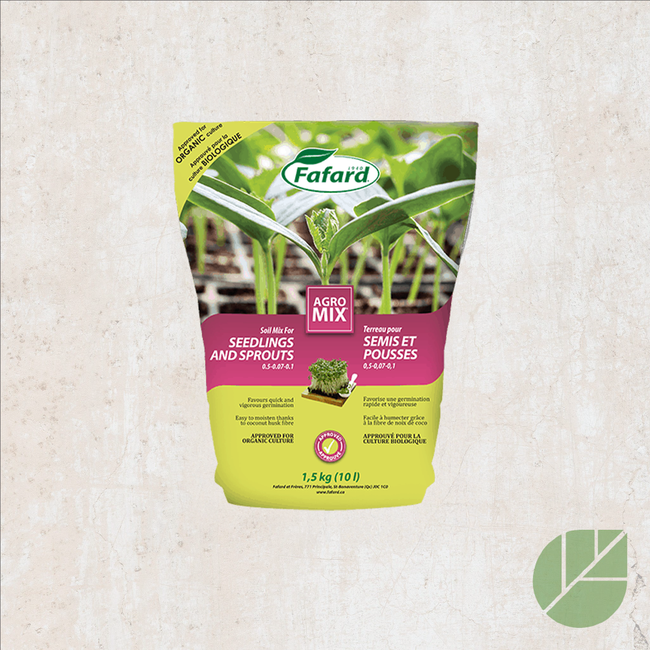
Seed Starting Soil
Shop the collectionSeed starting supplies
Shop the collection