

Sale
Sold out

Vegetable
Amaryllidaceae
Organic seeds
'Bleu de Solaise' Leek
Allium ampeloprasum var. porrum
Product code : JAREC-0187
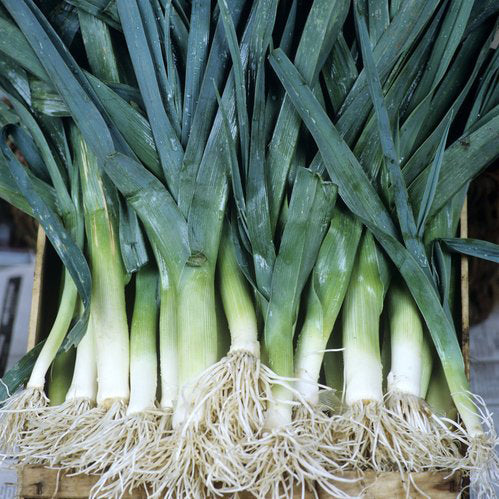
The 'Bleu de Solaise' Leek is a remarkable variety that brings an elegant presence and great reliability to the vegetable garden, especially as temperatures drop. Its bluish-green foliage, which takes on purplish hues in cold weather, offers a subtle and refined display while announcing exceptional hardiness. Highly prized for its well-developed shaft and its mild, slightly sweet flavor, it naturally finds its place in generous cuisine, from winter soups to stews and more refined preparations. In the garden, it stands out for its ability to extend the harvesting season, offering a fresh resource from early autumn until late winter.
- Quantity
- About 100 seeds
- Exposure
- Sun
- Life cycle
- Biennial
Discover the plant
Common nameLeek 'Bleu de Solaise'
FamilyAmaryllidaceae
GenusGarlic
Specieswild leek
CultivarSolaise Blue
TypeVegetable
Botanical nameAllium ampeloprasum var. porrum
Reproducible seedsYes
Heirloom varietyYes
‘Bleu de Solaise’ Leek (Allium ampeloprasum var. porrum). The ‘Bleu de Solaise’ leek is a remarkable variety that brings an elegant presence and great reliability to the vegetable garden, especially as temperatures cool. Its bluish-green foliage, which takes on purplish hues in cold weather, offers a subtle and refined spectacle while signaling exceptional hardiness. Highly prized for its well-developed shaft and mild, slightly sweet flavor, it naturally finds its place in hearty cuisine, from winter soups to stews and more refined preparations.
Recommended sowing period: March to April. The depth to respect is 1 cm (3/8 in). Emergence generally takes 10 to 20 days. For germination, maintain the potting mix at 15 to 21 °C (59 to 70 °F). Keep onion, leek, or shallot seedlings well-identified, as their young foliage looks similar. Sufficient light and regular moisture accompany seedling growth. Transplant delicately when the type of crop requires it, without crushing the base of the leaves. In the garden, prepare a surface that is easy to weed: these narrow plants cover little ground at the beginning of their development.
In the garden, it stands out for its ability to extend the harvesting season, providing a fresh resource from early autumn until late winter. Rows of onions and leeks are suitable for areas of the vegetable garden where one can work without walking between plants. Their vertical silhouette can border a more sprawling crop, provided the foliage receives light. Identify varieties to be bundled and those to be bulbous to choose the right harvesting stage. Keep the row accessible for weeding until the plants are well established.

Sowing guide
It all startswith a seed.
Sowing depth
1 cm (3/8 in)
Germination temperature
15 to 21 °C (59 to 70 °F)
Germination time
10 to 20 days
Sowing period
March to April
Propagation
Sowing
Growing method
Recommended sowing period: March to April. Sow at a depth of 1 cm (3/8 in). Germination usually takes 10 to 20 days. For germination, maintain the potting mix at 15 to 21 °C (59 to 70 °F). Keep onion, leek, or shallot seedlings well-labeled, as their young foliage looks similar. Sufficient light and regular moisture promote seedling growth. Transplant carefully when the type of crop requires it, without crushing the base of the leaves. In the garden, prepare a surface that is easy to weed: these narrow plants cover little ground early in their development. Weed regularly around alliums, working shallowly. Their fine foliage does not quickly protect the soil from competition. Observe the desired part at harvest: tender stem, aromatic leaves, or mature bulb. For storage bulbs, the harvest stage and drying are as important as the size. Handle the bases carefully to minimize damage before cooking or storage. Green onions and storage onions are not harvested at the same stage. For storage bulbs, wait for signs of maturation and dry the harvest in a well-ventilated place.
Soil and care
The right care,at the right time.
Care level
Regular during establishment, then adapted to growing conditions
Watering
Regular
Soil type
Fertile and well-drained
Fertilization
Fertilization supports growth and takes into account nutrients already present in the soil or potting mix. Use mature compost or a fertilizer suited to the crop, following the dosage instructions. Avoid using multiple products, especially in a container where roots occupy a limited volume. Water as needed after application and observe foliage development before re-fertilizing.
Moisture
Moist soil during germination, without standing water; then adjust to the crop
Seasonal care
In the garden, it stands out for its ability to extend the harvesting season, providing a fresh resource from early autumn until late winter. Keep onion, leek, or shallot seedlings well-identified, as their young foliage looks similar. Sufficient light and regular moisture accompany seedling growth. Transplant delicately when the type of crop requires it, without crushing the base of the leaves. In the garden, prepare a surface that is easy to weed: these narrow plants cover little of the soil during their early development. Weed regularly around alliums, working shallowly. The fine foliage does not quickly protect the soil from competition. Observe the part desired for harvest: tender shaft, aromatic leaves, or mature bulb. For storage bulbs, the harvest stage and drying are as important as the size. Handle the bases carefully to limit damage before cooking or storing. Green onions and storage onions are not harvested at the same stage. For storage bulbs, wait for signs of maturation and dry the harvest in a well-ventilated area. For tender shafts, harvest progressively as needed. Loose soil makes it easier to remove plants without damaging the consumed part. Highly appreciated for its well-developed shaft and its mild, slightly sweet flavor, it naturally finds its place in generous cuisine, from winter soups to stews and more refined preparations.
Container growing
A garden,within reach.
Suitable for containers
Yes
Recommended pot size
Punctured and stable container, wide enough for the plant to spread out and deep enough for the roots
Choose full sun exposure. Reserve a 4- to 6-inch (10 to 15 cm) spread around the plant. Alliums should be placed in a container according to the part being harvested. Leaves or young stems allow for close harvesting, while bulbs need their final space to grow. Space plants regularly and maintain loose soil. Avoid watering that erodes around the base. To harvest, gently lift the root ball rather than pulling abruptly on the foliage. Leek 'Bleu de Solaise' is a remarkable variety that brings an elegant presence and great reliability to the vegetable garden, especially as temperatures cool. Its bluish-green foliage, which takes on purplish hues in cold weather, offers a subtle and refined spectacle while signaling exceptional hardiness. Highly valued for its well-developed stem and its mild, slightly sweet flavor, it naturally finds its place in generous cuisine, from winter soups to stews and more refined preparations. In the garden, it stands out for its ability to extend the harvest season, offering a fresh resource from early autumn until late winter.

Bloom and dimensions
Its place,in your garden.
Mature height
12 to 20 in. (30 to 50 cm)
Width / spread
4 to 6 in (10 to 15 cm)
Foliage type
Seasonal foliage
Growth habit
Drawn up
Bloom period
2nd-year summer
Fruiting
Highly prized for its well-developed stalk and its mild, slightly sweet flavor, it naturally finds its place in generous cuisine, from winter soups to stews and more refined preparations. In the garden, it stands out for its ability to extend the harvesting season, offering a fresh resource from early autumn until late winter.
Harvest
September to March
Garden associations
In goodcompany.
Companion plants
In a diversified planting, you can reserve neighboring sections for these plants: carrots, celery, cabbage, strawberries. The association here serves to organize space and harvests. Respect the height, light, and water needs of each plant, without crowding the foliage. Maintain an aisle for watering and picking, then remove finished crops to free up space. This organization facilitates maintenance without promising protection against pests. Rows of onions and leeks are suitable for garden areas where you can work without walking between plants.
Recipe idea
From the gardento your plate.
Edible parts
Bulbs, stems and leaves according to type
Leek 'Bleu de Solaise' kitchen idea: onion fondue for four servings. Prepare 500g of the harvested, cleaned, and thinly sliced leek, then sauté it in 15ml of olive oil over medium heat. Add 30ml of water, cover, and continue cooking gently until tender. Young stalks cook faster than well-developed bulbs. Stir regularly and add a little water if it sticks to the bottom. Season with salt and pepper and serve on toast or as a side dish with roasted vegetables. Prepare the ingredients with clean utensils and adapt the cutting to the size of your harvest. This recipe highlights freshly picked parts: remove damaged pieces before preparation. If you double the quantities, ensure there is enough space in the dish for mixing or even cooking. Refrigerate leftovers promptly in a sealed container and consume within two days. For a two-person meal, simply divide all quantities by two.
Frequently asked questions
Your questions,answered.
How to successfully sow 'Bleu de Solaise' leek?
Recommended sowing period: March to April. The depth to respect is 1 cm (3/8 in). Germination usually takes 10 to 20 days. For germination, maintain the soil at 15 to 21 °C (59 to 70 °F). Keep onion, leek, or shallot seedlings well identified, as their young foliage is similar. Sufficient light and regular moisture accompany seedling growth. Transplant delicately when the type of crop requires it, without crushing the base of the leaves. In the garden, prepare a surface that is easy to weed: these narrow plants cover little of the soil at the beginning of their development.
Can you grow 'Bleu de Solaise' leeks in pots?
Choose this exposure: sun. Reserve this spacing around the plant: 10 to 15 cm (4 to 6 in). Alliums are placed in a container according to the part harvested. Leaves or young stems allow for frequent harvests, while bulbs need their final place to grow. Distribute the plants regularly and maintain loose soil. Avoid watering that creates depressions around the base. To harvest, gently lift the root ball rather than pulling abruptly on the foliage. The 'Bleu de Solaise' Leek is a remarkable variety that brings an elegant presence and great reliability to the vegetable garden, especially as temperatures cool.
When to harvest 'Bleu de Solaise' Leek?
Highly prized for its well-developed shaft and mildly sweet flavor, it naturally finds its place in hearty cuisine, from winter soups to stews and more refined dishes. In the garden, it stands out for its ability to extend the harvest season, providing a fresh resource from early autumn until late winter. Green onions and storage onions are not harvested at the same stage. For storage bulbs, wait for signs of maturity and dry the harvest in a well-ventilated area. For tender shafts, harvest gradually as needed.
What makes 'Bleu de Solaise' leek stand out in the garden?
The 'Bleu de Solaise' leek is a remarkable variety that brings an elegant presence and great reliability to the vegetable garden, especially as temperatures cool. Its bluish-green foliage, which takes on purplish hues in cold weather, offers a subtle and refined spectacle while hinting at exceptional hardiness. Much appreciated for its well-developed shaft and its mild, slightly sweet flavor, it naturally finds its place in generous cooking, from winter soups to stews and more delicate preparations. In the garden, it stands out for its ability to extend the harvesting season, providing a fresh resource from early autumn until late winter.
How to plant 'Bleu de Solaise' leeks?
Onion and leek rows are suitable for areas of the vegetable garden where you can work without stepping between plants. Their vertical habit can border a more spreading crop, provided the foliage receives adequate light. Identify varieties for bunching and those for bulbs to choose the correct harvest stage. Keep the row accessible for weeding until the plants are well established. Weed regularly around alliums, working shallowly. Their fine foliage does not quickly protect the soil from competition. Observe the part desired at harvest: tender stem, aromatic leaves, or mature bulb.
For a great start to your seeds
The right extras.Right here.
Platters, pots and domes
Shop the collection
Seed Starting Soil
Shop the collectionSeed starting supplies
Shop the collection




