Sale
Sold out

Organic open-pollinated sweet bell pepper
Solanaceae
Organic sweet pepper seeds
Organic red 'Yankee Bell' pepper
Capsicum annuum
Product code : BIOVO-0115
Organic Yankee Bell is an open-pollinated sweet bell pepper adapted to northern seasons. Each selection contains approximately 10 organic seeds. Plants reach 60–75 cm tall and spread about 40 cm. Germination takes 7–14 days at 24–30°C. Harvest green after approximately 60 days, or wait 80 days for uniform red colour and greater sweetness. Grow in full sun in fertile, well-drained soil or in a 15–20 L container. A light stake supports loaded branches, and regular picking makes it easy to compare crisp green texture with sweeter red maturity. In this overview, inspect Organic red 'Yankee Bell' pepper regularly and adjust care to its actual stage of growth.
- Quantity
- Approximately 10 organic seeds per packet
- Exposure
- Sun
- Life cycle
- Frost-tender perennial, usually grown as an annual in Canada
Discover the plant
Common nameYankee Bell, early red sweet bell pepper
FamilySolanaceae
GenusCapsicum
Speciesannuum
CultivarYankee Bell
TypeOrganic open-pollinated sweet bell pepper
Botanical nameCapsicum annuum
Reproducible seedsYes
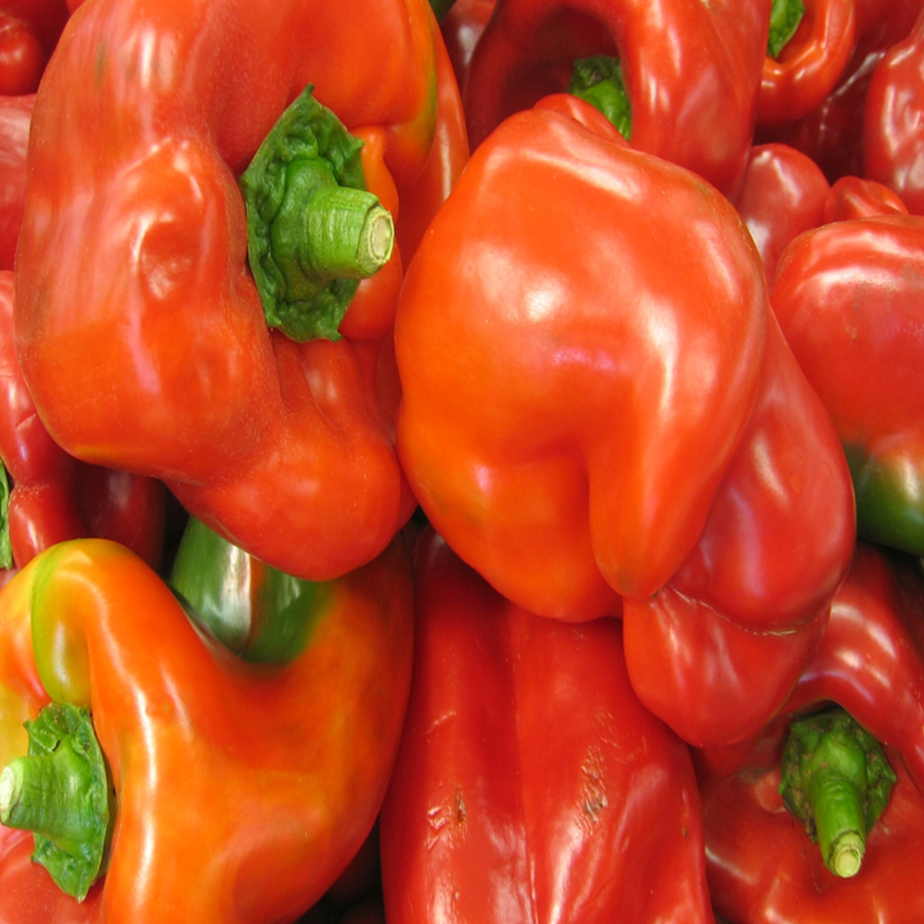
Organic red 'Yankee Bell' pepper (Capsicum annuum) is an open-pollinated sweet bell pepper bred for northern growers. Medium, blocky, fleshy, three- or four-lobed fruit ripens from green to red. It offers crisp texture when green, followed by greater sweetness and fruitiness at red maturity. Created by Rob Johnston Jr., this modern selection combines an early harvest with a compact plant habit. Each selection contains approximately 10 organic open-pollinated seeds. Plants generally reach 60–75 cm tall and spread about 40 cm. Its early green harvest and compact shape suit short-season gardens and containers.
Sow indoors from February through April, approximately eight to ten weeks before the last frost, 0.5–1 cm deep. Maintain 24–30°C and even moisture; emergence generally takes 7–14 days. After germination, provide strong light for 14–16 hours daily. Pot up when roots fill the cell, then harden plants gradually for 7–10 days. Transplant only after frost into warm, fertile, well-drained soil in full sun. Maintain even moisture during flowering and fruit development. One plant fits a 15–20 L container, and a light stake supports loaded branches. Protect young transplants from cold wind and water immediately after planting.
Harvest green fruit after approximately 60 days for firm texture and vegetal flavour, or wait about 80 days and uniform red colour for greater sweetness. Enjoy it fresh, stuffed, sautéed, grilled, roasted, or made into sauce. Clip stems with clean scissors and harvest regularly. Promptly refrigerate cut or cooked peppers. For any shelf-stable preserve, choose a tested recipe and follow its acidity, proportions, and processing exactly. Discard anything soft, mouldy, deeply split, damaged, or abnormal-smelling. Keep green and red harvests separately labelled when comparing texture and flavour. Regular picking also lightens branches and supports continued fruit development.

Sowing guide
It all startswith a seed.
Sowing depth
Approximately 0.5 to 1 cm (¼ to ⅜ in)
Spacing / density
approximately 40 cm between plants; rows spaced for easy access
Germination temperature
24 to 30 °C (75 to 86 °F)
Germination time
Approximately 7–14 days
Sowing period
Indoors, 8 to 10 weeks before the last frost
Propagation
Seed
Growing method
Growing 'Yankee Bell' pepper from seed. Sow indoors eight to ten weeks before the last frost, 5 or 6 mm (1/4 in) deep in clean, lightly moist starting mix. Maintain approximately 24 to 30°C (75 to 85°F) until emergence without saturating the medium. Start seed with steady warmth, then reduce excess moisture once seedlings emerge. A pepper seedling needs strong light, gentle airflow, and an evenly moist root zone without standing water. As soon as seedlings appear, provide intense light for a long daily period and maintain good air circulation. Pot on when plants are sturdy enough, then fertilize very lightly. About one week before transplanting, gradually expose plants to outdoor sun, wind, and temperatures. Set them out after frost danger in warmed, fertile, well-drained soil in full sun. Space plants approximately 40 cm (16 in) apart. Water deeply when the surface begins to dry and apply mulch after soil has warmed. Avoid excess nitrogen, which promotes leaves at the expense of fruit. A small stake supports loaded branches. Harvest green peppers or wait for full red colour, then continue picking regularly until autumn cooling. Monitor aphids and spider mites, especially under cover, and begin with suitable cultural controls. Check leaf undersides, remove badly damaged material, and clean tools before moving between plants. Keep the original label through any seed harvest, and verify the crop-specific isolation distance before flowering begins. Record the transplant date and the first green and red harvests so next year's indoor sowing can be adjusted to local conditions.
Soil and care
The right care,at the right time.
Soil pH
Approximately 6.0 to 6.8
Care level
Moderate
Watering
Red 'Yankee Bell' pepper builds fleshy fruit, making consistent root-zone moisture especially useful from bloom through harvest. As red 'Yankee Bell' pepper's medium, blocky, fleshy, three- or four-lobed fruit; green then red develops on a plant with compact, upright, and branching growth, widen the wetted area with the expanding canopy and roots. Red 'Yankee Bell' pepper is listed at approximately 60 days for green fruit, 80 days for red fruit after transplanting; treat that as a planning reference and monitor moisture while later flowers and fruit are still developing.
Soil type
A fertile loam with reliable drainage suits the fleshy fruit and branching habit of red 'Yankee Bell' pepper. Give red 'Yankee Bell' pepper's compact, upright, and branching growth enough uncompacted root area to carry medium, blocky, fleshy, three- or four-lobed fruit; green then red. With red 'Yankee Bell' pepper's harvest listed as approximately 60 days for green fruit, 80 days for red fruit after transplanting, keep its soil open and workable through the full production period. Before planting red 'Yankee Bell' pepper, incorporate mature compost and break compacted layers instead of creating a rich, wet pocket around the crown.
Fertilization
Once 'Yankee Bell' buds, excessive nitrogen can delay fruiting. Use mature compost as a gentle fertility foundation. red 'Yankee Bell' pepper needs steady nutrition, not lush nitrogen-driven growth. Keep concentrated product away from stems and crowns. For Yankee Bell, fruit development responds best once feeding becomes restrained. Review growth stage before scheduling the next feeding. For 'Yankee Bell', its branches should remain sturdy as fruit begins filling. Use mature compost as a gentle fertility foundation. Even moisture helps red 'Yankee Bell' pepper use available nutrients consistently.
Moisture
Consistent soil moisture without saturation; good air circulation around the foliage.
Seasonal care
Seasonal care for 'Yankee Bell' pepper. In late winter, sow indoors eight to ten weeks before the last frost and maintain steady warmth until emergence. In early spring, place seedlings under intense light, pot them on, and begin very light feeding only after establishment. As days become mild, harden plants gradually, then wait for warm soil and stable nights before transplanting. In early summer, water deeply when the surface dries, remove weeds, and apply mulch once soil is warm. Install a stake before branches become loaded. During flowering, avoid excess nitrogen and maintain even moisture. In summer, monitor pests, remove genuinely diseased leaves, and pick firm fruit at either green or red stage. In containers, check water daily during hot periods. In late summer, continue harvesting to support ripening of remaining peppers. Before the first cold nights, gather usable fruit or temporarily protect a container. After the season, remove diseased debris, clean tools, and rotate with crops outside the nightshade family. During prolonged rain, improve airflow and avoid unnecessarily wetting foliage. Remove damaged fruit promptly. Record first harvest dates and the plant response to watering so next year's culture can be adjusted. Do not compost clearly diseased tissue unless the system reliably destroys plant pathogens. Store unused seed in a cool, dry, clearly labelled place. Review these notes before ordering seed and planning the next indoor sowing date.
Container growing
A garden,within reach.
Recommended pot size
15–20 L per plant
Growing 'Yankee Bell' pepper in containers. Choose a stable container of at least 15 to 20 L, approximately 30 to 35 cm (12 to 14 in) in diameter, with several drainage holes. Fill it with airy vegetable potting mix amended with a moderate amount of compost. Install a small stake at planting so roots are not damaged later. Place the pot in full sun in the warmest sheltered part of the patio. Water slowly until excess drains, then wait until the surface begins to dry before watering again. Check moisture daily during heat waves and never leave water standing in the saucer. After fruit set, use vegetable fertilizer at the labelled rate without multiplying applications. Rotate the pot when light comes mainly from one side. Pick firm green or red fruit regularly to lighten branches and support production. When nights cool, move the container temporarily to a bright protected place without treating the plant as cold hardy. Clean the container and tools at season's end. Label the container and keep fruit beyond the reach of young children and keep a visible label to track the variety. During prolonged rain, shelter the pot enough to prevent waterlogging while preserving light and airflow.
Bloom and dimensions
Its place,in your garden.
Mature height
Approximately 60 to 75 cm (24 to 30 in)
Width / spread
Approximately 40 cm (16 in)
Flower color
White to greenish white
Foliage color
Green
Foliage type
Herbaceous
Growth rate
Fast
Growth habit
Compact, upright, and branching
Bloom period
For 'Yankee Bell', those self-fertile blossoms precede fruit development. Avoid strong nitrogen feeding once buds appear. Gentle air movement helps red 'Yankee Bell' pepper release pollen. Water at soil level while flowers remain open. Yankee Bell opens small flowers where leaves meet its stems. Maintain airflow without repeatedly wetting the blossoms. Secure 'Yankee Bell' before fruit weighs down flowering branches. Water at soil level while flowers remain open. red 'Yankee Bell' pepper may also receive pollen-moving visits from insects. For Yankee Bell, its flowering branches may shed buds during environmental stress.
Fruiting
Plants bear medium, blocky, fleshy, and three- or four-lobed fruit that changes from green to red. Harvest it firm, fully developed, and glossy. The green stage offers a more vegetal flavour, while red brings greater sweetness. Clip stems with clean scissors, promptly refrigerate sound fruit, and remove anything soft, mouldy, deeply split, damaged, or abnormal-smelling. Harvest regularly to support continuing production and keep green and deep-red batches separately labelled by date.
Days to maturity
Approximately 60 days for green fruit; 80 days for red fruit after transplanting
Harvest
Approximately 60 days for green fruit and 80 days for red fruit

Garden associations
In goodcompany.
Companion plants
Pair Yankee Bell with lower plants that will not shade it, such as basil, parsley, oregano, chives, nasturtium, or marigold. These combinations diversify the bed but do not replace proper spacing or pest monitoring. Avoid crowding foliage against tomatoes or other peppers. Maintain airflow, water at soil level, and rotate with unrelated crops the following season. In a container, grow one Yankee Bell plant and keep herbs in neighbouring pots to preserve root space and simplify watering. Companion planting does not prevent disease, so continue inspecting foliage and rotating nightshade crops.
Plants to avoid
Bean, fennel
Recipe idea
From the gardento your plate.
Edible parts
Fruit, after appropriate culinary preparation
'Yankee Bell' pepper in the kitchen. Stuffed Yankee Bell peppers — Halve four firm fruit lengthwise and remove the seeds. Combine 250 g cooked rice, 150 g diced tomatoes, 80 g grated cheese, and a handful of fresh herbs. Divide the filling among the halves, place them in a lightly oiled dish, and bake at 190°C for 25–30 minutes until peppers are tender and filling is hot. Serve immediately with salad or grilled vegetables. Place leftovers in a clean shallow container and refrigerate within two hours. Use within three days. Discard the preparation if it develops slimy texture, mould, or an unusual odour. This recipe is not a canning method. Use clean utensils and confirm that the centre of the filling is hot before serving. For comparison, combine green and red halves in the same dish and keep their positions clearly identified. Serve the finished peppers hot and use clean utensils for every portion. Label refrigerated leftovers with the preparation date.
Frequently asked questions
Your questions,answered.
When should Yankee Bell pepper be sown in Canada?
Sow Yankee Bell indoors eight to ten weeks before the last frost normally expected in your location. Place seed about 0.5 to 1 cm (¼ to ⅜ in) deep and maintain a germination temperature of 24 to 30 °C (75 to 86 °F). Sprouting is expected in approximately 7 to 14 days. Move emerged seedlings into bright light, avoid waterlogged mix, and pot them up before roots crowd. Harden plants gradually, then set them outdoors only after frost risk has passed and warm nights have arrived. Space garden plants around 40 cm apart, or use one 15–20 L container per plant. The compact plant produces blocky, fleshy fruit. Green harvest begins around 60 days after transplanting, while fruit left to mature red is listed near 80 days.
Is Yankee Bell pepper hot?
No. Yankee Bell is grown as a sweet pepper and valued for thick walls, fleshy texture, and sweet flavour rather than heat. Flavour becomes richer as fruit changes from green to red and intensifies after roasting. It suits family meals, salads, stuffed peppers, grilling, sauces, and sandwiches. Wash fruit immediately before use, remove damaged areas with a clean knife, and promptly refrigerate any cut or cooked pepper. Green and red fruit may be served side by side to compare firmness, sweetness, and fruity aroma. Use clean utensils and keep leftovers refrigerated in a closed, dated container. Discard any pepper showing mould, decay, extensive softening, or an unusual odour.
Why does Yankee Bell suit short seasons?
Yankee Bell may be harvested green after approximately 60 days, providing an initial crop before full red maturity around 80 days. This progression suits gardeners with a limited warm season. Start plants early indoors, transplant only after soil has warmed, and use a full-sun position. Green fruit is crisp and vegetal, while red fruit becomes sweeter. When cold nights approach, harvest usable green peppers rather than risk losing them. Containers may be moved under temporary protection to extend ripening. Record transplant and harvest dates to refine timing the following season. Keep green and red harvests separately labelled when comparing their flavour and texture.
Can Yankee Bell be grown in a container?
Yes. A 15–20 L pot gives one Yankee Bell plant enough room while remaining movable on a patio. Select a container that will not tip under blocky, fleshy fruit, keep all drainage openings clear, and use an airy mix suitable for vegetables. Full sun promotes flowering and colour development, but shelter from hard wind prevents loaded branches from snapping. Water when the upper layer starts drying, soaking the root ball thoroughly and emptying the saucer afterward. A short cage distributes the weight better than tying every pepper stem separately. Apply fertilizer in moderate labelled doses rather than forcing lush foliage. Pick crisp green peppers from roughly 60 days after transplanting, or allow chosen fruit to become red near 80 days. Checking moisture daily during heat helps both stages develop without sharp water stress.
When should Yankee Bell pepper be harvested?
Harvest green fruit after approximately 60 days once firm, glossy, and fully developed, or wait about 80 days and uniform red colour for greater sweetness. Clip the stem with clean scissors rather than pulling on the branch. Regular harvest lightens branches and supports continued production. Before the first cold nights, pick remaining usable peppers. Promptly refrigerate cut or damaged fruit and discard anything soft, mouldy, deeply split, damaged, or abnormal-smelling. For any preserve, use a tested recipe and follow its directions exactly. Use this crop-specific harvest cue—Approximately 60 days for green fruit and 80 days for red fruit—and compare colour, firmness, and flavour from several sound fruit rather than relying on the calendar alone. Record the stage preferred for 'Yankee Bell', clip instead of pulling where stems resist, and refrigerate damaged or cut produce promptly.
Wildlife and pets
Life,around your plants.
Supporting wildlife
Small white flowers may receive visits from bees and other pollinators when plants grow outdoors. Yankee Bell remains primarily a food crop. Avoid treatments during bloom, choose products labelled for edible plants, and apply them only according to their directions to limit exposure for visiting insects.
For a great start to your seeds
The right extras.Right here.
Seed Starting Soil
Shop the collectionSeed starting supplies
Shop the collection