

Sale
Sold out

Organic heirloom open-pollinated Chinese winter radish
Brassicaceae
Organic radish seeds
Organic ‘Watermelon’ radish
Raphanus sativus ‘Watermelon’
Product code : BIOVO-0121
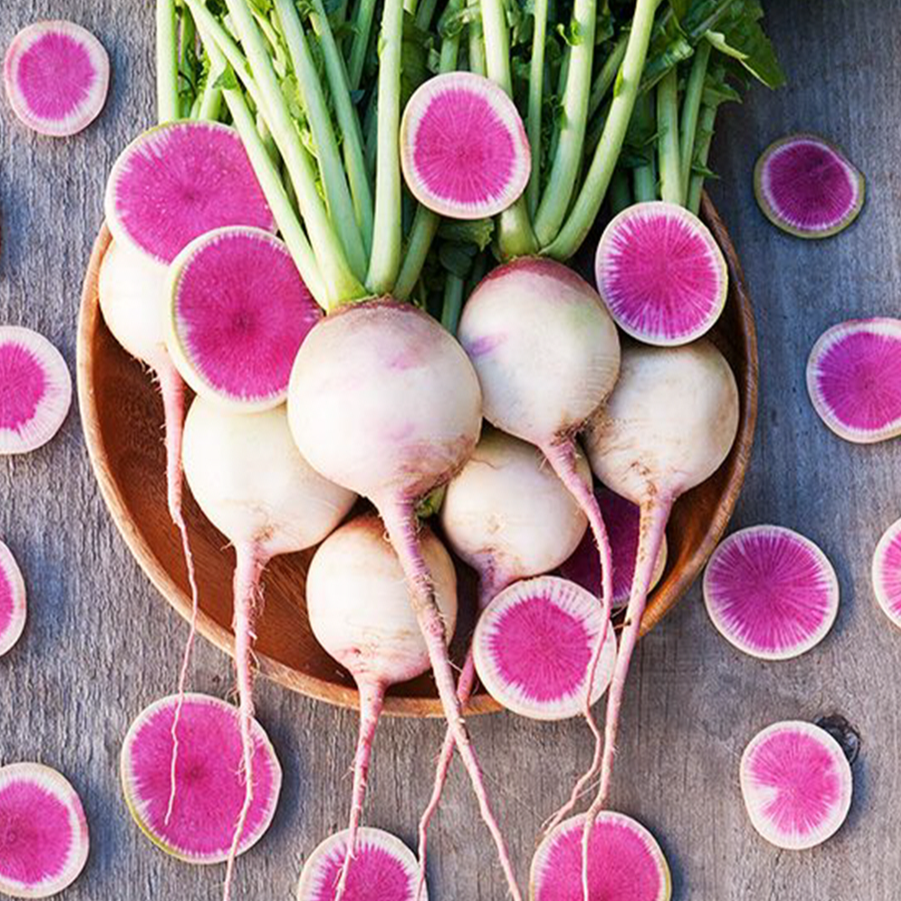
Watermelon radish is an organic Chinese heirloom winter radish with a round crisp greenish root and spectacular vivid-pink centre, ready near 60 days. Each packet contains approximately 200 seeds. This cool-season variety is direct sown in late summer and generally produces near 60 days. Loose stone-free soil, early thinning, and even moisture support round roots. Harvested at the proper stage, it brings vivid colour, crisp texture, and mild flavour to salads, pickles, and crudité plates. This detail supports a steady, healthy crop suited to cool conditions and a short Canadian growing season. This detail supports a steady, healthy crop suited to cool conditions and a short Canadian growing season.
- Quantity
- Approximately 200 seeds
- Exposure
- Full sun to partial shade
- Life cycle
- Annual
Discover the plant
Common nameWatermelon radish, Red Meat, Roseheart
FamilyBrassicaceae
GenusRaphanus
Speciessativus
CultivarWatermelon
TypeOrganic heirloom open-pollinated Chinese winter radish
Botanical nameRaphanus sativus ‘Watermelon’
Reproducible seedsYes
Heirloom varietyYes
Organic ‘Watermelon’ radish (Raphanus sativus ‘Watermelon’), also called Red Meat, Roseheart, or Shinrimei, is a Chinese heirloom winter radish. Its round daikon-type root has white to greenish skin and a striking dark-pink centre edged in white. Firm crisp flesh is milder than many small radishes with a lightly peppery note. Each packet contains approximately 200 organic seeds from an heirloom open-pollinated variety. Foliage generally reaches 15–30 cm. Cool-weather growth supports firm flesh, vivid colour, and balanced flavour in the developing root. Harvesting at the proper stage preserves crisp texture and reduces the risk of pithy roots.
Direct sow July through September for autumn harvest because spring sowings tend to bolt as days lengthen and heat arrives. Place seed approximately 1 cm deep in light loose stone-free well-drained soil. Maintain 10–20°C and even moisture; emergence normally takes 4–10 days. Thin to approximately 5–10 cm so round roots can size up. Full sun suits cool weather while light partial shade may reduce stress during lingering late-summer heat. Harvesting at the proper stage preserves crisp texture and reduces the risk of pithy roots. Cool-weather growth supports firm flesh, vivid colour, and balanced flavour in the developing root.
Begin harvesting near 50–60 days after sowing; maturity is generally near 60 days. Gently uncover the root shoulder to assess diameter, then lift a sample. Do not wait until roots become pithy, split, or excessively pungent. Remove tops and refrigerate firm roots separately. Thin slices colour salads and crudité platters; roots may also be pickled, roasted, or stir-fried. Exact size, yield, and maximum storage life for this lot are not guaranteed. Steady moisture and early thinning help each root form evenly without crowding. Steady moisture and early thinning help each root form evenly without crowding.

Sowing guide
It all startswith a seed.
Sowing depth
Approximately 1 cm (⅜ to ½ in)
Spacing / density
Approximately 5 to 10 cm between plants and 25 to 30 cm between rows
Germination temperature
10 to 20°C (50 to 68°F)
Germination time
Approximately 4 to 10 days
Sowing period
July through September by direct sowing
Propagation
Direct sowing
Growing method
Direct sow July through September approximately 1 cm deep in fine loose soil. Maintain 10–20°C and even moisture until emergence in 4–10 days. Thin early to 5–10 cm by clipping excess seedlings rather than disturbing retained roots. Weed shallowly, water at soil level, and protect from flea beetles if needed. Avoid nitrogen-rich fertilizer. Begin inspecting shoulders near 50 days and harvest around 60 days before roots become pithy or split. Choose an open site and loosen soil before sowing. Gently firm the surface after covering seed, then use a fine-rose watering can to avoid displacement. After emergence, cut excess seedlings at soil level. Insect netting installed immediately and sealed along the edges reduces flea-beetle damage, provided no infested Brassicaceae remain underneath. Lift it for weeding and moisture checks. Avoid sowing too early during long hot days that encourage bolting. Harvest one sample before lifting the entire row. This detail supports a steady, healthy crop suited to cool conditions and a short Canadian growing season. This detail supports a steady, healthy crop suited to cool conditions and a short Canadian growing season. This detail supports a steady, healthy crop suited to cool conditions and a short Canadian growing season.
Soil and care
The right care,at the right time.
Soil pH
Approximately 6.0 to 7.0
Care level
Easy
Watering
Keep the surface evenly moist during germination to prevent a crust that blocks seedlings. After emergence water deeply once the top two or three centimetres begin to dry. Alternating drought and heavy irrigation promotes split fibrous or excessively pungent roots while prolonged saturation causes rot. Water at soil level in the morning, mulch lightly after thinning, and avoid unnecessarily wetting leaves. In containers check moisture daily during warm periods without leaving water in the saucer.
Soil type
Prepare light deep loose well-drained soil screened to remove stones clods and debris that distort roots. Slightly acidic to neutral pH around 6.0–7.0 is suitable. Incorporate only a moderate amount of mature compost; fresh manure and excess nitrogen produce excessive foliage and forked or poor-quality roots. Work the bed when neither sticky nor dusty and avoid walking on the row. In heavy soil use a raised bed or sufficiently deep container. Rotate away from other Brassicaceae.
Fertilization
Incorporate a moderate amount of mature compost before sowing if soil is poor. Watermelon radish generally needs no heavy feeding: excess nitrogen mainly develops leaves and delays roots while concentrated fertilizer can burn seedlings. Base any additional input on a soil test or directions for a balanced root-vegetable fertilizer. Avoid fresh manure, never place granules against seed, and water after application. In containers a very weak balanced dose is sufficient if mix is new and already enriched; stop feeding well before harvest.
Moisture
Keep the seedbed evenly moist until emergence without allowing a dry surface crust to form. Afterward, maintain cool soil without saturation. A very light mulch applied after thinning slows evaporation. Water at soil level in the morning so foliage dries quickly, and increase monitoring in containers exposed to wind or lingering heat. This detail supports a steady, healthy crop suited to cool conditions and a short Canadian growing season.
Seasonal care
In late summer sow in a fine bed, keep moist until emergence, and protect young leaves from flea beetles with insect netting if needed. Thin early without disturbing retained roots and weed shallowly. Maintain even moisture and monitor aphids, slugs, caterpillars, and signs of rot. Begin inspecting shoulders near 50 days. Harvest before roots become pithy or soil freezes deeply, then remove diseased Brassicaceae debris. In early autumn, continue watering according to soil drying and harvest the largest roots first. Cut one sample to confirm texture and colour before lifting the whole row. Promptly remove split, soft, or rotting roots. After harvest, remove diseased debris and do not immediately replant cabbage, turnip, arugula, or another Brassicaceae in the same place. Clean tools and plan crop rotation. In winter, store only firm roots under cold conditions without freezing. This detail supports a steady, healthy crop suited to cool conditions and a short Canadian growing season. This detail supports a steady, healthy crop suited to cool conditions and a short Canadian growing season. This detail supports a steady, healthy crop suited to cool conditions and a short Canadian growing season. This detail supports a steady, healthy crop suited to cool conditions and a short Canadian growing season. This detail supports a steady, healthy crop suited to cool conditions and a short Canadian growing season.
Container growing
A garden,within reach.
Recommended pot size
10 to 15 L (2½ to 4 gal), at least 25 to 30 cm deep
Choose a 10–15 L container at least 25–30 cm deep with several drainage holes. Fill with light stone-free well-drained mix. Sow approximately 1 cm deep, then thin to 5–10 cm so roots have room to become round. Place the pot in sun during cool weather or light partial shade during lingering hot afternoons. Maintain even moisture without standing water and rotate the container for balanced light. A broad pot produces only a few good-sized roots; avoid overcrowding. Raise the pot slightly to keep drainage holes open and empty any saucer after watering. Fine mulch helps keep the surface cool. In late summer, check moisture morning and evening during windy days. Do not add nitrogen-rich fertilizer; lightly enriched fresh mix is generally sufficient. Harvest one test root to check size and flesh, then allow the others to grow if texture remains firm. After cropping, do not reuse diseased mix for other Brassicaceae. This detail supports a steady, healthy crop suited to cool conditions and a short Canadian growing season. This detail supports a steady, healthy crop suited to cool conditions and a short Canadian growing season. This detail supports a steady, healthy crop suited to cool conditions and a short Canadian growing season.
Bloom and dimensions
Its place,in your garden.
Mature height
Approximately 15 to 30 cm (6 to 12 in) for foliage
Width / spread
Approximately 5 to 10 cm (2 to 4 in) between roots
Flower color
White to pale pink
Foliage color
Green
Foliage type
Herbaceous rosette
Growth rate
Moderate
Growth habit
Leaf rosette above a round root
Bloom period
When a healthy root is retained for seed production, it may produce a branched stalk after cold exposure, bearing white to pinkish flowers. Blooms attract various pollinating insects. To preserve the variety, isolate plants from other flowering radishes, allow pods to mature and dry, then collect seed only from healthy plants showing the expected characteristics. This detail supports a steady, healthy crop suited to cool conditions and a short Canadian growing season.
Fruiting
This crop is harvested for its root, not a culinary fruit. If a plant bolts and flowers, it later forms seed pods; these structures are not part of the usual harvest described here. For seed saving, allow pods to brown and dry on healthy plants, then protect them from moisture before threshing. This detail supports a steady, healthy crop suited to cool conditions and a short Canadian growing season.
Days to maturity
Approximately 60 days after sowing
Harvest
Begin inspecting near 50 days and harvest generally between 50 and 60 days; maturity is near 60 days. Gently uncover the shoulder to check diameter, then lift a root while soil is slightly moist. Harvest while firm heavy and crisp before it becomes pithy excessively pungent or split. Remove tops leaving a short petiole, cool the root, and store separately from leaves. Discard any root that is soft, mouldy, slimy, or abnormal-smelling.
Recipe idea
From the gardento your plate.
Edible parts
Root and healthy young leaves
Crisp Watermelon radish salad, 4 servings — Prepare 3 firm radishes, half a cucumber, 30 ml olive oil, 15 ml lemon juice, 5 ml honey, 15 ml fresh herbs, salt, and pepper. Scrub and rinse roots carefully, remove damaged portions, and slice very thinly. Cut the cucumber, then whisk oil, lemon, and honey. Toss vegetables with dressing immediately before serving and add herbs. For milder flavour, soak radish slices in ice water for five minutes, then drain thoroughly. Serve at once. Refrigerate ingredients and leftovers in a clean container within two hours of preparation and eat them within two days. This detail supports a steady, healthy crop suited to cool conditions and a short Canadian growing season. This detail supports a steady, healthy crop suited to cool conditions and a short Canadian growing season. This detail supports a steady, healthy crop suited to cool conditions and a short Canadian growing season.
Frequently asked questions
Your questions,answered.
Why is it called Watermelon radish?
The name comes from its cut appearance: white to greenish skin surrounds dark-pink flesh edged in white, resembling the colours of a small watermelon. It does not taste like melon. This is a Chinese winter radish also sold as Red Meat, Roseheart, Beauty Heart, or Shinrimei. Interior colour develops best as roots mature in cool weather. This detail supports a steady, healthy crop suited to cool conditions and a short Canadian growing season. This detail supports a steady, healthy crop suited to cool conditions and a short Canadian growing season. This detail supports a steady, healthy crop suited to cool conditions and a short Canadian growing season.
When should Watermelon radish be sown in Quebec?
Direct sow July through September for autumn harvest. References indicate that spring sowings bolt readily as days lengthen. Place seed approximately 1 cm deep in loose soil, maintain 10–20°C, and keep the surface moist. Emergence generally takes 4–10 days. Thin early to 5–10 cm so round roots can size up. This detail supports a steady, healthy crop suited to cool conditions and a short Canadian growing season. This detail supports a steady, healthy crop suited to cool conditions and a short Canadian growing season. This detail supports a steady, healthy crop suited to cool conditions and a short Canadian growing season.
How can a round rather than forked root be produced?
Loosen soil deeply and remove stones clods and debris before sowing. Use mature compost, never fresh manure, and avoid excess nitrogen. Thin to 5–10 cm without pulling retained plants. Maintain even moisture and do not work the row while soil is waterlogged. In heavy ground a raised bed or 25–30 cm deep container provides more uniform structure. This detail supports a steady, healthy crop suited to cool conditions and a short Canadian growing season. This detail supports a steady, healthy crop suited to cool conditions and a short Canadian growing season. This detail supports a steady, healthy crop suited to cool conditions and a short Canadian growing season.
When should Watermelon radish be harvested?
Begin checking near 50 days and generally harvest around 60 days. Gently uncover the root shoulder to judge diameter, then lift a sample. The root should be firm heavy and crisp. Do not wait until it becomes pithy excessively pungent or split. Remove tops, cool promptly, and store roots separately from leaves to reduce moisture loss. This detail supports a steady, healthy crop suited to cool conditions and a short Canadian growing season. This detail supports a steady, healthy crop suited to cool conditions and a short Canadian growing season. This detail supports a steady, healthy crop suited to cool conditions and a short Canadian growing season.
Can this radish be grown in a container?
Yes. Choose a broad 10–15 L pot at least 25–30 cm deep with several drainage holes. Use light stone-free mix, sow 1 cm deep, and thin to 5–10 cm. Maintain consistent moisture without standing water. Root count depends on available surface; a few well-spaced plants produce better results than dense sowing that mainly gives foliage and small roots. This detail supports a steady, healthy crop suited to cool conditions and a short Canadian growing season. This detail supports a steady, healthy crop suited to cool conditions and a short Canadian growing season. This detail supports a steady, healthy crop suited to cool conditions and a short Canadian growing season.
For a great start to your seeds
The right extras.Right here.
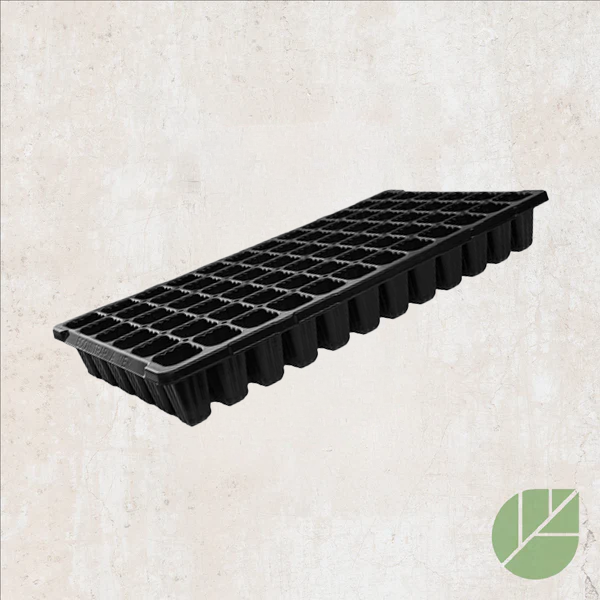
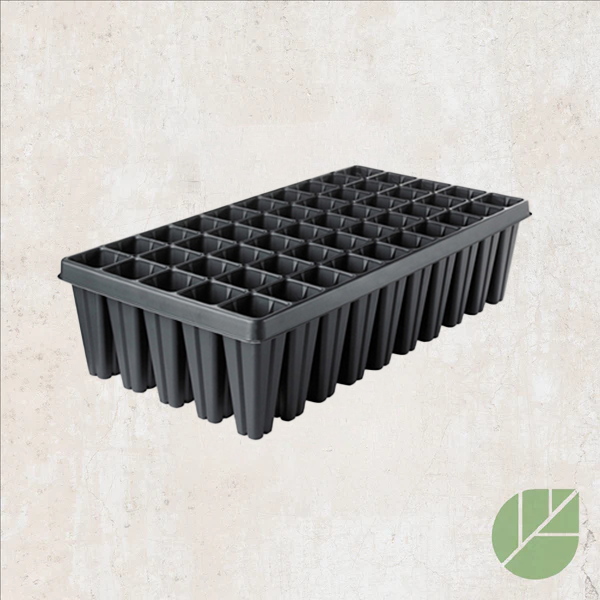
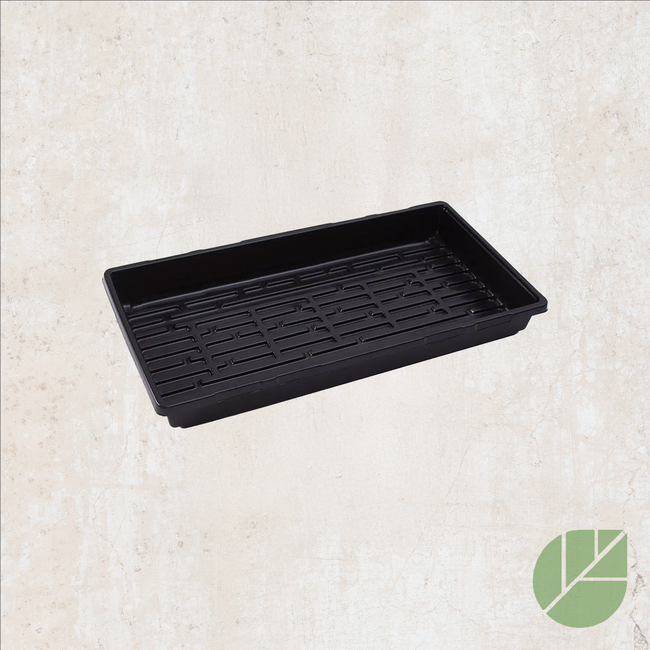
Platters, pots and domes
Shop the collection
Seed Starting Soil
Shop the collectionSeed starting supplies
Shop the collection




