


Sale
Sold out

Vegetable
Brassicaceae
Organic seeds
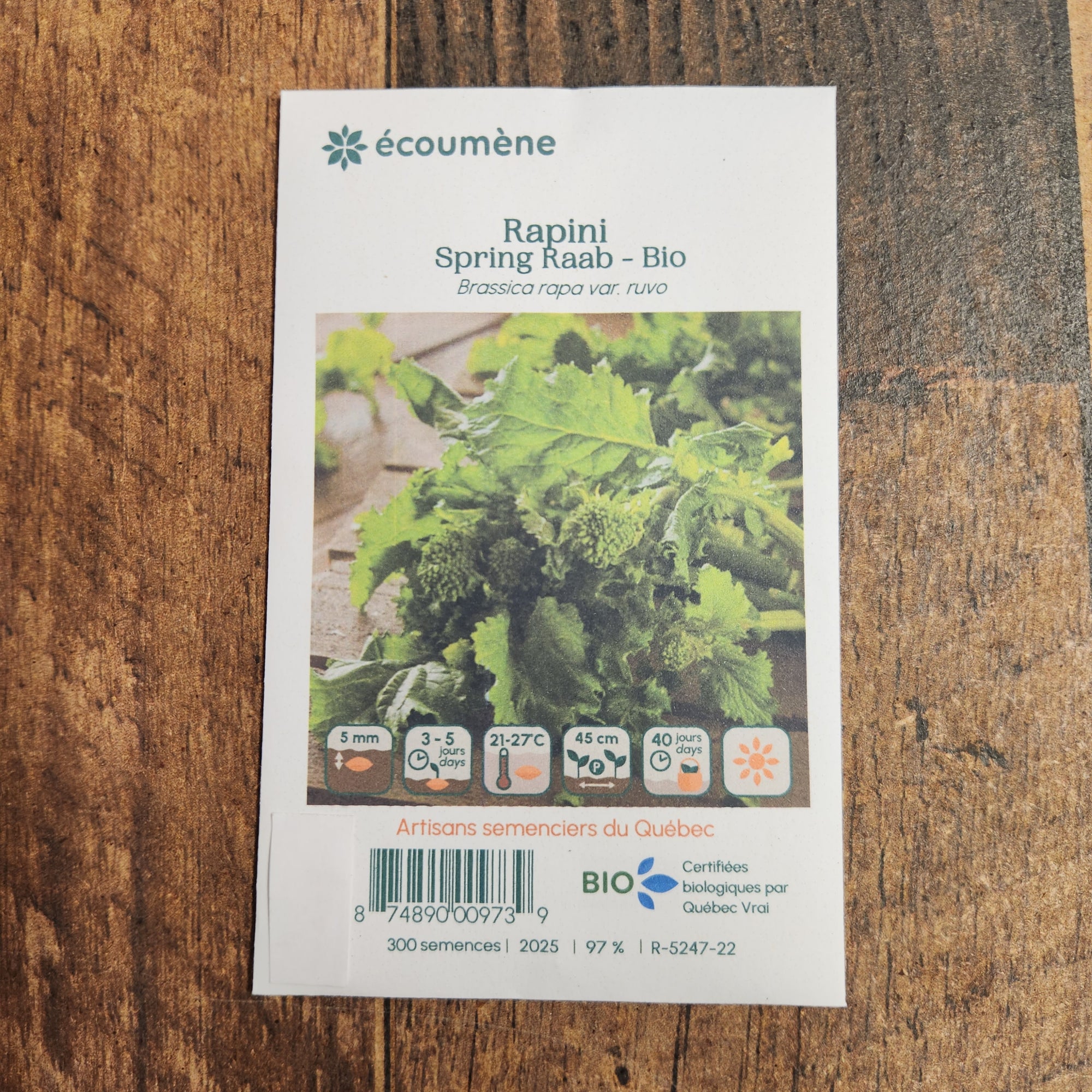
Rapini 'Spring Raab' (Brassica rapa var. ruvo)
Product code : JAREC-0209
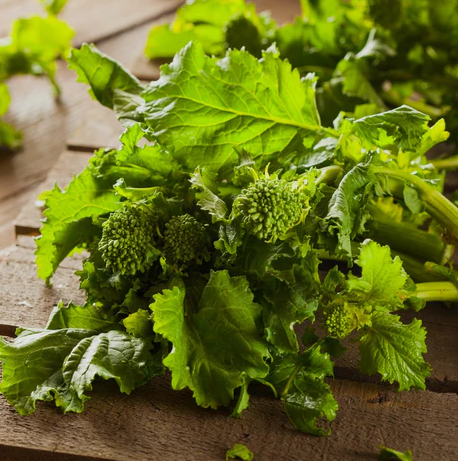
Rapini 'Spring Raab' brings a vibrant and nourishing presence to the vegetable garden with its dark green foliage, slender stems, and small floral buds reminiscent of delicate broccoli miniatures. This cool-season brassica entices gardeners with its rapid growth, robust vigor, and ease of cultivation, even in gardens where simple, productive crops are sought after. In the kitchen, its slightly pungent and subtly bitter taste adds depth to stir-fries, soups, stews, and pasta dishes, evoking the richness of spring and autumn harvests. In the garden, it thrives in moderate temperatures and prospers in fertile, well-drained soil, in a bright exposure ranging from full sun to partial shade.
- Quantity
- About 300 seeds
- Exposure
- Sun to partial shade
- Life cycle
- Annual
Discover the plant
Common nameRapini 'Spring Raab'; or broccoli rabe
FamilyBrassicaceae
GenusBrassica
Speciesgrated
CultivarSpring Broccoli Raab
TypeVegetable
Botanical nameBrassica rapa var. ruvo
Reproducible seedsYes
Rapini ‘Spring Raab’ (Brassica rapa var. ruvo). Rapini ‘Spring Raab’ brings a vibrant and nourishing presence to the garden, with its dark green foliage, slender stems, and small flower buds that resemble delicate miniature broccoli. This cool-season brassica entices gardeners with its rapid growth, strong vigor, and easy-to-grow nature, even in gardens where simple and productive crops are sought. In the kitchen, its slightly pungent and subtly bitter taste adds depth to stir-fries, soups, stews, and pasta dishes, evoking the richness of spring and autumn harvests.
Recommended sowing period: April to September. The depth to respect is 1 cm (3/8 in). Germination usually takes 5 to 10 days. For germination, maintain the soil at 10 to 24 °C (50 to 75 °F). Young sprouts require light to form short, vigorous plants. Transplant before the roots become crowded, then gradually acclimate the plants to outdoor conditions. Install them in prepared soil that retains consistent moisture. Avoid planting too closely together in anticipation of their small initial size: adult foliage takes up much more space during harvest formation.
Cold-tolerant, it integrates perfectly into early spring or late summer sowings, elegantly extending the harvest season. Place the plants in rows sufficiently spaced to observe the base and heart of the plants. The foliage eventually covers a good portion of the soil: weed early, before access becomes difficult. Avoid placing small, fragile crops directly under their leaves. Well-spaced planting also facilitates the installation of protective netting and the cutting of heads or stems at maturity. Its dense foliage also adds texture to garden rows, while its flowers, if a few plants are allowed to mature, attract several beneficial pollinating insects.

Sowing guide
It all startswith a seed.
Sowing depth
1 cm (3/8 in)
Germination temperature
10 to 24 °C (50 to 75 °F)
Germination time
5 to 10 days
Sowing period
April to September
Propagation
Sowing
Growing method
Recommended sowing period: April to September. The depth to respect is 1 cm (3/8 in). Germination usually takes 5 to 10 days. For germination, keep the potting soil at 10 to 24 °C (50 to 75 °F). Young cabbage plants require light to form short, vigorous plants. Transplant before the roots become pot-bound, then gradually acclimate the plants to outdoor conditions. Plant them in prepared soil that retains consistent moisture. Avoid planting them too close together, anticipating their small initial size: adult foliage occupies much more space during crop formation. Inspect cabbage leaves, especially their undersides, to spot eggs, caterpillars, or bites early. Insect protection can help preserve foliage while allowing air and light to pass through. Keep the heart or head accessible for observation. Harvest before the edible parts harden or open. Use a clean knife to cut without tearing the foliage you wish to keep. Cruciferous vegetables benefit from monitoring from planting. Look at the underside of the leaves to spot small caterpillars and initial damage.
Soil and care
The right care,at the right time.
Care level
Regular during establishment, then adapted to growing conditions
Watering
Regular
Soil type
Fertile and well-drained
Fertilization
Fertilisation supports growth and takes into account nutrients already present in the soil or potting mix. Use mature compost or a fertilizer suited to the crop, following the dosage instructions. Avoid using multiple products, especially in a container where roots occupy a limited volume. Water as needed after application and observe foliage development before re-fertilizing.
Moisture
Keep the soil moist during germination, without waterlogging; then adjust to the crop.
Seasonal care
In the kitchen, its slightly pungent and subtly bitter taste adds depth to stir-fries, soups, stews, and pasta dishes, evoking the richness of spring and autumn harvests. Young cabbages need light to form short, vigorous plants. Transplant before the roots become crowded, then gradually acclimate the seedlings to outdoor conditions. Plant them in well-prepared soil that retains consistent moisture. Avoid planting too closely, despite their small initial size: the mature foliage will take up much more space during harvest formation. Inspect cabbage leaves, especially their undersides, to detect eggs, caterpillars, or bites early. Appropriate insect protection can help preserve the foliage while allowing air and light to pass through. Keep the heart or head accessible for observation. Harvest before the edible parts harden or open. Use a clean knife to cut without tearing the foliage you wish to keep. Cruciferous vegetables benefit from monitoring right from planting. Look at the underside of the leaves to spot small caterpillars and early damage. An early installed netting can protect the crop, provided there is enough room for the foliage. Close the edges securely after care, without trapping leaves against the mesh. Recommended sowing period: April to September. The required depth is 1 cm (3/8 in). Germination usually takes 5 to 10 days.
Container growing
A garden,within reach.
Suitable for containers
Yes
Recommended pot size
A sturdy container with drainage holes, wide enough for the plant to spread and deep enough for its roots
Choose this exposure: sun to partial shade. Reserve this spread around the plant: 20 to 30 cm (8 to 12 in). In a container, leave enough space for a cabbage so that its foliage is not pressed against a neighbor's. The pot must remain stable as the harvested part grows. Keep the root ball cool and check the undersides of the leaves when watering. The choice of container is made according to the adult development, even if the young plant still seems small at the time of repotting. ‘Spring Raab’ Rapini brings a lively and nourishing presence to the garden, with its dark green foliage, thin stems, and small flower buds that resemble delicate mini broccoli. This cool-season brassica seduces gardeners with its rapid growth, strong vigor, and easy-to-grow nature, even in gardens where simple and productive crops are sought. In cooking, its slightly pungent and subtly bitter taste adds depth to stir-fries, soups, stews, and pasta dishes, evoking the richness of spring and autumn harvests. In the garden, it prefers moderate temperatures and thrives in fertile, well-drained soil, in bright exposure from full sun to partial shade.
Bloom and dimensions
Its place,in your garden.
Mature height
30 to 45 cm (12 to 18 in)
Width / spread
20 to 30 cm (8 to 12 in)
Foliage type
Seasonal foliage
Growth habit
Dressed
Bloom period
Spring to Fall
Fruiting
In cooking, its slightly pungent and subtly bitter taste adds depth to stir-fries, soups, stews, and pasta dishes, evoking the richness of spring and autumn harvests. Cold-tolerant, it integrates perfectly into early spring or late summer plantings, elegantly extending the harvesting season. Picked young, it offers the best tenderness and a balanced flavor, highly appreciated by lovers of tasty greens.
Harvest
40 to 50 days after sowing
Garden associations
In goodcompany.
Companion plants
In a diverse plantation, you can reserve adjacent sections for these plants: carrots, lettuces, spinach, peas, and beets. Here, the association serves to organize space and harvests. Respect the height, light, and water needs of each plant, without crowding the foliage. Keep a pathway for watering and harvesting, then remove spent crops to free up space. This organization facilitates maintenance but does not promise protection against pests. Place cabbages in rows spaced far enough apart to observe the base and heart of the plants.
Recipe idea
From the gardento your plate.
Edible parts
Flower buds, young shoots and leaves
Rapini ‘Spring Raab’ Recipe Idea: Vegetable Sauté for Four Servings. Prepare 400g of the harvested portion, one clove of garlic, 15ml of oil, and 30ml of water. Cut stems, ribs, or firm parts into small pieces and set the leaves aside. Heat the oil, sauté the garlic without burning it, then add the firm pieces and water. Cover for a few minutes. Then add the leaves or tender parts and continue cooking until desired texture is reached. Season to taste and serve hot. Prepare ingredients with clean utensils and adjust cutting to the size of your harvest. This recipe highlights freshly picked parts: remove damaged pieces before preparation. If you double the quantities, ensure enough space in the dish to mix or cook evenly. Promptly refrigerate leftovers in a sealed container and consume within two days. For a two-person meal, simply divide all quantities by two.
Frequently asked questions
Your questions,answered.
How to successfully sow Rapini ‘Spring Raab’?
Recommended sowing period: April to September. Sow at a depth of 1 cm (3/8 in). Germination usually takes 5 to 10 days. For germination, keep the potting mix at 10 to 24 °C (50 to 75 °F). Young cabbage plants need light to form short, vigorous plants. Transplant before the roots become crowded, then gradually acclimate the plants to outdoor conditions. Plant them in prepared soil that retains consistent moisture. Avoid crowding the plants, anticipating their small initial size: adult foliage takes up much more space as the crop develops.
Can Rapini 'Spring Raab' be grown in pots?
Choose this exposure: full sun to partial shade. Reserve this much space around the plant: 20 to 30 cm (8 to 12 in). In a container, reserve enough room for a cabbage so that its foliage is not compressed against that of a neighbor. The pot must remain stable as the harvested part grows. Keep the root ball moist and check the underside of the leaves during watering. The choice of container should be based on the adult development, even if the young plant seems small at the time of repotting. Rapini 'Spring Raab' brings a vibrant and nourishing presence to the vegetable garden, with its dark green foliage, thin stems, and small floral buds that resemble delicate miniature broccoli.
When to harvest 'Spring Raab' Rapini?
In the kitchen, its slightly pungent and subtly bitter taste adds depth to stir-fries, soups, stews, and pasta dishes, evoking the richness of spring and fall harvests. Cold-tolerant, it integrates perfectly into early spring or late summer plantings, gracefully extending the harvest season. Picked young, it offers the best tenderness and a balanced flavor, highly prized by lovers of savory greens. Cruciferous vegetables benefit from monitoring from planting. Check the undersides of leaves for small caterpillars and initial damage. A net installed early can protect the crop, provided there is enough space for the foliage.
What sets Rapini ‘Spring Raab’ apart in the garden?
Rapini 'Spring Raab' brings a vibrant and nourishing presence to the vegetable garden, with its dark green foliage, slender stems, and small flower buds reminiscent of delicate miniature broccoli florets. This cool-season brassica entices gardeners with its rapid growth, strong vigor, and easy-to-grow nature, even in gardens where simple and productive crops are sought after. In the kitchen, its slightly peppery and subtly bitter taste adds depth to stir-fries, soups, stews, and pasta dishes, evoking the richness of spring and autumn harvests. In the garden, it thrives in moderate temperatures and prospers in fertile, well-drained soil, under bright exposure ranging from full sun to partial shade.
How to organize a 'Spring Raab' Rapini planting?
Space your cabbages far enough apart to allow you to observe the base and heart of the plants. The foliage eventually covers a good part of the ground: weed early, before access becomes difficult. Avoid placing small, fragile crops directly under their leaves. Well-spaced planting also facilitates the installation of a protective net and the cutting of mature heads or stems. Inspect cabbage leaves, especially their undersides, to spot eggs, caterpillars, or bites early on. Appropriate insect protection can help preserve the foliage while allowing air and light to pass through.
For a great start to your seeds
The right extras.Right here.
Seed Starting Soil
Shop the collectionSeed starting supplies
Shop the collection





