


Sale
Sold out

Organic annual herb with peppery foliage
Brassicaceae
Organic herb seeds
Organic 'Esmee' arugula
Eruca sativa
Product code : BIOVO-0124
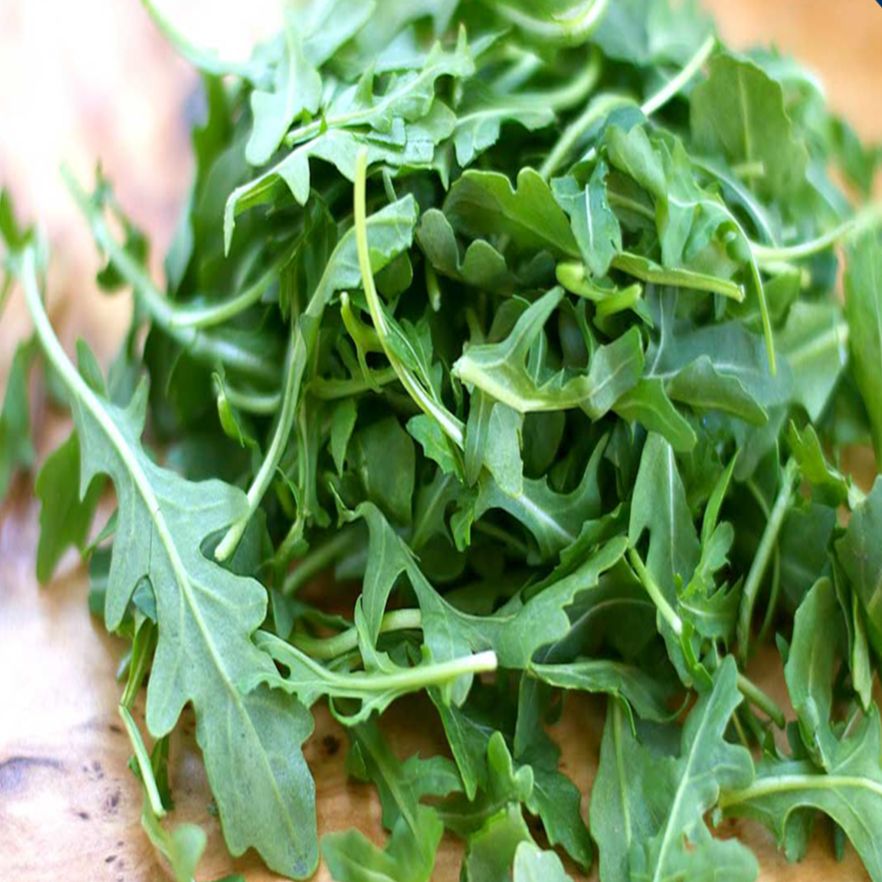
'Esmee' is an organic arugula grown for deeply cut green leaves and a fresh, peppery flavour. It brings a distinctive shape to salads and sandwiches and can be added to pizza after baking or folded into warm pasta just before serving. This leafy crop suits short rows, broad planters and kitchen gardens where small harvests are useful. Sow during cool weather and keep the seedbed moist while seedlings establish. Pick young outer leaves gently, leaving the centre intact if further growth is wanted. The supplied harvest estimate is around 40 days, with actual timing influenced by temperature, spacing and the size of leaf you prefer.
- Quantity
- Approximately 500 seeds
- Exposure
- Full sun to partial shade
- Life cycle
- Annual
Discover the plant
Common nameEsmee arugula
FamilyBrassicaceae
GenusEruca
Speciessativa
CultivarEsmee
TypeOrganic annual herb with peppery foliage
Botanical nameEruca sativa
Reproducible seedsYes
Organic 'Esmee' arugula (Eruca sativa) is an open-pollinated annual variety grown for deeply cut green leaves with mild peppery slightly nutty flavour. Each selection contains approximately 500 organic reproducible seeds. Plants generally reach 20–30 cm and provide baby leaves near 21 days or full-sized leaves around 40 days. They add freshness and character to salads sandwiches pizzas and Mediterranean dishes. Compact habit also suits edible borders and planters near the kitchen. Each selection contains approximately 500 organic seeds for repeated cool-season sowings in gardens and containers. Tender texture complements fresh homegrown spring harvests.
Direct sow April through September approximately 0.5 cm deep in cool loose organic-rich well-drained soil. Maintain 10–20°C and even moisture; emergence generally takes 5–10 days. Thin to 15–20 cm for air circulation. Full sun to partial shade suits the crop. Make small sowings every two or three weeks. Use insect netting where flea beetles are active, weed shallowly, and maintain airflow around each rosette during reliably cool weather. A fine mulch limits splashing; water at soil level without needlessly wetting foliage. Check the soil surface regularly and adjust watering to local rainfall.
Harvest outer leaves once tender and well formed without cutting the centre if regrowth is desired. Pick in the morning, cool promptly, and wash only before use. Heat drought and flowering generally strengthen flavour; make a new sowing at that stage. Discard wilted slimy mouldy or abnormal-smelling leaves. Results vary with growing conditions. Harvest in the morning, cool leaves promptly, and renew sowings when heat causes bolting. Discard anything wilted, slimy, mouldy, or abnormal-smelling. Make clean cuts, preserve the centre, and renew sowings when warmth accelerates bolting. Taste a few leaves before harvesting broadly.

Sowing guide
It all startswith a seed.
Sowing depth
0.5 cm (1/4 in)
Spacing / density
15 to 20 cm between plants and 25 to 30 cm between rows
Germination temperature
10 to 20 °C (50 to 68 °F)
Germination time
5 to 10 days
Sowing period
April through September by direct sowing Adjust these dates to your local frost dates and soil conditions; Canadian growing seasons vary by region.
Propagation
Direct sowing
Growing method
Growing 'Esmee' arugula from seed. Prepare a fine, weed-free seedbed during a period of cool weather. Sow 'Esmee' arugula about 0.5 cm (1/4 in) deep and water gently to settle the surface. Keep the upper layer moist until seedlings emerge; the supplied guide indicates approximately 5 to 10 days under suitable conditions. Mark the sowing date so you can compare growth with later batches. Thin seedlings while they are small, leaving room for the size of leaf or rosette you intend to harvest. Closely sown baby leaves need earlier cutting than widely spaced mature plants. Remove weeds carefully to avoid lifting shallow roots. An insect mesh installed at sowing can reduce flea beetle damage, especially where nearby brassicas have attracted pests. Check under the mesh so it does not conceal dry soil or overheating. Once plants establish, water the root zone when needed and avoid allowing a small container to dry completely. Begin picking young outer leaves as they reach a useful size, using clean scissors and leaving the growing centre intact if regrowth is desired. Sow another short row when conditions remain suitable instead of letting the entire crop age together. When flowering and tough leaves reduce quality, clear the old plants and use a younger sowing for the kitchen.
Soil and care
The right care,at the right time.
Soil pH
Approximately 6.0 to 7.0
Minimum temperature
-5 °C (23 °F)
Care level
Easy
Watering
Keep the sowing surface for 'Esmee' evenly moist until emergence without sealing it beneath a crust. After seedlings establish, water deeply when the upper soil begins drying. In the 'Esmee' planting, drought can toughen the loose rosette of deeply cut green leaves and hasten bolting, while prolonged saturation deprives roots of air. Irrigate at soil level early in the day, then let foliage within the low leafy rosette dry promptly. When tending 'Esmee' arugula, a light mulch after thinning can reduce evaporation. Check containers daily during hot weather and never leave standing water in the saucer. For Esmee arugula, use finger checks and pot weight rather than a rigid calendar.
Soil type
Prepare cool loose organic-rich well-drained soil with a slightly acidic to neutral pH near 6.0–7.0. Incorporate mature compost before sowing to support steady growth without using fresh manure or excessive inputs. Work soil when neither sticky nor dusty and break large clods for easier emergence. In heavy soil use a raised bed or drained planter. Avoid compacting the row and rotate away from other Brassicaceae to reduce buildup of soilborne diseases and pests.
Fertilization
Use reasonably fertile soil and add mature compost when the bed needs it. Because arugula is harvested for young leaves, modest balanced nutrition is more useful than frequent heavy applications. Follow a soil test or fertilizer label, and account for nutrients already included in a container mix. Avoid concentrated feed against seedlings or dry roots. Observe growth before adding more: weak plants may be responding to heat, crowding or poor drainage rather than a simple lack of fertilizer.
Moisture
Esmee arugula benefits from cool soil and regular, moderate watering. Letting the bed swing from dry to saturated can sharpen flavour, toughen leaves, and push plants toward premature bolting. Water near the soil surface in the morning, using a gentle flow that does not splash grit onto the rosette. Containers need closer checks but should never stand in drainage water.
Seasonal care
Seasonal care for 'Esmee' arugula. At the start of the season, choose a small area that can be reached easily for frequent picking. Prepare the soil and sow when local conditions are cool enough for steady leaf growth. During emergence, watch the surface closely and water gently before it dries into a hard crust. Inspect small leaves for flea beetle feeding, using a properly secured insect barrier where needed. Thin the planting before seedlings compete heavily, and remove weeds while their roots are still small. As leaves reach a useful size, harvest modest amounts with clean scissors and keep the growing centre intact if further picking is intended. Compare the flavour of younger and older leaves to find the stage that suits your cooking. During summer, check whether heat and dry wind are making the crop bolt or become too strong. Light afternoon shade and steady moisture may help, but they cannot make an old flowering plant behave like a new sowing. Plan a fresh batch when cooler conditions return, allowing enough growing time before the season ends. After a row is finished, remove deteriorating plants and clean the area before reusing it. Record sowing dates, the first picking date and any pest pressure. These observations let you refine the sequence for your own region rather than relying on a calendar written for a different part of Canada.
Container growing
A garden,within reach.
Recommended pot size
10 to 15 L (2.5 to 4 gal)
Growing 'Esmee' arugula in containers. A broad planter is a practical way to grow a small, frequently harvested crop of 'Esmee'. Choose a container with drainage holes and a stable position near the kitchen or another place where watering will not be overlooked. The supplied guide suggests about 10 to 15 L of mix and at least 15 to 20 cm (6 to 8 in) of depth. Fill it with a loose vegetable potting mix, moisten the surface and sow thinly. Do not compensate for a small container by keeping every seedling; thin early so leaves have room and air can move through the planting. During cool weather, a sunny position supports growth. In a hot location, some light afternoon shade may reduce rapid drying, but the crop still needs adequate light. Test moisture below the surface rather than judging only by the colour of the top layer. Water thoroughly when necessary and allow excess water to drain. Pick small amounts regularly with clean scissors, avoiding damage to the growing centres. Keep a second pot or a clear section for a later sowing if you want to stagger harvests. When the first batch flowers or becomes too coarse, replace it rather than expecting a crowded, aging planter to remain productive indefinitely.
Bloom and dimensions
Its place,in your garden.
Mature height
20 to 30 cm (8 to 12 in)
Width / spread
15 to 20 cm (6 to 8 in)
Flower color
Cream white
Foliage color
Green
Foliage type
Herbaceous rosette
Growth rate
Fast
Growth habit
Low leafy rosette
Fragrance
Mild, tender and sweet
Bloom period
As 'Esmee' matures or responds to heat and stress, it develops flowering stems with small pale flowers. Leaves often become firmer and more strongly flavoured as this stage advances. For salad production, keep sowings young and harvest before flowering dominates the plant. A few healthy flowering specimens may be retained separately for visiting insects or seed production. That choice changes the crop's purpose, so do not expect the same plants to remain indefinitely in a tender baby-leaf stage.
Fruiting
Arugula is grown primarily for leaves, not a fleshy culinary fruit. After flowering, plants form seed pods that mature and dry. If seed production is wanted, select healthy plants and keep that activity separate from the tender-leaf harvest. Pods can shed seed as they dry, so monitor them and collect under suitable dry conditions. Preserving a variety also requires attention to compatible nearby arugula plants and possible crossing; seed saved casually may not reproduce the original crop exactly.
Days to maturity
Approximately 40 days after sowing
Harvest
Begin cutting young outer leaves near 35–40 days once tender well formed and pleasantly peppery. Harvest in the morning with clean scissors without cutting the centre if regrowth is desired. Cool promptly and wash only before use. Renew sowing when heat drought or flowering makes leaves tough and excessively strong. Number of cuts is not guaranteed. Discard wilted slimy mouldy or abnormal-smelling leaves.
Garden associations
In goodcompany.
Companion plants
Lettuce, spinach, and green onions may share the area when every crop retains enough light, water, and airflow. Their cycle or habit can use the bed without smothering Esmee rosettes. These pairings do not guarantee pest control. Avoid repeatedly growing Brassicaceae in the same place. Rotation with other plant families helps limit buildup of flea beetles, caterpillars, and soil diseases. Keep a path open for cutting leaves without trampling neighbours. Keep a clear path for watering, shallow weeding, and leaf harvest without trampling neighbouring crops.
Plants to avoid
Strawberry, radish
Recipe idea
From the gardento your plate.
Edible parts
Young leaves and tender stems
'Esmee' arugula in the kitchen. Make an 'Esmee' arugula, pear and walnut salad. Wash a small bowl of young arugula leaves in clean water and dry them gently. Slice one ripe but firm pear, leaving the skin on if preferred. In a separate bowl, whisk one tablespoon of olive oil with a teaspoon of lemon juice and a small amount of mild mustard. Taste the dressing before adding salt, particularly if cheese will be included. Toss the pear with the arugula just before serving, add a spoonful of walnuts and finish with a little crumbled cheese if desired. For a nut-free version, leave out the walnuts rather than assuming a substitute is suitable for every guest. Add only enough dressing to lightly coat the leaves. Serve promptly while their finely cut shape and fresh texture are still distinct. Keep prepared ingredients refrigerated until assembly, and use clean utensils throughout. The peppery arugula should remain noticeable beside the sweet pear rather than being overwhelmed by a heavy or sugary dressing.
Frequently asked questions
Your questions,answered.
When should Esmee arugula be sown in your region?
Sow 'Esmee' during cool spring weather or again when late-summer conditions become suitable in your region. A fixed April-to-September calendar cannot fit every Canadian garden. Prepare a fine seedbed, sow about 0.5 cm (1/4 in) deep and maintain moisture until emergence. The supplied guide gives roughly 5 to 10 days under suitable conditions. A sequence of short rows is usually easier to harvest well than one large row that ages all at once. If heat causes rapid bolting or harsh flavour, assess whether a later sowing will perform better. Use local frost dates, soil conditions and the remaining season to decide how long to continue planting.
Why choose Esmee arugula?
'Esmee' is selected for deeply cut leaves with the peppery flavour associated with arugula. Those leaves add both texture and taste to a salad, especially beside broader, milder lettuce leaves. It is useful for small fresh harvests in a kitchen garden or planter, where a handful can be picked for a specific meal. The supplied harvest estimate is around 40 days, but you should choose the picking stage according to leaf size and tenderness. Heat, moisture and plant age affect flavour, so the same variety can taste different at different times. Its appeal is the combination of leaf shape and culinary character, not a guaranteed number of repeat cuts.
How can leaves remain tender and less strong?
Harvest while leaves are young and tender, and keep the planting supplied with reasonably even moisture. Older leaves and plants moving into flowering often have a stronger flavour. During hot weather, some light afternoon shade may reduce stress, but a fresh sowing is often more useful than trying to preserve an over-aged row indefinitely. In the kitchen, combine a small amount of arugula with milder greens, pear or another ingredient that balances its peppery taste. Do not expect it to become as mild as lettuce: that distinct flavour is part of the crop's appeal. Compare leaves from different stages so you can choose the harvest size your household prefers.
When should Esmee arugula be harvested?
Begin picking when the leaves reach a useful size and feel tender, often around the supplied 40-day estimate. Use clean scissors to take a modest number of outer leaves without cutting into the centre if you want to encourage further growth. Harvest while plants are cool, keep the leaves shaded and refrigerate them promptly. Wash and dry them gently before use. Inspect the remaining plant rather than assuming it will provide a fixed number of later cuts. Heat, flowering, moisture and the amount removed all influence what follows. When quality declines, a younger sowing is a better source of salad leaves than repeatedly cutting a coarse, stressed plant.
Can Esmee be grown in a container?
Yes. A broad container with drainage holes is well suited to a modest crop of 'Esmee' when watering and thinning are maintained. The supplied guidance suggests about 10 to 15 L of mix and at least 15 to 20 cm (6 to 8 in) of depth. Sow thinly, then leave enough room for the harvest size you prefer. Check moisture below the surface because balcony wind can dry the mix quickly. Provide good light in cool weather and assess whether light afternoon shade is helpful during heat. Pick small amounts gently, keep the centre intact when seeking regrowth and replace aging plants with a new sowing when conditions allow.
Wildlife and pets
Life,around your plants.
Supporting wildlife
Small pale flowers on bolting arugula may attract bees, hoverflies, and other insects. For tender leaves, renew sowings before flowering advances. Avoid insecticides on visited blooms and maintain several diverse flowers near the vegetable garden. A shallow clean water source may also support beneficial insects during dry weather.
For a great start to your seeds
The right extras.Right here.
Seed Starting Soil
Shop the collectionSeed starting supplies
Shop the collection





