Plantes d’extérieur
Tout pour fleurir, cultiver et aménager votre jardin.


Shrubs
Pink
Products and available quantities may vary between Brossard and Laval. To check a store’s inventory, please contact us directly.
Even better: visit us in store to discover the full selection available!
Click a product to build your selection.
‘Sweet Mademoiselle’ Hybrid Tea Rose (Rosa ‘Sweet Mademoiselle’). The ‘Sweet Mademoiselle’ Hybrid Tea Rose is a refined rose with an upright, structured, and perfectly balanced habit, renowned for its delicate blooms and subtle fragrance. It produces large, double lavender-pink to soft pink flowers delicately shaded with apricot at the center, whose silky and slightly wavy petals open slowly from elongated buds typical of classic hybrid teas. Each flower is borne on long, sturdy stems, ideal for cutting and elegant floral arrangements.
To plant the ‘Sweet Mademoiselle’ hybrid tea rose, choose an appropriate exposure: full sun. The recommended soil is: rich, well-drained. Water at the base and allow air to circulate between the branches. Remove dead parts with a clean tool, then prune according to the rose's group. Winter protection depends on its hardiness and the potential presence of a graft union. Water the root ball before planting and ensure that water can drain after planting. During establishment, check the moisture by hand before watering again.
Allow a width of 90 cm (35 in) to organize this plant's space in the garden. The indicated height of 1.2 m (4 ft) helps choose its position relative to neighboring plants. Maintain access to the base for weeding, checking moisture, and removing damaged parts. Associate this variety with plants whose light and water needs are compatible. If you are considering a container, first check that its volume and drainage are suitable for root development. Potted roots are more exposed to cold than those planted in the ground.
Soil and care
Bloom and dimensions
Wildlife and pets
Tout pour fleurir, cultiver et aménager votre jardin.
Une touche de nature, dans chaque pièce.
Tout pour fleurir, cultiver et aménager votre jardin.
Tout découvrir Potager et fines herbes
 Fleurs et vivaces
 Arbres et arbustes
 Soins et plantation
Une touche de nature, dans chaque pièce.
Tout découvrir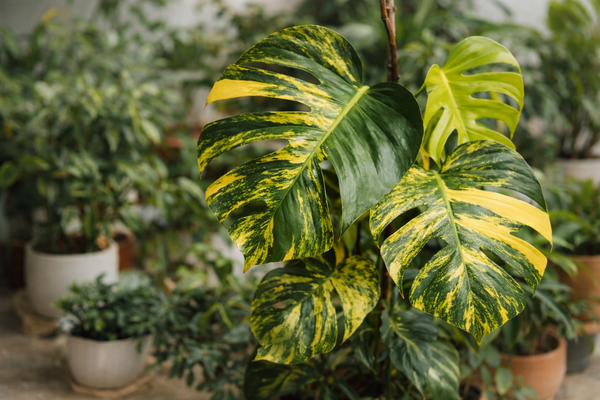 Plantes tropicales
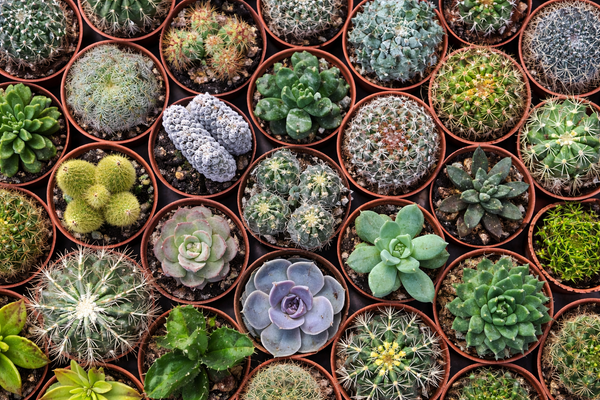 Cactus et succulentes
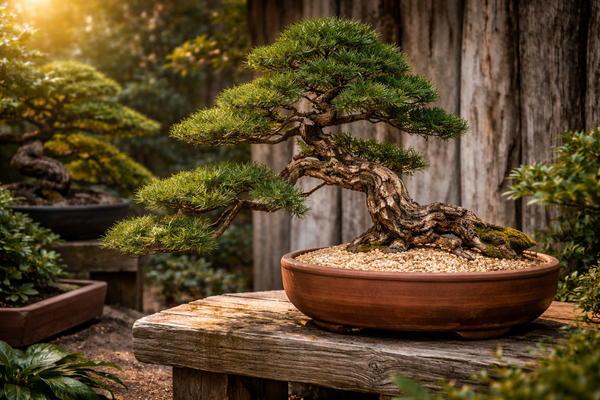 Collections spécialisées
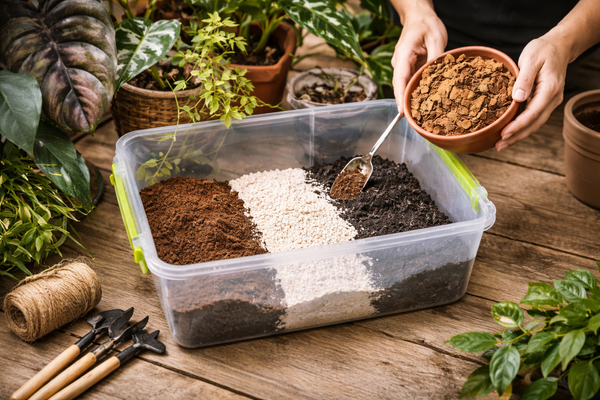 Soins et accessoires
Tout pour semer, planter et faire pousser.
Tout découvrir Semences
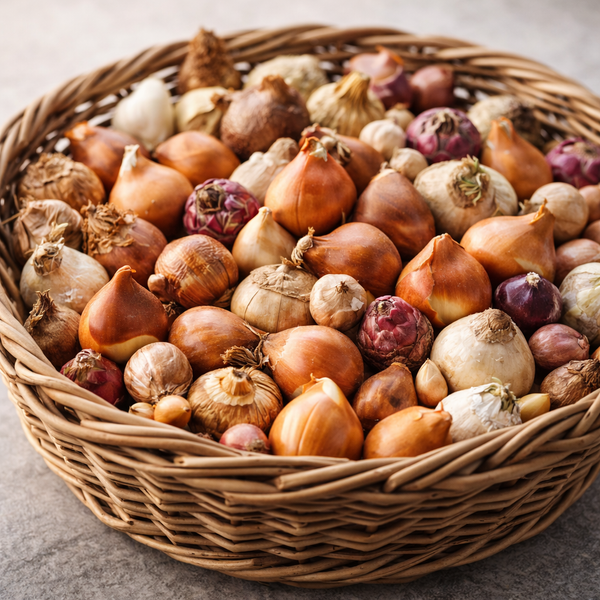 Bulbes
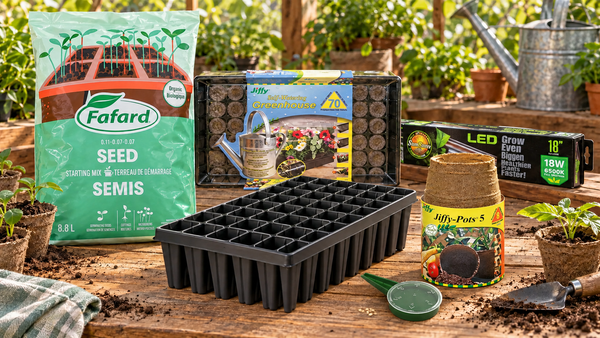 Tout pour les semis
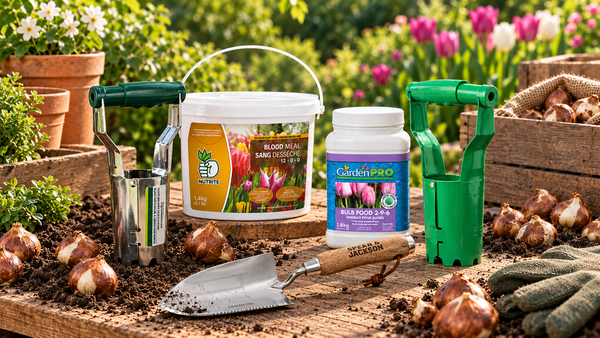 Pour planter les bulbes
Tout pour semer, nourrir et retrouver une belle pelouse.
Tout pour semer, nourrir et retrouver une belle pelouse.
Tout découvrir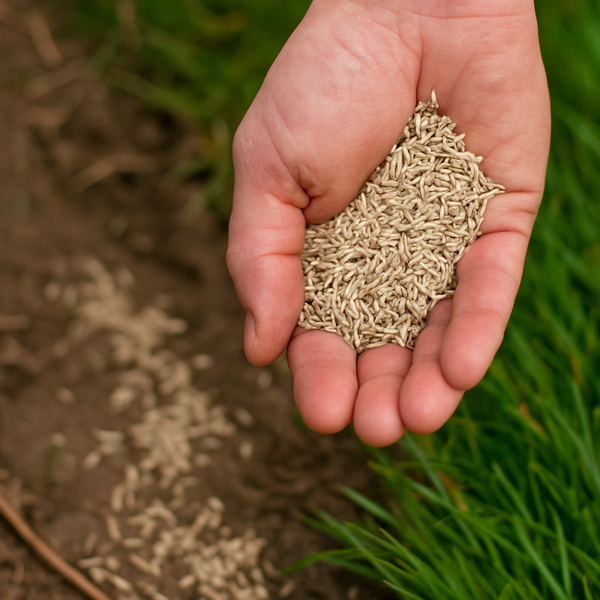 Semences à gazon
 Engrais pour gazon
 Tourbe et préparation
 Soins et traitements
Tout pour nourrir, protéger et entretenir vos plantes.
Tout pour nourrir, protéger et entretenir vos plantes.
Tout découvrir



Valide uniquement dans la succursale choisie lors de l’achat.
Choisir la carte en magasinTout pour semer, planter et faire pousser.
 Outils
 Compostage et écologie