Plantes d’extérieur
Tout pour fleurir, cultiver et aménager votre jardin.


Pépinière.ca
Flowering raspberry
Flowering Raspberry (Rubus odoratus). The Rubus odoratus, commonly known as the flowering raspberry, is a deciduous shrub with a bushy, spreading habit, appreciated for its spectacular bloom and large, maple-like foliage. Native to North America, it is distinguished by its large, slightly fragrant, purplish-pink flowers that bloom during the summer and attract pollinators in abundance. Its soft green, large, lobed foliage provides a lush texture to beds and naturalistic gardens. Very hardy and vigorous, Rubus odoratus is used for informal hedges, as a visual screen, or for stabilizing embankments.
To plant the flowering raspberry, choose a suitable exposure: sun to partial shade. The recommended soil is well-drained and tolerates various soil types. Ensure access to pick the fruits without breaking new canes. Pruning depends on the fruiting cycle: distinguish the stems that have produced shoots intended for the next harvest. Support can facilitate the maintenance of vigorous varieties. Water the root ball before planting and check that water can drain after planting. During establishment, check the soil moisture by hand before watering again.
Allow a width of 2.5 m (8.2 ft) to plan for this plant's space in the garden. The indicated height of 1.8 m (6 ft) helps in choosing its position relative to neighboring plants. Maintain access to the base to weed, check moisture, and remove damaged parts. Associate this variety with plants whose light and water needs are compatible. If you are considering a container, first check that its volume and drainage are suitable for root development. Potted roots are more exposed to cold than those planted in the ground.
Planting guide
Soil and care
Wildlife and pets
Click a product to build your selection.
Tout pour fleurir, cultiver et aménager votre jardin.
Une touche de nature, dans chaque pièce.
Tout pour fleurir, cultiver et aménager votre jardin.
Tout découvrir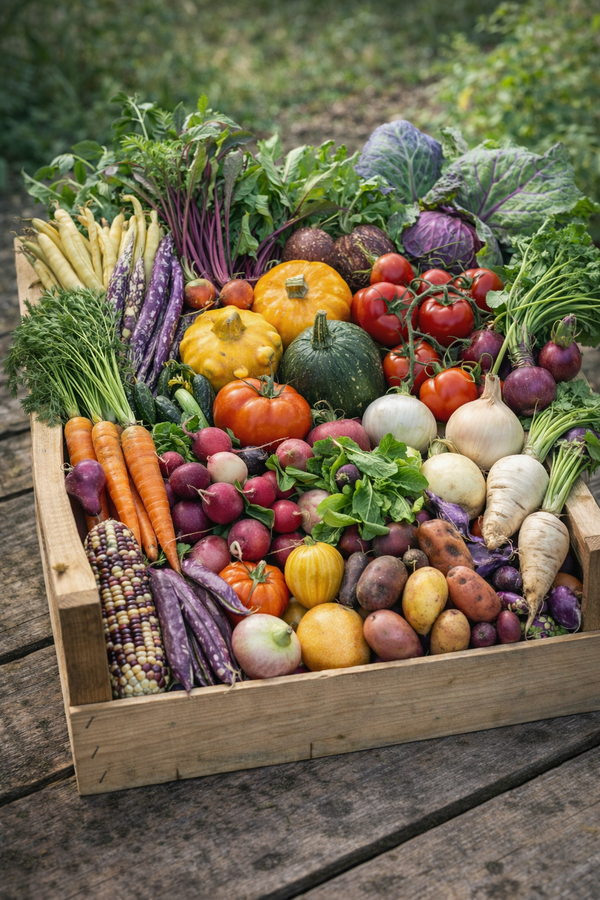 Potager et fines herbes
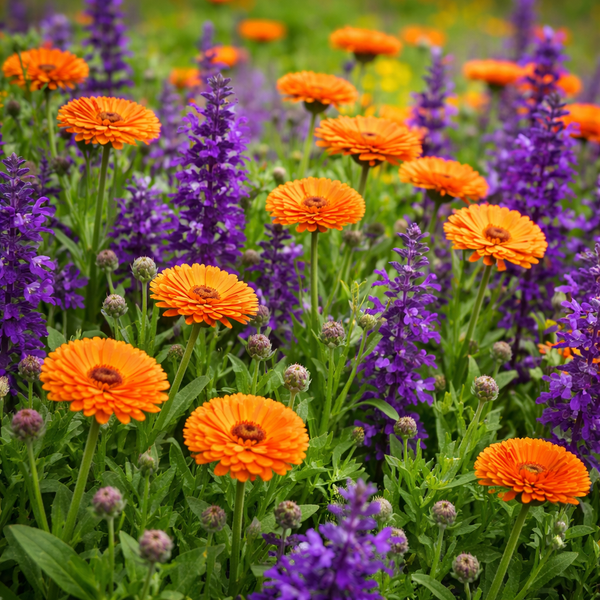 Fleurs et vivaces
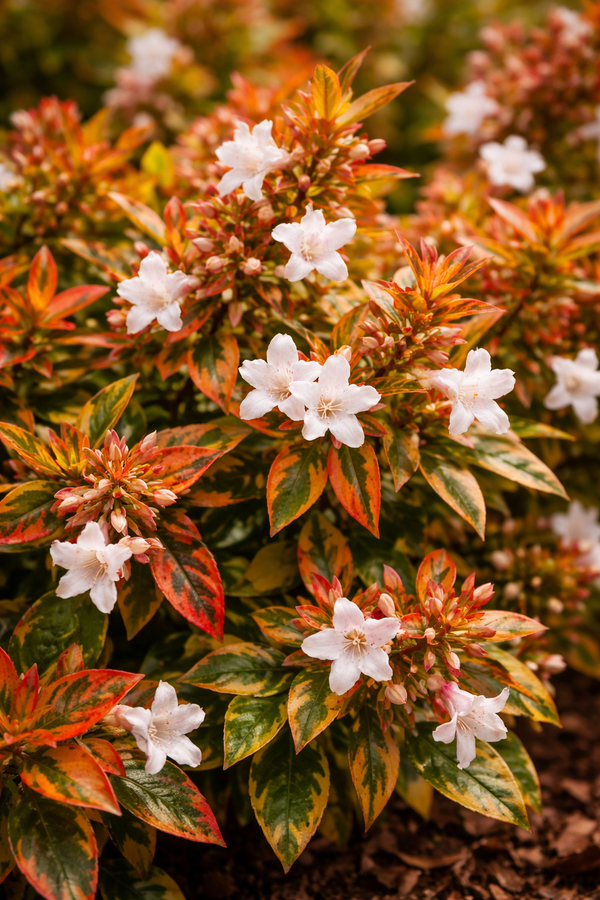 Arbres et arbustes
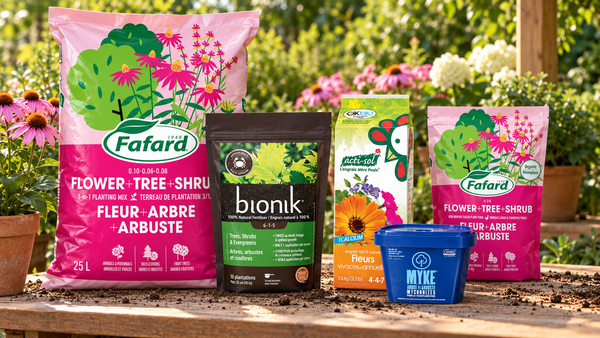 Soins et plantation
Une touche de nature, dans chaque pièce.
Tout découvrir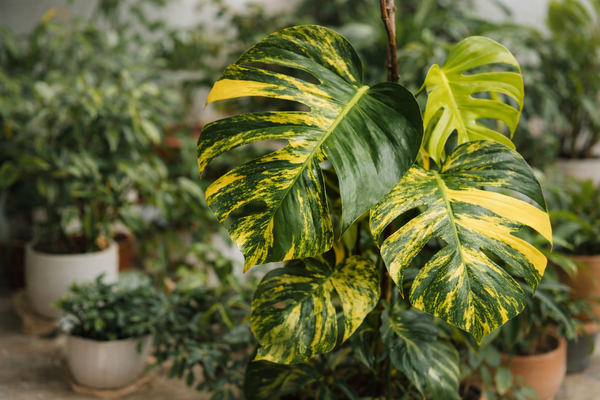 Plantes tropicales
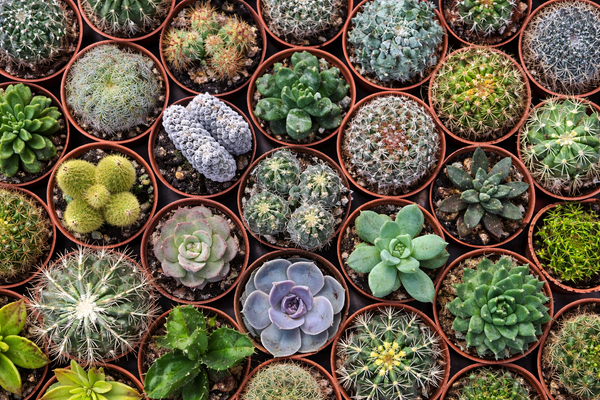 Cactus et succulentes
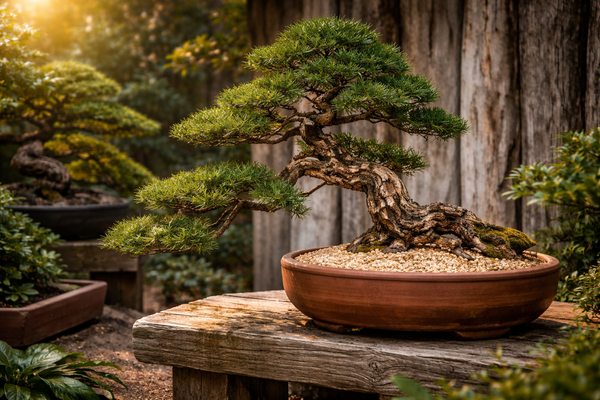 Collections spécialisées
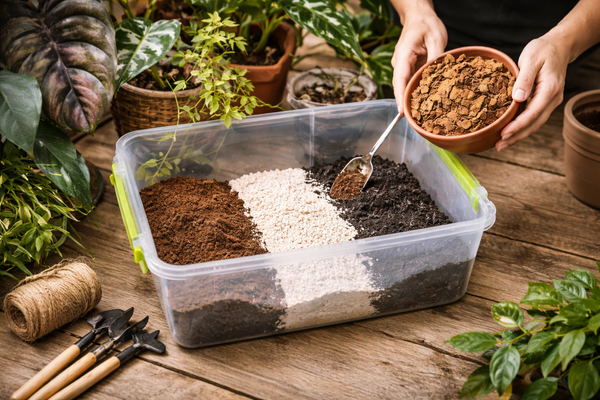 Soins et accessoires
Tout pour semer, planter et faire pousser.
Tout découvrir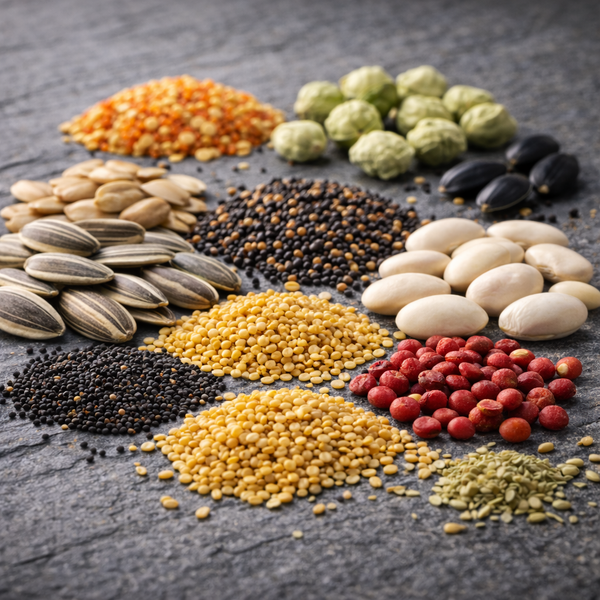 Semences
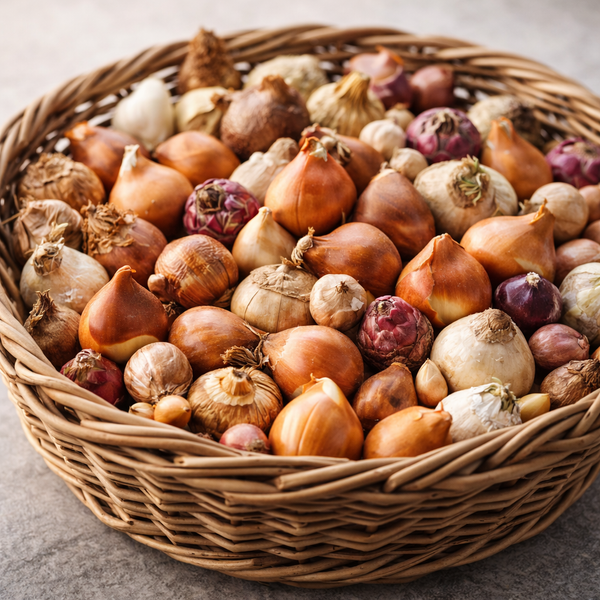 Bulbes
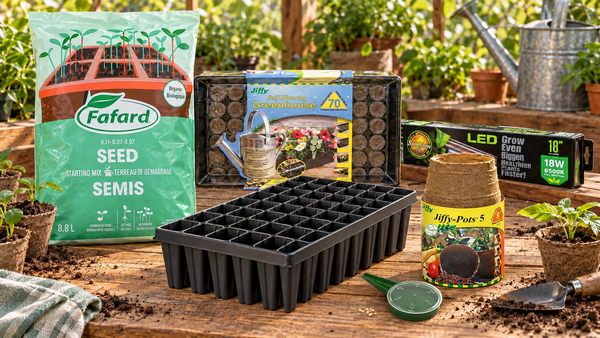 Tout pour les semis
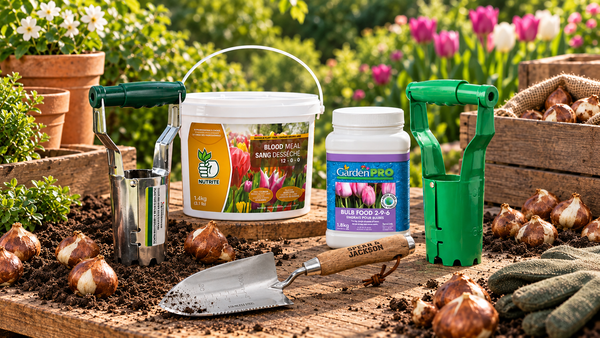 Pour planter les bulbes
Tout pour semer, nourrir et retrouver une belle pelouse.
Tout pour semer, nourrir et retrouver une belle pelouse.
Tout découvrir Semences à gazon
 Engrais pour gazon
 Tourbe et préparation
 Soins et traitements
Tout pour nourrir, protéger et entretenir vos plantes.
Tout pour nourrir, protéger et entretenir vos plantes.
Tout découvrir

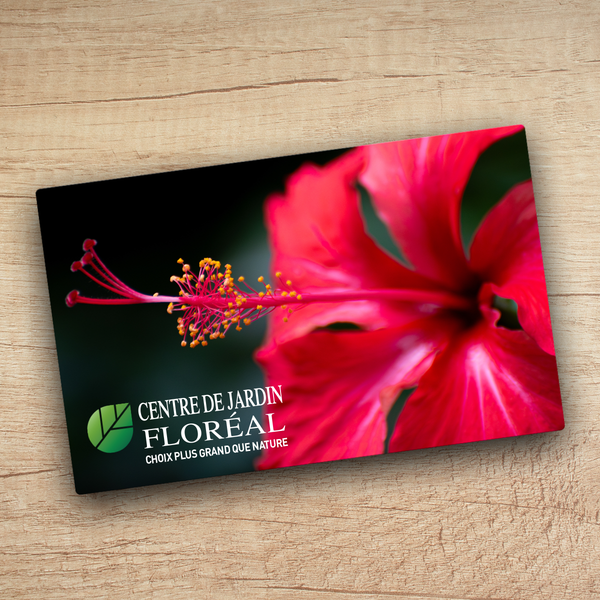

Valide uniquement dans la succursale choisie lors de l’achat.
Choisir la carte en magasinTout pour semer, planter et faire pousser.
 Outils
 Compostage et écologie