Sale
Sold out

Annual flower
Asteraceae
Organic seeds
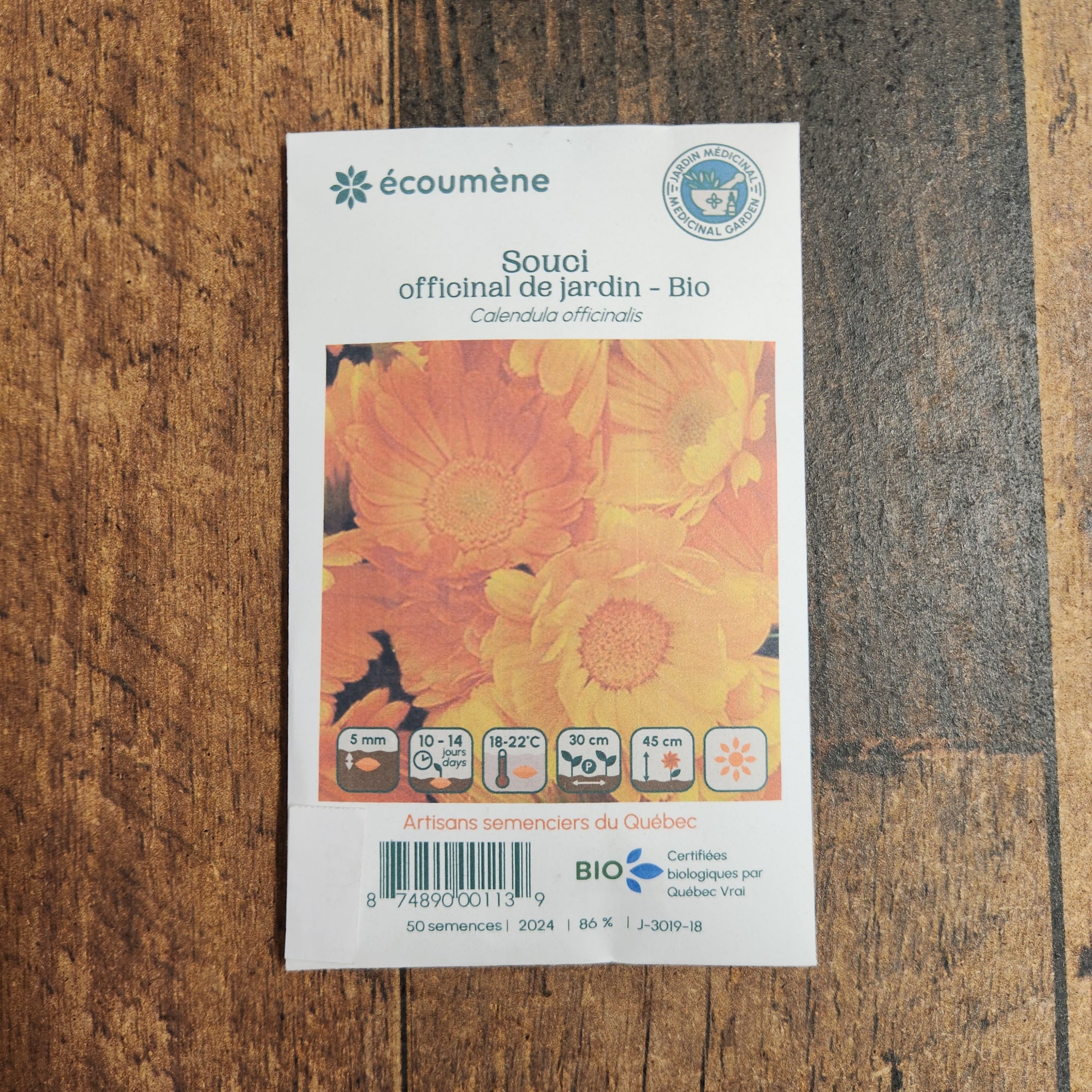
Garden Marigold (Calendula officinalis)
Product code : JAREC-0218
Pot Marigold lights up flowerbeds and vegetable gardens with its vibrant orange flowers, radiating like little suns, blooming generously from spring to autumn. Its flexible, bushy habit allows it to integrate well both as an edging plant and between vegetables, where it adds color, biodiversity, and rustic charm. In the garden, it loves sun and adapts to a wide range of well-drained soils, making it a reliable choice for beginner and experienced gardeners alike. Its rapid growth and continuous flowering invite frequent harvesting, whether for bouquets, infusions, or artisanal preparations.
- Quantity
- Approximately 50 seeds
- Exposure
- Sun
- Life cycle
- Annual
Discover the plant
Common nameEnglish Marigold
FamilyAsteraceae
GenusMarigold
Speciesofficinalis
TypeAnnual flower
Botanical nameCalendula officinalis
Reproducible seedsYes
Garden Marigold (Calendula officinalis). The garden marigold brightens flowerbeds and vegetable gardens with its vibrant orange flowers, radiating like small suns, which bloom generously from spring to autumn. Its flexible and bushy habit allows it to fit in as a border or between vegetables, where it adds color, biodiversity, and rustic charm. In the garden, it loves the sun and adapts to a wide range of well-drained soils, making it a sure bet for both beginner and experienced gardeners. Its rapid growth and continuous flowering encourage frequent harvesting, whether for bouquets, infusions, or artisanal preparations.
Recommended sowing period: May to June. The depth to respect is 1 cm (3/8 in). Germination usually takes 5 to 10 days. For germination, keep the potting soil at 18 to 21 °C (64 to 70 °F). Transplant young flowers when their true leaves have developed and their roots hold the root ball. Handle seedlings gently and avoid compressing the stem. Under lighting, gradually space out the containers so that the foliage does not overlap. Acclimatization then prepares the plants for sun, wind, and temperature variations.
Marigolds, flowers with warm tones, bring edible petals to plates. Calendula or marigold here refer to the same plant: pick a few fresh flowers and detach the petals at the time of serving. Design the composition taking into account the adult habit and the distance from which the flowers will be observed. Small corollas benefit from being placed close to a path, while a tall silhouette can serve as a landmark at the back of a bed. Repeat a few plants of the same variety to make the color legible. Keep access for cutting and avoid crowding clumps just to fill the space immediately.

Sowing guide
It all startswith a seed.
Sowing depth
1 cm (3/8 in)
Germination temperature
18 to 21 °C (64 to 70 °F)
Germination time
5 to 10 days
Sowing period
May to June
Propagation
Sowing
Growing method
Recommended sowing period: May to June. The required depth is 1 cm (3/8 in.). Germination generally takes 5 to 10 days. For germination, keep the soil at 18 to 21 °C (64 to 70 °F). Transplant young flowers when their true leaves have developed and their roots hold the root ball. Handle seedlings delicately and avoid compressing the stem. Under grow lights, progressively space out the containers so that the foliage does not overlap. Acclimatization then prepares the plants for sun, wind, and temperature variations. Planting out is done when conditions match their hardiness. Observe the succession of buds, open flowers, and withered parts to choose appropriate interventions. A cut should preserve the shoots that will flower next. For tall-stemmed plants, check supports after a windy period. Light pruning helps maintain the plant's shape without stripping it bare. Adapt end-of-season care to the plant's cycle: annuals and perennials do not require the same winter preparation. Choose between prolonging flowering and collecting seeds from a few stems.
Soil and care
The right care,at the right time.
Care level
Regular during establishment, then adapted to growing conditions
Watering
Moderate
Soil type
Well drained
Fertilization
Fertilisation supports growth and takes into account nutrients already present in the soil or potting mix. Use mature compost or a fertilizer suited to the crop, following the dosage instructions. Avoid using multiple products, especially in a container where roots occupy a limited volume. Water as needed after application and observe foliage development before re-fertilizing.
Moisture
Keep the soil moist during germination, with no standing water; then adjust according to the crop.
Seasonal care
Marigolds, warm-toned flowers, bring edible petals to dishes. Calendula or marigold here refer to the same plant: pick a few fresh flowers and separate the petals just before serving. Transplant young flowers when their true leaves have developed and their roots hold the root ball. Handle the seedlings gently and avoid compressing the stem. Under lighting, gradually space out the containers so that the foliage does not overlap. Acclimatization then prepares the plants for sun, wind, and temperature variations. Planting takes place when conditions match their hardiness. Observe the succession of buds, open flowers, and faded parts to choose the useful interventions. A cut should preserve the shoots that will flower afterward. On tall-stemmed plants, check the supports after a windy period. Light pruning helps maintain the silhouette without stripping it bare. Adapt the end of the season to the plant's cycle: annuals and perennials do not require the same preparation for winter. Choose between extending flowering and keeping seeds on some stems. Removing faded flowers is suitable for many annuals, while capsules and dry inflorescences can have decorative interest. Keep plants identified when they no longer bear flowers and remove spontaneous seedlings that are in a pathway. Its rapid growth and continuous flowering invite frequent harvesting, whether for bouquets, infusions, or artisanal preparations.
Container growing
A garden,within reach.
Recommended pot size
Pierced and sturdy container, wide enough for the plant to spread out and deep enough for the roots.
Choose this exposure: full sun. Reserve this spread around the plant: 30 to 40 cm (12 to 16 in). A flowering container arrangement must allow space for each plant to grow. Place upright forms where they remain visible and let trailing stems occupy the edge when present. Ensure that combined plants share the desired exposure and moisture. After a few weeks, observe the areas that are becoming dense and only remove damaged parts or stems that hinder the balance of the arrangement. Garden marigolds brighten flowerbeds and vegetable gardens with their vibrant orange flowers, radiant like little suns, which bloom generously from spring to autumn. Its flexible, bushy habit allows it to fit in well as a border or between vegetables, where it adds color, biodiversity, and rustic charm. In the garden, it loves the sun and adapts to a wide range of well-drained soils, making it a reliable choice for both beginner and experienced gardeners. Its rapid growth and continuous flowering invite frequent harvesting, whether for bouquets, infusions, or artisanal preparations.
Bloom and dimensions
Its place,in your garden.
Mature height
50 to 60 cm (20 to 24 in)
Width / spread
30 to 40 cm (12 to 16 in.)
Foliage type
Seasonal foliage
Growth habit
Bushy
Bloom period
June to October
Fruiting
Its rapid growth and continuous flowering invite frequent harvesting, whether for bouquets, infusions, or artisanal preparations. Choose between prolonging flowering and keeping seeds on a few stems. Removing spent flowers is suitable for many annuals, while dried capsules and inflorescences can have decorative appeal. Keep plants identified when they are no longer flowering and remove spontaneous seedlings that are blocking a path.
Harvest
June to October

Garden associations
In goodcompany.
Companion plants
In a diversified plantation, you can reserve neighboring sections for the following plants: tomatoes, cucumbers, carrots, basil. The purpose of this association is to organize space and harvests. Respect the height, light, and water needs of each plant, without crowding the foliage. Maintain a pathway for watering and harvesting, then remove finished crops to free up space. This organization facilitates maintenance without promising protection against pests. Design the layout taking into account the mature habit of the plants and the distance from which the flowers will be observed.
Recipe idea
From the gardento your plate.
Edible parts
Petals
Cooking Idea with Pot Marigold: Floral Salad for Four Servings. Wash and spin 150g of lettuce, add a small sliced cucumber, then season with 15ml of oil and 10ml of lemon juice. Finish with a small handful of edible petals, or a few nasturtium flowers and young leaves. Use only the edible parts of a properly identified plant grown without treatments incompatible with consumption. Add the flowers at the last moment to preserve their shape. Serve immediately. Prepare the ingredients with clean utensils and adjust the cutting to the size of your harvest. This recipe highlights freshly picked parts: remove any damaged pieces before preparation. If you double the quantities, ensure enough space in the dish for mixing or even cooking. Quickly refrigerate leftovers in a sealed container and consume them within two days. For a meal for two people, simply divide all quantities by two.
Frequently asked questions
Your questions,answered.
How to successfully sow Pot Marigold seeds?
Recommended sowing period: May to June. The recommended depth is 1 cm (3/8 in). Germination usually takes 5 to 10 days. For germination, maintain the potting mix at 18 to 21 °C (64 to 70 °F). Transplant young flowers when their true leaves have developed and their roots hold the root ball. Handle seedlings gently and avoid compressing the stem. Under lights, gradually space out the containers so that the foliage does not overlap. Acclimatization then prepares the plants for sun, wind, and temperature variations. Planting out is done when conditions match their hardiness.
Can you grow Calendula in a pot?
Choose this exposure: full sun. Reserve this spread around the plant: 30 to 40 cm (12 to 16 in.). A flowering container composition must leave room for each plant to grow. Place upright forms where they remain visible and allow trailing stems to occupy the edge when present. Ensure that combined plants share the desired exposure and humidity. After a few weeks, observe the areas that are becoming denser and only remove damaged parts or stems that interfere with the composition's balance. Garden Marigold brightens up flowerbeds and vegetable gardens with its vibrant orange flowers, radiating like small suns, which bloom generously from spring to autumn.
When to harvest Garden Marigold?
Its rapid growth and continuous flowering encourage frequent harvesting, whether for bouquets, infusions, or artisanal preparations. Choose between extending the flowering period and keeping seeds on a few stems. Removing spent flowers is suitable for many annuals, while dried capsules and inflorescences can have decorative appeal. Keep plants identified when they are no longer flowering and remove volunteer seedlings that obstruct a pathway. Observe the succession of buds, open flowers, and faded parts to decide on useful interventions. A cut should preserve the shoots that will flower next.
How to enjoy calendula in the garden?
Calendula, with its warm hues, offers edible petals for dishes. Calendula or marigold refer to the same plant here: pick a few fresh flowers and detach the petals just before serving. The garden calendula illuminates flowerbeds and vegetable patches with its bright orange flowers, radiant like small suns, which bloom profusely from spring to autumn. Its flexible and bushy habit allows it to integrate well both as a border plant and among vegetables, where it adds color, biodiversity, and rustic charm. In the garden, it loves the sun and adapts to a wide range of well-drained soils, making it a reliable choice for both beginner and experienced gardeners.
How to organize a marigold garden planting?
Draw the composition taking into account the adult habit and the distance from which the flowers will be observed. Small corollas benefit from being placed near a path, while a tall silhouette can serve as a landmark at the back of a bed. Repeat a few plants of the same variety to make the color legible. Keep access for cutting and avoid planting clumps too close together just to fill the space immediately. Observe the succession of buds, open flowers, and faded parts to choose useful interventions. A cut should preserve the shoots that will flower next. On tall-stemmed plants, check the supports after a windy period.
Wildlife and pets
Life,around your plants.
Supporting wildlife
Flowers can host pollinating insects during the season. Plant several plants in a sunny area accessible to visitors, then avoid treating open flowers. Keep some of the blooms in the garden if you also cut stems for bouquets.
For a great start to your seeds
The right extras.Right here.
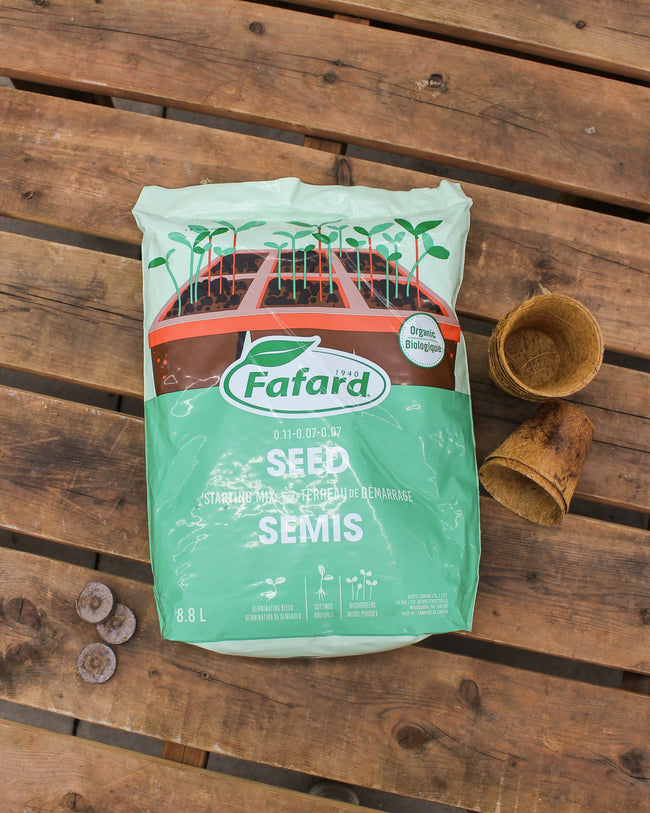
Seed Starting Soil
Shop the collectionSeed starting supplies
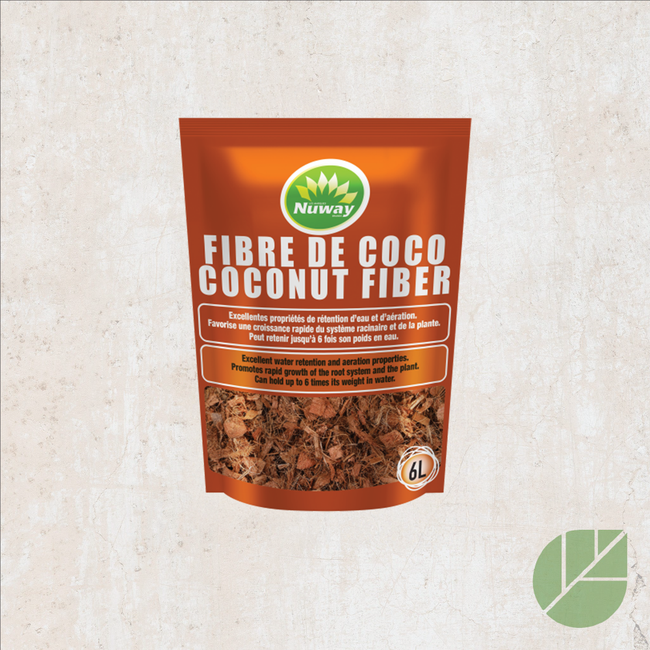
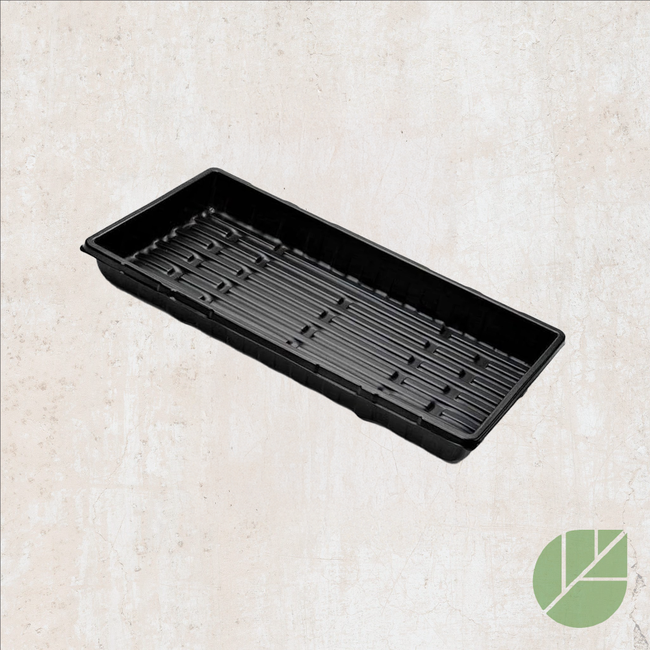
Shop the collection