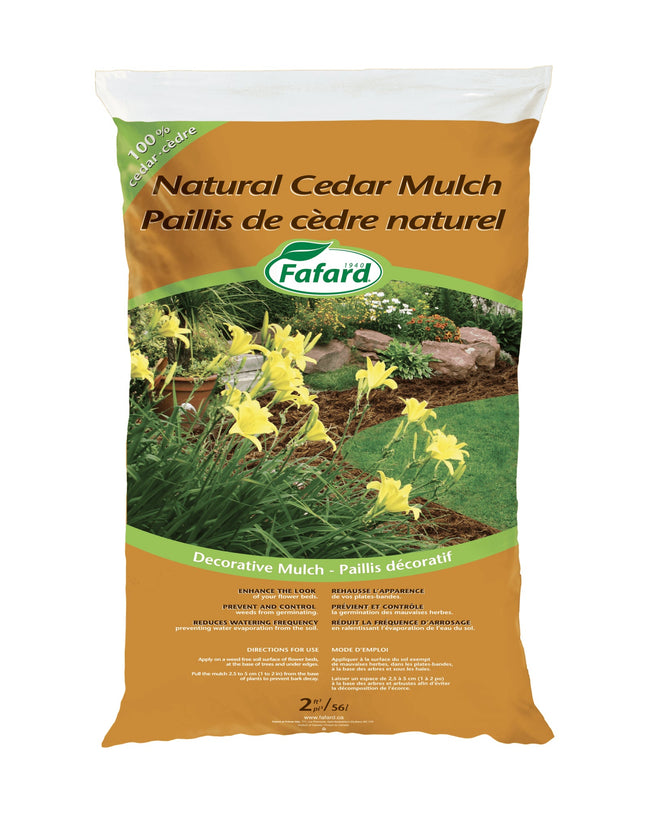
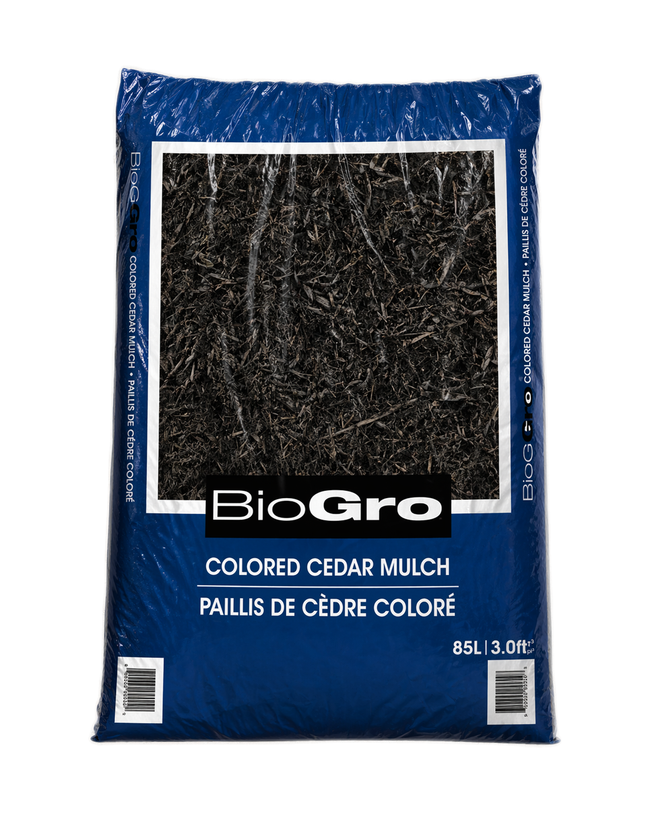
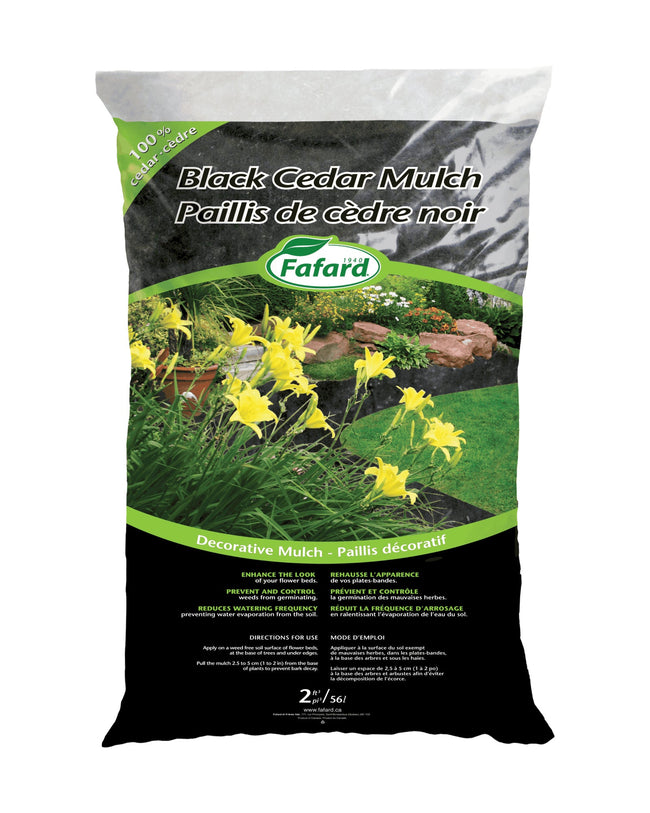
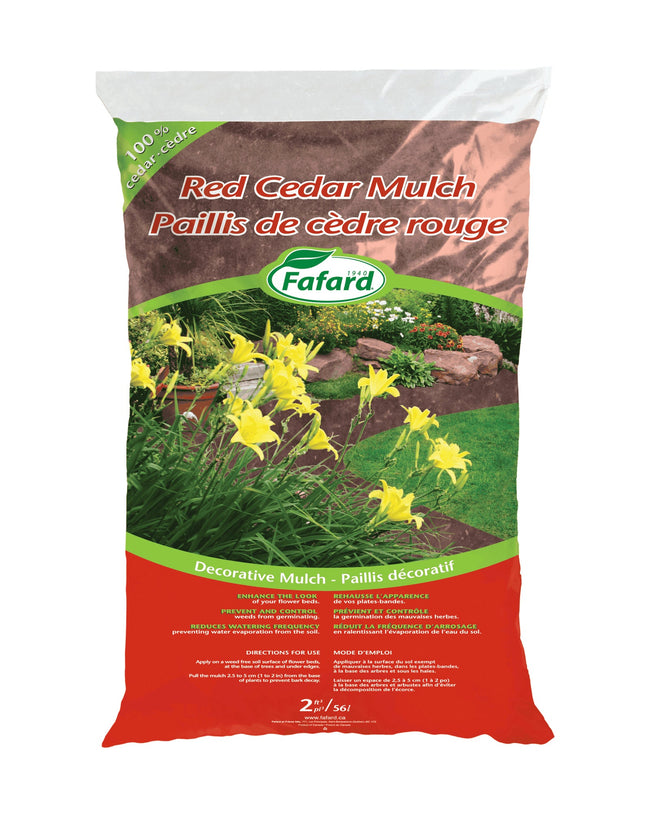
Bionik marine and forest compost 0.6-1.8-0.13$9.99
SaleSold out

Rosaceae
Trees and shrubs
Japanese Spiraea 'Flaming Elf'
Japanese Spiraea
Pair it with
Bionik marine and forest compost 0.6-1.8-0.13$9.99Choose the essentials to add to your selection.
Title
$19.95
Each store has its own inventory.
Products and available quantities may vary between Brossard and Laval. To check a store’s inventory, please contact us directly.
Even better: visit us in store to discover the full selection available!
- Exposure
- Sun
- Hardiness
- Zone 3
Discover the plant
Common nameJapanese spirea 'Flaming Elf'
FamilyRosaceae
GenusSpiraea
SpeciesJaponica
CultivarFlaming Elf
TypeDwarf ornamental shrub
Botanical nameJapanese Spiraea
Japanese Spiraea ‘Flaming Elf’ (Spiraea japonica ‘Flaming Elf’). Spiraea japonica ‘Flaming Elf’, commonly known as Japanese Spiraea ‘Flaming Elf’, is a dwarf deciduous shrub with a very compact and rounded habit, appreciated for its brightly colored foliage and abundant summer flowering. In spring, its young shoots emerge a vibrant orange-red, then evolve to a luminous golden yellow in summer before returning to coppery red hues in autumn. This succession of colors creates prolonged decorative interest from spring to autumn. In summer, it is covered with flat corymbs composed of small, deep pink flowers, which are melliferous and attractive to pollinators.
To plant Japanese Spiraea ‘Flaming Elf’, choose a suitable exposure: full sun. The recommended soil is neutral to slightly acidic, well-drained. Water the root ball before planting it in the ground and ensure that water can drain after planting. During recovery, check the moisture by hand before watering again. Spread mulch around the base, leaving the crown clear. Avoid systematic fertilizer applications without considering soil richness. In Quebec, choose a period when the soil is thawed and easy to work with.
Allow a width of 0.6 m (2 ft) to organize the placement of this plant in the garden. The indicated height of 0.6 m (2 ft) helps to choose its position relative to neighboring plants. Keep access to the base for weeding, checking moisture, and removing damaged parts. Associate this variety with plants whose light and water needs are compatible. If you are considering a container, first check that its volume and drainage are suitable for root development. Potted roots are more exposed to cold than those planted directly in the ground.

Soil and care
The right care,at the right time.
Minimum temperature
-35°C
Watering
Moderate watering
Soil type
Neutral to slightly acidic, well drained
Fertilization
Weak, compost in spring if necessary.
Bloom and dimensions
Its place,in your garden.
Mature height
0.6 m (2 ft)
Width / spread
0.6 m (2 ft)
Flower color
Red
Foliage color
Green
Foliage type
Obsolete
Growth rate
Moderate
Growth habit
Very compact, rounded, dense
Bloom period
Summer
Fruiting
Small, dry, ornamentally uninteresting capsules
Wildlife and pets
Life,around your plants.
Supporting wildlife
Yes
For your trees, shrubs and conifers
The right extras.Right here.
Tree and Shrub Fertilizer
Shop the collection