Sale
Sold out

Fruiting vegetable
Solanaceae
Organic fruiting vegetable seeds
Organic mild aromatic 'Trinidad Perfume' pepper
Capsicum chinense
Product code : BIOVO-0115
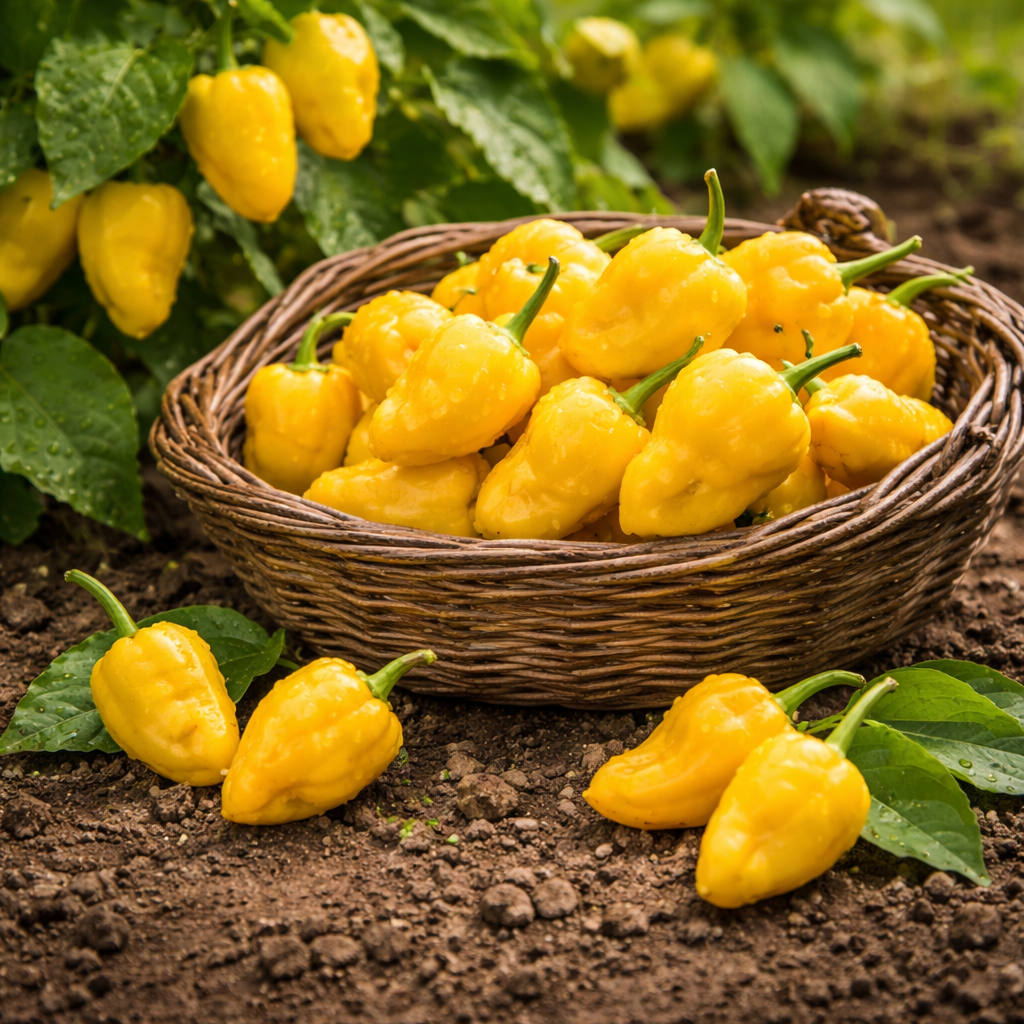
Organic 'Trinidad Perfume' combines the fruity tropical fragrance of Capsicum chinense with very mild heat. Small, lightly lobed fruit ripens from light green to bright yellow and has relatively thin walls. Sources report approximately 0 to 700 Scoville units among seed lots, so taste each harvest before adjusting a recipe. Start seed indoors with steady warmth, then transplant only after frost when nights are mild. Full sun, fertile freely draining soil, even moisture, and a warm season support fruiting. Harvest at final yellow colour for the fullest fragrance. This open-pollinated variety also suits a large container positioned in the warmest part of a patio. A light support helps protect branches carrying many fruits. These mild pepper seeds produce a distinctive Trinidad Perfume pepper for warm gardens.
- Exposure
- Sun
- Life cycle
- Annual in Canadian gardens; frost-tender perennial where frost-free
Discover the plant
Common nameMild aromatic 'Trinidad Perfume' pepper
FamilySolanaceae
GenusCapsicum
Specieschinense
CultivarTrinidad Perfume
TypeFruiting vegetable
Botanical nameCapsicum chinense
Reproducible seedsYes
Organic mild aromatic 'Trinidad Perfume' pepper (Capsicum chinense) is an open-pollinated variety from Trinidad and Tobago. Small, lightly lobed fruit changes from light green to bright yellow and develops the fruity tropical fragrance associated with habanero-type peppers, but with very little heat. Consulted variety descriptions report approximately 0 to 700 Scoville units according to lineage and seed harvest, so taste each harvest cautiously because a small amount of heat remains possible. Fruit generally measures around 2.5 to 4 cm and has relatively thin walls. This organic seed suits flavour-focused gardens and large warm containers. Its unusual colour and fragrance make harvest especially distinctive.
Start seed indoors eight to ten weeks before the last frost, approximately 5 or 6 mm (1/4 in) deep. Keep the mix warm and moist without saturation because Capsicum chinense may emerge slowly when the medium cools. Give seedlings intense light and good airflow immediately after germination. Pot on after the first true leaves establish, then harden plants gradually. Transplant only after frost danger has passed, soil has warmed, and nights remain mild. Provide full sun, fertile soil amended with mature compost, reliable drainage, and even moisture. A light stake becomes useful when branches carry many fruits. Avoid excessive nitrogen that produces leaves at the expense of flowers and fruit.
Harvest when fruit reaches its final yellow colour and fragrance is well developed. Catalogues generally list approximately 90 to 100 days, although starting points and conditions differ, so treat this range as guidance. Cut stems with a clean tool instead of pulling branches. Use 'Trinidad Perfume' fresh in salsa and salads, or cook it into sauces, curries, refrigerated marinades, and stews to add tropical character without strong heat. Wear gloves if skin reacts to peppers and taste one small cooked portion before seasoning an entire dish. Refrigerate cut fruit promptly and follow a tested method for any shelf-stable preserve. Discard peppers showing decay and clean knives and boards after preparation.

Sowing guide
It all startswith a seed.
Sowing depth
5 to 6 mm (approximately 1/4 in)
Spacing / density
Space approximately 45 to 60 cm (18 to 24 in) apart
Germination temperature
Approximately 24 to 29 °C (75 to 85 °F)
Germination time
Approximately 10 to 14 days at 21–29°C; cooler media can extend emergence to about three weeks.
Sowing period
Indoors, 8 to 10 weeks before the last frost
Propagation
Seed
Growing method
Growing 'Trinidad Perfume' pepper from seed. Sow indoors eight to ten weeks before the last frost, 5 or 6 mm (1/4 in) deep in clean, lightly moist starting mix. After emergence, move seedlings immediately under strong light with gentle airflow so stems remain sturdy. Place 'Trinidad Perfume' before late-season crowding develops, keeping its mature habit in mind: compact, upright, and branching. A pepper seedling needs strong light, gentle airflow, and an evenly moist root zone without standing water. Label every seedling because fruit colour and heat cannot identify young pepper plants. Mild aromatic 'Trinidad Perfume' pepper needs sun; nearby walls or taller crops should not compromise it. Pot the plant up when roots occupy the starter cell, handling the root ball rather than pulling the stem. Lay out this pepper at approximately 45 to 60 cm (18 to 24 in) apart, then keep paths open instead of filling gaps with another mature crop. Mulch only after the ground has warmed, and keep the material away from the stem. As the pepper plant matures, use the expected harvest form—small, lightly lobed, habanero-type fruit with relatively thin walls—to guide support, inspection, and careful picking. Use clean, lightly moist seed-starting mix and steady bottom warmth; never leave the tray saturated. After late-season rain or wind, confirm drainage and support while preserving healthy foliage needed to finish ripening. Harvest the crop at its intended colour stage rather than by an absolute date. Use clean shears to protect loaded branches, and gather usable fruit before the first autumn frost.
Soil and care
The right care,at the right time.
Soil pH
Approximately 6.0 to 6.8
Care level
Moderate
Watering
For mild aromatic 'Trinidad Perfume' pepper, water according to soil drying rather than a fixed weekly calendar. As mild aromatic 'Trinidad Perfume' pepper's small, lightly lobed, habanero-type fruit with relatively thin walls develops on a plant with compact, upright, and branching growth, widen the wetted area with the expanding canopy and roots. Mild aromatic 'Trinidad Perfume' pepper is listed at approximately 90 to 100 days depending on the starting point and growing conditions; treat that as a planning reference and monitor moisture while later flowers and fruit are still developing.
Soil type
This pepper prefers fertile, loose, well-drained soil amended with mature compost before planting. Aim for slightly acidic to neutral conditions, around pH 6.0 to 6.8. Soil should retain enough moisture to support fruit development without staying waterlogged. Avoid compact, cold sites. In containers, use an airy vegetable potting mix and keep every drainage hole clear throughout the entire growing season, especially after heavy rain.
Fertilization
Once 'Trinidad Perfume' buds, excessive nitrogen can delay fruiting. Base extra feeding on tested need, not a calendar. mild aromatic 'Trinidad Perfume' pepper needs steady nutrition, not lush nitrogen-driven growth. Apply liquid feed only after moistening the soil. For this compact, upright, and branching pepper plant bearing small, lightly lobed, habanero-type, fruit development responds best once feeding becomes restrained. Allow time for each application to show results. For 'Trinidad Perfume', its branches should remain sturdy as fruit begins filling. Base extra feeding on tested need, not a calendar. Even moisture helps mild aromatic 'Trinidad Perfume' pepper use available nutrients consistently.
Moisture
Consistent soil moisture without saturation; good air circulation around the foliage.
Seasonal care
Seasonal care for 'Trinidad Perfume' pepper. Mild aromatic 'Trinidad Perfume' pepper begins with season-aware timing—indoors, 8 to 10 weeks before the last frost—so compare that guidance with the actual spring or autumn at your site. Label the tray or row after sowing 5 to 6 mm deep; seed generally emerges in 10 to 14 days at approximately 24 to 29 °C (75 to 85 °F), and slower seeds should not be disturbed. After emergence, give 'Trinidad Perfume' seedlings bright light and gentle air movement; pot on before roots circle densely, without burying a weak stem in wet mix. Harden the plants gradually, then transplant only after frost risk has passed, the soil is warm, and nights remain consistently mild. Choose full sun and loose fertile soil, mixing in mature compost while preserving drainage around the crown. Judge irrigation by moisture below the surface, not by a weekly schedule, and keep late-day water off the foliage. For container-grown mild aromatic 'Trinidad Perfume' pepper, use the supplied guidance—at least 15 to 20 L, approximately 30 to 35 cm (12 to 14 in) in diameter—and check drainage before growth hides the surface. During flowering, inspect 'Trinidad Perfume' foliage for pests, maintain airflow, and avoid excess nitrogen, which can favour leafy growth over flower set and fruit ripening. Follow the supplied harvest guidance—harvest at final yellow colour; approximately 90 to 100 days depending on variety description, climate, and starting point—while remembering that warmth and light still determine how quickly each fruit reaches its final stage. When 'Trinidad Perfume' fruit begins colouring, handle it with gloves until the actual heat is known and label green and fully ripe harvests separately. Before the first autumn frost, move portable pots under protection or collect sound developed fruit, then remove diseased debris from the growing area.
Container growing
A garden,within reach.
Recommended pot size
At least 15 to 20 L, approximately 30 to 35 cm (12 to 14 in) in diameter
Growing 'Trinidad Perfume' pepper in containers. For 'Trinidad Perfume', choose a container matching this guide: at least 15 to 20 L, approximately 30 to 35 cm (12 to 14 in) in diameter. Keep several drainage holes unobstructed. Fill the container with fresh, airy vegetable potting mix amended modestly with mature compost, never dense garden soil. Match 'Trinidad Perfume' to sun and observe the actual hours of unobstructed light at the site. Place the pot in full sun where heat reflected from pavement will not overheat the roots. Leave this pepper open to light, airflow, and watering at soil level. Its growth is compact, upright, and branching. Water slowly when the upper mix begins drying, continue until surplus drains, and empty the saucer. The plant produces the expected harvest form: small, lightly lobed, habanero-type fruit with relatively thin walls. Protect the developing crop from soil splash and rough handling. Rotate the container when one side receives less light, but do not twist loaded stems against their support. The spacing guidance for the crop is approximately 45 to 60 cm (18 to 24 in) apart; use it when balancing airflow with the available growing area. Prevent soil splash on lower leaves, fasten stems without constriction, and keep flower clusters and developing fruit easy to inspect. As nights cool, let the rate of mix drying guide watering, and inspect leaf undersides before sheltering the container. Let colour, firmness, and full development guide harvest rather than a fixed date. If the pot is moved before frost, check leaf undersides and keep it separate from other indoor plants.

Bloom and dimensions
Its place,in your garden.
Mature height
45 to 75 cm (18 to 30 in)
Width / spread
40 to 50 cm (16 to 20 in)
Flower color
White to greenish white
Foliage color
Green
Foliage type
Herbaceous
Growth rate
Fast
Growth habit
Compact, upright, and branching
Bloom period
'Trinidad Perfume' opens small flowers where leaves meet its stems. Protect open flowers from abrupt water stress. For mild aromatic 'Trinidad Perfume' pepper, those self-fertile blossoms precede fruit development. Keep treatments off petals and active pollinators. For this compact, upright, and branching pepper plant bearing small, lightly lobed, habanero-type, its flowering branches may shed buds during environmental stress. Keep the root zone evenly moist during bloom. 'Trinidad Perfume' may also receive pollen-moving visits from insects. Watch new flowers for recovery after stressful weather. Gentle air movement helps mild aromatic 'Trinidad Perfume' pepper release pollen.
Fruiting
Small, lightly lobed fruit forms light green, then ripens to bright yellow. A warm season, even watering, and balanced fertility support a good harvest. Heat is generally very low but can vary with seed harvest and growing conditions, so taste every harvest cautiously. Cut stems with a clean tool and support branches when they carry many peppers. Remove damaged or decaying fruit promptly.
Days to maturity
Approximately 90 to 100 days depending on the starting point and growing conditions
Harvest
Harvest at final yellow colour; approximately 90 to 100 days depending on variety description, climate, and starting point
Garden associations
In goodcompany.
Companion plants
Around Organic mild aromatic 'Trinidad Perfume' pepper, use quick low crops such as radishes, lettuce, or green onions, then harvest them before they create competition. Sweet alyssum, calendula, or phacelia can grow along the edge to support small beneficial insects. Keep the crown open and leave enough space for airflow. Companion planting never replaces rotation, drainage, weeding, soil-level watering, or regular inspection for damage. With neighbouring plants, inspect Organic mild aromatic 'Trinidad Perfume' pepper regularly and adjust care to its actual stage of growth.
Recipe idea
From the gardento your plate.
Edible parts
Fruit, after appropriate culinary preparation
'Trinidad Perfume' pepper in the kitchen. Mild coconut sauce — Wash two bright-yellow 'Trinidad Perfume' peppers. Wear gloves if skin is sensitive, remove stems and seeds, then taste one tiny cooked piece to check the heat. Soften one small chopped onion in 15 mL (1 tbsp) oil for five minutes. Add sliced peppers, one garlic clove, and 2.5 mL (1/2 tsp) grated ginger; cook for one minute. Pour in 250 mL (1 cup) coconut milk and simmer for ten minutes. Blend until smooth, add a little lime juice, and season with salt. Serve with rice or roasted vegetables. Refrigerate leftovers within two hours and use them promptly. This sauce is not shelf-stable; follow a tested recipe for any room-temperature storage. Wash hands, knife, and board after preparation, and discard fruit showing mould or decay. For a thicker sauce, reduce gently without scorching the coconut milk. Record the number of peppers used so the aromatic intensity can be reproduced.
Frequently asked questions
Your questions,answered.
When should 'Trinidad Perfume' pepper be sown in your region?
Start 'Trinidad Perfume' indoors eight to ten weeks before the expected last frost because this Capsicum chinense needs sustained warmth even though its fruit is mild. Sow 5 to 6 mm (about 1/4 in) deep in lightly moist mix at approximately 24 to 29°C (75 to 85°F). Germination may be uneven, so keep the medium warm without saturating it and do not discard a sound tray too quickly. After emergence, provide intense light and move seedlings into larger pots before they become root-bound. Harden them gradually, then transplant only after frost danger has passed and nights are reliably mild. A large movable container can help in a short season, but it still requires full sun, drainage, and shelter from cold wind.
Is 'Trinidad Perfume' truly heatless?
No. It is better described as very mild rather than completely free of heat. Consulted variety descriptions generally report 0 to 500 Scoville units, while another lists approximately 700. Seed lineage, harvest, and growing conditions can change the sensation. Taste one tiny cooked piece before adding more to a recipe and warn anyone who is sensitive. Wear gloves if skin reacts to peppers, then wash hands, knife, and board carefully. Its principal appeal remains a fruity tropical habanero-type fragrance delivered with far less heat than ordinary habaneros. Never assume that saved seed from an uncontrolled cross will retain the same mild level.
How can 'Trinidad Perfume' be used in cooking?
Begin with a small amount because the fragrance is pronounced even though heat remains low. Chop one yellow fruit into salsa, salad, or dressing, or simmer it in coconut sauce, curry, soup, or stew. Relatively thin walls also suit drying with an appropriate method, followed by grinding into seasoning powder. Taste one small cooked piece before adjusting the whole dish. Wear gloves when needed and avoid touching eyes. Refrigerate fresh preparations promptly. For a marinade or shelf-stable preserve, follow a tested recipe exactly instead of improvising acidity or processing. Clearly label dried powder so it is not confused with a completely heatless seasoning.
Can 'Trinidad Perfume' be grown in a container?
Yes. A stable 15 to 20 L container, approximately 30 to 35 cm (12 to 14 in) in diameter, provides enough room when it has several drainage holes. Fill it with airy vegetable potting mix amended with compost. Place the pot in full sun in a warm, sheltered location, then water slowly when the surface begins to dry. Do not leave water standing in the saucer. Moderate fertilizer after fruit set supports the harvest without promoting only foliage. Rotate the container when needed for even light, add a small stake if branches bend under fruit, and check moisture daily during hot windy weather.
When should 'Trinidad Perfume' fruit be harvested?
Harvest as fruit changes from light green to its final bright yellow and fragrance becomes fully developed. Consulted catalogues generally list approximately 90 to 100 days, but they do not all use the same starting point and conditions strongly affect Capsicum chinense. Treat this range as guidance. Judge colour, firmness, and aroma, then cut stems with a clean tool. Pick regularly to support continued production. Before the first cold nights, gather remaining usable fruit. Refrigerate cut or damaged peppers promptly and discard any showing decay. Record transplant and first-yellow-harvest dates so the next indoor sowing schedule can be adjusted to local conditions.
Wildlife and pets
Life,around your plants.
Supporting wildlife
Trinidad Perfume flowers are self-fertile, so the aromatic yellow fruit can form without insect pollination. Bees may still visit and add useful vibration around the anthers. This small benefit is temporary and not unique to the cultivar. Avoid treating open blooms when insects are active, and maintain other flowers to supply dependable nectar and pollen.
For a great start to your seeds
The right extras.Right here.
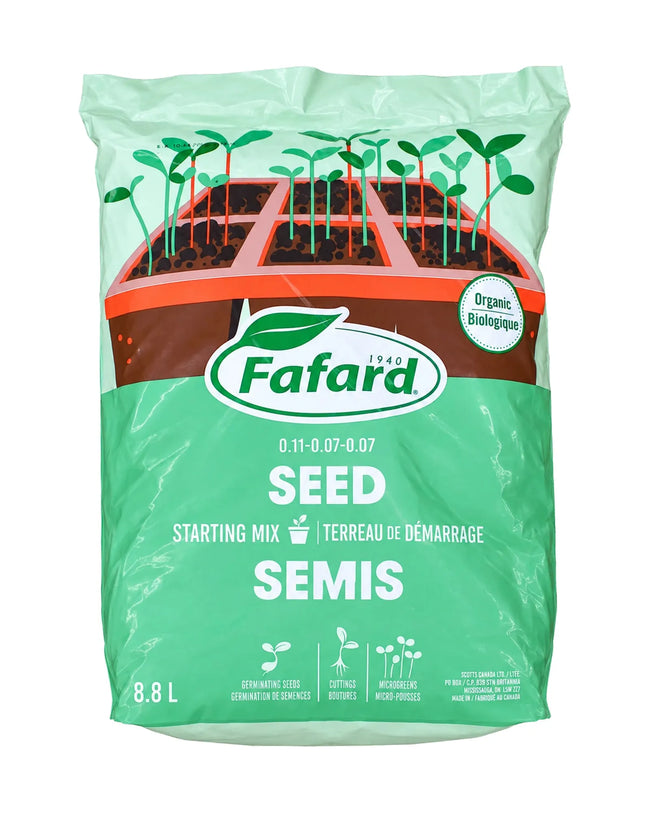
Seed Starting Soil
Shop the collectionSeed starting supplies
Shop the collection