Sale
Sold out

Oleaceae
Trees and shrubs
Common Lilac ‘Charles Joly’
Common lilac
Each store has its own inventory.
Products and available quantities may vary between Brossard and Laval. To check a store’s inventory, please contact us directly.
Even better: visit us in store to discover the full selection available!
- Exposure
- Sun
- Hardiness
- Zone 3
Discover the plant
Common nameCommon lilac
FamilyOleaceae
GenusLilac
Speciescommon
CultivarCharles Joly
TypeShrub
Botanical nameCommon lilac
Common Lilac ‘Charles Joly’ (Syringa vulgaris ‘Charles Joly’). Syringa vulgaris ‘Charles Joly’ is a popular common lilac cherished for its large, intensely fragrant, double, deep reddish-purple panicles. This deciduous shrub develops an upright, structured habit, taller than wide, making it ideal for flowering hedges, mass plantings, and as a specimen plant. In spring, its abundant bloom creates a voluminous and spectacular effect, with double flowers offering a rich and deep texture to the garden. Its heart-shaped, medium-green foliage maintains good summer density and highlights the sustained flowering.
To plant Common Lilac ‘Charles Joly’, choose an appropriate exposure: full sun. The recommended soil is: well-drained, tolerates calcareous soils. Allow the lilac enough space for light to reach its branches. Significant pruning before flowering can remove already formed buds. If intervention is necessary, adapt it to the type of lilac and first observe the flower-bearing branches. Water the root ball before planting and ensure water can drain after planting. During establishment, check moisture by hand before watering again.
Allow a width of 3 m (10 ft) to plan this plant's placement in the garden. The indicated height of 4 m (13 ft) helps in choosing its position relative to neighboring plants. Maintain access to the base for weeding, checking moisture, and removing damaged parts. Pair this variety with plants that have compatible light and water needs. If you are considering a container, first ensure its volume and drainage are suitable for root development. Roots in pots are more exposed to cold than those planted in the ground.

Soil and care
The right care,at the right time.
Minimum temperature
'-40°C
Watering
Moderate watering
Soil type
Neutral to slightly alkaline, well drained
Fertilization
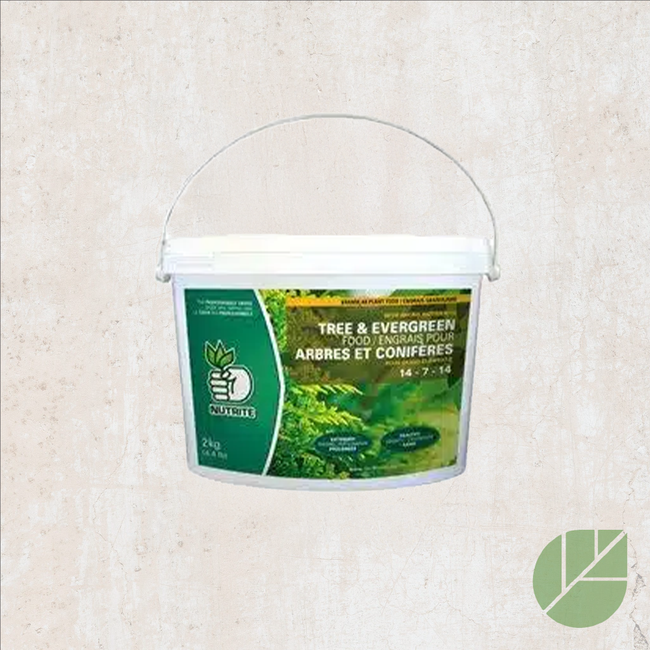
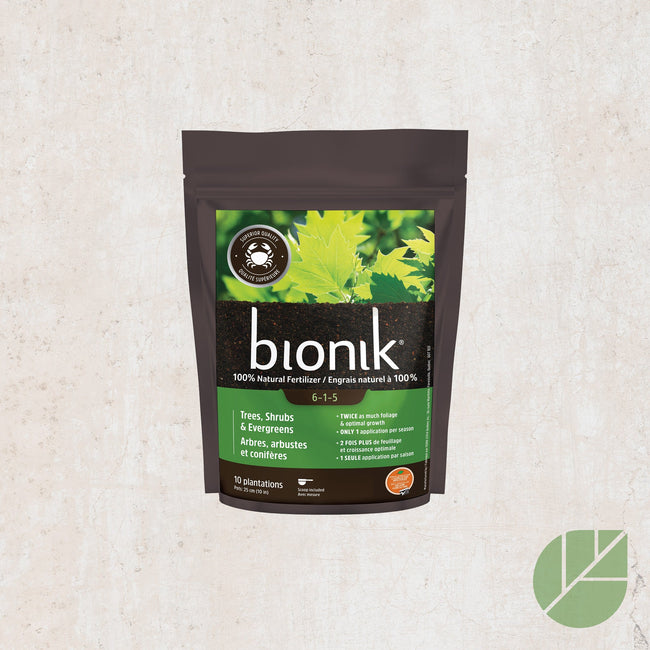
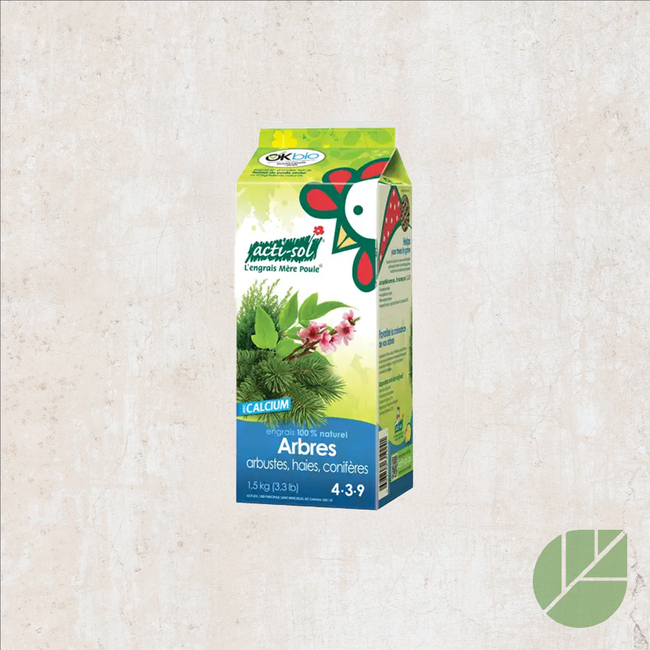
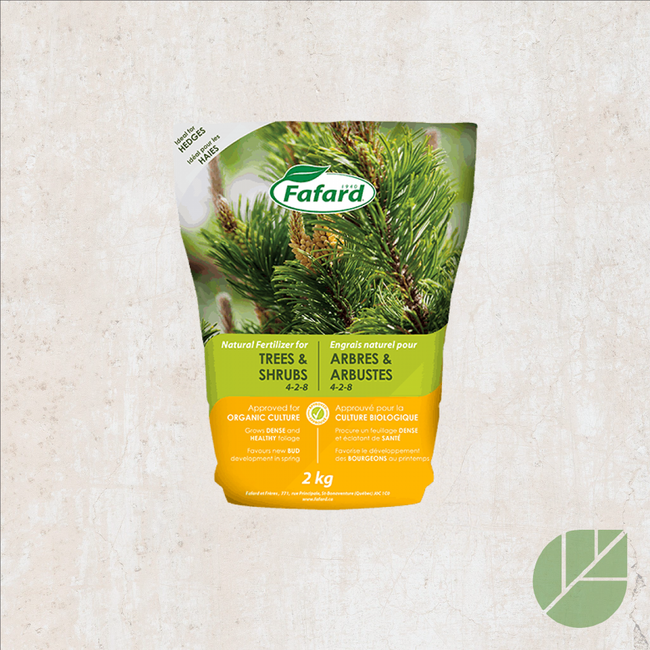
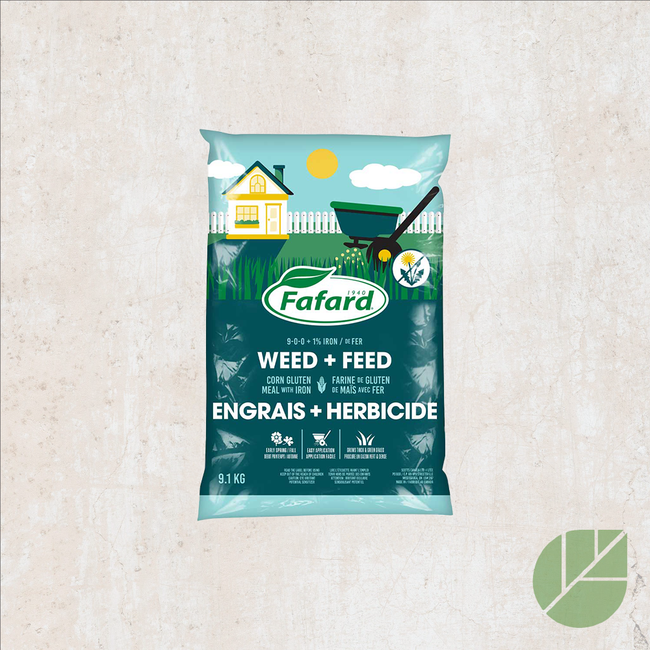
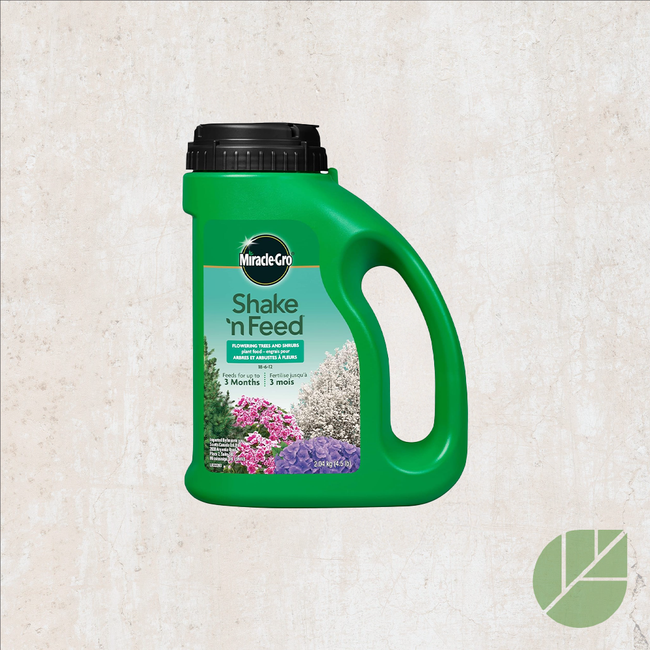
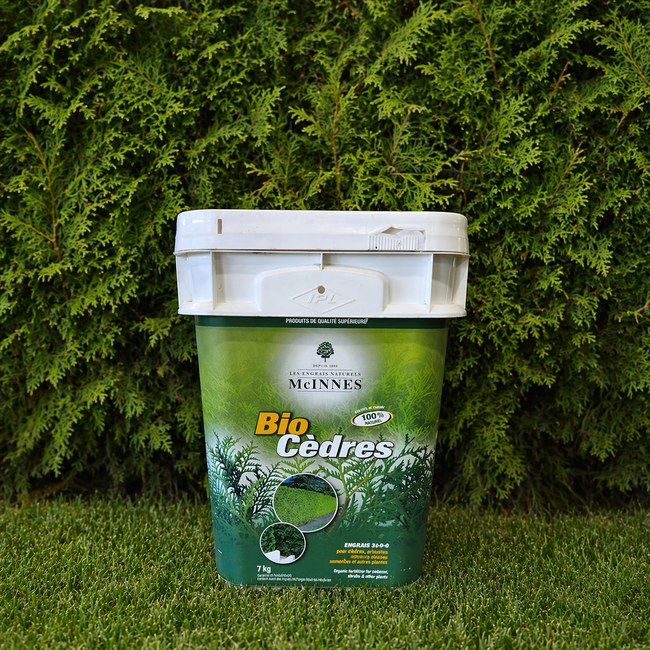
Slow-release fertilizer 14-7-14 or 4-2-8. Fertilize monthly or as directed on the bag. Add Myke at planting.
Bloom and dimensions
Its place,in your garden.
Mature height
3 to 4 m (10 to 13 feet)
Width / spread
2.5 m (8 feet)
Flower color
Purple
Foliage color
Green
Foliage type
Obsolete
Growth rate
average
Growth habit
Erected and structured
Bloom period
Spring
Fruiting
Discreet, non-ornamental dried fruits.
Harvest
TRUE
Wildlife and pets
Life,around your plants.
Supporting wildlife
Yes
For your trees, shrubs and conifers
The right extras.Right here.
Tree and Shrub Fertilizer
Shop the collection