Sale
Sold out

Seeds
Cucurbitaceae
Organic seeds
Kiwano melon organic
Cucumis metuliferus
Product code : TOURNE-0092
Kiwano is an organic annual vine developed for short growing seasons. In about 75 days, its long vines produce horned fruits that turn yellow-orange when ripe and reveal refreshing lime-green, jelly-like pulp. It performs best in full sun, warm fertile soil with good drainage, and consistently supplied moisture. Seeds may be started indoors before the last frost or sown directly once the garden soil is warm. This packet of 25 seeds is a practical choice for Canadian gardeners who want to harvest a flavourful homegrown kiwano even where the frost-free season is relatively brief. Its practical fruit size also makes serving and storage more convenient after harvest.
- Quantity
- 25 seeds
- Exposure
- Full sun
- Life cycle
- Annual
Discover the plant
Common nameKiwano melon; African horned cucumber
FamilyCucurbitaceae
GenusCucumis
Speciesmetuliferus
TypeSeeds
Botanical nameCucumis metuliferus
Reproducible seedsYes
Kiwano melon organic (Cucumis metuliferus), also called African horned cucumber, is an organic annual grown for fruit that is both decorative and edible. Vigorous vines bear oval, spiny fruits that begin green and turn yellow-orange when ripe. Inside, refreshing lime-green, jelly-like pulp has flavours reminiscent of grape, banana, and cucumber. Ferme Tourne-Sol lists approximately 75 days to maturity and supplies 25 seeds per packet. Native to central and southern Africa, this member of the cucumber family enjoys heat, full sun, and enough space for its vines to trail or climb on a strong support.
Start seeds indoors about four weeks before the last frost to provide enough growing time in cool regions. Sow in individual containers and keep seedlings warm under abundant light. Transplant only after frost danger has passed, when nights are mild and the soil is thoroughly warm. Choose fertile, loose, slightly sandy soil with good drainage. A sturdy trellis improves airflow and keeps the unusual fruit visible. Water regularly at soil level without leaving roots waterlogged, and avoid excessive nitrogen that produces vigorous foliage at the expense of flowers and fruit. Guide young vines before they become tangled with nearby crops.
Harvest when the rind changes from green to yellow-orange; this colour development indicates that ripening has begun and eating quality has improved. Wear gloves when cutting fruit because the horns can be sharp, and avoid stacking harvested kiwanos where their spines may puncture neighbouring fruit. Cut a ripe fruit in half, then scoop out the pulp or add it to salads, drinks, and desserts. Consume only properly identified, ripe, non-bitter fruit. If the pulp has an unusually intense bitter taste, spit it out and discard the entire fruit because bitter forms can contain harmful cucurbitacins.

Sowing guide
It all startswith a seed.
Sowing depth
2.5 cm (1 in)
Spacing / density
60 to 120 cm (24 to 48 in) between plants; 1.2 to 1.8 m (4 to 6 ft) between rows
Germination temperature
About 29°C (85°F); direct sow when soil reaches at least 18°C (65°F)
Germination time
5 to 10 days
Sowing period
Indoors 4 weeks before the last frost; transplant after all danger of frost
Propagation
Seed
Growing method
Start seeds indoors 3 to 4 weeks before the last frost in individual containers, or direct sow when soil reaches at least 18°C. Plant about 2.5 cm deep and keep the medium moist, warm, and brightly lit after emergence. Harden seedlings off gradually before transplanting because kiwano is frost tender and its roots dislike disturbance. Set plants in full sun and fertile, loose, well-drained soil. Allow 60 to 120 cm between plants and generous room between rows for the long vines. Black plastic laid before planting can warm the soil and help advance the crop. Water deeply at soil level, then let the surface begin to dry before watering again. Remove floating row covers when flowers appear so pollinating insects can reach them. Avoid excessive nitrogen, which can promote leaves and vines at the expense of fruit. Harvest begins around 75 days after planting, although local heat and growing conditions influence the exact date. Protect young plants temporarily during unexpectedly cool nights. Once fruit forms, a small board placed underneath can separate the rind from damp soil without restricting airflow. Inspect foliage regularly and remove weeds while they are small so roots and vines are not disturbed later.
Soil and care
The right care,at the right time.
Care level
Intermediate
Watering
Water deeply and less frequently, supplying about 2.5 to 5 cm per week depending on rain, heat, and soil type. Direct water to the base to keep foliage drier. Maintain dependable moisture during flowering and fruit enlargement, then reduce the amount slightly as harvest approaches to help concentrate flavour and avoid sudden fluctuations. Mulch helps reduce evaporation and keeps moisture changes more gradual around the root zone.
Soil type
This variety prefers fertile, loose soil rich in organic matter with excellent drainage. Sandy soil or a light loam warms quickly in spring and keeps roots well aerated. Add mature compost according to the soil’s needs, and plant on a mound where drainage is slow. Black plastic can retain heat, conserve moisture, and help suppress weeds during establishment. Keep the surface free of hard crusting and standing water.
Fertilization
Before planting, test the soil and add mature compost or a complete fertilizer only as needed. When vines begin to run, a light side-dressing of nitrogen can support growth. Avoid overfeeding because excessive nitrogen produces abundant foliage and may delay fruit set. Keep fertilizer away from stems and water after applying it to the soil. This approach keeps vegetative growth and fruit production better balanced throughout the summer.
Seasonal care
In spring, prepare a site with full sun and wait until the soil has warmed before planting. Start seeds indoors in individual containers to protect the roots during transplanting. Harden young plants over several days, then set them outside only after frost danger has passed. Black plastic or a protective cover can speed early growth, but remove any cover when flowers open so pollinators can enter. In summer, check moisture beneath the mulch and water deeply when the soil begins to dry. Guide vines into their allotted space without crushing them and keep weeds from competing for water and nutrients. Inspect leaf undersides and stems regularly so insect or disease symptoms are noticed early. Avoid excessive nitrogen after fruiting begins. Late in summer, reduce watering slightly while fruits mature. Harvest when the rind changes from green to yellow-orange, and wear gloves to avoid the sharp horns. Remove diseased debris after harvest; healthy residue may be composted. Rotate to a different plant family the following season to reduce recurring cucurbit problems. Avoid turning developing fruit unnecessarily because the stem can be damaged. A clean board beneath each melon limits prolonged contact with wet soil. Keep records of planting, flowering, and harvest dates to refine timing in future seasons. Before cutting harvested fruit, wash and scrub the rind under running water, dry it, and use clean utensils.
Container growing
A garden,within reach.
Recommended pot size
At least 50 to 75 L (13 to 20 gal), one plant per container
Container growing is possible, but it requires a very large volume of potting mix and room for the vines. Choose a stable container holding at least 50 to 75 L with several drainage holes, and fill it with rich, airy potting mix instead of compact garden soil. Place it in full sun and away from cold winds. Grow one plant per container and direct the vines along the ground or over a sturdy trellis. Guide fruit away from walkways so the horns do not scratch people passing nearby. Check moisture daily during hot weather: water thoroughly, let the excess drain, and never leave the pot standing in water. Surface mulch slows drying. Apply a balanced fertilizer at a low rate according to its directions, avoiding excessive nitrogen. Because container mix warms and dries faster than garden soil, consistent monitoring is essential. Keep flowers accessible to insects; hand pollination may help fruit set on a balcony that receives few pollinator visits. Decide on the final location before vines lengthen because moving or turning the container later can break stems. Protect the plant during cold early-season nights, and ensure neighbouring pots do not shade its foliage or flowers.

Bloom and dimensions
Its place,in your garden.
Mature height
Jusqu’à 2 m avec tuteurage
Width / spread
1.5 to 3 m
Foliage color
Green
Foliage type
Herbaceous
Growth rate
Fast
Growth habit
Trailing or climbing
Fruiting
Oval fruits carry prominent horns. The pale green rind becomes yellow-orange when ripe, while the pulp remains lime green, jelly-like, and filled with seeds. Fruits closest to the centre of the plant often mature first. Harvest with gloves at about 75 days and avoid stacking them so their sharp spines do not puncture or damage neighbouring fruit during handling and storage.
Days to maturity
75 days
Harvest
About 75 days; harvest when fruits change from green to yellow-orange

Garden associations
In goodcompany.
Companion plants
Melon ‘Kiwano’ can be paired with plants that require comparable light, soil, and watering. Groupings are easier to maintain when each plant keeps enough space and receives sufficient light. Suggested companions are primarily planning tools; undocumented incompatibilities should not be treated as absolute rules. The information on this page helps gardeners plan each stage according to the actual conditions in their garden. Regular observation of the soil, foliage, and overall growth makes it easier to adjust care throughout the season. For best results, choose a suitable location and keep moisture steady while the plants become established.
Recipe idea
From the gardento your plate.
Edible parts
Pulp and seeds of a ripe, properly identified, non-bitter fruit
For a refreshing parfait, wear gloves, wash a ripe yellow-orange fruit, and cut it in half on a stable board. Scoop out the lime-green pulp and combine it with plain yogurt, diced pear, and a small drizzle of honey. Add fresh mint when serving. For a drink, strain the pulp, then mix the juice with sparkling water and lime. Consume only properly identified fruit that is not bitter. If a small taste reveals intense, unusual bitterness, spit it out and discard the fruit. Clean the knife and cutting board after handling the spiny rind. Keep prepared portions cold in the refrigerator and serve them promptly. Seeds may remain in the pulp or be removed with a strainer according to the desired texture. Citrus segments and a few basil leaves also complement its mild sweet-tart flavour. Do not prepare fruit that is damaged, punctured, or showing decay. Serve the parfait in clear glasses so the translucent green pulp remains visible and contrasts with the pale yogurt and fruit.
Frequently asked questions
Your questions,answered.
How should Kiwano melon be sown?
Sow indoors 3 to 4 weeks before the last frost in individual containers, or direct sow after frost danger has passed and the soil reaches at least 18°C. Plant seeds about 2.5 cm deep. Keep the medium moist but not saturated, and provide abundant light after emergence. Harden seedlings off gradually before transplanting and handle the roots gently. In the garden, allow 60 to 120 cm between plants and provide generous room for the vines. Black plastic can help warm the soil in spring and conserve moisture once growth begins. Water gently so seeds are not displaced, and retain only the strongest, best-positioned seedlings after emergence to prevent crowding.
What conditions does le Kiwano need?
This variety needs full sun, sustained warmth, and fertile soil that drains readily. A south-facing site or a mound warmed with black plastic can be helpful in cooler regions. Water deeply to moisten the root zone, then let the surface begin to dry. During flowering and fruit enlargement, avoid prolonged drought and abrupt changes in moisture. Give the vines generous room so air can circulate around the foliage. Fertilizer chosen according to a soil test is preferable to excessive nitrogen, which may encourage vines and leaves while delaying fruit production. Mulch can stabilize soil moisture, limit weed competition, and keep developing fruit away from direct contact with damp ground.
How can a ripe Kiwano be recognized?
Fruit begins green, then its rind becomes yellow to yellow-orange as ripening progresses. This colour is the most useful harvest guide; Ferme Tourne-Sol lists approximately 75 days to maturity. Cut the stem with a clean tool and wear gloves because the horns can be sharp. Do not stack harvested fruit because the spines may puncture neighbouring rinds. For good eating quality, wait until colour change has at least begun. The pulp of a ripe fruit remains lime green, jelly-like, and filled with seeds. Discard any fruit that tastes intensely bitter. Handle harvested fruit carefully and keep the rind dry. Keep the labelled packet for reference.
Can le Kiwano be grown in a container?
Yes, provided the container is very large and the vines have enough room. Choose a stable pot holding at least 50 to 75 L with several drainage holes and grow only one plant in it. Use rich, airy potting mix, place the container in full sun, and check moisture every day during hot weather. Vines may trail along the ground or climb a sturdy trellis. Keep developing fruit away from walkways so the horns do not scratch anyone. Flowers must remain accessible to pollinators; hand pollination may help on a balcony that receives few insect visits. Never let the pot stand in collected water after irrigation, and protect it from unexpectedly cold nights.
Why should an intensely bitter Kiwano be avoided?
Cultivated non-bitter Kiwano forms are eaten for their pulp, but bitter forms exist within this species. Intense bitterness may indicate a high concentration of cucurbitacins, compounds that can be toxic. Consume only fruit grown from identified seed, allowed to reach the yellow-orange stage, and having its expected flavour. If a small taste reveals strong, abnormal bitterness, spit it out immediately, do not serve the fruit, and discard it. The same precaution applies to other cucurbits that develop unusual bitterness. If symptoms occur after ingestion, promptly contact a health professional or poison information service for guidance. Keep the labelled seed packet for reference.
For a great start to your seeds
The right extras.Right here.
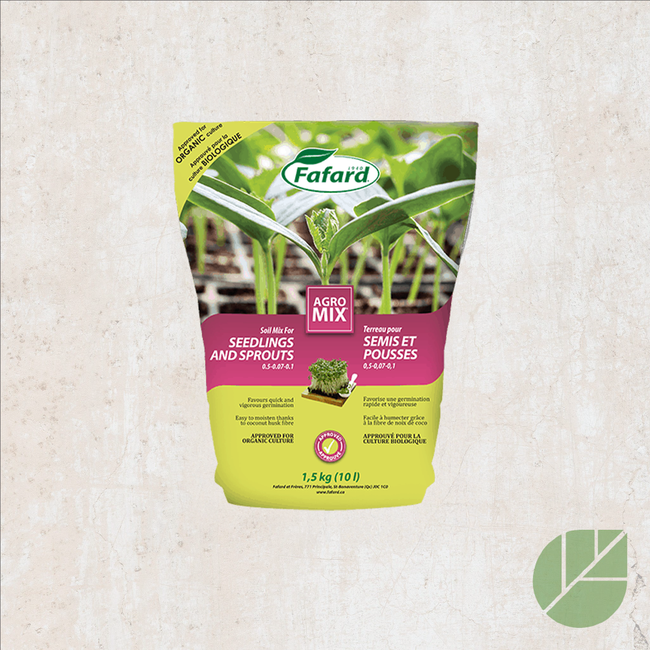
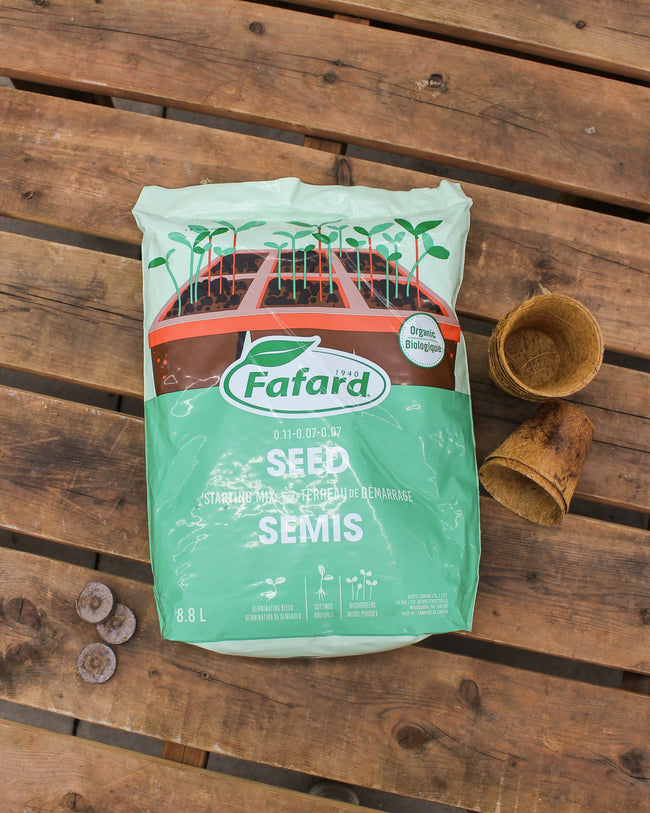
Seed Starting Soil
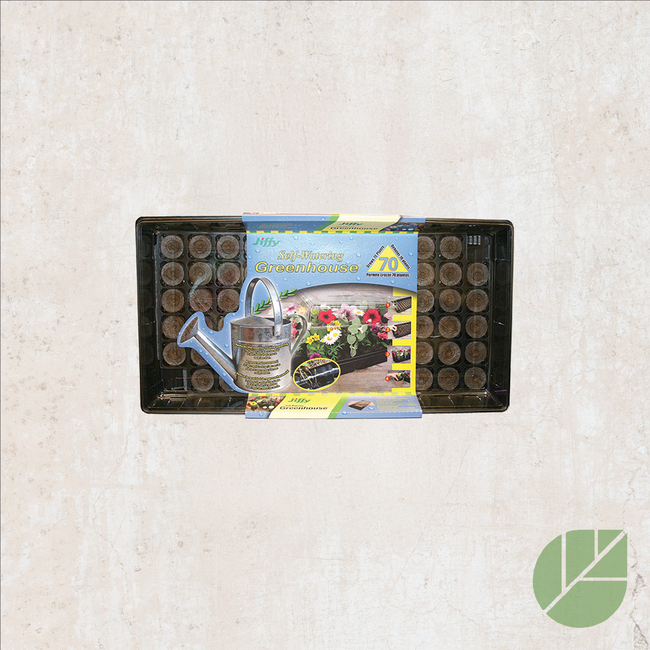
Shop the collectionSeed starting supplies
Shop the collection