Sale
Sold out

Seeds
Fabaceae
Organic seeds
Chickpea 'Black Kabouli' organic
Cicer arietinum
Product code : TOURNE-0167
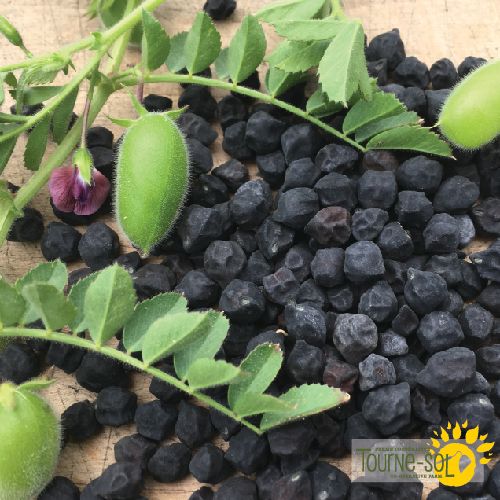
Black Kabouli chickpea is a black-seeded heritage variety originating in Kabul, Afghanistan. Tourne-Sol describes it as well suited to our climate. The packet contains 40 organic, open-pollinated seeds. Upright plants grow about 40 to 60 cm tall and mature in approximately 100 days. Direct sow as soon as the soil has thawed and become workable, choosing full sun and excellent drainage. Let pods dry before shelling seed for cooking or storage. The black seed keeps a firm texture after cooking and adds distinctive contrast to salads, curries, and spreads. Its compact upright habit normally requires no trellis. Harvesting in dry weather simplifies shelling, sorting, and storage. Label seed-saving and culinary batches separately so their intended uses remain clear.
- Quantity
- 40 seeds
- Exposure
- Full sun, ideally 6 to 8 hours of direct light
- Life cycle
- Annual
Discover the plant
Common nameChickpea ‘Black Kabouli’
FamilyFabaceae
GenusCicer
Speciesarietinum
CultivarBlack Kabouli
TypeSeeds
Botanical nameCicer arietinum
Reproducible seedsYes
Heirloom varietyYes
Chickpea 'Black Kabouli' organic (Cicer arietinum) is a heritage variety with black seed originating in Kabul, Afghanistan. Tourne-Sol notes that it grows well in our climate. Each packet contains 40 organic, open-pollinated seeds. The annual plant has an upright, branching habit and generally reaches 40 to 60 cm. Its small flowers produce short pods that usually hold one or two dark seeds. Maturity is listed at about 100 days. Its distinctive colour makes the harvest easy to recognize and helps keep stored batches correctly identified from shelling to cooking.
Direct sow outdoors as soon as the soil has thawed, drained, and become workable. Plant seeds 3.5 to 5 cm deep and about 10 cm apart in light to medium, well-drained, non-saline soil. Choose full sun. Keep the seedbed lightly moist during emergence, then water deeply only when the soil begins to dry. Chickpeas tolerate a brief dry period better than waterlogged soil. A chickpea-specific inoculant can support nodulation where this crop has not previously been grown. Weed shallowly during early growth and avoid adding large amounts of nitrogen, which may delay flowering and maturity.
Harvest when most of the plant has yellowed, leaves are dropping, and pods are dry. Pick before prolonged rain or an early frost, then finish drying the pods under cover in an airy place. Shell them, discard stained, mouldy, or damaged seed, and let sound seed dry completely before storage. Dried chickpeas should be soaked when appropriate and cooked thoroughly before eating. Their black colour and firm texture suit salads, stews, and a distinctive dark hummus. Label storage containers with the cultivar name and harvest year, then keep them cool, dry, and protected from moisture and pests.

Sowing guide
It all startswith a seed.
Sowing depth
3.5 to 5 cm (1 1/2 to 2 in)
Spacing / density
About 10 cm (4 in) between plants
Germination temperature
10 to 21°C (50 to 70°F)
Germination time
7 to 14 days
Sowing period
Direct sow as soon as soil has thawed, drained, and become workable; young plants tolerate some frost
Propagation
Seed
Growing method
Direct sow when the soil has thawed, drained, and become workable. Choose a full-sun site where water never pools. Plant seed 3.5 to 5 cm deep and about 10 cm apart, then firm the soil lightly. Maintain light moisture through emergence without saturating the bed. Thin if needed without disturbing the taproots. A chickpea-specific inoculant can support nodulation in soil where the crop has never grown. Weed gently during the first weeks because young plants cover the ground slowly. Water deeply during flowering and pod fill, then let the surface dry between applications. Avoid excess nitrogen and overhead irrigation. At maturity, allow plants to yellow and pods to dry. Harvest in dry weather before prolonged rain or an early frost, then finish drying under cover before shelling. Inspect leaf undersides regularly so spotting or wilting is noticed early. Avoid working among wet plants and remove heavily affected tissue with a clean tool. The upright habit normally needs no trellis; a small stake is enough in a very windy site. After shelling, spread seed in a single layer for several more days, then check that no condensation develops in the closed container. Label culinary seed separately from seed saved for the next planting. Rotate the bed with an unrelated crop and remove diseased residue after harvest. Keep precise notes on sowing and harvest dates.
Soil and care
The right care,at the right time.
Care level
Easy
Watering
Keep the seedbed lightly moist until emergence. Once roots are established, water less often but deeply, then let the upper soil dry. Steady moisture during flowering and pod fill supports the crop, while waterlogged soil favours root disease. Reduce irrigation when plants begin to yellow. Water at soil level in the morning and empty container saucers. Check moisture below the surface instead of following a fixed schedule because wind, pot size, and soil texture change drying speed. Stop watering before the final dry harvest. Stop watering before the final dry harvest.
Soil type
Chickpeas prefer light to medium, loose, very well-drained soil. Sandy loam near neutral pH supports deep rooting and nodulation. Avoid saline ground, heavy clay, and sites where water remains after rain. A modest amount of mature compost improves structure, but excess nitrogen promotes foliage and delays pods. In containers, use an airy mix and keep drainage holes open. Rotate after other pulses, and use a soil test before making major pH or nutrient corrections. Drainage remains the most important site requirement. Drainage remains the most important site requirement.
Fertilization
Chickpea is a legume that can obtain part of its nitrogen through nodules formed with the appropriate bacteria. In a new garden, a chickpea-specific inoculant may support this process. Avoid heavy nitrogen applications because they promote foliage and delay maturity. Add only a modest amount of mature compost when soil is poor. A soil test guides any phosphorus, potassium, or pH correction without unnecessary fertilizer. Container plants may need a light, balanced feeding if growth remains pale.
Seasonal care
In spring, prepare a well-drained row and sow as soon as thawed soil can be worked. Keep the area moist through emergence and use temporary netting if birds disturb the seed. Weed shallowly during the first weeks to avoid injuring roots. In early summer, inspect foliage regularly and space irrigation so the surface can dry. Remove heavily spotted tissue promptly and avoid working among wet plants. During flowering and pod fill, provide water when rain is scarce without waterlogging the soil. In late summer, watch for plant yellowing and early-frost forecasts. Gather dry pods in dry weather, finish drying them in an airy place, then shell and sort the seed. Remove diseased residue and rotate to a different botanical family before growing chickpeas in the same bed again. The upright habit generally needs no trellis, although a small stake can protect a heavily podded plant in a windy site. After shelling, spread seed in one layer and stir it daily during final drying. Test a small sample in a closed jar for twenty-four hours; any condensation means additional drying is required. Mark every container with the cultivar and harvest year. Keep batches cool, dry, and protected from insects or rodents. Separate seed intended for future planting from seed intended for cooking, and inspect stored jars periodically for moisture or unusual odours.
Container growing
A garden,within reach.
Recommended pot size
Container at least 30 to 35 cm deep
Chickpeas can grow in a container at least 30 to 35 cm deep with several drainage holes. Choose a wide pot that leaves about 10 to 15 cm between plants. Fill it with an airy mix that is not high in nitrogen and place it in full sun. Direct sow in the final container to avoid disturbing the taproot. Maintain light moisture through emergence; afterwards, water thoroughly and let all excess drain. Never leave the pot standing in a full saucer. Rotate the container when light comes mainly from one direction. A small stake can steady a wind-exposed plant, but the upright habit normally needs no trellis. As maturity approaches, space watering so pods can dry. Move the pot under cover if prolonged rain or an early frost is forecast. Hand-weed carefully to avoid damaging the main root. During flowering, check the mix more often because a sun-exposed pot dries quickly. Water at soil level in the morning and avoid wetting foliage. Feed lightly only when growth remains pale; excess nitrogen produces leaves at the expense of pods. When most foliage yellows, stop unnecessary irrigation and gather dry pods before persistent rain wets them again. Finish drying indoors, shell carefully, and retain only hard, sound seed for storage.

Bloom and dimensions
Its place,in your garden.
Mature height
40 to 60 cm (16 to 24 in)
Width / spread
About 30 to 40 cm (12 to 16 in)
Foliage color
Green
Foliage type
Deciduous
Growth rate
Moderate
Growth habit
Upright, branching, and compact, generally without a trellis
Fruiting
Flowers produce short, inflated pods that usually contain one or two seeds. Black Kabouli develops dark to black seed. Wait until most of the plant has yellowed and pods are dry before picking. Finish drying under cover, then shell the pods. Discard every stained, mouldy, or damaged seed and store only hard, completely dry chickpeas. Cook dry chickpeas thoroughly before eating.
Days to maturity
100 days
Harvest
Around 100 days, when plants yellow and pods are dry
Garden associations
In goodcompany.
Companion plants
Pair chickpeas with low crops that favour full sun and well-drained soil while preserving room for airflow and harvest. Early carrots, radishes, or lettuces can occupy spaces at the start of the season. Place taller vegetables to the north so they do not shade the row. Avoid very thirsty plants in the same watering zone. Companion planting mainly organizes space; sound rotation after pulses matters more than undocumented prohibitions. Grouping crops with similar moisture needs also makes watering simpler and helps keep chickpea foliage dry.
Recipe idea
From the gardento your plate.
Edible parts
Mature seed, dried and then cooked thoroughly
For a black chickpea salad, sort 250 ml of dried Black Kabouli seed and discard any that are stained, mouldy, or damaged. Rinse, cover generously with water, and soak according to the selected method. Drain, add fresh water, bring to a boil, and simmer until the chickpeas are completely tender. Cool and combine with tomatoes, cucumber, a little red onion, parsley, lemon juice, and olive oil. Season to taste. Refrigerate within two hours and keep leftovers cold. Do not eat dried chickpeas raw. For a dark hummus, blend the fully cooked chickpeas with tahini, lemon, garlic, and a little cooking liquid until smooth. Taste seed only after it has cooked completely. Use clean utensils and divide a large batch among shallow containers so it cools quickly. Discard food left at room temperature for more than two hours or showing an unusual smell or texture. Reheat cooked chickpeas thoroughly when serving them hot, and add fresh water during simmering whenever they begin sticking.
Frequently asked questions
Your questions,answered.
How should Black Kabouli chickpea be sown?
Direct sow outdoors as soon as thawed soil has drained and become workable. Plant seed 3.5 to 5 cm deep and about 10 cm apart in full sun and light to medium soil that drains rapidly. Keep the bed lightly moist through emergence without waterlogging it. If thinning is needed, cut extra seedlings rather than pulling nearby roots. In soil that has never grown chickpeas, a crop-specific inoculant can support nodulation. Each packet contains 40 organic seeds. Space rows so you can move between them without brushing wet foliage. Weed shallowly during early growth, then let the taproot establish. The upright habit normally needs no trellis, although a small stake can steady plants in a windy container. Avoid heavy nitrogen fertilizer.
What exposure suits Black Kabouli chickpea?
Choose full sun, ideally six to eight hours of direct light. An open site lets foliage dry quickly after dew and makes leaf spots easier to notice. Soil must release excess water rapidly because chickpeas do not tolerate waterlogging. Plants appreciate summer warmth, although temperatures above about 30°C during flowering may reduce pod set. Water at soil level when the soil dries instead of keeping the surface constantly wet. Good air movement shortens the time leaves remain wet after rain. Avoid walls that reflect excessive heat during flowering. In containers, check moisture more often without leaving water in the saucer. Keep neighbouring plants low enough that they do not shade the crop.
When should Black Kabouli chickpeas be harvested?
Tourne-Sol lists maturity at about 100 days. For a dry harvest, wait until most of the plant has yellowed, leaves are dropping, and pods are dry. Pick in dry weather before prolonged rain or an early frost. Spread pods under cover in an airy place until fully dry, then shell them. Discard stained, mouldy, green, or damaged seed. Store only hard, thoroughly dry chickpeas in a labelled container kept cool and dry. Write the cultivar name and year on every batch. Check the container after several days; condensation means the seed must be removed and dried longer before final storage. Keep culinary and planting seed separate, and inspect both periodically for moisture or pests.
Can Black Kabouli be grown in a container?
Yes. Use a container at least 30 to 35 cm deep and wide enough to leave about 10 to 15 cm between plants. Several drainage holes are essential. Fill it with an airy mix, direct sow to protect the taproot, and place the pot in full sun. Keep the mix lightly moist through emergence, then water deeply and allow all excess to drain. Never leave water in the saucer. The upright habit rarely needs a trellis, although a small stake can steady plants exposed to strong wind. During flowering, check moisture on every very hot day. As harvest approaches, space irrigation and protect nearly dry pods from prolonged rain. Move the container under cover if an early frost threatens seed that is still green. Rotate the pot so all sides receive light.
Are Black Kabouli seeds organic and open-pollinated?
Yes. Tourne-Sol presents Black Kabouli as organic, open-pollinated, heritage seed. Chickpeas are mainly self-pollinating, which limits crossing, although prudent separation from other cultivars helps preserve identity. Select several healthy, true-to-type plants. Let pods mature and dry completely, then shell them in dry conditions. Discard stained or damaged seed. Label the lot with the cultivar and year, then store it cool, dry, and protected from rodents until the next sowing. The packet of 40 seeds can establish several plants, which is preferable when selecting a representative saved batch. Seed intended for the next garden must remain hard, dry, and intact. Check its condition during winter and discard any lot showing condensation, mould, insects, or an unusual odour.
For a great start to your seeds
The right extras.Right here.
Seed Starting Soil
Shop the collectionSeed starting supplies
Shop the collection