Sale
Sold out

Seeds
Portulacaceae
Organic seeds
Golden purslane (Portulaca oleracea)
Product code : TOURNE-0129
Golden purslane is an organic, open-pollinated variety that helps gardeners plan a crop suited to Canadian conditions. Its profile works well in vegetable gardens, raised beds, and edible landscapes. The sowing, growth, and care information on this page makes it easier to choose a location and monitor the plants throughout the season. The information on this page helps gardeners plan each stage according to the actual conditions in their garden. Regular observation of the soil, foliage, and overall growth makes it easier to adjust care throughout the season. For best results, choose a suitable location and keep moisture steady while the plants become established.
- Quantity
- 400 seeds
- Exposure
- Full sun
- Life cycle
- Annual
Discover the plant
Common nameGolden purslane
FamilyPortulacaceae
GenusPortulaca
Speciesoleracea
TypeSeeds
Botanical namePortulaca oleracea
Reproducible seedsYes
Golden purslane (Portulaca oleracea) is an organic, open-pollinated variety selected to offer a clear and accessible growing experience. This page brings together practical information to understand its development, plan the space it needs, and enjoy its qualities in the garden. The format is intended for gardeners who want a methodical approach while keeping enough flexibility to adapt to Canadian growing conditions. The information on this page helps gardeners plan each stage according to the actual conditions in their garden. Regular observation of the soil, foliage, and overall growth makes it easier to adjust care throughout the season.
This variety prefers full sun. It grows best in living soil that drains excess water without drying too quickly. Its growth rate depends on available warmth and light. For best results, keep moisture even during germination, then water more deeply once the plants are established. Suitable spacing and good air circulation also support healthy, balanced growth. The information on this page helps gardeners plan each stage according to the actual conditions in their garden. Regular observation of the soil, foliage, and overall growth makes it easier to adjust care throughout the season.
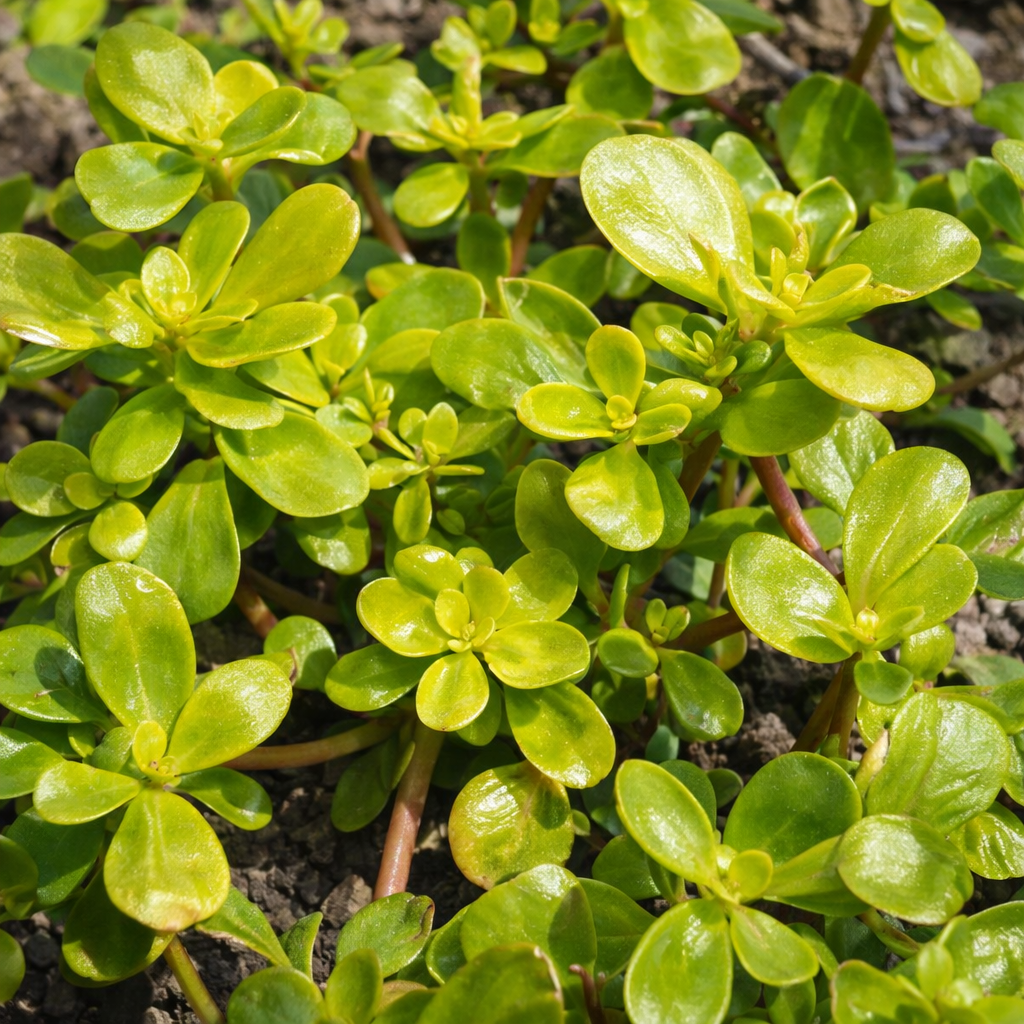
Golden purslane ( Portulaca oleracea ) fits easily in vegetable gardens, raised beds, and edible landscapes. Its stated height is 10 to 20 cm. It can be paired with plants that share similar light and watering needs, which makes routine care easier. Harvest at the stage that matches the intended use, checking regularly for the preferred texture and freshness. The information on this page helps gardeners plan each stage according to the actual conditions in their garden. Regular observation of the soil, foliage, and overall growth makes it easier to adjust care throughout the season.

Sowing guide
It all startswith a seed.
Sowing depth
Surface sow; press lightly without covering
Spacing / density
15 to 20 cm (6 to 8 in) between plants
Germination temperature
21 to 29°C (70 to 85°F)
Germination time
7 to 14 days
Sowing period
Sow after the last frost. Frost tender
Propagation
Seed
Growing method
To grow Golden purslane, sow in a light seed-starting mix or directly in the garden when the conditions listed on the packet and this page are met. Keep the seedbed evenly moist without saturating it. Once seedlings emerge, abundant light helps produce compact, balanced plants. The crop prefers full sun. Transplant gently when needed to protect the roots. In the garden, spacing should reflect mature size and air circulation. Water at soil level to limit splashing on the foliage. Development remains influenced by temperature and day length. The information on this page helps gardeners plan each stage according to the actual conditions in their garden. Regular observation of the soil, foliage, and overall growth makes it easier to adjust care throughout the season. For best results, choose a suitable location and keep moisture steady while the plants become established. This practical approach works well for both first-time gardeners and people with an established vegetable garden. Successive sowings can be considered when the growing season, available space, and crop type make them appropriate. A light mulch can help stabilize soil moisture while reducing competition from unwanted plants. Harvest or flowering can be monitored regularly so the variety can be enjoyed at its best stage.
Soil and care
The right care,at the right time.
Care level
Easy
Watering
Water Golden purslane to maintain even moisture during germination, then provide deeper soakings after establishment. The surface may dry slightly between waterings, but the root zone should not dry out completely. Morning watering at soil level reduces losses and helps keep the foliage dry. The information on this page helps gardeners plan each stage according to the actual conditions in their garden.
Soil type
Golden purslane prefers loose, fertile, well-drained soil that holds even moisture without remaining waterlogged. Mature compost improves structure and supports soil life. In containers, use a high-quality potting mix instead of dense garden soil. The information on this page helps gardeners plan each stage according to the actual conditions in their garden. Regular observation of the soil, foliage, and overall growth makes it easier to adjust care throughout the season.
Fertilization
Golden purslane benefits from soil amended with mature compost before planting. A light, balanced fertilizer can be added if growth slows or the crop remains in a container for an extended season. Avoid excess nitrogen, which may favour foliage over production. The information on this page helps gardeners plan each stage according to the actual conditions in their garden. Regular.
Seasonal care
Early in the season, Golden purslane benefits from stable sowing conditions and even moisture until germination. Young plants need sufficient light and protection from abrupt temperature changes. After establishment, watering can become deeper and less superficial, depending on weather and soil texture. A light mulch helps conserve moisture during warm periods. Remove competing weeds without disturbing the roots. Regular harvesting lets gardeners enjoy the preferred stage while monitoring continued production. Healthy residues can be composted at the end of the season, while plants showing unusual symptoms are removed from the garden. The information on this page helps gardeners plan each stage according to the actual conditions in their garden. Regular observation of the soil, foliage, and overall growth makes it easier to adjust care throughout the season. For best results, choose a suitable location and keep moisture steady while the plants become established. This practical approach works well for both first-time gardeners and people with an established vegetable garden. Successive sowings can be considered when the growing season, available space, and crop type make them appropriate. A light mulch can help stabilize soil moisture while reducing competition from unwanted plants. Harvest or flowering can be monitored regularly so the variety can be enjoyed at its best stage. Results may vary with temperature, light, soil conditions, and the specific microclimate of each garden.
Container growing
A garden,within reach.
Recommended pot size
5 to 15 L (1.5 to 4 gal) container with good drainage
Golden purslane can be grown in a container when the soil volume matches its development and the pot has effective drainage holes. A loose, high-quality mix enriched with organic matter provides a sound base. Place the container where it receives full sun, while keeping it accessible for moisture checks. Potting mix dries faster than garden soil, especially during hot or windy weather. Water thoroughly, then allow all excess water to drain. Light feeding may support continued growth if the mix becomes depleted. The stated height of 10 to 20 cm helps guide the choice of a stable container and suitable location. The information on this page helps gardeners plan each stage according to the actual conditions in their garden. Regular observation of the soil, foliage, and overall growth makes it easier to adjust care throughout the season. For best results, choose a suitable location and keep moisture steady while the plants become established. This practical approach works well for both first-time gardeners and people with an established vegetable garden. Successive sowings can be considered when the growing season, available space, and crop type make them appropriate. A light mulch can help stabilize soil moisture while reducing competition from unwanted plants.

Bloom and dimensions
Its place,in your garden.
Mature height
10 to 20 cm
Width / spread
40 à 50 cm
Foliage color
Green
Foliage type
Herbaceous
Growth rate
Moderate
Growth habit
Herbaceous rosette
Fruiting
Production in Golden purslane develops according to warmth, light, watering, and soil fertility. Harvesting at the recommended stage supports the desired quality. Regular garden checks help identify produce that is ready and reduce losses caused by overly advanced maturity. The information on this page helps gardeners plan each stage according to the actual conditions in their garden. Regular observation of.
Days to maturity
50 days
Harvest
Harvest from about 50 days, according to the desired stage
Garden associations
In goodcompany.
Companion plants
Golden purslane can be paired with plants that require comparable light, soil, and watering. Groupings are easier to maintain when each plant keeps enough space and receives sufficient light. Suggested companions are primarily planning tools; undocumented incompatibilities should not be treated as absolute rules. The information on this page helps gardeners plan each stage according to the actual conditions in their garden. Regular observation of the soil, foliage, and overall growth makes it easier to adjust care throughout the season. For best results, choose a suitable location and keep moisture steady while the plants become established.
Recipe idea
From the gardento your plate.
Edible parts
Leaves
A simple preparation lets gardeners appreciate the flavour and texture of Golden purslane. Harvest the edible portion at the recommended stage, rinse it thoroughly, and drain it well. Use it fresh when suitable, or cook it gently with a little oil, salt, and herbs. Tender leaves may be added to salads or garnishes, while fruit, roots, and pods can be sliced according to their size. Brief cooking often helps preserve colour and texture. Before eating an unusual plant part, verify that it is recognized as edible for the species. The information on this page helps gardeners plan each stage according to the actual conditions in their garden. Regular observation of the soil, foliage, and overall growth makes it easier to adjust care throughout the season. For best results, choose a suitable location and keep moisture steady while the plants become established. This practical approach works well for both first-time gardeners and people with an established vegetable garden.
Frequently asked questions
Your questions,answered.
How should Golden purslane be sown?
Sow Golden purslane in a light, moist medium at the depth shown on the packet or in the technical information on this page. Keep moisture steady until emergence without saturating the mix. Once seedlings appear, abundant light supports compact growth. Direct sowing is suitable when the soil is warm enough and frost risk has passed for sensitive crops. Indoor sowing can extend the season for plants that need more warmth. After emergence, thinning keeps the best-positioned seedlings and limits competition. The information on this page helps gardeners plan each stage according to the actual conditions in their garden. Regular observation of the soil, foliage, and overall growth makes it easier to adjust care throughout the season.
What exposure is suitable for Golden purslane?
Golden purslane prefers full sun. Light quality directly affects vigour, flowering, or production. An open site generally improves air circulation and makes plants easier to monitor. In a very warm garden, light protection during the hottest hours may suit crops that tolerate partial shade, but it does not replace the species’ basic light requirements. Keep the soil loose, well drained, and evenly moist. In containers, orientation and heat reflected from nearby walls may change watering needs quickly. The information on this page helps gardeners plan each stage according to the actual conditions in their garden. Regular observation of the soil, foliage, and overall growth makes it easier to adjust care throughout the season.
When should Golden purslane be harvested?
Harvest Golden purslane at the stage recommended for the variety and the intended use. Exact timing varies with the sowing date and growing conditions. Temperature, light, watering, and fertility may speed or delay development. Visual observations remain important: size, colour, firmness, and texture provide useful indicators. Check the garden regularly to harvest at the best time while leaving younger produce to continue developing. The information on this page helps gardeners plan each stage according to the actual conditions in their garden. Regular observation of the soil, foliage, and overall growth makes it easier to adjust care throughout the season. For best results, choose a suitable location and keep moisture steady while the plants become established.
Can Golden purslane be grown in a container?
Golden purslane can be grown in a pot when the container provides enough depth and volume for its roots. Drainage holes are essential, along with a quality mix that remains aerated after watering. Place the container where it receives full sun, and keep it accessible for moisture checks because pots dry faster than garden soil. Water thoroughly and allow excess moisture to drain completely. Light feeding may be helpful over a long season. Mature size guides the choice of diameter, stability, and any support the plant may require. The information on this page helps gardeners plan each stage according to the actual conditions in their garden.
Are Golden purslane seeds organic and open-pollinated?
Yes. Ferme Tourne-Sol presents the seeds for Golden purslane as organic and open-pollinated. They can therefore be saved when the plant completes its cycle and pollination is managed to preserve the variety. Seed saving still requires attention to isolation distance, a suitable plant population, and the correct maturity stage. Some species cross readily with related varieties growing nearby. For a first attempt, label plants clearly, observe flowering, and dry harvested seed completely before storage. The information on this page helps gardeners plan each stage according to the actual conditions in their garden. Regular observation of the soil, foliage, and overall growth makes it easier to adjust care throughout the season.
For a great start to your seeds
The right extras.Right here.
Seed Starting Soil
Shop the collectionSeed starting supplies
Shop the collection