Sale
Sold out

Organic annual Asian leafy vegetable
Brassicaceae
Organic Asian leafy vegetable seeds
Organic 'Asian Green' tatsoi
Brassica rapa subsp. narinosa
Product code : BIOVO-0126
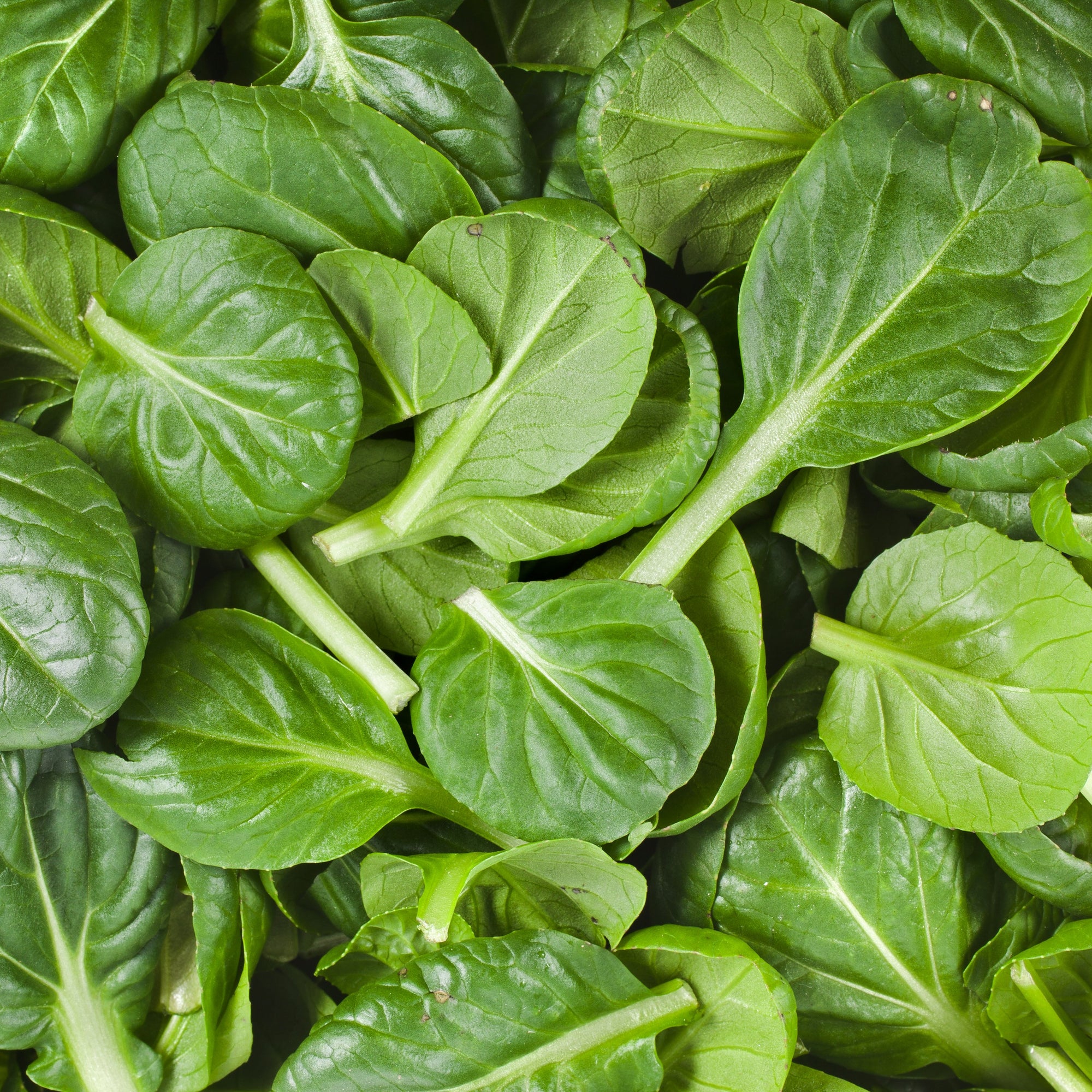
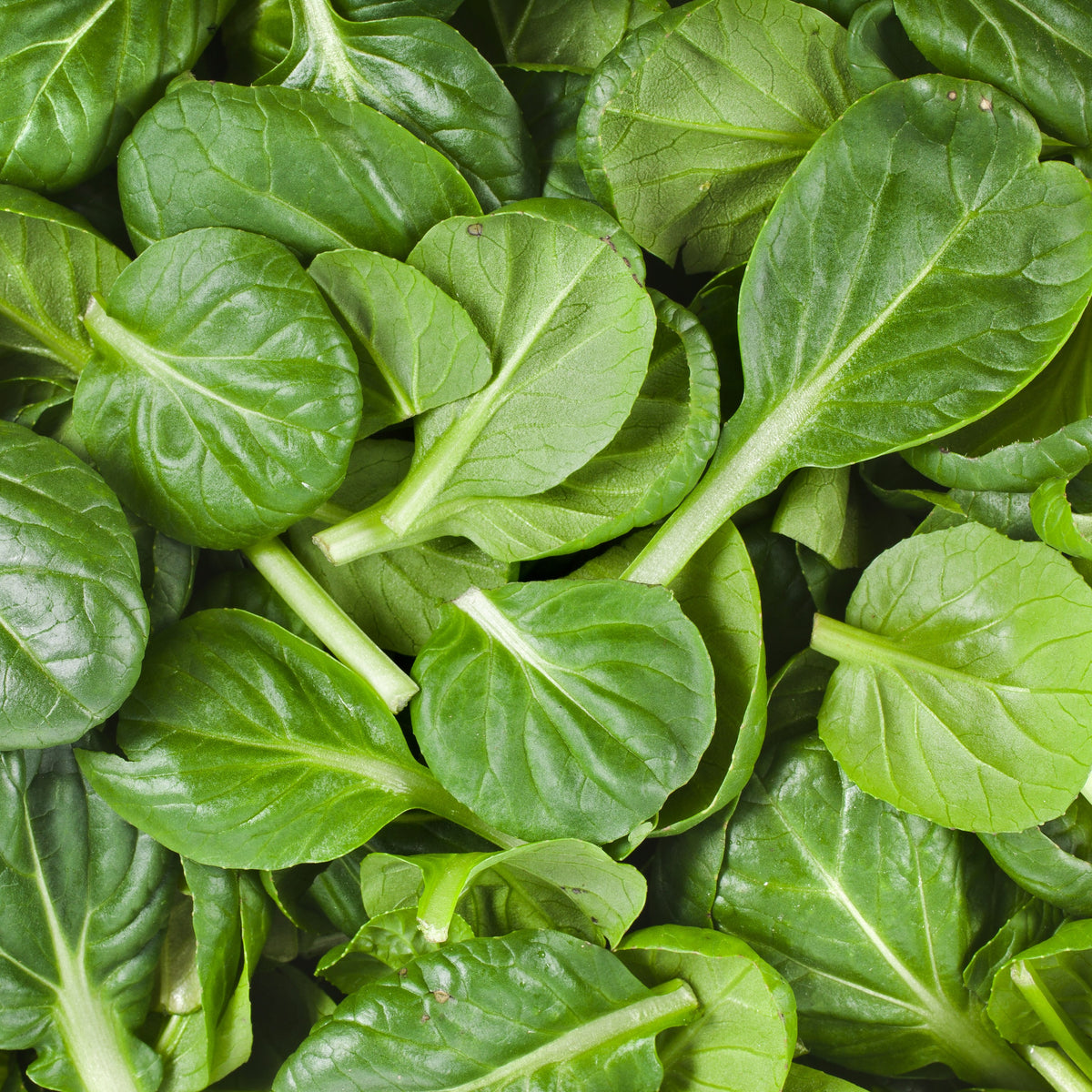
Organic tatsoi forms low rosettes of glossy dark-green leaves with tender stalks and a mild mustard flavour. Young leaves suit salads, while larger sound leaves can be added near the end of a stir-fry or soup. Sow for cool growing conditions in fertile, well-drained soil and keep the seedbed evenly moist. Thin seedlings according to whether baby leaves or fuller rosettes are wanted. In warm weather, light afternoon shade may help, but it cannot prevent bolting indefinitely. Cut cleanly without damaging the growing centre when taking individual leaves, and inspect beneath the foliage for slugs or chewing insects before bringing the harvest indoors.
- Quantity
- Approximately 300 seeds
- Exposure
- Full sun to light partial shade
- Life cycle
- Annual
Discover the plant
Common nameAsian Green tatsoi
FamilyBrassicaceae
GenusBrassica
Speciesrapa subsp. narinosa
CultivarAsian Green
TypeOrganic annual Asian leafy vegetable
Botanical nameBrassica rapa subsp. narinosa
Reproducible seedsYes
Organic 'Asian Green' tatsoi (Brassica rapa subsp. narinosa) is an annual Asian leafy vegetable forming compact rosettes of glossy tender dark-green leaves. Each selection contains approximately 300 organic open-pollinated seeds. Plants reach 15–20 cm in height and spread; baby leaves can be harvested from about 21 days and full rosettes between 21 and 45 days. Mild lightly mustardy flavour recalls spinach and Asian greens. Its low habit suits small gardens, edible borders, and containers near the kitchen. The compact shape also makes harvest stages easy to compare across several small sowings.
Direct sow April through September approximately 0.5 cm deep in cool fertile organic-rich well-drained soil. Maintain 10–20°C and even moisture; emergence generally takes 5–10 days. Thin to 15 or 20 cm for airy rosettes. Full sun suits cool weather while light partial shade slows drying and bolting during heat. Make small successive sowings to stagger baby leaves and mature rosettes. Use insect netting where flea beetles are active, weed shallowly, and maintain airflow around each plant. Check the soil surface daily during emergence because shallowly sown seed can dry quickly.
Harvest outer leaves from approximately three weeks with clean scissors without cutting the centre if regrowth is desired. For a whole rosette cut at the crown once it reaches the desired size generally within the 21–45 day window. Pick in the morning, cool promptly, and wash only before use. Serve baby leaves raw or cook larger leaves by steaming sautéing or in soup. Yield, number of cuts, and storage vary with harvest stage, weather, and growing conditions. Harvest in the morning with a clean tool and cool the leaves promptly.

Sowing guide
It all startswith a seed.
Sowing depth
0.5 cm (1/4 in)
Spacing / density
15 to 20 cm between plants and 25 to 30 cm between rows
Germination temperature
10 to 20 °C (50 to 68 °F)
Germination time
5 to 10 days
Sowing period
April through September by direct sowing Adjust these dates to your local frost dates and soil conditions; Canadian growing seasons vary by region.
Propagation
Direct sowing
Growing method
Growing 'Asian Green' tatsoi from seed. Direct-sow in cool weather once the soil is workable, making later sowings only when enough time remains before hard freezing, 0.5 cm deep in cool fertile drained soil. Feed moderately; soft, overfed leaves are harder to cool and store. Give 'Asian Green' full sun to light partial shade. Choose the site before committing the final planting position. Harden indoor starts gradually and protect them from severe frost or drying wind. At final planting, space 'Asian Green' 15 to 20 cm between plants and 25 to 30 cm between rows; crowding extra plants reduces access. Provide immediate light after emergence so the young rosettes remain compact. Place the crop before late-season crowding develops, keeping its mature habit in mind: low compact rosette. Use successive small sowings instead of one crowded stand, pausing during unsuitable heat. Leave enough access around this leafy crop to inspect and cleanly harvest compact rosette of glossy spoon-shaped dark-green leaves. Thin or transplant gently to preserve airflow around the developing low compact rosette. Harvest after dew dries, shade the leaves promptly, and remove bolting plants before the next succession. Harvest the rosette at the leaf, rosette, or head stage described for the product. Cut with a clean tool after dew dries, shade the harvest immediately, and remove bolting or diseased plants before they affect the next succession.
Soil and care
The right care,at the right time.
Soil pH
Approximately 6.0 to 7.0
Minimum temperature
-8 °C (18 °F)
Care level
Easy
Watering
Keep the sowing surface for 'Asian Green' evenly moist until emergence without sealing it beneath a crust. After seedlings establish, water deeply when the upper soil begins drying. In the 'Asian Green' planting, drought can toughen the compact rosette of glossy spoon-shaped dark-green leaves and hasten bolting, while prolonged saturation deprives roots of air. Irrigate at soil level early in the day, then let foliage within the low compact rosette dry promptly. When tending 'Asian Green' tatsoi, a light mulch after thinning can reduce evaporation. Check containers daily during hot weather and never leave standing water in the saucer.
Soil type
Prepare cool fertile loose organic-rich well-drained soil with a slightly acidic to neutral pH near 6.0–7.0. Incorporate mature compost before sowing to support rapid rosette formation without fresh manure or excessive inputs. Work soil when neither sticky nor dusty and break large clods. In heavy soil use a raised bed or drained planter. Avoid compacting the row and rotate away from other Brassicaceae to reduce buildup of soilborne diseases and pests.
Fertilization
Incorporate mature compost before sowing only when soil is poor. Moderate fertility supports rapid rosette formation, while excess nitrogen produces soft tissue and unbalanced growth. If deficiency is observed or confirmed, apply a light dose of balanced fertilizer according to its label, then water. Avoid fresh manure, concentrated product against roots, and repeated feeding without a visible need. For fertilization, keep soil cool without leaving it saturated.
Moisture
Asian Green tatsoi needs evenly moist, cool soil for crisp petioles and tender spoon-shaped leaves. Direct water beneath the rosette so the crown does not stay wet, and irrigate early enough for splashed foliage to dry. Check containers after hot or windy weather, but empty saucers promptly. Brief dryness followed by soaking can stress plants and accelerate bolting.
Seasonal care
Seasonal care for 'Asian Green' tatsoi. Start 'Asian Green' tatsoi when its bed and the local frost pattern are ready; the supplied window is use the local frost-relative window and current soil conditions for this crop. Label the tray or row after sowing 0.5 cm deep; seed generally emerges in 5 to 10 days at 10 to 20 °C (50 to 68 °F), and slower seeds should not be disturbed. Raise seedlings in bright light or sow directly into a loose, fertile bed once cool-season conditions suit the crop. Thin or transplant to the stated spacing, setting the crown at soil level and firming soil gently around the roots. Keep moisture steady as leaves and stems expand, while preserving drainage and airflow after rain or overhead irrigation. For container-grown 'Asian Green' tatsoi, use the supplied guidance—10 to 15 L (2.5 to 4 gal)—and check drainage before growth hides the surface. Inspect leaves frequently for flea beetles, caterpillars, and slugs, especially while the edible centre is still small. A light cover can protect young plants from insects or cool wind, but remove or vent it before heat builds around the foliage. Plan harvest from the supplied guidance—baby leaves from approximately 21 days; full rosettes between 21 and 45 days—then use actual size and tenderness rather than forcing an exact calendar date. Cut before open flowers reduce culinary quality, leaving productive side shoots only where the crop naturally supplies them. If summer heat ends the crop, clear bolted stems; where autumns are long enough, start a separate late sowing as temperatures moderate.
Container growing
A garden,within reach.
Recommended pot size
10 to 15 L (2.5 to 4 gal)
Growing 'Asian Green' tatsoi in containers. Select a broad 10 to 15 L container with several drainage holes so the low rosettes have room to spread. Fill it with fertile, organic-rich potting mix that holds steady moisture while allowing surplus water to escape. Sow about 0.5 cm deep and keep the shallow seed zone from drying during the 5 to 10 day emergence period. Thin to 15 to 20 cm between plants; crowded rosettes trap moisture and are harder to inspect. Place the pot in full sun while weather is cool, shifting it to light afternoon shade if heat accelerates bolting or dries the mix too quickly. Water at soil level before the shallow root zone dries deeply, but always empty standing water from the saucer. Feed lightly only if leaf colour or growth indicates a need. Baby leaves can be clipped from about 21 days, taking clean outer leaves while leaving the centre intact. For a mature harvest, allow the glossy spoon-shaped leaves to form a compact rosette and cut it at the crown between roughly 21 and 45 days, according to the desired stage. Rotate the container if light is one-sided, remove damaged leaves promptly, and keep the crown free of mulch. Cool harvested leaves quickly, then clean the pot before the next small sowing.
Bloom and dimensions
Its place,in your garden.
Mature height
15 to 20 cm (6 to 8 in)
Width / spread
15 to 20 cm (6 to 8 in)
Flower color
Yellow
Foliage color
Green
Foliage type
Herbaceous rosette
Growth rate
Fast
Growth habit
Low compact rosette
Fragrance
Mild, tender and sweet
Bloom period
When heat, drought, or maturity triggers bolting, Asian Green forms a stalk bearing small yellow flowers typical of Brassicaceae. Flowering generally marks the end of the best period for harvesting tender leaves. Renew the sowing if flavour becomes too strong and retain only healthy plants when observing bloom development. For bolting, keep soil cool without leaving it saturated. During bolting, inspect every rosette separately before adjusting care.
Fruiting
Tatsoi is grown for leaves, not a culinary fruit. After flowering, plants form pods containing seed. For a steady leaf harvest, replace bolted plants instead of waiting for pods. If saving open-pollinated seed, allow a few healthy plants to mature fully, collect during dry weather, and label the harvest carefully. For seed formation, keep soil cool without leaving it saturated.
Days to maturity
Baby leaves from approximately 21 days; full rosettes between 21 and 45 days
Harvest
Harvest young outer leaves from approximately 21 days with clean scissors without cutting the centre if regrowth is desired. For a whole rosette cut at the crown once it reaches the desired size generally between 21 and 45 days. Make the cut in the morning, chill leaves promptly, and wait until serving time to wash them. Renew sowing when heat drought or flowering makes leaves tough and strong. Number of cuts is not guaranteed. Discard wilted slimy mouldy or abnormal-smelling leaves.
Garden associations
In goodcompany.
Companion plants
Leave foot access outside the low compact rosette to avoid compaction. Low flowers may border 'Asian Green' without being treated as guaranteed pest control. A companion does not guarantee control of insects or disease, so inspect every crop separately. Rotate 'Asian Green' tatsoi away from closely related crops when soil pests or disease have appeared. Match irrigation to each root zone instead of watering the entire combination by habit. When arranging neighbours for 'Asian Green', preserve access to the compact rosette of glossy spoon-shaped dark-green leaves and remove neighbours that obscure inspection. Reassess the arrangement around 'Asian Green' as both crops approach mature size.
Plants to avoid
Strawberry, radish
Recipe idea
From the gardento your plate.
Edible parts
Baby leaves, mature leaves, and tender petioles
'Asian Green' tatsoi in the kitchen. Ginger-sautéed tatsoi — Separate the spoon-shaped leaves, rinse carefully around the bases, and dry. Keep small tender stems attached; halve thicker bases lengthwise. Mix 15 mL soy sauce, 10 mL rice vinegar, 5 mL toasted sesame oil, and 30 mL water. Heat 15 mL neutral oil in a wide skillet, add 5 mL grated ginger and one minced garlic clove, and stir for 20 seconds. Add the tatsoi stems first, then the leaves, and toss for one minute. Pour in the sauce and continue only until the greens wilt and the stems are crisp-tender. Finish with toasted sesame seeds and sliced green onion. Serve immediately over rice, noodles, or tofu. Tatsoi cooks quickly, so have every ingredient measured before heating the pan. Discard slimy, mouldy, or badly damaged leaves and keep washed greens separate from muddy produce. Refrigerate leftovers promptly in a covered container and reheat only once, briefly, so the leaves do not become excessively soft.
Frequently asked questions
Your questions,answered.
When should Asian Green tatsoi be sown in your region?
Direct-sow Asian Green tatsoi during the cool parts of your local season, broadly from April through September where conditions allow. Place seed 0.5 cm (¼ in) deep in soil around 10 to 20 °C (50 to 68 °F); germination is expected in 5 to 10 days. Keep the bed evenly moist and thin plants so the low rosettes can spread 15 to 20 cm without crowding. For baby leaves, begin selective harvest from about 21 days. Full rosettes may be ready anywhere from roughly 21 to 45 days, depending on spacing and weather. Use successive small sowings rather than one large planting through summer heat. A 10–15 L container also suits the compact crop. Light shade and steady moisture help preserve its mild, tender, sweet leaves when days become warm.
How should tatsoi be harvested?
Tatsoi can be harvested either as baby leaves or as a complete rosette. Begin taking selected outer baby leaves from about 21 days, cutting each cleanly while leaving the centre intact for regrowth. For a whole plant, wait until the glossy spoon-shaped leaves form the compact rosette you want, generally within about 21 to 45 days. Cut the crown just above soil level with a clean knife. Do not strip every outer leaf from a young plant in one session; leave enough active foliage to sustain it. Harvest after surface moisture has dried, cool the leaves promptly, and wash them thoroughly before use. Remove yellowed, slimy, or diseased tissue. During warm weather, pick earlier in the day and before flowering begins, as heat can change texture and flavour.
What does Asian Green tatsoi taste like?
Baby 'Asian Green' tatsoi leaves have a mild, lightly mustardy flavour that can recall spinach and other Asian greens. Clean young leaves may be served raw in salads or baby-green mixes, while larger leaves and tender petioles suit steaming, soups, and stir-fries. Heat, drought, crowding, and the onset of flowering can make the taste stronger and the texture firmer. Compare a young outer leaf with a larger leaf from the same labelled planting before choosing a preparation. Harvest during the cool part of the day, chill sound leaves promptly, and wash them only when preparing the meal. Remove slimy, mouldy, badly damaged, or abnormally scented tissue rather than mixing it into the harvest.
Can Asian Green be grown in a container?
Yes. Grow 'Asian Green' tatsoi in a broad, well-drained 10–15 L container at least 15–20 cm deep. Fill it with fertile potting mix, sow approximately 0.5 cm deep, and thin plants to roughly 15–20 cm so each low rosette has light and airflow. Use sun during cool weather and light partial shade when conditions turn warm. Keep the root zone evenly moist without leaving the pot in standing water or repeatedly wetting the crown. Begin taking clean outer leaves at about three weeks if useful, preserving the centre for possible continued growth, or cut a whole rosette at the desired stage. Check moisture more often during heat or wind and renew the planting if bolting reduces leaf quality.
How can bolting be limited?
Bolting cannot be prevented under every condition, but stress can be reduced. Grow 'Asian Green' tatsoi mainly in the cool windows of spring and late summer, keep the shallow root zone evenly moist, and provide light partial shade during warm periods. Thin promptly so rosettes are not crowded, and use enough container volume that roots are not confined. Make several small sowings rather than depending on one planting through rising heat. Watch the centre for elongation and harvest usable leaves before texture and flavour deteriorate. Once a flower stalk has formed, harvest or replace the plant instead of trying to reverse the process. Remove badly damaged leaves and keep the next succession clearly labelled.
Wildlife and pets
Life,around your plants.
Supporting wildlife
Asian Green tatsoi is normally cut as baby leaves or a full rosette before bolting. If allowed to flower, its yellow Brassica blooms can feed small bees and hoverflies for a short period. Flowering makes the leaves less tender and pungent. Keep only a surplus plant in bloom, and avoid insecticides wherever visitors are active.
For a great start to your seeds
The right extras.Right here.
Seed Starting Soil
Shop the collectionSeed starting supplies
Shop the collection