Sale
Sold out

Pink indeterminate early highly productive cherry tomato
Solanaceae
Organic fruiting vegetable seeds
Organic pink 'Pink Champagne' cherry tomato
Solanum lycopersicum
Product code : BIOVO-0146
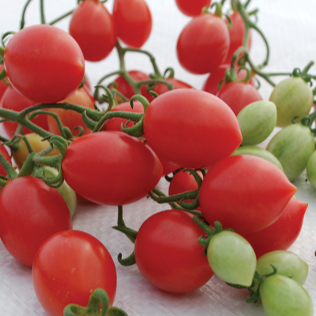
Organic Pink Champagne is an indeterminate cherry tomato with clusters of small, oval, luminous-pink fruit. Sweet, juicy tomatoes fit snack plates, appetizers, and colourful fresh salads. Vigorous stems can reach approximately 1.8–2.1 m, requiring a secure cage or trellis and accessible space for repeated picking. The approximate 60-day first-harvest reference starts at transplanting and varies with warmth and light. Raise seedlings indoors, harden them gradually, and plant in full sun after frost into fertile, well-drained ground. Maintain consistent moisture as clusters fill out. Container plants need substantial root room and stable support, with more frequent moisture checks during hot or windy weather.
- Quantity
- Approximately 20 seeds
- Exposure
- Full sun
- Life cycle
- Warm-season annual
Discover the plant
Common namePink Champagne cherry tomato
FamilySolanaceae
GenusSolanum
Specieslycopersicum
CultivarPink Champagne
TypePink indeterminate early highly productive cherry tomato
Botanical nameSolanum lycopersicum
Organic pink 'Pink Champagne' cherry tomato (Solanum lycopersicum) is an organic indeterminate early highly productive variety. Numerous clusters carry small oval luminous-pink fruit with juicy flesh and sweet refined flavour. Each selection contains approximately 20 seeds. Plants reach 1.8–2.1 m, spread about 60 cm, and generally mature around 60 days after transplanting. A 35–45 cm diameter container suits this variety. Fruit adds colour and sweetness to salads, snacks, appetizers, and fresh garnishes. Choose it when an elegant pink cherry tomato and an extended harvest are priorities for productive home gardens.
Sow indoors from March through April, six to eight weeks before the last frost, approximately 0.5 cm deep. Maintain 21–27°C and even moisture; germination generally takes 7–14 days. Provide intense light immediately after emergence, pot seedlings up after true leaves appear, and harden them gradually. After frost, transplant in full sun into fertile, organic-rich, well-drained soil. Install a sturdy cage or trellis immediately to support indeterminate growth and numerous clusters. Tie lengthening stems with soft flexible material and preserve airflow between plants through changing summer weather and humid periods outdoors.
Water deeply and consistently at soil level without saturating the ground, then mulch once the soil is warm. In containers, check moisture often during hot weather. Harvest when small oval fruit is uniformly pink and yields slightly to gentle pressure. Pick frequently throughout the indeterminate plant's extended production. Monitor cracking, blossom-end rot, insects, and foliar disease. Before frost, bring developed fruit indoors to finish ripening. Discard tomatoes that are mouldy, slimy, deeply split, or abnormal-smelling, and clean tools whenever symptoms appear. Check trellis stability after strong wind or heavy rain.

Sowing guide
It all startswith a seed.
Sowing depth
0.5 cm (1/4 in)
Spacing / density
Space plants approximately 60 cm (24 in) apart to support indeterminate growth and airflow.
Germination temperature
21 to 27 °C (70 to 81 °F)
Germination time
7 to 14 days
Sowing period
March through April indoors Adjust these dates to your local frost dates and soil conditions; Canadian growing seasons vary by region.
Propagation
Seed
Growing method
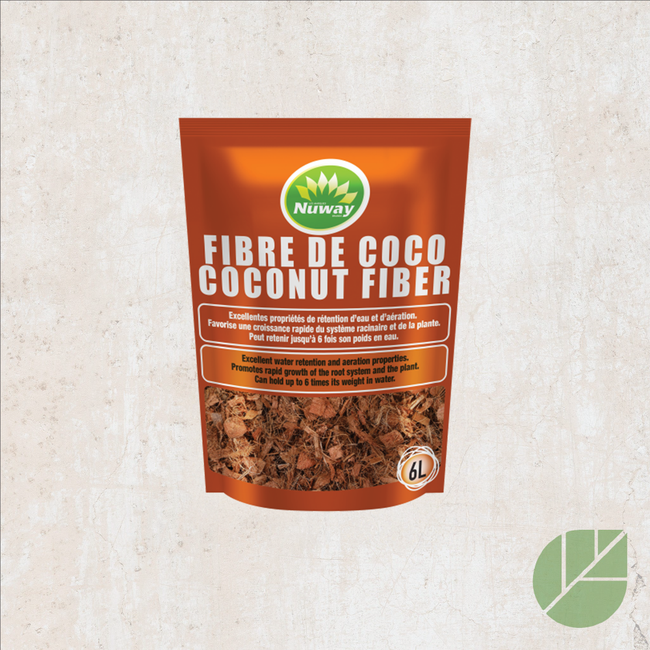
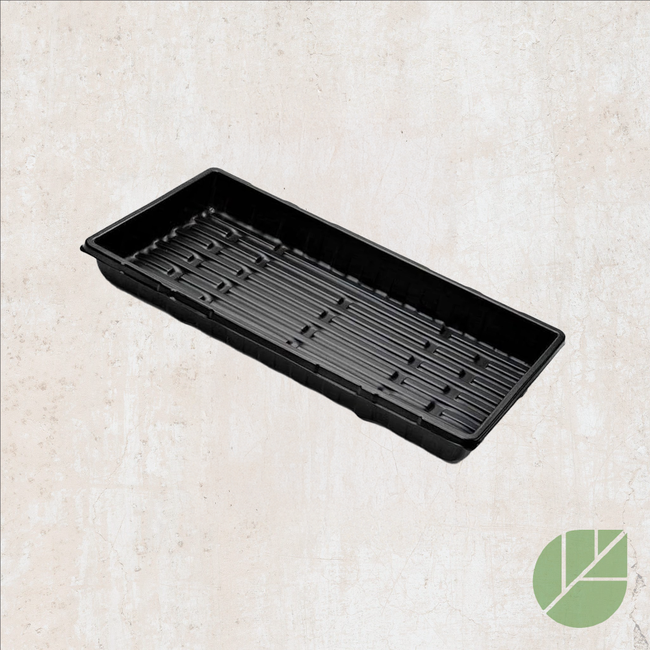
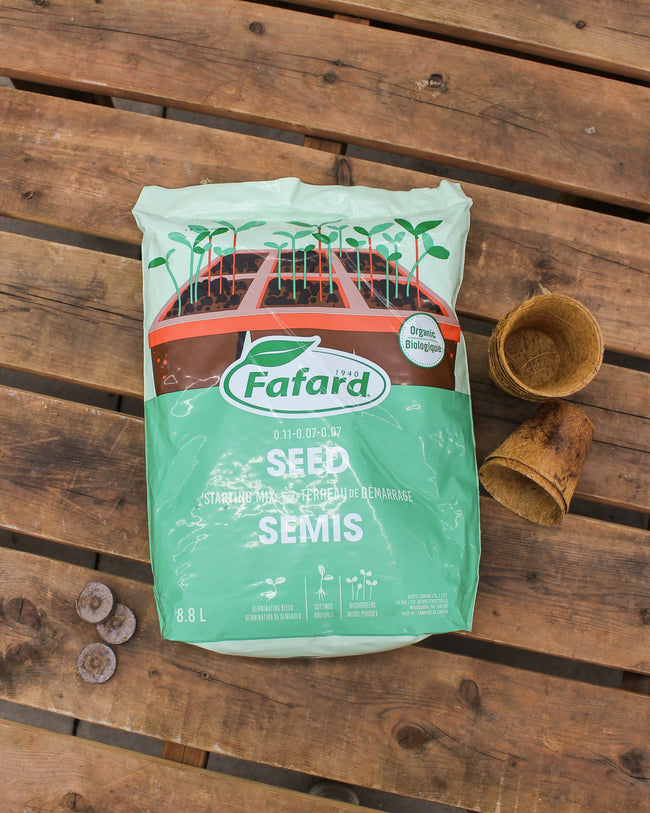
How to start tomato seedlings: 'Pink Champagne' tomato. Sow indoors about 0.5 cm deep in clean seed-starting mix six to eight weeks before the local average last frost. Use clean, moist seed starting mix that drains freely, and never leave the tray saturated. Hold the mix at 21 to 27 °C and evenly moist, never saturated; seedlings generally emerge in 7 to 14 days. Provide strong light as soon as green shoots appear, add gentle airflow, and pot plants up after true leaves develop. Handle seedlings by their leaves or root balls rather than squeezing the stems. Harden them gradually to direct sun, wind, and cooler air. Transplant only after frost risk has passed and the soil has warmed, choosing full sun and fertile, freely drained ground. Pink Champagne is tall and indeterminate, reaching 1.8 to 2.1 m, so install a sturdy cage or trellis at planting. Space plants about 60 cm apart while preserving an open path for tying and harvest. Water deeply at soil level and maintain even moisture through flowering and fruit fill. Apply only moderate label-rate fertilizer; strong nitrogen feeding can delay ripening. Begin checking the clusters around 60 days after transplanting. Pick small oval cherry tomatoes when they become luminous pink, remain firm, and release cleanly. Tie lengthening stems with soft material, support heavy trusses, and harvest regularly so ripe fruit does not remain crowded on the plant.
Soil and care
The right care,at the right time.
Soil pH
Approximately 6.0 to 6.8
Minimum temperature
10 °C (50 °F)
Care level
Moderate
Watering
Pink 'Pink Champagne' cherry tomato carries many small fruit, so a dry root zone can interrupt several clusters at once. Pink 'Pink Champagne' cherry tomato's small oval cherry-type fruit, luminous pink at maturity is carried on tall and indeterminate growth, so extend watering beyond the stem as the supported canopy enlarges. The harvest guide for pink 'Pink Champagne' cherry tomato is approximately 60 days after transplanting; maintain moisture while younger clusters continue filling. Water pink 'Pink Champagne' cherry tomato slowly at the base, soak its root zone, then wait until the upper soil begins to dry before irrigating again.
Soil type
Although pink 'Pink Champagne' cherry tomato bears small fruit, its productive growth still calls for a substantial, well-drained root zone. Prepare pink 'Pink Champagne' cherry tomato's bed for tall and indeterminate growth bearing small oval cherry-type fruit, luminous pink at maturity, not only for the small spring transplant. Allow approximately 60 days after transplanting for pink 'Pink Champagne' cherry tomato to develop, providing soil volume that stays aerated after repeated watering. Before setting pink 'Pink Champagne' cherry tomato, mix mature compost through the area while preserving a crumbly structure rather than a dense amended pocket.
Fertilization
'Pink Champagne' benefits from balanced fertility before its first trusses. Choose amendments from soil results and crop response. Once pink 'Pink Champagne' cherry tomato flowers, favour steady growth over leafy surges. Pause feeding when growth already looks balanced. For Pink Champagne cherry tomato, fruit development competes with foliage under excessive nitrogen. Treat stalled growth as a diagnosis, not a deficiency. Fertilizer cannot correct water-related disorders on 'Pink Champagne'. Let a soil test guide any corrective amendment. For pink 'Pink Champagne' cherry tomato, its root zone needs consistent moisture while fruit enlarges.
Moisture
Consistent soil moisture without saturation; good air circulation around the foliage.
Seasonal care
Seasonal care for 'Pink Champagne' tomato. Sow indoors six to eight weeks before the local average last frost, placing seed approximately 0.5 cm deep at 21 to 27 °C. Maintain even moisture through the normal 7 to 14 day emergence period, then give seedlings intense light and pot them on before roots crowd the cells. Harden gradually and transplant only after frost risk has passed, the soil is warm, and nights are mild. Select full sun and freely drained fertile soil, installing a sturdy cage or trellis at planting for the tall 1.8 to 2.1 m indeterminate vine. If grown in a container, use the documented 35 to 45 cm size and secure the support independently. Water deeply at soil level when the upper layer begins drying, preserve airflow, and keep lower leaves clear of soil splash. Guide bending stems with soft ties without severely pruning healthy growth. Check leaf undersides, ties, and developing clusters after wind or heavy rain, removing split or decaying fruit promptly. Near the stated 60 days after transplanting, judge the small oval fruit from luminous pink colour and a slight yield under gentle pressure rather than date alone. Pick regularly through the extended production period. Before the first hard frost, gather sound developed fruit, remove diseased debris, and clean the container, ties, support, and tools.
Container growing
A garden,within reach.
Recommended pot size
35 to 45 cm (14 to 18 in) diameter
Growing 'Pink Champagne' tomato in containers. Select a stable pot about 35 to 45 cm in diameter with several unobstructed drainage holes. Fill it with fresh, airy vegetable potting mix amended modestly with mature compost. Install a tall cage or trellis before planting because Pink Champagne is indeterminate and can reach 1.8 to 2.1 m. Set one hardened plant without breaking the root ball, water thoroughly, and place the container in full sun with protection from severe wind. Secure lengthening stems with soft ties and leave space around the foliage for airflow and picking. Water slowly when the upper mix begins to dry, continuing until surplus drains, then empty the saucer. Check moisture daily during hot or windy weather, since a tall fruiting plant can dry a container quickly. Feed at a modest labelled rate after watering. Excess nitrogen encourages leafy growth and can postpone flowering or ripening. Begin checking clusters around 60 days after transplanting. Harvest small oval cherry tomatoes when their colour is evenly luminous pink and their texture remains firm with slight yielding. Use clean shears where pulling might tear a loaded truss. Keep lower leaves away from wet mix and rotate the pot only if light is one-sided. Before frost, bring sound developed fruit indoors and clean the support and container after removing diseased residue.
Bloom and dimensions
Its place,in your garden.
Mature height
1.8 to 2.1 m (6 to 7 ft)
Width / spread
Approximately 60 cm (24 in)
Flower color
Yellow
Foliage color
Green
Foliage type
Compound, divided foliage with an aroma when bruised; grown as an annual in your region
Growth rate
Vigorous during the warm season
Growth habit
Tall and indeterminate
Bloom period
'Pink Champagne' carries small yellow self-fertile flowers in clusters along its flowering stems. Breezes or bumblebee vibration normally release their pollen. In the 'Pink Champagne' planting, record the first bloom and first set dates for local planning. After successful set, each retained blossom begins developing the small oval cherry-type fruit, luminous pink at maturity. When tending pink 'Pink Champagne' cherry tomato, keep moisture even, avoid a nitrogen surge, and support the canopy before fruit adds weight. Heat, cold, or drought may cause temporary blossom drop; correct the environment before pruning or feeding heavily. For Pink Champagne cherry tomato, let beneficial insects visit without spraying open blooms.
Fruiting
After pollination, flowers form numerous clusters of small oval fruit that becomes luminous pink at maturity. First harvest generally begins around 60 days after transplanting. Look for even pink colour and slight yielding rather than relying on the calendar alone. Maintain consistent moisture, support loaded clusters, and pick frequently throughout the indeterminate plant's extended production. Harvest cues should match small oval cherry-type fruit, luminous pink at maturity, with a slight yield under gentle pressure but no soft or damaged areas.
Days to maturity
Approximately 60 days after transplanting
Harvest
Begin picking Pink Champagne about 60 days after transplanting, once the oval cherry tomatoes are evenly luminous pink and yield slightly to gentle pressure. Support each cluster while detaching fruit to avoid tearing the vine. Frequent harvest keeps ripe tomatoes from splitting or dropping. Before frost, bring sound, well-developed fruit indoors; discard anything mouldy, slimy, deeply cracked, or abnormal-smelling.
Garden associations
In goodcompany.
Companion plants
Leave an open working side around the mature canopy for tying, inspection, and picking. Rotate pink 'Pink Champagne' cherry tomato away from tomatoes, peppers, eggplants, and potatoes rather than treating companionship as disease control. Use basil or parsley near 'Pink Champagne', and reserve the sunnier open side for low lettuce or onions. Around 'Pink Champagne', preserve a clear route to the small oval cherry-type fruit, luminous pink at maturity, and remove neighbours that begin shading fruit or trapping damp air. Use companion planting to organize succession and diversity, not as a substitute for sound crop care. Reassess the arrangement around 'Pink Champagne' as both crops approach mature size. A companion does not guarantee control of insects or disease, so inspect every crop separately.
Plants to avoid
Avoid waterlogged soil, overhead watering, crowding, and repeated rotations with tomatoes, peppers, eggplants, or potatoes.
Recipe idea
From the gardento your plate.
Edible parts
Ripe fruit
'Pink Champagne' tomato in the kitchen. Pink Champagne cherry tomato salad — Rinse 350 g ripe, uncracked tomatoes and cut only the larger fruit in half. In a bowl, whisk 20 mL olive oil with 10 mL white-wine vinegar, 5 mL honey, black pepper, and a small pinch of salt. Add the tomatoes, 100 g diced cucumber, 50 g thinly sliced fennel, and a handful of torn basil or mint. Toss gently so the delicate fruit remains intact. Finish with crumbled feta, cooked white beans, or toasted sunflower seeds. Let the salad stand for no more than ten minutes before serving with bread, fish, or a grain dish; longer holding releases enough juice to dilute the dressing. Use only sound tomatoes and discard any that are mouldy, split and sour-smelling, or leaking. Wash them under running water before cutting and keep the clean board separate from muddy garden produce. Refrigerate leftovers promptly in a covered container, though the texture is best when the salad is freshly assembled.
Frequently asked questions
Your questions,answered.
When should Pink Champagne be sown and transplanted in your region?
Start Pink Champagne indoors six to eight weeks before the intended transplant date. Sow seed 0.5 cm (¼ in) deep, maintain 21 to 27 °C (70 to 81 °F), and allow 7 to 14 days for germination. Once shoots appear, give them bright light and move them into larger cells before roots crowd. Harden plants gradually to sun and wind. Transplant only after frost risk has ended and nights remain mild. This is a tall indeterminate cherry tomato, so install a sturdy support at planting and leave room for a vine reaching roughly 1.8 to 2.1 m. Its small oval fruit becomes luminous pink, with maturity listed at about 60 days after transplanting. Harvest timing still depends on warmth, plant establishment, and the colour of each cluster.
Is Pink Champagne determinate or indeterminate?
Pink Champagne is an indeterminate tomato. Its stems can reach approximately 1.8–2.1 m and continue extending and forming fruit while conditions remain favourable. Install a sturdy tall cage or trellis at transplanting so later support does not disturb the roots. Guide flexible stems through the structure and use loose soft ties below strong branch junctions, never around flower or fruit clusters. Add support as the small pink tomatoes load each truss, and recheck ties as stems thicken. Keep one side accessible for soil-level watering, foliage inspection, and frequent harvest. Remove mainly broken or diseased growth rather than pruning severely. After wind or heavy rain, stabilize the structure before repositioning any loaded stem.
When should Pink Champagne tomatoes be harvested?
Harvest generally begins around 60 days after transplanting when small oval fruit becomes uniformly pink and yields slightly to gentle pressure. The date remains approximate because heat and light affect ripening. Hold the cluster gently while picking to protect stems. Pick frequently because the indeterminate plant continues producing. Before frost, bring developed fruit indoors. Reject any tomato showing mould, slime, a deep split, or an unusual odour. For Pink Champagne, the developed pink skin, gentle yield, and sound fresh aroma are more useful together than the 60-day estimate alone. Inspect entire trusses because individual oval tomatoes may ripen at different times. Support the cluster in one hand and remove only fruit that has reached its own pink stage; use clean scissors when a stem resists. Keep a dated sample from the first satisfactory picking to guide later harvests, and never use leaf or stem tissue as a garnish.
What container should be used for Pink Champagne?
Yes. Use a stable 35–45 cm diameter deep container with several drainage holes. Fill it with airy vegetable potting mix enriched with a moderate amount of compost and place it in full sun. Secure a sturdy cage or trellis capable of supporting 1.8–2.1 m stems. Check moisture daily during hot weather, water slowly until excess drains without leaving standing water, and feed moderately according to label directions. Rotate the container when light is uneven and check its stability after strong wind. Anchor the trellis independently so turning or moving the pot does not lever against the root ball. Guide stems while they are flexible and keep soft ties away from flower and fruit clusters. As the canopy expands, confirm that the container remains stable when fully watered and that runoff can leave every drainage opening freely.
Is Pink Champagne heirloom or reproducible?
Breeding status is not confirmed by the available product information, so do not promise that saved seed will reproduce Pink Champagne exactly. Tomatoes usually self-pollinate, but occasional crossing can occur. If you want to experiment, choose a healthy plant that matches the cultivar, protect a flower cluster before it opens, label it, and take seed only from fully ripe, typical luminous-pink fruit. Clean the seed with a tomato-specific method, dry it completely, and store it in a cool, dry, dark place. Grow several saved seedlings and retain only plants that match the expected early, indeterminate growth and small oval fruit. For the most predictable crop, use correctly identified Pink Champagne seed from a trusted source.
Wildlife and pets
Life,around your plants.
Supporting wildlife
Pink Champagne's cherry tomato flowers may attract pollen collectors during bloom. They should be viewed as one element of the garden's floral resources, not a complete pollinator planting. Retain other flower types nearby, and keep the tomato's growing space accessible for observing trusses and harvesting small fruit without disturbing the adjoining border.
For a great start to your seeds
The right extras.Right here.
Seed Starting Soil
Shop the collectionSeed starting supplies
Shop the collection