Sale
Sold out

Fruiting vegetable
Solanaceae
Organic fruiting vegetable seeds
Organic ‘Prudenʼs Purple’ tomato
Solanum lycopersicum
Product code : BIOVO-0159
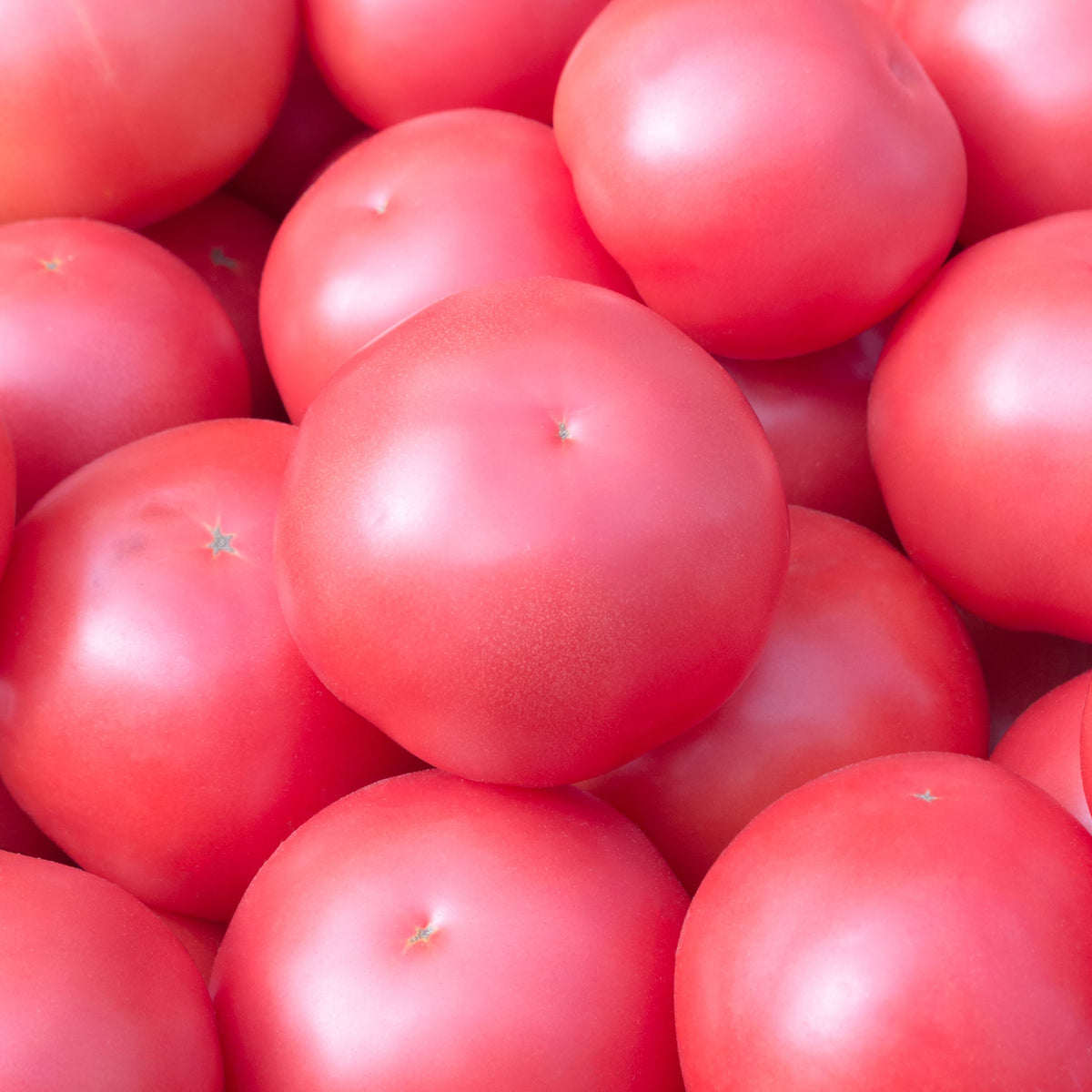
Pruden’s Purple is an organic indeterminate potato-leaf heirloom tomato. Large deep-pink fleshy juicy fruit suits thick slices, sandwiches, salads, and sauces. The historical word “Purple” does not describe modern anthocyanin-purple pigmentation; university sources instead confirm deep-pink skin and flesh. Start seed six to eight weeks before the last frost, transplant into full sun, and install a tall cage immediately. Even moisture and mulch reduce stress and cracking. Harvest when fruit is deep pink, slightly yielding, and sound around the stem. Strong support protects heavy clusters throughout the continuing season, while regular picking keeps ripe fruit from remaining exposed to damage.
- Quantity
- Approximately 30 organic seeds
- Exposure
- Sun
Discover the plant
Common namePruden’s Purple tomato
FamilySolanaceae
GenusSolanum
Specieslycopersicum
CultivarPruden’s Purple
TypeFruiting vegetable
Botanical nameSolanum lycopersicum
Reproducible seedsYes
Heirloom varietyYes
Organic ‘Prudenʼs Purple’ tomato (Solanum lycopersicum) is an indeterminate heirloom known for large deep-pink slicing fruit. Despite the historical word “Purple,” it is not a modern anthocyanin-purple tomato. Broad, lightly divided potato-leaf foliage helps identify the cultivar. Abundant juicy flesh suits thick slices, sandwiches, salads, and sauces. This product contains approximately 30 organic seeds. The cultivar commonly matures about 80 days after transplanting and can produce fruit weighing close to 454 g and measuring approximately 7.6 cm. Spacing plants 61 cm apart with 91.4 cm between rows supports healthy development. Strong support is important because indeterminate vines continue growing and producing until cold weather.
Start seed indoors six to eight weeks before the last frost, approximately 5 or 6 mm deep. Keep starting mix warm and moist without saturation, then provide intense light immediately after emergence. Pot on before roots become crowded and harden plants gradually to sun and wind. Transplant after frost into warmed soil and full sun. Bury part of the healthy stem to encourage additional roots without covering diseased foliage. Install a tall cage or sturdy stake at planting because indeterminate vines continue growing and producing until cold weather. Water deeply at soil level, mulch after the ground warms, and maintain even moisture to reduce cracking and stress. Provide airflow and avoid wetting foliage late in the day.
Maturity commonly occurs around 80 days after transplanting, depending on warmth, sunlight, and growing conditions. Harvest when fruit is uniformly deep pink, yields slightly to very gentle pressure, and remains sound around the stem. Cut or support large fruit to avoid tearing clusters. Wash tomatoes just before use and hold them at room temperature for best texture, away from direct sun. Use Pruden’s Purple in slices, sandwiches, salads, bruschetta, or cooked sauce. Refrigerate cut fruit within two hours. For any canning, follow a tested recipe requiring proper acidification because tomato colour or flavour alone never establishes safe acidity. Discard fruit showing mould, leaking tissue, or extensive decay.

Sowing guide
It all startswith a seed.
Sowing depth
5 to 6 mm (approximately 1/4 in)
Spacing / density
61 cm (24 in) between plants; 91.4 cm (36 in) between rows
Germination temperature
Approximately 24 to 29°C (75 to 85°F)
Germination time
Approximately 7 to 21 days depending on warmth, moisture, and seed freshness
Sowing period
Indoors, 6 to 8 weeks before the last frost
Propagation
Seed
Growing method
Sow indoors six to eight weeks before the last frost, approximately 5 or 6 mm deep in clean moist starting mix without saturation. Maintain 21 to 27°C until emergence, then provide intense light and good airflow. Pot on when roots fill the container and feed lightly after establishment. Harden plants for approximately one week. Transplant after frost into full sun and fertile freely draining soil. Bury part of the healthy stem and install a tall cage at planting. Leave enough space to walk and maintain airflow around foliage. Water deeply at soil level when the surface begins to dry and mulch after soil warms. Tie stems with soft material. Harvest when large fruit becomes uniformly deep pink and slightly yielding. Continue picking until cold weather, then gather sound developed tomatoes. Clean tools between plants whenever disease is suspected, and remove badly affected tissue rather than leaving it beneath the crop. Inspect ties, clusters, and leaf undersides regularly. Avoid working through foliage while it is wet. Record flowering and harvest dates, then clean the cage after the season. Rotation with crops outside the nightshade family helps organize the garden when space allows. Keep sound and damaged fruit separate during harvest and process cracked tomatoes promptly.
Soil and care
The right care,at the right time.
Soil pH
Approximately 6.0 to 6.8
Care level
Moderate
Watering
Water deeply at soil level when the soil surface begins to dry, then allow excess moisture to drain. Maintain even moisture during flowering and fruit development without saturating roots. Clean mulch limits evaporation and soil splash. Avoid sharp cycles between drought and heavy watering, as well as late-day overhead watering. Check containers daily during hot or windy weather and empty standing water from saucers after rain.
Soil type
Choose loose, fertile, well-drained soil enriched with mature compost before transplanting. A loamy texture that retains even moisture without remaining saturated supports healthy roots and continued production. Avoid locations where water collects after rain and soils that remain cold or compacted. In containers, use airy vegetable potting mix and keep drainage holes open so excess water can escape freely outdoors.
Fertilization
Incorporate mature compost before planting, then apply balanced fertilizer for fruiting vegetables according to label directions and, ideally, a soil test. Avoid excess nitrogen, which promotes foliage at the expense of blossoms and fruit. In containers, divide applications into smaller doses because frequent watering leaches nutrients more quickly. Never fertilize completely dry potting mix. Observe foliage colour and fruit set before repeating an application, then water according to label directions.
Moisture
Consistent soil moisture without saturation; good air circulation around the foliage.
Seasonal care
In late winter, sow indoors six to eight weeks before the last frost and keep seedlings under intense light. In spring, pot on as needed, feed lightly after establishment, and begin gradual hardening when days become mild. Transplant after frost into warmed soil and install a tall cage immediately. In early summer, water deeply at soil level, weed, and mulch once soil is warm. Tie stems with soft material and check heavy clusters. Through the season, maintain even moisture, avoid excessive nitrogen, inspect leaf undersides, and remove only genuinely diseased tissue. Harvest fruit when uniformly deep pink and slightly yielding. In late summer, continue picking and remove cracked fruit before it deteriorates. Before cold nights, gather sound developed tomatoes. After the season, discard diseased debris, clean cages and tools, and rotate away from nightshades when space allows. Store unused seed in a cool dry labelled place. Review harvest and watering notes before planning the following indoor sowing date. Record transplant date, first flower, first harvest, and prolonged rainy periods. These markers help adjust mulch, ties, and the next sowing schedule. Check cages after strong wind and replace any tie constricting a stem. During heavy fruit set, support individual clusters when necessary and harvest promptly after colour and texture indicate maturity. Before storing seed, confirm that saved fruit was healthy and true to the expected deep-pink colour and potato-leaf plant type.
Container growing
A garden,within reach.
Recommended pot size
At least 45 to 60 L with a tall cage
Choose a container of at least 45 to 60 L, wide, heavy, and fitted with several drainage holes. Fill it with airy vegetable potting mix amended with a moderate amount of compost. Install a tall sturdy cage at planting because Pruden’s Purple is indeterminate and outgrows a small stake. Place the pot in full sun near convenient water access. Water slowly until excess drains, then wait until the surface begins to dry; never leave water standing in the saucer. During heat waves, check moisture daily. Feed at the labelled tomato rate without multiplying nitrogen-rich applications. Tie stems with soft material, remove only genuinely diseased foliage, and maintain airflow. Harvest deep-pink fruit regularly to lighten clusters. Before frost, gather sound developed tomatoes and protect the container only when safe to move. Inspect leaf undersides weekly and separate the pot temporarily from other nightshades when a serious problem appears. After the season, do not reuse diseased mix without diagnosis. Clean the cage and container before storage, and record watering frequency during the hottest weeks to improve next year’s container plan. Rotate the pot periodically when light comes mainly from one side, without twisting stems inside the cage. Keep the surface free of fallen diseased leaves and check drainage after every prolonged rain.

Bloom and dimensions
Its place,in your garden.
Flower color
White to greenish white
Foliage color
Green
Foliage type
Herbaceous
Growth rate
Fast
Growth habit
Indeterminate, vigorous, potato-leaf
Bloom period
Small yellow flowers appear in clusters once plants are established and temperatures remain favourable. Indeterminate vines continue flowering and producing until cold weather. Maintain even moisture, avoid excess nitrogen, and preserve good airflow. Very hot conditions or cool nights may temporarily slow fruit set. A tall cage protects clusters and makes inspection easier without breaking stems. Do not use flower count alone to predict yield because weather, pollination, and plant health influence fruit set.
Fruiting
Large slicing fruit becomes deep pink at maturity rather than purple in the modern anthocyanin sense. Fruit may reach approximately 454 g and 7.6 cm, with maturity commonly occurring around 80 days after transplanting. Treat these figures as variable guidance according to weather and growing conditions. Support heavy clusters and harvest when colour is uniform, fruit yields slightly to gentle pressure, and tissue around the stem remains sound. Handle each tomato carefully to reduce bruising and pick regularly as additional fruit ripens.
Days to maturity
Approximately 80 days after transplanting
Harvest
Approximately 80 days from transplanting; harvest deep pink and slightly yielding
Garden associations
In goodcompany.
Companion plants
Basil, chives, and parsley can accompany Pruden’s Purple in a diversified vegetable garden. Use these combinations mainly to diversify the garden and attract different insects without promising guaranteed protection from diseases or pests. Leave enough room for airflow around the indeterminate tomato and keep herbs accessible for harvest. Avoid crowding the root zone because competition for water and nutrients may slow growth. Rotate tomatoes with crops outside the nightshade family when practical, and choose every companion according to its own light, soil, spacing, and watering needs.
Recipe idea
From the gardento your plate.
Edible parts
Fruit, after appropriate culinary preparation
Pruden’s Purple toast — Toast four baguette slices. Rub them with half a garlic clove, then add a thin layer of fresh cheese or mashed white beans. Slice one large ripe tomato, remove only damaged areas, and place one slice on each toast. Divide 15 mL (1 tbsp) olive oil among servings, then add a pinch of salt, pepper, and a few basil leaves. Serve immediately. Refrigerate cut tomato and uneaten toast within two hours. This fresh preparation is not shelf-stable. For sauce or canned tomatoes, use a tested recipe with the required acidification because perceived sweetness does not establish the cultivar’s pH. Wash the tomato and preparation surfaces just before use. For a dairy-free version, choose mashed beans and add a few drops of lemon juice when serving. Use a sharp knife to avoid crushing juicy flesh. Label leftovers with the date before refrigeration, and discard any portion held too long at room temperature.
Frequently asked questions
Your questions,answered.
Why is Pruden’s Purple pink rather than purple?
“Purple” is the historical cultivar name, but university sources describe deep-pink skin and flesh. This is not a modern purple tomato displaying anthocyanin pigmentation in the skin. Look instead for deep-pink colour, large slicing fruit, and potato-leaf foliage when identifying the variety. Light and maturity may shift the shade slightly without making the fruit genuinely violet. Harvest when colour is uniform and the tomato yields slightly to very gentle pressure. Observe several fully ripe fruit before describing the cultivar’s typical appearance, because light and growing conditions may slightly alter the shade. Compare foliage and fruit together rather than relying on the name alone. The mature shade may vary slightly among fruit, but healthy examples should remain within a deep-pink range.
Is Pruden’s Purple determinate or indeterminate?
Pruden’s Purple is indeterminate. Vines continue growing, flowering, and setting fruit while conditions remain favourable instead of producing one concentrated harvest. Install a tall cage or sturdy stake at transplanting to avoid damaging roots later. Tie stems with soft material and inspect loaded clusters regularly. Growth may continue until cold nights, although ripening slows as temperatures fall. Pick ripe fruit regularly, remove only genuinely diseased material, and maintain adequate airflow around foliage. In a container, use at least 45 to 60 L and anchor support securely because a small decorative stake will not hold a mature plant. Record support height and the last harvest date to improve next year’s installation.
When should Pruden’s Purple be harvested?
Sources indicate approximately 80 days from transplanting, although this range remains guidance. Light, warmth, watering, and transplant date change the schedule. Support fruit with one hand and cut the stem when a cluster resists. Hold whole tomatoes at room temperature away from direct sun to preserve texture. Refrigerate cut fruit within two hours. Discard any tomato showing mould, extensive leaking tissue, or widespread decay. Record first ripe fruit and growing conditions to improve the following season’s local schedule. Separate cracked fruit from intact tomatoes and use it promptly when still sound. When managing moisture, inspect Organic ‘Prudenʼs Purple’ tomato regularly and adjust care to its actual stage of growth.
Can Pruden’s Purple grow in a container?
Yes, but indeterminate growth requires a very large container. Use at least 45 to 60 L, several drainage holes, and a securely anchored tall cage. Fill the pot with airy vegetable mix moderately amended with compost. Place it in full sun and check moisture daily during hot weather. Water deeply when the surface begins to dry without leaving water in the saucer. Feed at the labelled tomato rate and avoid excessive nitrogen. Tie stems with soft material, harvest regularly to lighten clusters, and maintain good airflow around foliage. Before frost, gather sound developed tomatoes rather than trying to carry an unsafe overloaded container. Clean the container and cage after the season before storing them.
How long does harvest take?
Consulted sources indicate approximately 80 days from transplanting. This range describes a relatively early large heirloom but is not a guarantee. Start seed six to eight weeks before the last frost, transplant after cold weather, and select full sun. Record transplant date, first fruit set, and first uniformly deep-pink tomato. Cool nights, insufficient light, irregular moisture, or a heavily loaded plant may delay ripening. Before autumn frost, gather sound developed fruit and allow tomatoes that have begun changing colour to finish indoors. Keep them at room temperature away from direct sun, inspect them daily, and discard any showing mould or decay.
Wildlife and pets
Life,around your plants.
Supporting wildlife
Organic ‘Prudenʼs Purple’ tomato is grown primarily for harvest. When several plants reach bloom, their flowers may receive small bees, hoverflies, and other insects. This contribution remains secondary and varies with flowering duration, weather, and neighbouring crops. Avoid treatments while insects are actively visiting and retain only healthy flowering specimens away from the main harvest.
For a great start to your seeds
The right extras.Right here.
Seed Starting Soil
Shop the collectionSeed starting supplies
Shop the collection