Sale
Sold out

2–3-eye rhizomatous division
Saxifragaceae
Flowering perennial for shade and moist soil
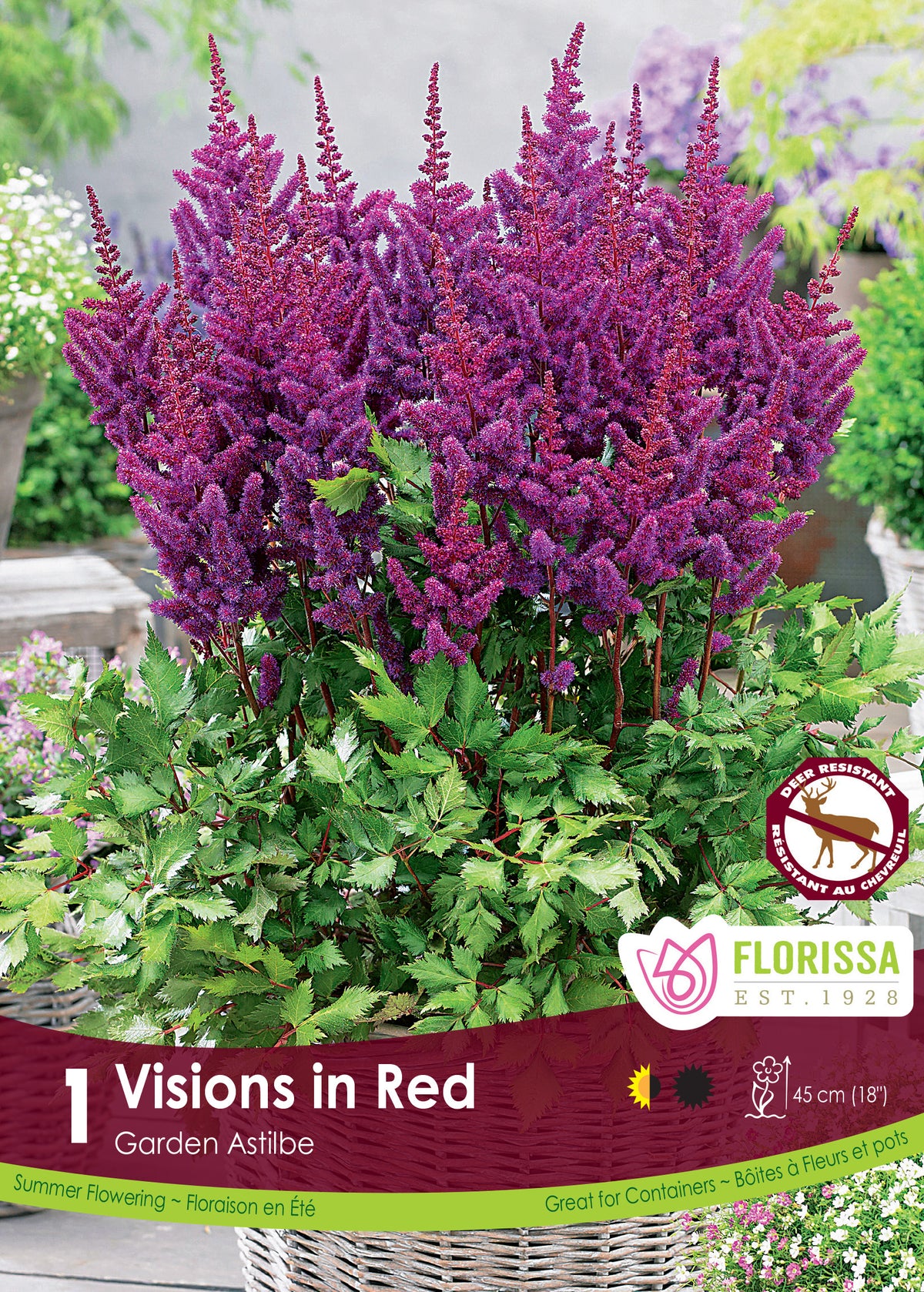
Chinese astilbe (Astilbe chinensis ‘Vision in Red’)
Product code : 336 172 01
Chinese astilbe ‘Vision in Red’ is a compact rhizomatous perennial combining purplish-red panicles with dark green foliage on violet-toned stems. Van Noort supplies one 2–3-eye division that develops into a clump about 45 cm (18 in) high and 50 cm (20 in) wide. Flowers in June and July enliven shaded borders, woodland gardens, and pond edges. Hardy in Zones 4 to 8, it prefers rich, humus-filled soil kept consistently moist in partial shade. Mulch and deep watering prevent leaf scorch during hot weather. Feathery plumes remain attractive as they dry and can also be harvested for fresh or dried arrangements.
- Quantity
- 1 tuber
- Exposure
- Partial shade
- Life cycle
- Perennial
- Hardiness
- Zones 4 to 8
Discover the plant
Common nameChinese astilbe
FamilySaxifragaceae
GenusAstilbe
Specieschinensis
CultivarVision in Red
Type2–3-eye rhizomatous division
Botanical nameAstilbe chinensis
Reproducible seedsYes
Chinese astilbe (Astilbe chinensis ‘Vision in Red’) forms a robust clump of divided, dark green compound leaves carried on purplish stems and petioles. In June and July, dense purplish-red panicles rise above the foliage and retain an attractive outline as they dry. Van Noort lists an established size of about 45 cm (18 in) high and 50 cm (20 in) wide. Hardy in Zones 4 to 8, this moderately growing rhizomatous perennial gives structure to shaded Canadian gardens from spring until the first lasting snow. The dried flower heads extend its ornamental value.
Plant the 2–3-eye division in spring with its crown level with the soil or barely covered, using fertile, humus-rich ground that remains consistently moist. Choose partial shade; sun is suitable only where reliable moisture can be maintained. Space plants 40 to 50 cm (16 to 20 in) apart, water deeply after planting, and apply 5 to 7 cm (2 to 3 in) of mulch without burying the crown. Add compost in spring, monitor moisture closely during hot weather, and divide crowded clumps every three or four years to restore flowering vigour.
This astilbe suits shaded borders, woodland gardens, stream banks, rain gardens, and pond edges where soil stays moist without prolonged stagnant water. Repeat it in groups of three to seven with hostas, ferns, brunneras, tiarellas, and heucheras, contrasting its upright plumes with broad or silver foliage. Numerous small flowers provide resources for visiting pollinating insects, while cut panicles work in fresh or dried arrangements. A generous container is also possible when watering is dependable and the root system receives protection against repeated freezing and thawing during a Canadian winter. The result is a durable, layered shade planting.

Sowing guide
It all startswith a seed.
Sowing depth
Crown level with the soil or covered by 10 to 20 mm (0.4 to 0.8 in)
Spacing / density
40 to 50 cm (16 to 20 in) between plants; 4 to 6 plants per m²
Germination temperature
15 to 20°C (59 to 68°F)
Germination time
21 to 35 days
Sowing period
Plant the division in spring after the soil thaws; early autumn planting is possible when sufficient rooting time remains.
Propagation
Crown or rhizome division in early spring
Growing method
Unpack the 2–3-eye division promptly and keep it cool but never waterlogged until planting. In Canada, install it in spring once the soil has thawed and become workable. Choose partial shade, preferably with morning sun and protection from intense afternoon heat. Loosen an area wider than the roots to a depth of 25 to 30 cm (10 to 12 in), blend in mature compost, and remove perennial weeds. Spread the roots horizontally in a broad hole with the crown level with the soil or covered by only 10 to 20 mm (0.4 to 0.8 in). Space plants 40 to 50 cm (16 to 20 in) apart. Refill without heavy compaction, then water deeply to settle soil around the roots. Maintain even moisture afterwards; even a short dry spell can scorch leaf edges and reduce flowering. Apply 5 to 7 cm (2 to 3 in) of organic mulch while leaving the crown exposed. Keep concentrated fertilizer away from the roots. During the first summer, check the soil several times weekly and water slowly whenever the upper 2 cm begins to dry. Remove only dead tissue, let the clump build reserves, and renew mulch before winter without smothering the crown.
Soil and care
The right care,at the right time.
Soil pH
Acidic to neutral; slight alkalinity is tolerated when soil remains fertile and moist
Minimum temperature
-34°C (-30°F)
Care level
Moderate
Watering
Water deeply after planting, then often enough that the root zone never dries completely. In summer, check soil two or three times weekly, especially beneath trees or near a wall. Apply water slowly at the base in the morning and moisten the full root depth. Reduce frequency as temperatures fall, while continuing to prevent stagnant water around the crown. consistently.
Soil type
Fertile, humus-rich soil with abundant organic matter gives the best result. Loam or clay is suitable when roots receive air and moisture remains steady. Avoid dry sand and thin soil beneath large trees. Drainage should remove stagnant water while preserving cool conditions. Mature compost and a leafy organic mulch gradually improve structure, moisture retention, and biological activity around the rhizomatous crown.
Fertilization
Blend mature compost into the planting area. Each spring, spread 2 to 3 cm (0.8 to 1.2 in) of compost around the clump without covering its crown. In poor soil, add a light dose of balanced slow-release fertilizer as growth begins. Avoid excessive nitrogen, which encourages soft foliage at the expense of panicles and can increase water demand.
Moisture
Consistently moist soil without prolonged drying or stagnant water. Even moisture supports healthy foliage and dependable flowering. throughout growth.
Seasonal care
In spring, remove dry stems carefully before new shoots expand fully. Check whether freezing and thawing have lifted the crown, replace soil if needed, and add 2 to 3 cm (0.8 to 1.2 in) of compost. Renew mulch while keeping the crown clear. This is also the best time to divide an overcrowded clump: lift it, separate sections carrying several eyes, and replant them immediately. During summer, water is the main priority. Check soil through hot periods, irrigate deeply before leaves wilt, and remove competing weeds. Cut faded panicles for a tidy appearance or retain them for texture and dried arrangements; deadheading will not extend flowering. Watch for browned leaf margins, usually associated with dryness, and for powdery mildew where air movement is poor. In autumn, allow foliage to yellow so the crown can recover nutrients, then cut it after several frosts or leave it until the following spring. Add light mulch around the root zone. In winter, the hardy plant remains dormant. Prevent pools of water and ice from forming over the crown. For a container plant, insulate the pot, group it beside a sheltered wall, or sink it temporarily into the ground to reduce rapid freeze-and-thaw cycles. Check protective mulch after winter storms and correct any exposed roots promptly. Resume watering gradually when shoots emerge, especially during a dry spring.
Container growing
A garden,within reach.
Recommended pot size
At least 40 cm (16 in) in diameter and 35 to 40 cm (14 to 16 in) deep
Choose a container at least 40 cm (16 in) in diameter and 35 to 40 cm (14 to 16 in) deep for one division, with several open drainage holes. Generous volume slows drying and protects rhizomes more effectively from temperature swings. Use a rich, moisture-retentive mix combining quality potting soil, compost, and a small proportion of fine bark or perlite for aeration. Set the crown level with the mix, water thoroughly, and position the pot in partial shade. Check moisture daily during hot periods; water when the surface starts to dry, without leaving water in a saucer. Apply a thin mulch and feed lightly in spring with a balanced slow-release product. Remove faded panicles or keep them for structure. Divide or repot every two or three years when roots fill the container. In Canada, do not leave the pot exposed on every side through winter. After foliage yellows, group it in a sheltered location, wrap the walls with insulating material, or sink it to the rim in garden soil. Keep the mix barely moist during dormancy, then uncover gradually in spring and resume regular watering as growth begins. each season.

Bloom and dimensions
Its place,in your garden.
Mature height
45 cm (18 in)
Width / spread
50 cm (20 in)
Flower color
Dark purplish red
Foliage color
Dark green with purplish stems and petioles
Foliage type
Deciduous, compound, and finely divided
Growth rate
Moderate
Growth habit
Compact, upright, rhizomatous clump
Bloom period
Dense panicles open mainly in June and July in Canadian gardens. Tiny purplish-red flowers gather on short, narrow plumes carried by violet-toned stems above the foliage. Consistent moisture supports flower quality and duration. Spent heads do not rebloom after cutting, but remain decorative as they turn brown and may be retained through autumn or harvested for dried arrangements. indoors beautifully.
Harvest
For fresh arrangements, cut panicles when roughly half of the tiny flowers have opened, early in the morning after dew has evaporated. Place stems immediately in clean water and remove any leaves that would remain submerged. For dried arrangements, harvest fully formed panicles before they turn excessively brown, gather them into small bundles, and hang them upside down in a dark, dry, ventilated place. Do not remove all green foliage because it is essential for replenishing rhizome reserves.
Garden associations
In goodcompany.
Companion plants
Combine this astilbe with hostas, ferns, brunneras, tiarellas, heucheras, lungworts, and sedges suited to moist soil. Broad hosta leaves contrast with its fine leaflets; silver brunneras brighten the dark panicles; ferns reinforce a woodland atmosphere. Choose companions sharing the same moisture requirements and avoid planting directly beneath trees with highly competitive roots. A succession with spring bulbs tolerant of partial shade adds interest before the summer flowers begin. Primroses and low sedges also extend the display through moist areas. Keep each companion far enough away to preserve air movement around the foliage.
Frequently asked questions
Your questions,answered.
Where should Vision in Red astilbe be planted in Canada?
Choose partial shade with morning sun and protection during the hottest afternoon hours. Soil should be fertile, rich in humus, and moist enough that it never dries completely during active growth. A shaded border, woodland garden, well-drained stream bank, or moist portion of a rain garden is suitable. Avoid a hollow that remains submerged and the immediate root zone beneath large trees, where competition quickly removes water. Allow 40 to 50 cm (16 to 20 in) between plants. In Zone 4 regions, organic mulch helps stabilize both soil moisture and temperature. Easy access to a hose or irrigation line simplifies summer care.
Why are my astilbe leaves turning brown?
Brown leaf margins most often appear when soil becomes too dry or when hot sun and wind increase water loss. Irrigate slowly and deeply, then confirm that the entire root zone has been moistened. Apply 5 to 7 cm (2 to 3 in) of mulch without covering the crown. If the plant receives intense afternoon sun, move it to partial shade the following spring. Excess fertilizer can also damage roots, while constantly saturated soil deprives them of oxygen. Finally inspect leaves for powdery mildew, improve spacing and air movement, and deliver water at soil level rather than over the foliage.
Should spent Vision in Red flowers be removed?
Removing faded panicles does not produce a second bloom, although it can give the clump a tidier appearance. Cut each stalk near the foliage with a clean tool if you prefer an orderly border or want to harvest the plumes for a dried arrangement. They may also remain in place: their structure turns an attractive brown and stays visible during autumn, sometimes into early winter. Do not remove green foliage because it feeds the rhizomes and prepares the following year’s shoots. Wait for natural yellowing before cutting it down after frost or in early spring. Both choices are horticulturally sound.
Can this astilbe be grown in a container?
Yes. Use a pot at least 40 cm (16 in) in diameter and 35 to 40 cm (14 to 16 in) deep with numerous drainage holes. A compost-rich potting mix should retain moisture while allowing excess water to escape. Keep the container in partial shade and check it daily during summer heat because a potted root ball dries quickly. Feed lightly in spring and divide the clump when roots fill the available volume. For a Canadian winter, insulate the walls, move the pot beside a sheltered wall, or sink it to the rim in garden soil to reduce repeated freezing and thawing.
When and how should Vision in Red astilbe be divided?
Divide the clump in early spring when its centre flowers less, new shoots become crowded, or approximately every three to four years. Water the previous day, lift the root ball with a garden fork, and retain as many roots as possible. Separate it by hand or with a clean knife into sections carrying several vigorous eyes. Discard dead central material. Replant divisions immediately in compost-enriched soil with crowns level with the surface, spacing them 40 to 50 cm (16 to 20 in) apart. Water deeply and maintain steady moisture throughout establishment. Shade the replanted sections briefly if unusually warm weather follows.
Wildlife and pets
Life,around your plants.
Supporting wildlife
Numerous small flowers gathered in panicles can supply nectar and pollen to bees, hoverflies, and other visiting insects during summer bloom. Astilbe is not a major food plant for birds or specialist butterflies. Keep a diversity of native flowers nearby to provide continuous resources before and after the June and July flowering period.
For your perennials and grasses
The right extras.Right here.
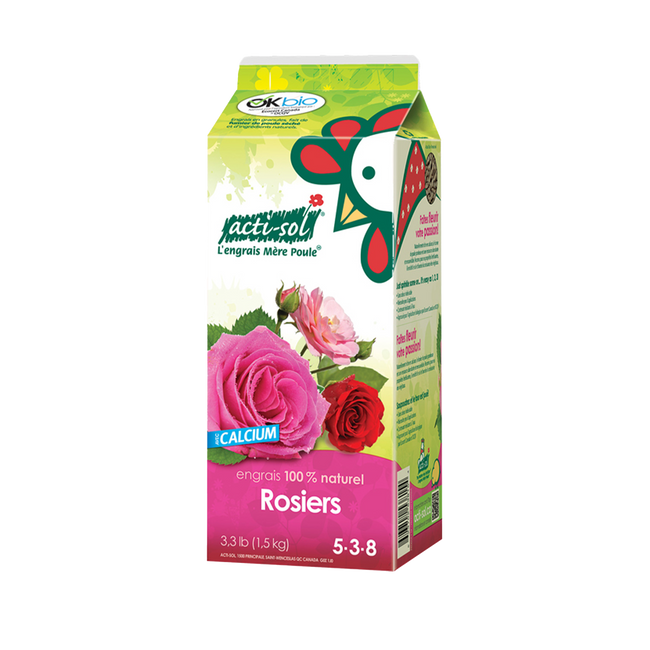
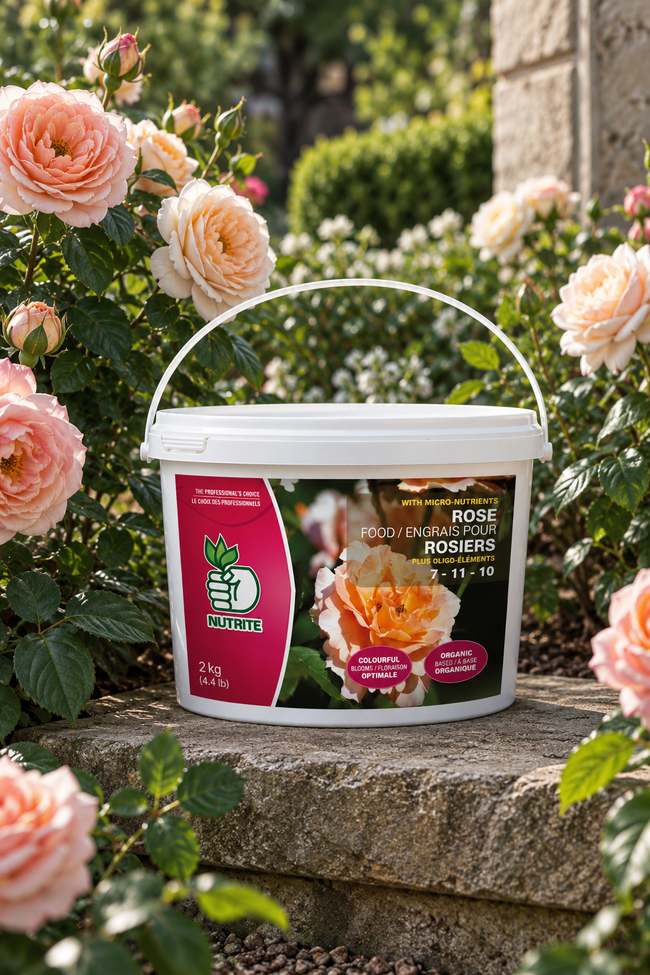
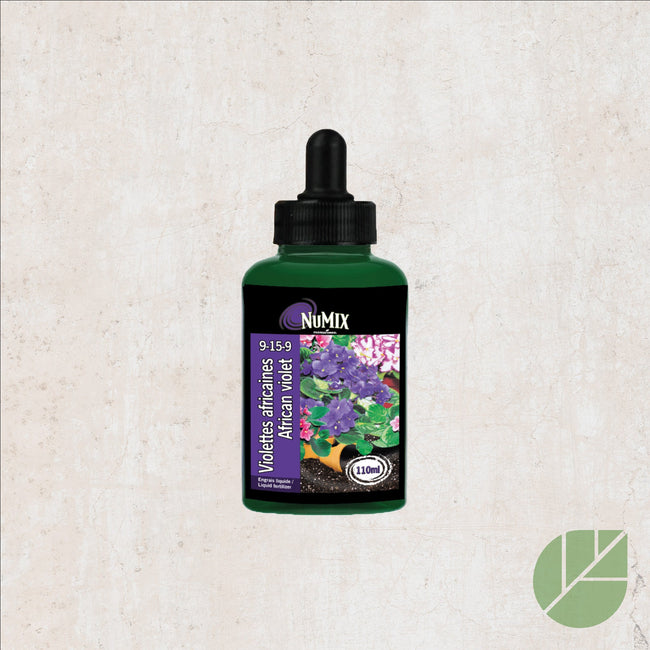
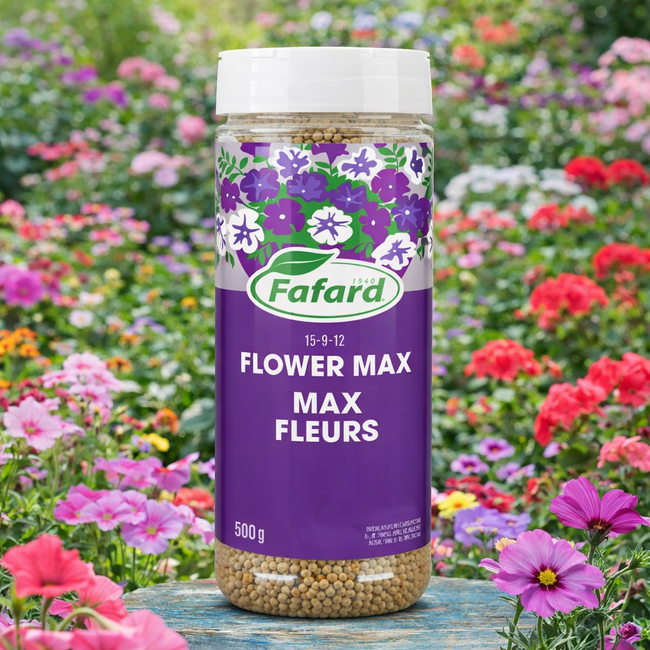
Flower and Bloom Fertilizer
Shop the collection

Hand Tools
Shop the collection