Sale
Sold out

Bulb
Asteraceae
Anemone Dahlia 'Platinum Blonde' (Dahlia)
Dahlia pinnata ‘Anemone Platinum Blonde’
Anemone Platinum Blonde Dahlia (Dahlia pinnata ‘Anemone Platinum Blonde’) produces elegant creamy white flowers surrounding a golden pincushion centre. This refined variety brightens gardens from summer until the first frost.
- Quantity
- 1 tuber
- Exposure
- Full sun. A bright, sunny location promotes sturdy stems and abundant flowering throughout the season.
- Life cycle
- Perennial
- Hardiness
- Zone 10
Discover the plant
Common nameAnemone Platinum Blonde Dahlia
FamilyAsteraceae
GenusDahlia
TypeBulb
Botanical nameDahlia pinnata ‘Anemone Platinum Blonde’
Reproducible seedsYes
Anemone Platinum Blonde Dahlia (Dahlia pinnata ‘Anemone Platinum Blonde’) is admired for its elegant anemone-style flowers featuring creamy white outer petals surrounding a luminous golden-yellow pincushion centre. This refined display blooms continuously from July until the first frost, standing out beautifully against compact, dark green foliage. Growing 60 to 80 cm (24 to 32 in) tall, it brings texture, brightness, and sophisticated charm to summer gardens. Not hardy in Canada, it is typically grown as an annual, although its tubers can be lifted and stored indoors over winter.
Plant the tuber in spring after all danger of frost has passed and the soil has thoroughly warmed, approximately 10 to 12 cm (4 to 5 in) deep. Choose a location in full sun with rich, loose, humus-rich, well-drained soil, spacing plants 40 to 50 cm (16 to 20 in) apart. Water regularly to maintain even soil moisture without allowing the soil to become waterlogged. Feed every two to three weeks with a fertilizer high in potassium to encourage abundant flowering. Remove spent blooms regularly to promote continuous flower production. In autumn, lift the tubers before hard frost and store them in a cool, dry, frost-free location until spring.
Anemone Platinum Blonde Dahlia is perfect for elegant garden beds, flowering borders, large containers, and cut flower gardens. Its creamy white and golden blooms pair beautifully with salvias, cosmos, Verbena bonariensis, and ornamental grasses. Strong stems and excellent vase life make it an outstanding choice for modern, romantic, and sophisticated floral arrangements. Its open flower centres attract bees, butterflies, and many other pollinating insects throughout the summer. The petals of untreated plants may also be used with care as an edible garnish for selected desserts.

Sowing guide
It all startswith a seed.
Sowing depth
10 to 12 cm (4 to 5 in)
Sowing period
Spring
Propagation
Divide the tubers in spring, ensuring each division has at least one viable growing eye. This preserves the characteristics of the cultivar.
Growing method
Plant the tubers in spring after all danger of frost has passed and the soil has thoroughly warmed. Plant 10 to 12 cm (4 to 5 in) deep, spacing tubers 40 to 50 cm (16 to 20 in) apart in rich, loose, well-drained soil. Choose a location in full sun for the best flowering performance. Water regularly without waterlogging the soil and fertilize throughout the growing season. Remove spent blooms to encourage continuous flower production. Lift the tubers before the first hard frost and store them in a cool, dry, frost-free location over winter.
Soil and care
The right care,at the right time.
Soil pH
Slightly acidic to neutral
Minimum temperature
5°C (41°F)
Care level
Intermediate
Watering
Water regularly to keep the soil evenly moist without overwatering. Gradually reduce watering toward the end of the season before lifting the tubers.
Soil type
Rich, loose, humus-rich, well-drained soil that remains evenly moist without becoming waterlogged. Avoid heavy, poorly drained soils.
Fertilization
Apply a fertilizer high in potassium every two to three weeks during active growth. Avoid excessive nitrogen, which promotes foliage at the expense of flowers.
Seasonal care
Remove spent blooms regularly to encourage continuous flowering. Water deeply during hot weather without waterlogging the soil. Fertilize every two to three weeks throughout the growing season. Lift the tubers before the first hard frost and store them in a cool, dry location over winter.
Container growing
A garden,within reach.
Recommended pot size
35 to 45 cm (14 to 18 in)
Container gardening requires planning for the necessary root volume and the plant's final height. Choose a stable pot with drainage holes and a suitable planting medium. Leave enough space to respect the recommended depth and spacing, rather than crowding plants to immediately fill the pot. Place the container in the indicated exposure and regularly check the moisture level, especially in hot or windy weather. A pot is more exposed to temperature variations than planting in the ground. Therefore, plan for a wintering location compatible with the plant's needs and your region's climate from the outset. Plant in spring when all risk of frost has passed and the soil is sufficiently warmed. Choose a sunny spot, sheltered from strong winds, in fertile, well-drained soil. Arrange the tuberous roots with their crown and buds facing upwards, without breaking fragile attachments. Install a stake at planting if support will be needed, to avoid damaging the roots later. Water sparingly at the start, then adjust watering to foliage growth. Consistently soggy soil around the tubers should be avoided, especially before the first shoots appear. Plan to bring storage organs indoors, away from frost, for the Quebec winter.

Bloom and dimensions
Its place,in your garden.
Mature height
60 to 80 cm (24 to 32 in)
Width / spread
40 to 50 cm (16 to 20 in)
Flower color
Creamy white with a golden yellow centre
Foliage color
Dark green
Foliage type
Deciduous
Growth rate
Fast
Bloom period
Elegant anemone-style flowers feature creamy white petals surrounding a decorative golden-yellow pincushion centre. With regular deadheading, the plant blooms continuously until the first frost.
Harvest
July to October. Harvest flowers when they are fully open for the longest vase life.

Garden associations
In goodcompany.
Companion plants
Pairs beautifully with salvias, cosmos, Verbena bonariensis, and ornamental grasses to create elegant summer borders.
Frequently asked questions
Your questions,answered.
When should Anemone Platinum Blonde Dahlia tubers be planted?
Plant the tubers in spring after all danger of frost has passed and the soil has warmed. Planting in cold soil slows development. Choose a sunny location for the best results.
Is Anemone Platinum Blonde Dahlia a good cut flower?
Yes. Its elegant blooms have excellent vase life and are highly valued for modern, romantic, and sophisticated floral arrangements.
Should the tubers be lifted for winter in Canada?
Yes. The tubers are not hardy in most Canadian climates. Lift them after the first light frost and store them in a cool, dry, frost-free location until spring.
Why should spent flowers be removed?
Deadheading encourages the plant to produce new flower buds and extends the blooming season until the first frost.
Does Anemone Platinum Blonde Dahlia attract pollinators?
Yes. Its open, pollen-rich centre attracts bees, butterflies, and many other pollinating insects throughout the summer.
Wildlife and pets
Life,around your plants.
Supporting wildlife
Bees, butterflies, and pollinators
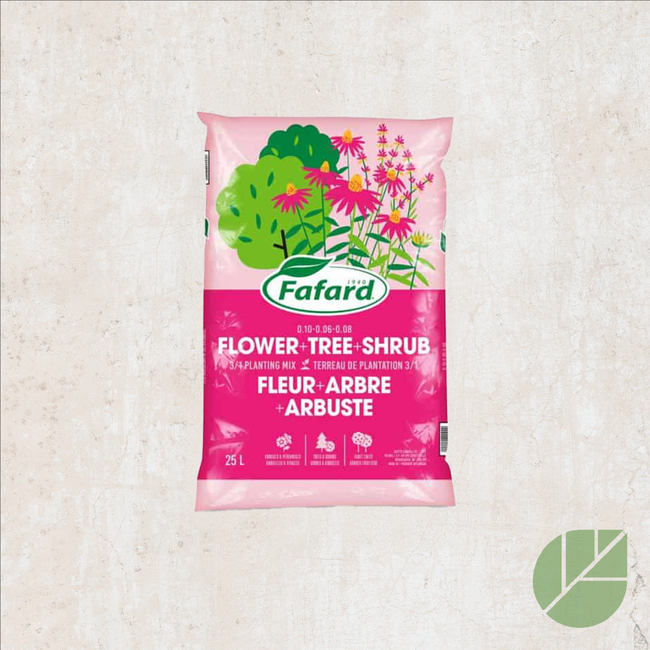
For planting your bulbs
The right extras.Right here.
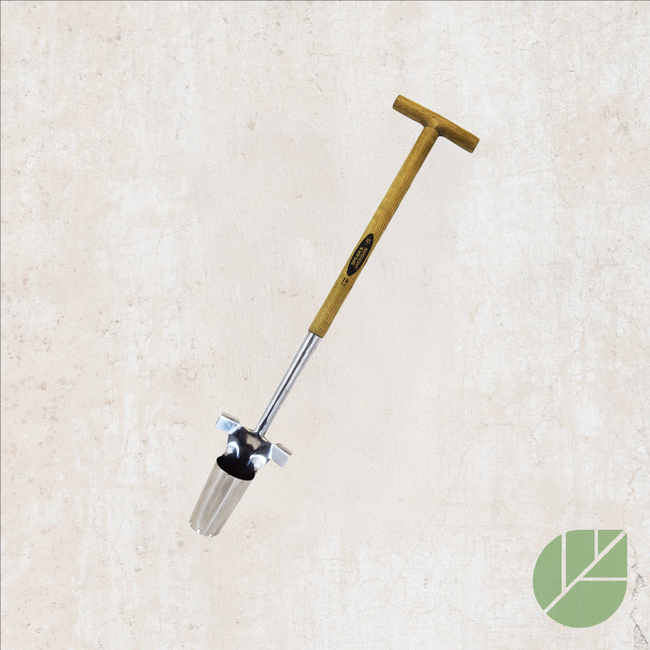
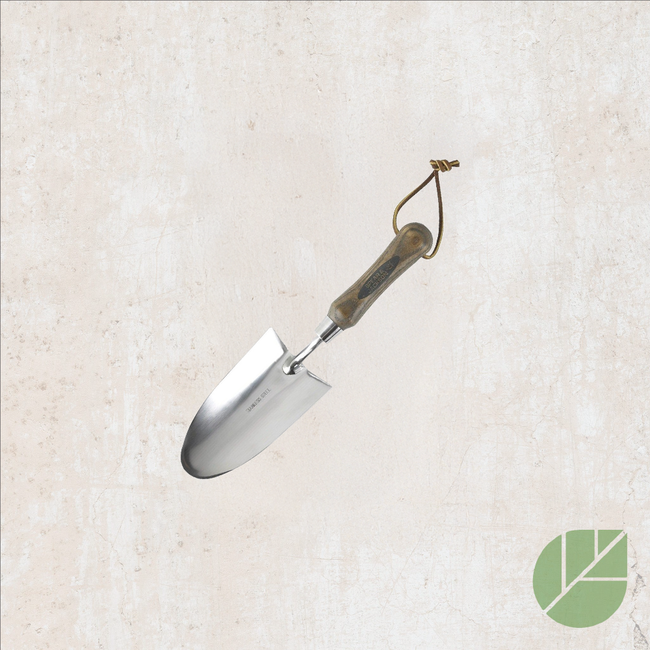
Bulb planters and planting tools
Shop the collection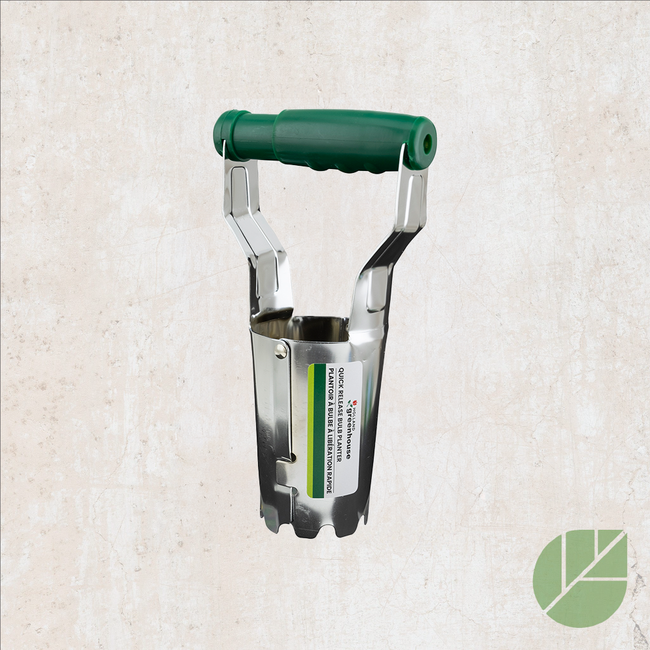

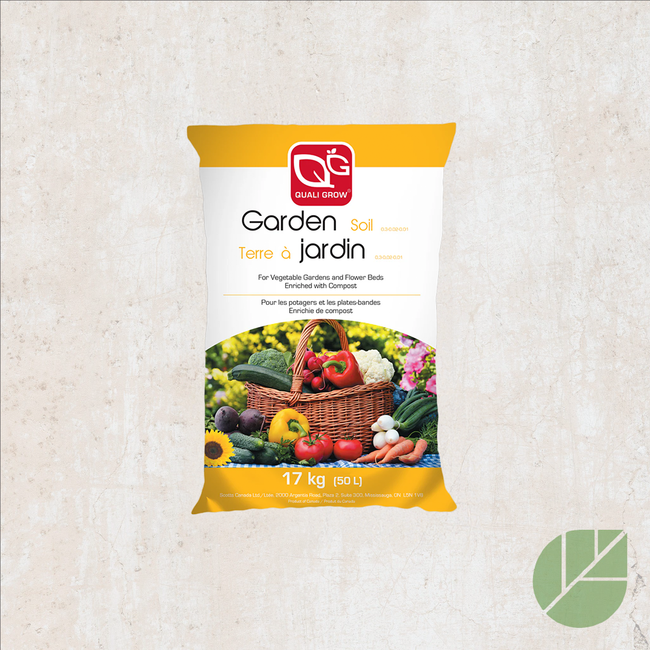
Soils and amendments for bulbs
Shop the collection