Sale
Sold out

Dormant tuber
Asteraceae
Multicoloured collarette dahlia mixture
‘Collarette Mix’ collarette dahlia
Dahlia ‘Collarette Mix’
Product code : VAN-350-113-01
Four multicoloured collarette dahlia tubers produce upright clumps 60 to 80 cm tall and open flowerheads with contrasting inner collars. Collarette dahlias develop one outer row of flat florets around a shorter collar framing the central disc. This open architecture keeps the centre accessible to bees and other insects. The mixture brings several colours and patterns, so every clump provides a surprise. Full sun, fertile compost-enriched soil, and rapid drainage support vigorous stems. Watering at the base when the surface dries prevents prolonged excess moisture. Pinching young shoots encourages branching. Stakes installed early limit breakage. Removing faded flowers renews bud production. After the first frost, tubers are lifted, surface-dried, then stored somewhere cool, dry, dark, and frost-free. Collarette dahlias develop.
- Quantity
- 4 tubers
- Exposure
- Full sun
- Life cycle
- Tender perennial grown as an annual
- Hardiness
- Zone 10
Discover the plant
Common name‘Collarette Mix’ collarette dahlia
FamilyAsteraceae
GenusDahlia
SpeciesGarden hybrids in the Collarette Group
CultivarCollarette Mix
TypeDormant tuber
Botanical nameDahlia ‘Collarette Mix’
Reproducible seedsYes
‘Collarette Mix’ collarette dahlia (Dahlia ‘Collarette Mix’) Collarette Mix dahlia presents a multicoloured collection of four tubers whose open flowerheads combine one row of broad petals, a short contrasting collar, and a visible central disc. This pollinator friendly dahlia produces red, pink, yellow, orange, white, or bicoloured flowers above upright clumps 60 to 80 cm tall. The collarette dahlia mixture creates a spontaneous, airy, changing display while accessible centres welcome visiting insects. Each Van Noort package contains No1 tubers intended to flower from midsummer until frost, providing diversity especially suited to borders and informal summer arrangements. Collarette dahlias develop one outer row of flat florets around a shorter collar framing the central.
Plant all four tubers in spring after the final frost once soil is warm and easy to work. Set them horizontally 10 cm deep with buds facing upward, leaving 40 cm between clumps. Choose full sun in fertile, humus-rich soil that stays moist yet drains freely. Water deeply at the base when the upper layer dries, never allowing water to remain around crowns. Add mature compost before planting, then use fertilizer relatively low in nitrogen and richer in potassium as buds appear. Pinch shoots, install stakes early, and remove fading flowerheads to extend flowering and keep fresh stems developing throughout the season. Collarette dahlias develop.
Use this multicoloured dahlia for borders, cutting gardens, or large free-draining containers. Its visible centres combine well with cosmos, zinnias, salvias, Verbena bonariensis, and airy grasses that also extend resources for pollinating insects. Harvest stems when flowers are nearly fully open and refresh arrangement water often. In Quebec, wait until the first frost blackens foliage, cut stems back, lift tubers carefully, let their surfaces dry, and keep them labelled in a cool, dry, dark, frost-free place. Inspect stored crowns monthly until the next planting season, discarding soft damaged tissue while preserving firm sections that carry healthy viable buds. Collarette dahlias develop one outer row of.

Sowing guide
It all startswith a seed.
Sowing depth
10 cm (4 in)
Spacing / density
40 cm (16 in) between tubers
Sowing period
May to early June once soil is warm
Propagation
Division of tubers each carrying a viable bud
Growing method
Plant after frost, pinch young shoots, stake before extension, water at the base, feed moderately, and remove faded flowers. Collarette dahlias develop one outer row of flat florets around a shorter collar framing the central disc. This open architecture keeps the centre accessible to bees and other insects. The mixture brings several colours and patterns, so every clump provides a surprise. Full sun, fertile compost-enriched soil, and rapid drainage support vigorous stems. Watering at the base when the surface dries prevents prolonged excess moisture. Pinching young shoots encourages branching. Stakes installed early limit breakage. Removing faded flowers renews bud production. After the first frost, tubers are lifted, surface-dried, then stored somewhere cool, dry, dark, and frost-free. Collarette dahlias develop one outer row of flat florets around a shorter collar framing the central disc. This open architecture keeps the centre accessible to bees and other insects. The mixture brings several colours and patterns, so every clump provides a surprise. Full sun, fertile compost-enriched soil, and rapid drainage support vigorous stems. Watering at the base when the surface dries prevents prolonged excess moisture. Pinching young shoots encourages branching. Stakes installed early limit breakage. Removing faded flowers renews bud production. After the first frost, tubers are lifted, surface-dried, then stored somewhere cool, dry, dark, and frost-free. Collarette dahlias develop one outer row of.
Soil and care
The right care,at the right time.
Soil pH
Slightly acidic to neutral
Minimum temperature
5°C (41°F)
Care level
Moderate
Watering
Water deeply at the base when the surface dries, then let surplus moisture drain to protect crowns. Collarette dahlias develop one outer row of flat florets around a shorter collar framing the central disc. This open architecture keeps the centre accessible to bees and other insects. The mixture brings several colours and patterns, so every clump provides a surprise. Full sun, fertile compost-enriched soil, and rapid drainage support vigorous stems. Watering at the base when.
Soil type
Choose fertile, humus-rich, loosened, freely drained soil that remains moist during active growth. Collarette dahlias develop one outer row of flat florets around a shorter collar framing the central disc. This open architecture keeps the centre accessible to bees and other insects. The mixture brings several colours and patterns, so every clump provides a surprise. Full sun, fertile compost-enriched soil, and rapid drainage support vigorous stems. Watering at the base when the surface dries prevents.
Fertilization
Incorporate mature compost, then use fertilizer low in nitrogen and richer in potassium from bud formation. Collarette dahlias develop one outer row of flat florets around a shorter collar framing the central disc. This open architecture keeps the centre accessible to bees and other insects. The mixture brings several colours and patterns, so every clump provides a surprise. Full sun, fertile compost-enriched soil, and rapid drainage support vigorous stems. Watering at the base when the.
Moisture
Maintain even moisture without saturation during growth, bud formation, and flowering. Collarette dahlias develop one outer row of flat florets around a shorter collar framing the central disc. This open architecture keeps the centre accessible to bees and other insects. The mixture brings several colours and patterns, so every clump provides a surprise. Full sun, fertile compost-enriched soil, and rapid drainage support vigorous stems. Watering at the base when the surface dries prevents prolonged excess.
Seasonal care
In spring, plant, pinch, and stake. In summer, water, feed, harvest, and deadhead. After frost, lift and store. Collarette dahlias develop one outer row of flat florets around a shorter collar framing the central disc. This open architecture keeps the centre accessible to bees and other insects. The mixture brings several colours and patterns, so every clump provides a surprise. Full sun, fertile compost-enriched soil, and rapid drainage support vigorous stems. Watering at the base when the surface dries prevents prolonged excess moisture. Pinching young shoots encourages branching. Stakes installed early limit breakage. Removing faded flowers renews bud production. After the first frost, tubers are lifted, surface-dried, then stored somewhere cool, dry, dark, and frost-free. Collarette dahlias develop one outer row of flat florets around a shorter collar framing the central disc. This open architecture keeps the centre accessible to bees and other insects. The mixture brings several colours and patterns, so every clump provides a surprise. Full sun, fertile compost-enriched soil, and rapid drainage support vigorous stems. Watering at the base when the surface dries prevents prolonged excess moisture. Pinching young shoots encourages branching. Stakes installed early limit breakage. Removing faded flowers renews bud production. After the first frost, tubers are lifted, surface-dried, then stored somewhere cool, dry, dark, and frost-free. Collarette dahlias develop one outer row of flat florets around a shorter collar framing the central disc. This open architecture keeps the centre accessible to bees and other insects. The mixture brings several colours and patterns, so every clump provides a surprise. Full.
Container growing
A garden,within reach.
Recommended pot size
At least 40 cm wide and deep
Grow one tuber per large stable deep free-draining container, use fertile potting mix, and check moisture on every hot day. Collarette dahlias develop one outer row of flat florets around a shorter collar framing the central disc. This open architecture keeps the centre accessible to bees and other insects. The mixture brings several colours and patterns, so every clump provides a surprise. Full sun, fertile compost-enriched soil, and rapid drainage support vigorous stems. Watering at the base when the surface dries prevents prolonged excess moisture. Pinching young shoots encourages branching. Stakes installed early limit breakage. Removing faded flowers renews bud production. After the first frost, tubers are lifted, surface-dried, then stored somewhere cool, dry, dark, and frost-free. Collarette dahlias develop one outer row of flat florets around a shorter collar framing the central disc. This open architecture keeps the centre accessible to bees and other insects. The mixture brings several colours and patterns, so every clump provides a surprise. Full sun, fertile compost-enriched soil, and rapid drainage support vigorous stems. Watering at the base when the surface dries prevents prolonged excess moisture. Pinching young shoots encourages branching. Stakes installed early limit breakage. Removing faded flowers renews bud production. After the first frost, tubers are lifted, surface-dried, then stored somewhere cool, dry, dark, and frost-free. Collarette dahlias develop one outer row.

Bloom and dimensions
Its place,in your garden.
Mature height
60 to 80 cm (24 to 32 in)
Width / spread
40 to 50 cm (16 to 20 in)
Flower color
Mixture of red, pink, yellow, orange, white, and bicolours
Foliage color
Medium to dark green
Foliage type
Deciduous after frost
Growth rate
Fast
Growth habit
Upright branching clump
Bloom period
Multicoloured open flowerheads repeat from July until frost when harvesting and deadheading remain regular. Collarette dahlias develop one outer row of flat florets around a shorter collar framing the central disc. This open architecture keeps the centre accessible to bees and other insects. The mixture brings several colours and patterns, so every clump provides a surprise. Full sun, fertile compost-enriched soil, and rapid drainage support vigorous stems. Watering at the base when the surface dries.
Harvest
July to October. Harvest flowers when fully open for the longest vase life.

Garden associations
In goodcompany.
Companion plants
Pair with cosmos, zinnias, salvias, Verbena bonariensis, and airy grasses sharing sun and extending interest. Collarette dahlias develop one outer row of flat florets around a shorter collar framing the central disc. This open architecture keeps the centre accessible to bees and other insects. The mixture brings several colours and patterns, so every clump provides a surprise. Full sun, fertile compost-enriched soil, and rapid drainage support vigorous stems. Watering at the base when the surface dries prevents prolonged excess moisture. Pinching young shoots encourages branching. Stakes installed early limit breakage. Removing faded flowers renews bud production. After the first frost.
Frequently asked questions
Your questions,answered.
When should the tubers be planted in Quebec?
Wait until after the final frost and until soil has warmed, generally from May to early June. Cold planting slows growth and encourages rotting. Collarette dahlias develop one outer row of flat florets around a shorter collar framing the central disc. This open architecture keeps the centre accessible to bees and other insects. The mixture brings several colours and patterns, so every clump provides a surprise. Full sun, fertile compost-enriched soil, and rapid drainage support vigorous stems. Watering at the base when the surface dries prevents prolonged excess moisture. Pinching young shoots encourages branching. Stakes installed early limit breakage. Removing faded flowers renews bud production. After the first frost, tubers.
Why do the flowers attract pollinators?
The outer row and short collar leave the central disc visible. Bees and other insects can therefore reach pollen and nectar more easily. Collarette dahlias develop one outer row of flat florets around a shorter collar framing the central disc. This open architecture keeps the centre accessible to bees and other insects. The mixture brings several colours and patterns, so every clump provides a surprise. Full sun, fertile compost-enriched soil, and rapid drainage support vigorous stems. Watering at the base when the surface dries prevents prolonged excess moisture. Pinching young shoots encourages branching. Stakes installed early limit breakage. Removing faded flowers renews bud production. After the first frost, tubers are.
How far apart should the tubers be planted?
Leave approximately 40 cm between tubers and plant them 10 cm deep. This spacing promotes useful air circulation between developing clumps. Collarette dahlias develop one outer row of flat florets around a shorter collar framing the central disc. This open architecture keeps the centre accessible to bees and other insects. The mixture brings several colours and patterns, so every clump provides a surprise. Full sun, fertile compost-enriched soil, and rapid drainage support vigorous stems. Watering at the base when the surface dries prevents prolonged excess moisture. Pinching young shoots encourages branching. Stakes installed early limit breakage. Removing faded flowers renews bud production. After the first frost, tubers are lifted, surface-dried.
Can Collarette Mix be grown in a container?
Yes, place one tuber in a stable freely drained container at least 40 cm wide. Water more frequently without leaving standing moisture. Collarette dahlias develop one outer row of flat florets around a shorter collar framing the central disc. This open architecture keeps the centre accessible to bees and other insects. The mixture brings several colours and patterns, so every clump provides a surprise. Full sun, fertile compost-enriched soil, and rapid drainage support vigorous stems. Watering at the base when the surface dries prevents prolonged excess moisture. Pinching young shoots encourages branching. Stakes installed early limit breakage. Removing faded flowers renews bud production. After the first frost, tubers are lifted.
How should the tubers be stored over winter?
After the first frost, cut stems, lift tubers, dry their surfaces, and keep them labelled somewhere cool, dry, dark, and frost-free. Collarette dahlias develop one outer row of flat florets around a shorter collar framing the central disc. This open architecture keeps the centre accessible to bees and other insects. The mixture brings several colours and patterns, so every clump provides a surprise. Full sun, fertile compost-enriched soil, and rapid drainage support vigorous stems. Watering at the base when the surface dries prevents prolonged excess moisture. Pinching young shoots encourages branching. Stakes installed early limit breakage. Removing faded flowers renews bud production. After the first frost, tubers are lifted, surface-dried.
Wildlife and pets
Life,around your plants.
Supporting wildlife
The exposed central disc offers accessible pollen and nectar to bees, hoverflies, butterflies, and other visitors during flowering. Collarette dahlias develop one outer row of flat florets around a shorter collar framing the central disc. This open architecture keeps the centre accessible to bees and other insects. The mixture brings several colours and patterns, so every clump provides a surprise..
For planting your bulbs
The right extras.Right here.
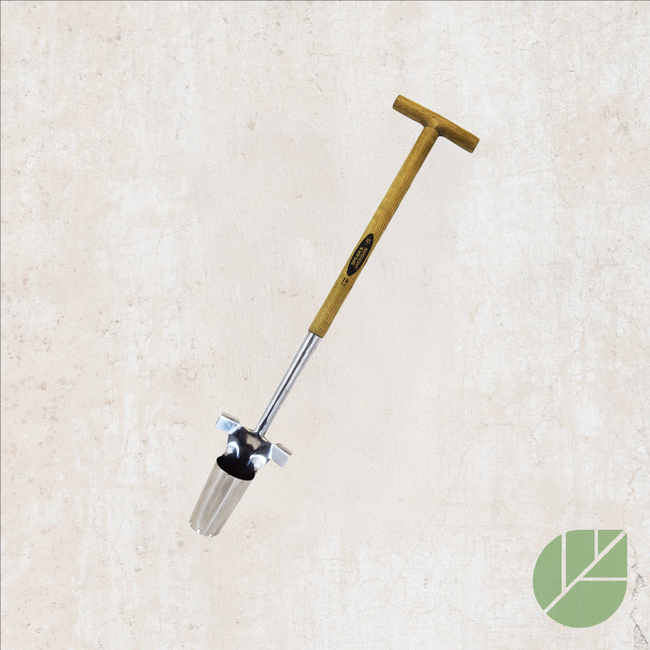
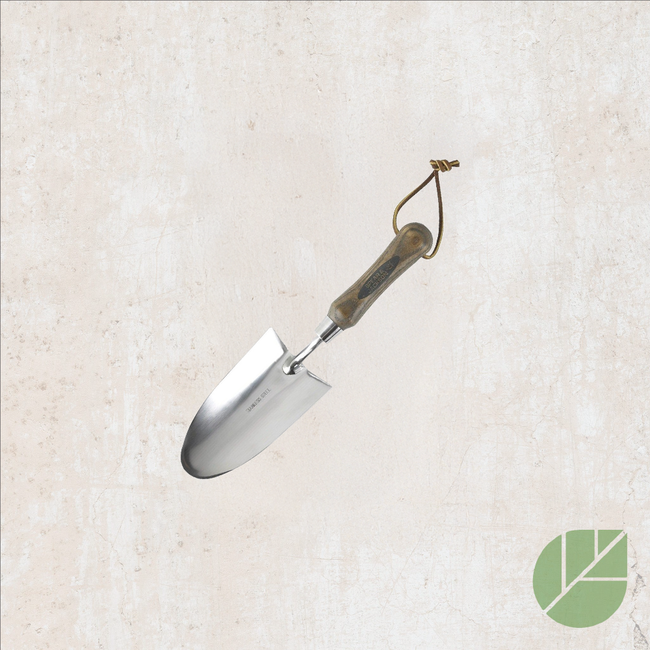
Bulb planters and planting tools
Shop the collection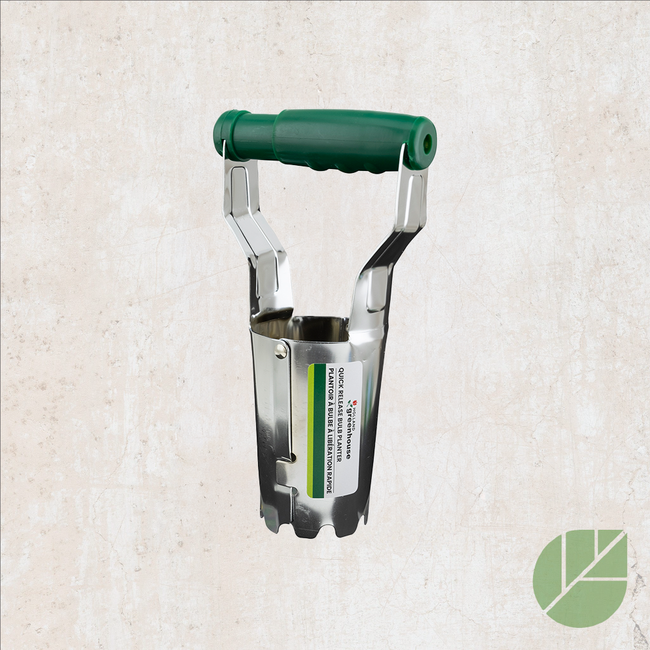
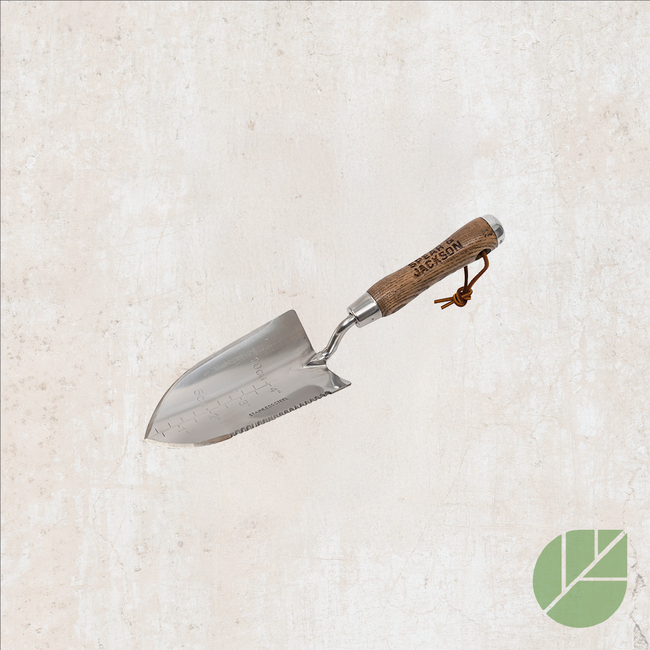
Soils and amendments for bulbs
Shop the collection