Sale
Sold out

Dormant tuber
Asteraceae
Multicoloured orange Ball dahlia
‘Palmares’ Ball Dahlia
Dahlia ‘Palmares’
Product code : VAN-327-422-85
Palmares forms an upright 80 cm by 50 cm clump bearing fully double Ball flowers approximately 8.5 cm across. Every yellow-orange flowerhead receives purple purple veins, creating a genuinely individual pattern. Plant the No1 tuber 10 cm deep in full sun and fertile, humus-rich, moist, well-drained soil. Provide support, water deeply at soil level, and remove faded flowers to sustain bloom from midsummer until frost. In Canada, lift the tuber after the first frost and overwinter it somewhere cool, dry, dark, and frost-free. Inspect stored tubers monthly and maintain gentle ventilation until planting time. Purple veins enliven every summer flower.
- Quantity
- 1 No1 tuber
- Exposure
- Full sun
- Life cycle
- Annual under Quebec conditions
- Hardiness
- Zone 8; lift the tuber in colder regions
Discover the plant
Common namePalmares Ball dahlia
FamilyAsteraceae
GenusDahlia
SpeciesGarden hybrid of Ball type
CultivarPalmares
TypeDormant tuber
Botanical nameDahlia ‘Palmares’
Reproducible seedsYes
‘Palmares’ Ball dahlia (Dahlia ‘Palmares’) forms an upright branching clump approximately 80 cm tall and 50 cm wide. Fully double, regular, nearly spherical Ball flowers measure about 8.5 cm. Yellow-orange florets, bright greenish yellow at the base and traced with purple veins, also reveal purple undersides. Divided green foliage accompanies sturdy stems that may carry purple colouring. From midsummer until the first frost, this Van Noort No1 tuber suits sunny borders, large containers, and arrangements. Its warm palette remains refined because the veining is precise rather than irregular. The registered cultivar therefore combines dependable garden structure with unusually detailed colouring.
Plant the tuber in spring after the final frost when soil has warmed and drained. Lay it 10 cm deep with its bud facing upward in fertile, humus-rich soil that remains moist yet drains freely. Leave 50 cm around the crown and install discreet support at planting. Water sparingly before emergence, then deeply at soil level whenever the surface begins to dry. Pinch the young shoot between 20 and 30 cm to encourage several branches. Incorporate mature compost, then apply moderate fertilizer richer in potassium once buds appear. Avoid standing water, excessive nitrogen, and irrigation over foliage. Maintain open airflow during humid weather and check moisture before adding more water.
Place Palmares beside a path where its orange, yellow, and purple nuances can be examined. Pair it with blue salvias, white gauras, purple verbenas, silver artemisias, or bronze grasses that emphasize warmth without overwhelming it. Harvest stems early in the morning when flowerheads are nearly open, then remove faded flowers regularly to renew buds. Highly double blooms provide little accessible pollen, so include nearby simple flowers for pollinators. Watch for slugs, aphids, earwigs, and spider mites while maintaining generous airflow. In cold Canadian climates, lift the tuber after the first frost, dry its surface, label it, and store it somewhere cool, dry, dark, and frost-free until spring.

Sowing guide
It all startswith a seed.
Sowing depth
10 cm (4 in)
Spacing / density
50 cm (20 in) between plants
Sowing period
May to early June once soil is warm
Propagation
Division of a tuber carrying a viable bud
Growing method
After the final frost, loosen sunny soil to 30 cm and incorporate mature compost. Lay the tuber horizontally 10 cm deep with its bud upward, keeping 50 cm around the clump. Close without compacting and water sparingly before emergence to prevent rot. When shoots reach 20 to 30 cm, pinch above a leaf pair to encourage branching. Install a discreet stake or ring immediately. Water deeply at the base whenever the surface dries and apply fertilizer moderate in nitrogen and richer in potassium from bud formation. Tie stems with soft material. Remove faded flowers until frost. Once foliage blackens, cut, lift, dry, and store the tuber away from frost. Palmares is a rounded Ball dahlia with large double orange, yellow, and purple veined flowers. Regularly inrolled petals create full, balanced flowerheads with refined texture. The upright clump reaches about 80 cm and benefits from discreet staking in windy places. Full sun and fertile humus-rich fresh drained soil support sturdy stems. Feeding moderate in nitrogen and richer in potassium accompanies bud formation. Pinching branches young shoots and removing faded flowerheads extends flowering. In Quebec, the tuber must be lifted after frost and stored somewhere cool and frost-free.
Soil and care
The right care,at the right time.
Soil pH
Slightly acidic to neutral
Minimum temperature
5 °C (41 °F)
Care level
Moderate
Watering
Before emergence, water only when soil becomes distinctly dry. Once stems establish, apply water deeply at the base whenever the surface begins drying, especially during bud development and heat. Let drainage work between applications. Avoid wetting double flowers and foliage in the evening because prolonged moisture favours spotting and grey mould. Palmares is a rounded Ball dahlia with large double orange, yellow, and purple veined flowers.
Soil type
Prepare fertile, humus-rich, loose, freely drained loam retaining even freshness during growth. Mature compost improves structure and supplies gentle reserves. On heavy soil, raise the planting slightly and incorporate coarse mineral material. Avoid hollows where water stands around the tuber, constantly wet substrates, and very dry ground that weakens stems and buds. Palmares is a rounded Ball dahlia with large double orange, yellow, and purple veined flowers.
Fertilization
Incorporate mature compost before planting. From active growth, use balanced fertilizer low to moderate in nitrogen, then favour a potassium-richer formula as buds form. Follow labelled rates and water afterward. Excess nitrogen produces soft stems, abundant leaves, and fewer flowers. Stop feeding several weeks before autumn lifting. Palmares is a rounded Ball dahlia with large double orange, yellow, and purple veined flowers. Regularly inrolled petals create full, balanced flowerheads with refined texture.
Moisture
Maintain even soil moisture without saturation during active growth. Large double flowers become heavy after rain; good air circulation, 50 cm spacing, and support reduce breakage and slow drying. Never let thick mulch touch the crown. During storage, keep a cool dry atmosphere that prevents both extreme shrivelling and rot. Palmares is a rounded Ball dahlia with large double orange, yellow, and purple veined flowers.
Seasonal care
In spring, inspect the tuber, prepare soil, plant after frost, and install support before stems become fragile. Pinch young shoots to branch the clump. In summer, water deeply, tie with soft material, feed moderately, and remove faded flowers regularly. Harvest stems early in the morning using clean tools. Monitor slugs, aphids, earwigs, spider mites, and mould without needlessly treating neighbouring flowers. In autumn, wait until frost blackens foliage, cut stems to 10 or 15 cm, lift the tuber without injury, and let its surface dry. Label Palmares clearly. In winter, store it somewhere cool, dry, dark, and frost-free. Inspect monthly, remove soft tissue, and prevent both condensation and complete desiccation. Palmares is a rounded Ball dahlia with large double orange, yellow, and purple veined flowers. Regularly inrolled petals create full, balanced flowerheads with refined texture. The upright clump reaches about 80 cm and benefits from discreet staking in windy places. Full sun and fertile humus-rich fresh drained soil support sturdy stems. Feeding moderate in nitrogen and richer in potassium accompanies bud formation. Pinching branches young shoots and removing faded flowerheads extends flowering. In Quebec, the tuber must be lifted after frost and stored somewhere cool and frost-free. Double flowers suit arrangements and borders but provide little food for pollinators. Water deeply at the base when the surface dries without saturating the crown.
Container growing
A garden,within reach.
Recommended pot size
At least 45 cm wide and deep
Use a stable container at least 45 cm wide and deep with numerous holes. Fill it with rich potting mix amended with compost and drainage material. Set one tuber 10 cm below the surface and immediately install a central stake or discreet cage. Keep the pot in full sun protected from strong wind. Water deeply whenever the upper centimetres dry and always empty the saucer. Feed moderately during growth, then emphasize potassium from bud formation. Pinch young shoots and remove faded flowers. Rotate the container regularly for balanced growth. After the first frost, cut stems, let the mix dry slightly, and remove the tuber for cool dry frost-free storage until spring. Palmares is a rounded Ball dahlia with large double orange, yellow, and purple veined flowers. Regularly inrolled petals create full, balanced flowerheads with refined texture. The upright clump reaches about 80 cm and benefits from discreet staking in windy places. Full sun and fertile humus-rich fresh drained soil support sturdy stems. Feeding moderate in nitrogen and richer in potassium accompanies bud formation. Pinching branches young shoots and removing faded flowerheads extends flowering. In Quebec, the tuber must be lifted after frost and stored somewhere cool and frost-free.

Bloom and dimensions
Its place,in your garden.
Mature height
80 cm (32 in)
Width / spread
50 cm (20 in)
Flower color
Yellow-orange with bright greenish-yellow bases, purple veins and undersides
Foliage color
Green
Foliage type
Deciduous after frost
Growth rate
Fast
Growth habit
Tall upright clump
Bloom period
Fully double Palmares flowers are very large and repeat from midsummer until the first frost. Broad orange, yellow, and purple veined petals form full, balanced, luminous Ball blooms. Cut faded flowerheads above a leaf pair to renew buds. Support and good airflow protect this delicate texture after rainfall. Palmares is a rounded Ball dahlia with large double orange, yellow, and purple veined flowers. This attention preserves vigour and the quality of its large orange, yellow, and purple veined flowers.
Harvest
July to October. Pick the flowers when fully open for the best vase life.

Garden associations
In goodcompany.
Companion plants
Pair Palmares with blue salvias, purple verbenas, white gauras, chocolate cosmos, sweet alyssum, and bronze grasses sharing sun and drained soil. Airy silhouettes and simple flowers highlight rounded Ball flowerheads while providing insects with more accessible resources. Keep 50 cm around the tuber and avoid highly aggressive roots or plants requiring constantly dry ground. Palmares is a rounded Ball dahlia with large double orange, yellow, and purple veined flowers. Regularly inrolled petals create full, balanced flowerheads with refined texture. This attention preserves vigour and the quality of its large orange, yellow, and purple veined flowers.
Frequently asked questions
Your questions,answered.
When should Palmares dahlia be planted?
Plant Palmares in spring after the final frost when soil has warmed and no longer remains saturated. Lay the tuber horizontally 10 cm deep with its bud upward, leaving approximately 50 cm around the crown. In cold regions, starting it indoors in a pot four to six weeks earlier advances growth, but acclimate the plant gradually before moving it outside. Water very sparingly before emergence to prevent rot, then increase moisture as shoots and roots become active. Install discreet support at planting when the position receives strong winds through summer. Check the soil surface before every additional watering outdoors. outdoors.
Are all flower patterns identical?
No. The RHS International Dahlia Register describes yellow-orange petals carrying purple veins. Their distribution varies naturally among flowerheads, giving every bloom its own veined design. Opening stage, light, and temperature may also slightly alter apparent intensity. This variability is a desirable Palmares characteristic, not a sign of disease. Place the clump beside a path to examine these differences and combine several flowers in one arrangement to emphasize the contrasts. Consistent full-sun culture encourages sturdy stems, regular flowering, and clear colours through the productive season. Compare several freshly opened blooms to appreciate the complete range of markings. during active summer growth.
Is Palmares suitable for arrangements?
Yes. Its firm spherical fully double flowers add geometric structure to arrangements, and every veined pattern becomes a distinctive detail. Cut stems early in the morning when flowerheads are nearly open because dahlias develop little after harvest. Use a clean tool, remove leaves that would sit in water, and immediately place stems in a cool bucket. Refresh vase water and recut ends regularly. Frequent harvesting combined with removing faded flowerheads prevents seed formation and encourages the plant to produce fresh buds until the first frost, extending material available for colourful seasonal displays in the home and garden all summer long.
Can Palmares grow in a container?
Yes. Its approximately 80 cm height suits a stable container at least 40 cm wide and deep with large drainage holes. Fill it with fertile airy mix, plant the tuber 10 cm deep, and install discreet support. Keep the pot in full sun, water deeply when the upper few centimetres dry, and always empty its saucer. Feed moderately with additional potassium once buds appear, pinch the shoot, and remove faded flowers. Rotate the container for balanced growth. Before frost, lift the tuber and store it somewhere cool, dry, dark, and frost-free until the following spring. Inspect drainage after every heavy rain.
How should Palmares be overwintered in Canada?
After the first frost blackens foliage, cut stems to 10 or 15 cm. Lift widely around the crown with a fork to avoid injuring tuberous roots, gently remove loose soil, and let the surface dry in a sheltered place. Store the labelled tuber in lightly insulating material somewhere cool, dry, dark, and frost-free. Inspect it monthly, remove any soft section with a clean tool, and increase ventilation if condensation appears. Replant only after frost risk has passed and the soil has warmed enough for active growth. Keep each cultivar clearly labelled throughout storage and discard severely rotted material promptly outdoors.
Wildlife and pets
Life,around your plants.
Supporting wildlife
Fully double Palmares flowers hide nearly all of their disc and therefore offer little accessible pollen or nectar. Their value is mainly ornamental. Support wildlife by pairing this dahlia with salvias, sweet alyssum, verbenas, and other simple flowers, avoiding insecticides, providing shallow clean water, and maintaining several flowering periods in the border. Palmares is a rounded Ball dahlia with large double orange, yellow, and purple veined flowers.
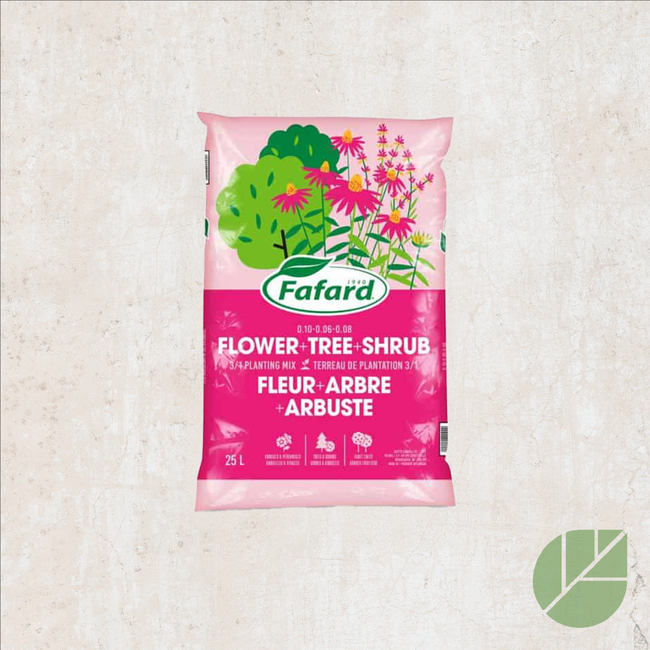
For planting your bulbs
The right extras.Right here.
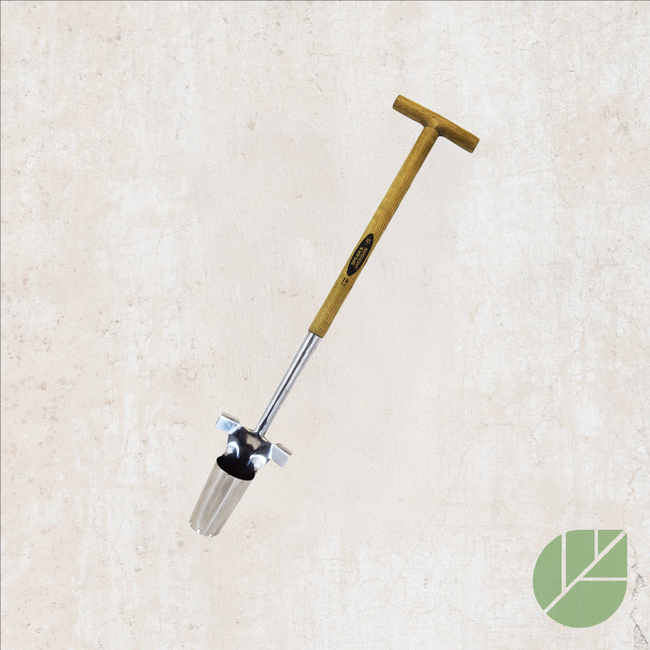
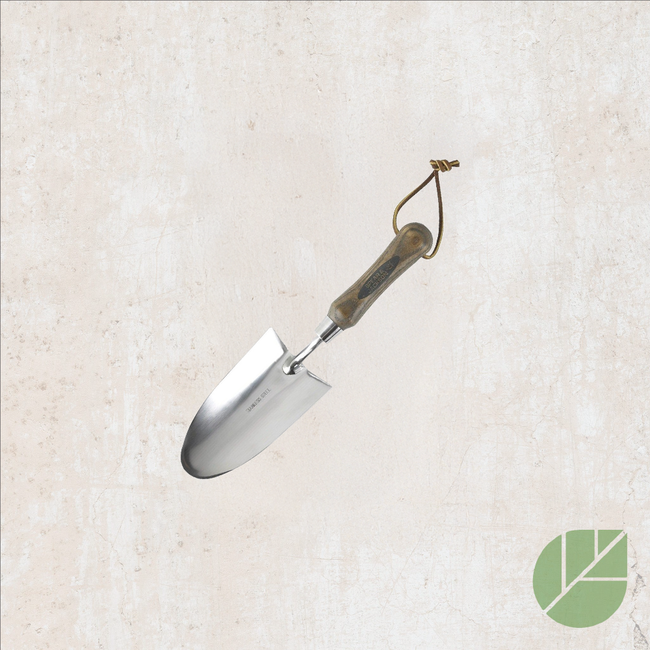
Bulb planters and planting tools
Shop the collection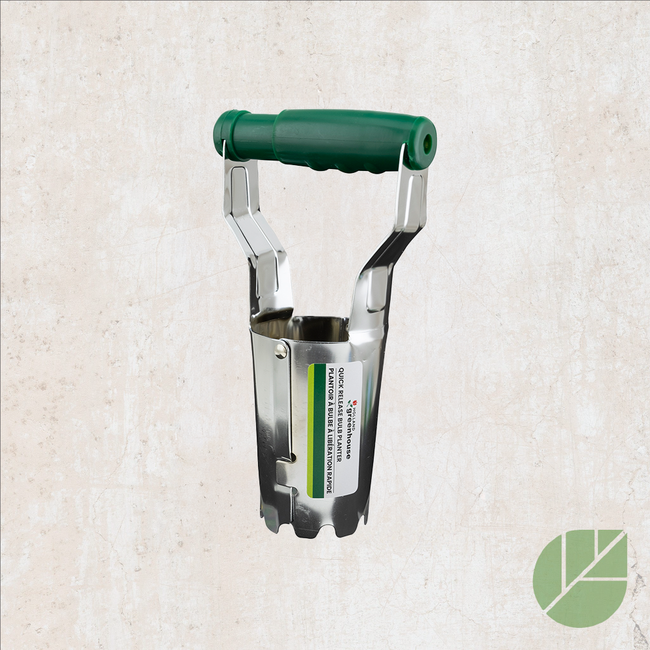
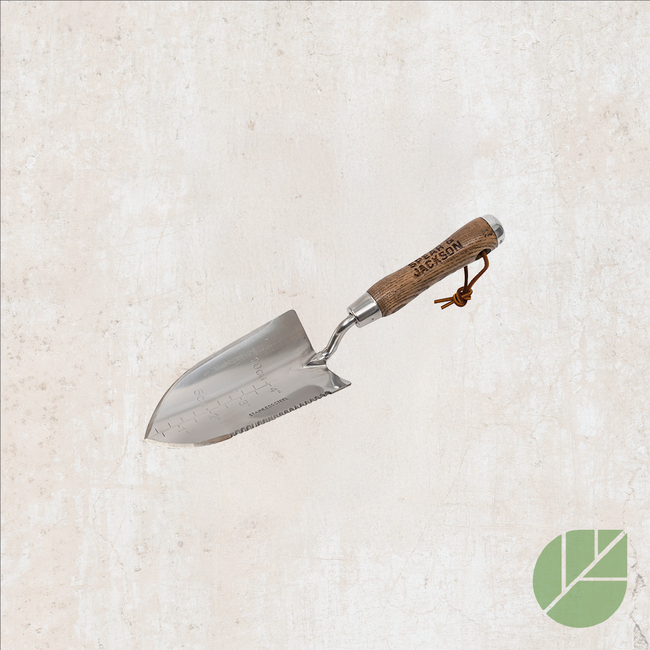
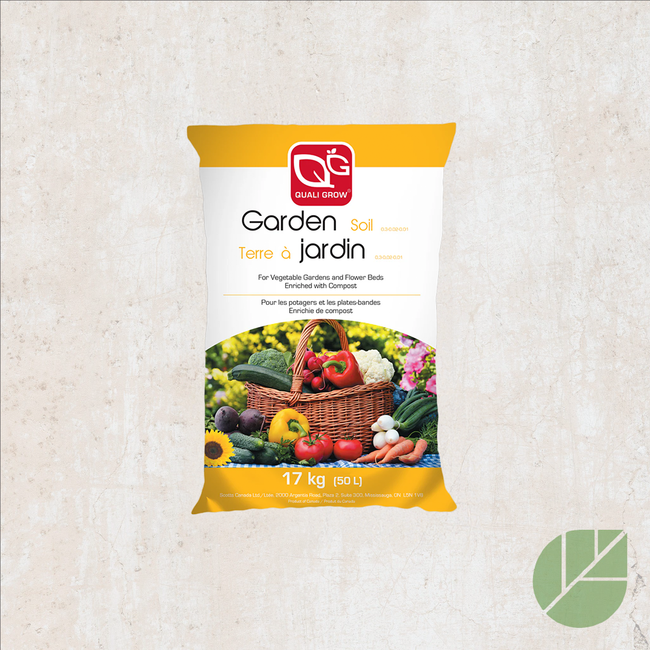
Soils and amendments for bulbs
Shop the collection