Sale
Sold out

Bulb-forming leek relative sold as cloves for planting
Amaryllidaceae
Mild giant garlic for fall planting
Elephant garlic
Allium ampeloprasum
Product code : 152 120 01
Elephant garlic for planting is a close leek relative producing impressive heads with exceptionally large, mild cloves that are easy to prepare. This Van Noort product comes in a 1- or 3-clove format. Plant every clove in fall, point upward, in deep, fertile, draining soil, then protect it with mulch after the ground cools. Broad upright foliage creates an architectural presence in vegetable beds. Harvest in summer once part of the foliage yellows, then cure bulbs before storage. This giant garlic suits gardeners seeking delicate flavour, substantial individual yields, and an unusual productive crop adapted to Canadian growing conditions and home kitchens.
- Quantity
- Quantity varies by selected format: 1 clove or 3 cloves.
- Exposure
- Full sun; very bright partial shade tolerated
- Life cycle
- Bulbous perennial grown as an annual vegetable crop
- Hardiness
- Zones 2 to 10 according to Van Noort; mulch recommended in cold regions
Discover the plant
Common nameElephant garlic, giant garlic
FamilyAmaryllidaceae
GenusAllium
Speciesampeloprasum
TypeBulb-forming leek relative sold as cloves for planting
Botanical nameAllium ampeloprasum
Reproducible seedsYes
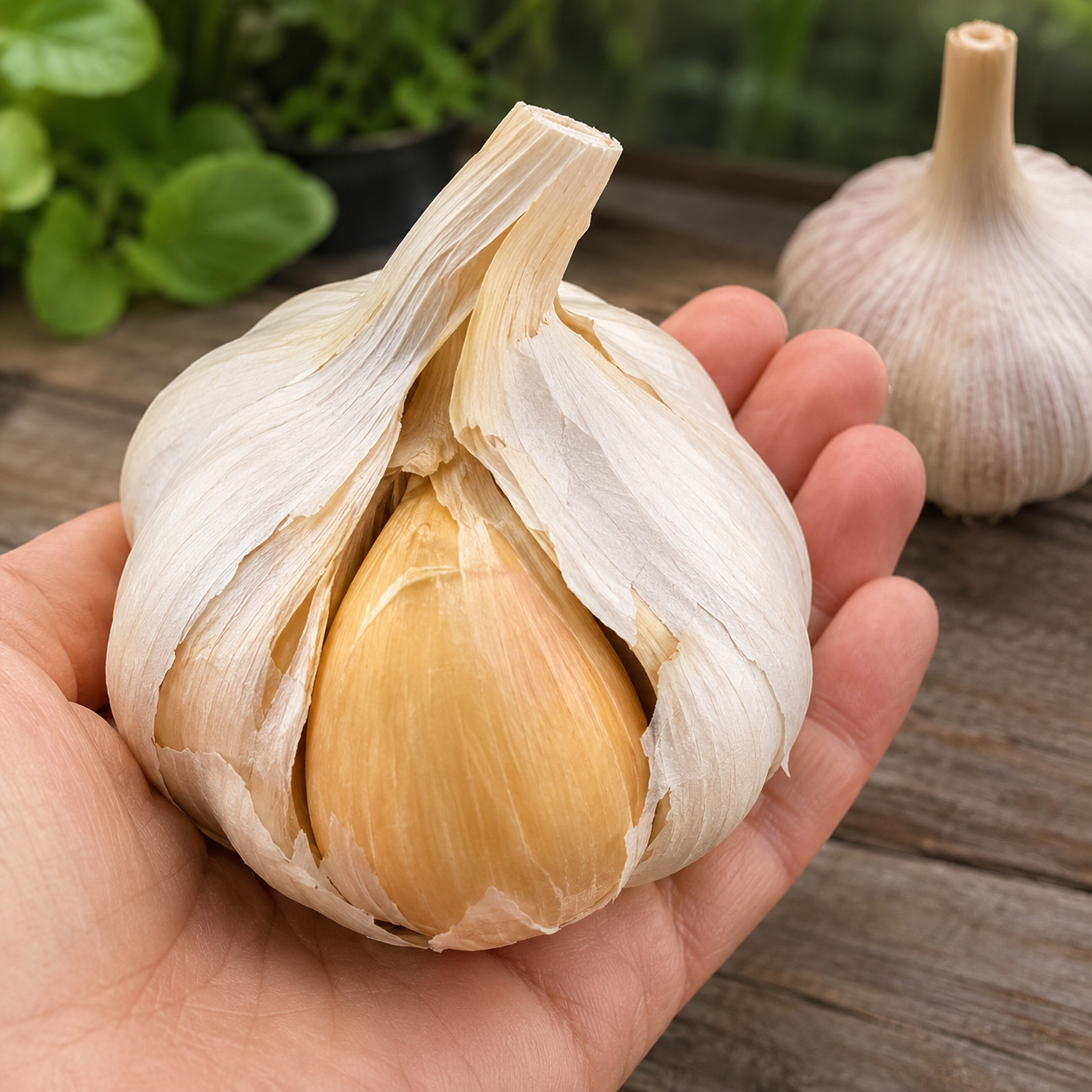
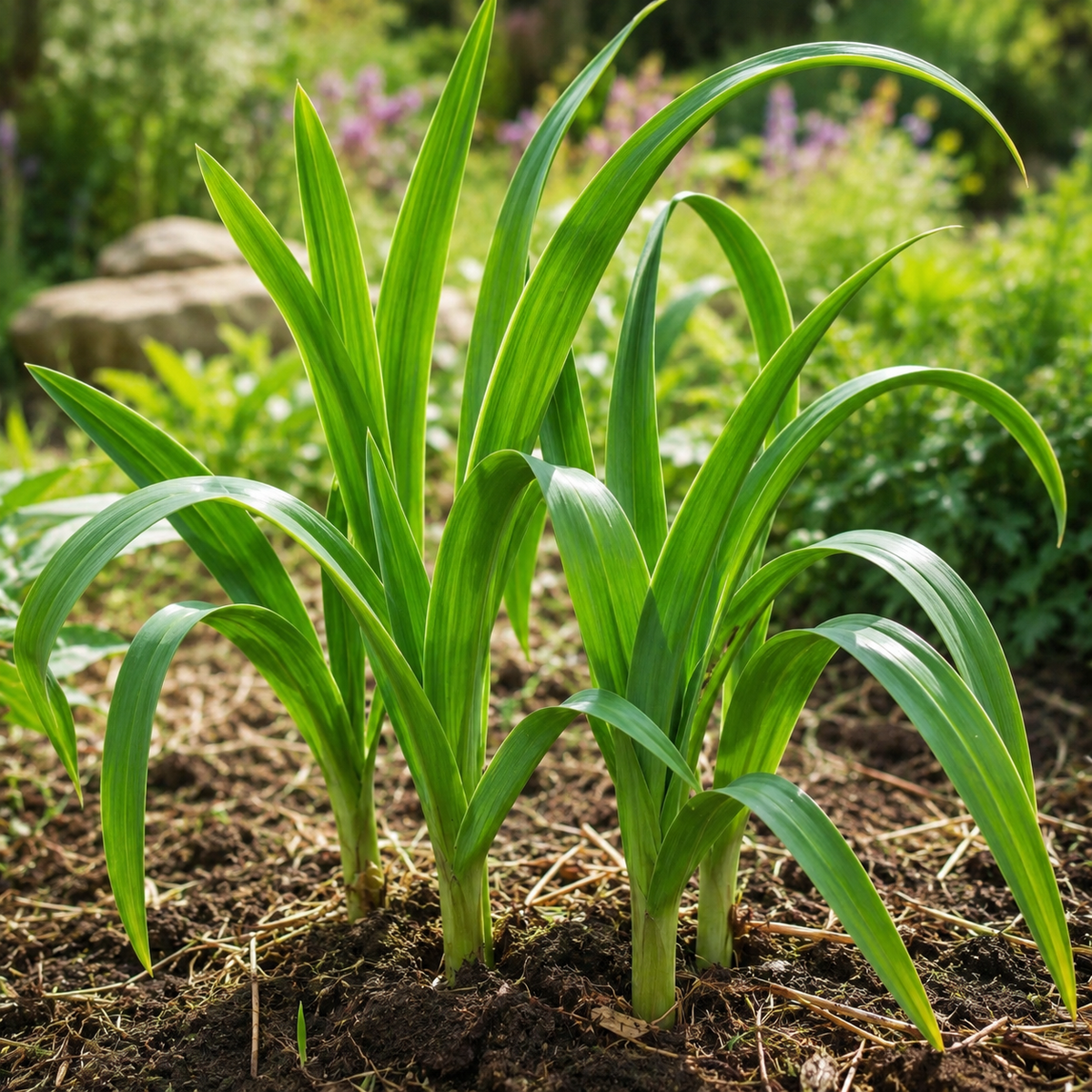
Elephant garlic (Allium ampeloprasum) is a close leek relative that nevertheless forms a spectacular elephant garlic bulb divided into a few massive cloves. Its mild, aromatic flesh is much less pungent than common garlic and becomes tender and almost creamy after cooking. Broad green to blue-green leaves create an imposing upright clump, sometimes crowned by a tall flowering stalk. Van Noort classifies it as an easy, deer-resistant crop suited to Zones 2 through 10. The product provides 1 or 3 cloves depending on the selected format, and every healthy clove can develop into another giant segmented head.
For successful growing elephant garlic in Canada, set cloves in fall, four to six weeks before lasting soil freeze, using a sunny site with excellent drainage. Plant each clove point upward at 8 cm (3 in) deep, with 15 to 20 cm (6 to 8 in) between plants. Loose, deep, fertile soil enriched with mature compost supports substantial bulb size. Water after planting, then cover cooled soil with 10 to 15 cm (4 to 6 in) of mulch. In spring, weed early, maintain even moisture, and feed moderately before bulbs begin enlarging. Avoid standing water and repeated freeze-thaw exposure.
Harvest the young stalk while it remains tender or allow one umbel to open for architectural interest and insects. Reduce irrigation as foliage yellows, then lift each elephant garlic bulb with a fork when one-third to one-half of the leaves have dried. Cure whole plants for two to four weeks in shade with dry, moving air. In the kitchen, this mild giant garlic can be roasted whole, grilled in slices, or blended into mash, soup, spreads, and sauces. Keep every clove away from dogs and cats, however, and rotate the planting area for four years to reduce persistent Allium diseases.

Planting guide
Plant well.Grow beautifully.
Planting depth
8 cm (3 in), clove point upward
Spacing / density
15 to 20 cm (6 to 8 in) between plants and 30 to 45 cm (12 to 18 in) between rows
Best planting time
October to November in Quebec, depending on region and soil temperature
Propagation
Planting cloves; propagation also possible from small peripheral corms
Growing method
To successfully grow elephant garlic in Quebec, plant the cloves in the fall, four to six weeks before the ground freezes permanently, in a sunny and perfectly drained location. Place each clove point-up 8 cm (3 in) deep, with 15 to 20 cm (6 to 8 in) between plants. Loose, deep, fertile soil enriched with compost promotes larger bulbs. Water after planting, then cover the cooled soil with 10 to 15 cm (4 to 6 in) of mulch. In spring, weed early, maintain consistent moisture, and fertilize moderately before the bulbs swell. Harvest the young scape when it is still tender, or let an umbel open for its architectural interest and for insects. Reduce watering as soon as the foliage yellows, then lift the elephant garlic bulb with a fork when one-third to one-half of the leaves are dry. Cure the plants for two to four weeks in the shade in a dry, very airy place. In the kitchen, this mild giant can be roasted whole, grilled in slices, and used to flavor purees, soups, spreads, or sauces. However, keep the cloves out of reach of dogs and cats, and practice a four-year crop rotation.
Soil and care
The right care,at the right time.
Soil pH
6.2 to 7.0
Minimum temperature
Cold hardy with mulch and drainage; avoid repeated freeze-thaw cycles
Care level
Easy to moderate
Watering
Maintain even moisture from spring through bulb enlargement, supplying approximately 2.5 cm (1 in) of water weekly including rainfall. Water deeply rather than frequently and check beneath mulch before adding moisture. Saturated ground encourages rot, while prolonged drying reduces size. As lower leaves begin yellowing, reduce gradually and stop approximately two weeks before harvest.
Soil type
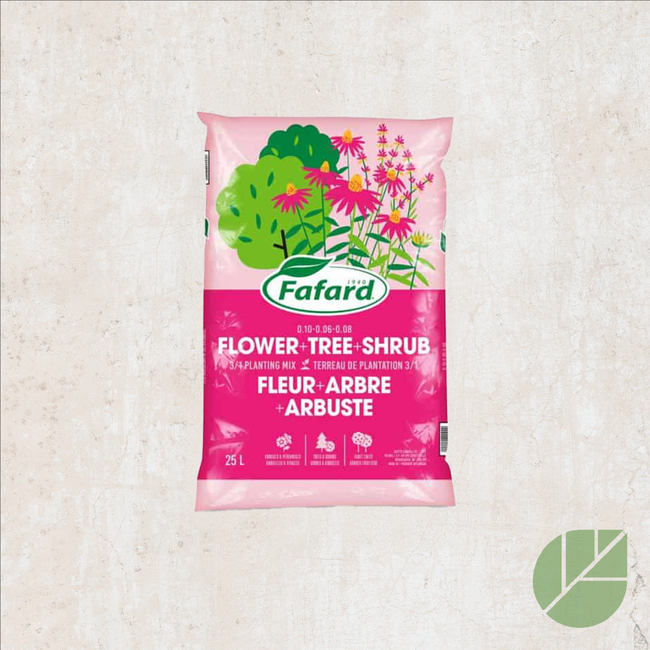
Elephant garlic prefers deep, loose, fertile loam rich in stable organic matter. A pH of 6.2 to 7.0 supports nutrient availability. Incorporate mature compost, never fresh manure. In clay or winter-wet soil, use a raised bed; in sandy ground, increase compost. Remove large stones and compacted clods so bulbs can expand without distortion.
Fertilization
Prepare soil with mature compost and base additions on a soil test when possible. Elephant garlic is a substantial feeder: provide balanced or slightly nitrogen-forward fertilizer as spring growth resumes, then a moderate application before bulbs enlarge. Side-dress beside rows and water afterward. Stop nitrogen-rich feeding later because it prolongs foliage and delays maturity. Avoid fresh manure and concentrated salts beside cloves.
Moisture
Even moisture during active growth, followed by drier conditions before harvest and throughout curing.
Seasonal care
In fall, plant only firm cloves in draining soil, water, and wait until the ground cools before mulching. Through winter, check after thaws that water drains and replace mulch moved by wind. In spring, uncover shoots gently, weed early, and begin regular irrigation. Feed as growth resumes, then again before bulb enlargement when plant colour and vigour justify it. Watch for thrips, Allium leaf miner, slugs, rust, downy mildew, and white rot; remove heavily affected tissue promptly and avoid moving contaminated soil. Cut stalks once they form a curl when maximum bulb size is the priority. In summer, reduce water as leaves yellow, then stop two weeks before lifting. Never pull foliage; loosen soil with a fork. Cure whole plants for two to four weeks in shade with dry, moving air, then trim roots and foliage. Store heads in a cool, dry, ventilated place. Inspect regularly and cook any softening bulb promptly. The following fall, replant only healthy cloves in another plot and maintain a four-year rotation without garlic, onions, shallots, or leeks in the same ground. Check containers after every heavy rain and correct slow drainage immediately. Record planting date, spring vigour, stalk removal, and harvest timing so care can be adjusted to the garden microclimate in future seasons. Replace damaged labels before winter and photograph representative bulbs at harvest to compare size, wrapper quality, and maturity from one season to the next.
Container growing
A garden,within reach.
Recommended pot size
At least 35 to 40 cm (14 to 16 in) deep; 50 to 60 cm (20 to 24 in) wide for 3 cloves
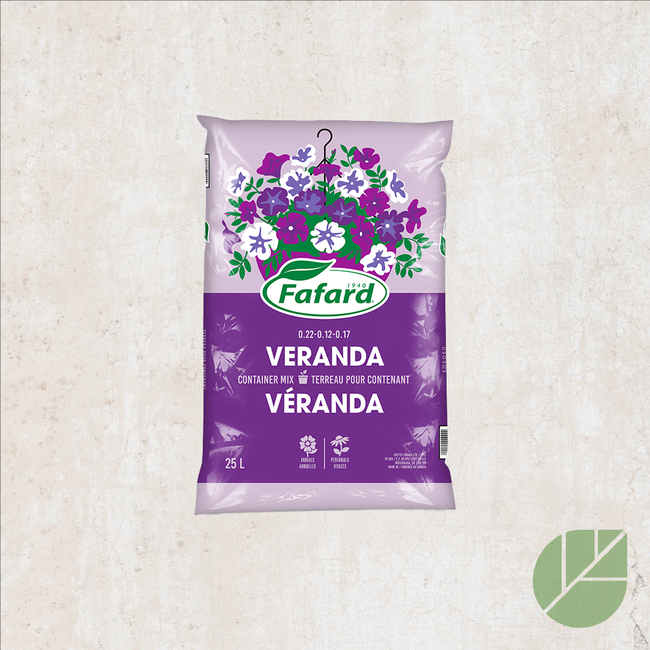
Choose a container at least 35 to 40 cm (14 to 16 in) deep and wide enough to maintain 15 to 20 cm (6 to 8 in) between cloves. For 3 cloves, a 50 to 60 cm (20 to 24 in) wide tub is better than a small pot. Use light, fertile, structured mix enriched with mature compost and omit a gravel layer that would reduce rooting volume. Position every clove point upward at 8 cm (3 in), water until drainage occurs, and place the pot in full sun. Keep the mix moist without standing water in a saucer. After fall cooling, mulch the surface and insulate the sides against rapid freeze-thaw cycles; keep the container in a sheltered but unheated place. In spring, clear drainage holes, remove weeds, and feed lightly. Rotate the pot if exposure is uneven. Cut young stalks, then reduce moisture as leaves yellow. To harvest, tip the root ball gently or use a narrow fork without pulling. Cure bulbs outside the container and replace part of the mix before growing an unrelated plant. During prolonged winter rain, move the pot beneath an open shelter that blocks excess water while preserving natural cold exposure and airflow.
Bloom and dimensions
Its place,in your garden.
Mature height
Approximately 60 to 120 cm (24 to 48 in), including stalk depending on conditions
Width / spread
20 to 30 cm (8 to 12 in)
Flower color
Greenish white to pinkish purple
Foliage color
Green to blue-green
Foliage type
Deciduous, broad, strap-like, and aromatic
Growth rate
Moderate
Growth habit
Upright and architectural, with broad strap-like leaves and a central stalk
Fragrance
Bulbs with a mild garlic-and-leek aroma; flowers lightly alliaceous
Bloom period
A sturdy stalk may appear in late spring or early summer and carry a greenish-white to pinkish-purple umbel. For the largest possible bulb, cut it while still tender and curved. It cooks like a garlic scape. Leave one to open when architectural effect and a temporary insect resource matter more; small bulbils may follow.
Harvest
July to August, when one-third to one-half of the foliage has yellowed
Garden associations
In goodcompany.
Companion plants
Pair elephant garlic with quick crops removed before bulbs enlarge, such as radishes, lettuce, or spinach. Calendula and flowering herbs positioned along the bed support useful insects without crowding roots. After harvest, use dwarf beans or a cover crop as succession planting, but not as dense neighbours during active growth. Most importantly, avoid tall plants shading the row and keep every other Allium out of this plot for four years.
Plants to avoid
Avoid waterlogged soil, fresh manure, dense weeds, and repeated Allium planting. Do not grow garlic, onions, shallots, or leeks in this plot for at least four years after harvest. In small spaces, also avoid peas and beans as immediate neighbours when they create shade or competition, although they can be useful succession crops after harvest.
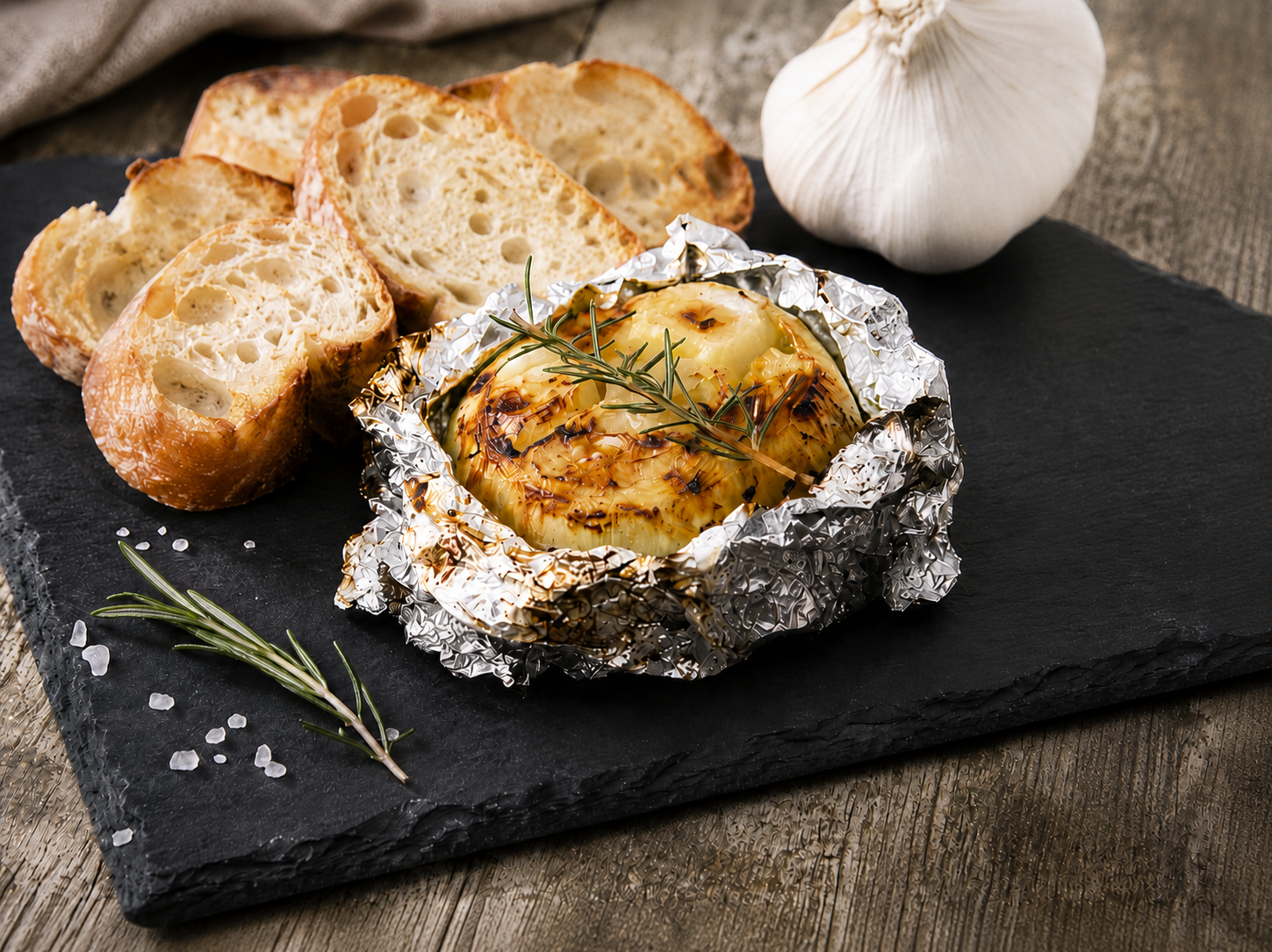
Recipe idea
From the gardento your plate.
Frequently asked questions
Your questions,answered.
Is elephant garlic a true garlic?
No. Despite its commercial name and segmented bulb, elephant garlic belongs to Allium ampeloprasum and is more closely related to leek than to common garlic, Allium sativum. This relationship explains its broad leaves, substantial size, and milder flavour. It is nevertheless grown much like garlic: plant one clove in fall, harvest the bulb the following summer, and cure it before storage. Use the botanical name when labelling or planning crop rotation to prevent confusion. Van Noort product SKU 152 120 01 is offered in a format containing 1 or 3 cloves for planting. Its mild flavour and broad foliage remain useful visual clues, but they do not replace accurate botanical identification.
How should I plant elephant garlic in Canada?
Plant four to six weeks before lasting soil freeze, generally in October or November depending on region. Choose a sunny, well-drained site, loosen soil to at least 25 cm (10 in), and incorporate mature compost. Position every clove point upward at 8 cm (3 in) deep, with 15 to 20 cm (6 to 8 in) between plants. Water deeply once, then wait until the ground cools before adding 10 to 15 cm (4 to 6 in) of mulch. This cover limits frost heaving. In spring, uncover shoots, weed early, and keep soil moist without saturation. Mark the row clearly because shoots may emerge later than expected after a variable winter.
When should I cut an elephant garlic stalk?
Cut the stalk while it remains tender and curved, before the umbel opens. Removal lets the plant direct more energy toward its large bulb. Use a clean tool and cut just above the upper leaf without pulling the stem. The young stalk is edible: chop it into pesto, sauté it, or grill it. When decorative effect and pollinating insects matter more, retain one stalk and accept that this plant may make a slightly smaller bulb. A mature umbel can produce bulbils, but these generally require several seasons before forming a substantial head. Refrigerate harvested stalks promptly in a perforated bag and use them while crisp for the best texture.
When and how should I harvest an elephant garlic bulb?
Begin checking in July or August once one-third to one-half of the leaves have yellowed. Lift a sample plant: the head should be well formed and its wrappers still intact. Harvesting too early gives a small bulb, while lifting too late lets wrappers split and shortens storage. Stop irrigation approximately two weeks beforehand. Insert a fork away from the plant, loosen the soil, and lift without pulling foliage. Cure the whole plant for two to four weeks in shade with dry, strong airflow. Then trim roots and leaves and store heads in an airy container. Protect curing heads from direct sun and rain, which can damage wrappers and shorten their useful storage life.
Is elephant garlic safe for dogs and cats?
No. Like other Alliums, elephant garlic contains compounds that can damage red blood cells in dogs and cats. Risk includes raw or cooked cloves, stalks, powders, scraps, and concentrated preparations. Keep the 1- or 3-clove format, harvested heads, and waste beyond their reach. Ingestion may cause vomiting, weakness, pale gums, rapid breathing, or dark urine, sometimes after a delay. If exposure is possible, contact a veterinarian promptly and provide Allium ampeloprasum with the estimated amount. Do not induce vomiting or administer a home remedy without professional instructions. Store curing heads on racks pets cannot reach, and clean dropped pieces from kitchen floors immediately.
Wildlife and pets
Life,around your plants.
Reported toxicity
Yes
Supporting wildlife
An umbel allowed to open can provide nectar and pollen for bees and small pollinating insects. Because the crop is generally grown for a large elephant garlic bulb, cut most stalks and maintain other flowers beside the vegetable garden. Avoid broad-spectrum insecticides and let only selected stems bloom when wildlife value outweighs a possible reduction in bulb size.
For planting your bulbs
The right extras.Right here.
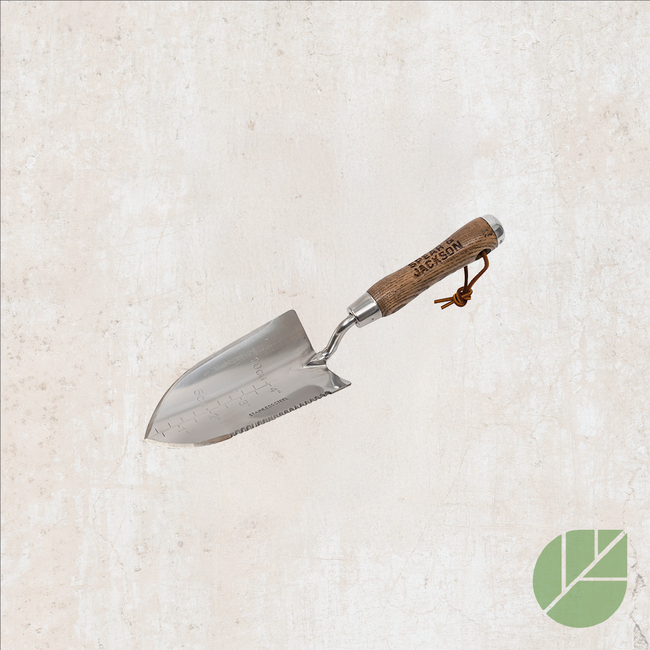
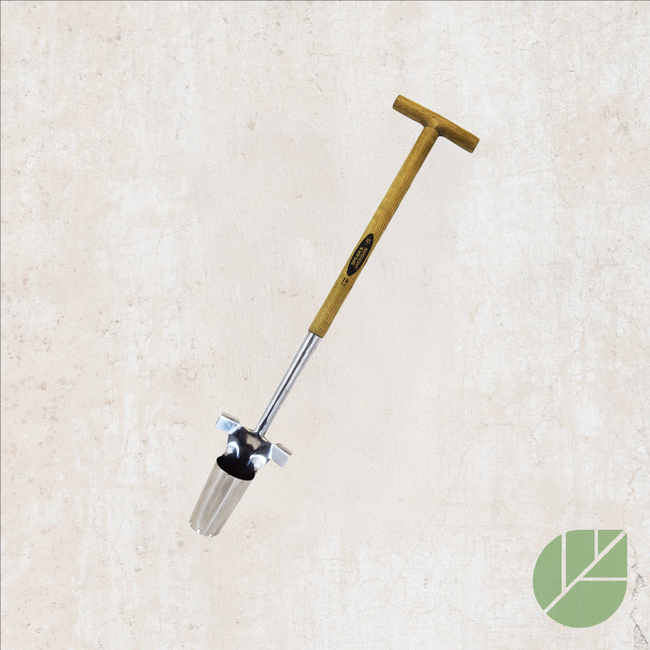
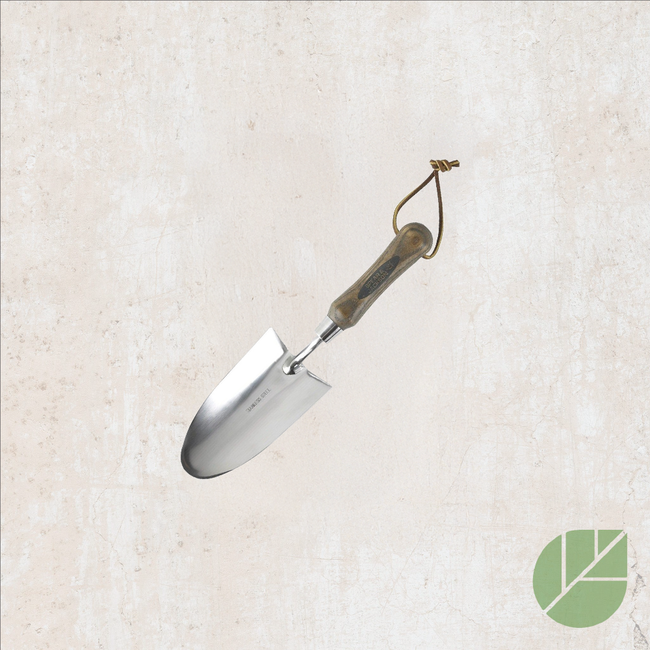
Bulb planters and planting tools
Shop the collection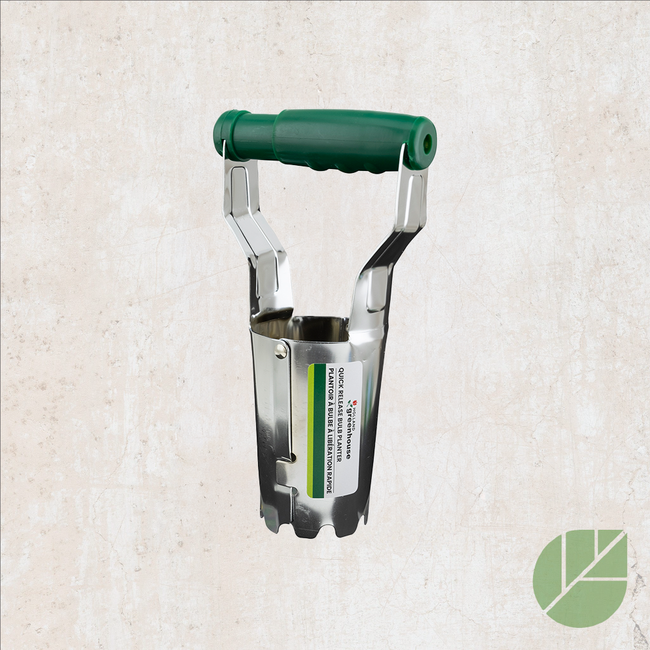
Soils and amendments for bulbs
Shop the collection