Sale
Sold out

Dinnerplate decorative dahlia tuber mix
Asteraceae
Giant Café au Lait dahlias for borders and cutting
‘Latte Love’ Dahlia Mix (Dahlia)
Dahlia hybrid mix
Product code : 348 159 01
‘Latte Love’ combines three No. 1 size tubers: ‘Café au Lait’, ‘Café au Lait Rose’, and ‘Café au Lait Twist’. Their exceptionally large double flowers blend latte cream, blush pink, warm rose pink, and rose streaking. Van Noort lists a 110 cm height, 50 cm spread, upright growth, and summer flowering. Plant after frost in full sun, 10 cm deep and 50 cm apart, in rich freely drained soil. Cut flowers regularly to extend production, then lift, label, and store every cultivar frost-free after autumn frost. Dahlias may cause mild digestive upset or skin irritation in pets, so keep every plant part inaccessible.
- Quantity
- 3 No. 1 size tubers
- Exposure
- Full sun
- Life cycle
- Tender perennial; grown as an annual and stored frost-free in cold climates
- Hardiness
- Zone 8; grown as an annual in cold zones
Discover the plant
Common name‘Latte Love’ dinnerplate dahlia mix
FamilyAsteraceae
GenusDahlia
SpeciesDahlia hybrid mix
CultivarCafé au Lait; Café au Lait Rose; Café au Lait Twist
TypeDinnerplate decorative dahlia tuber mix
Botanical nameDahlia hybrid mix
‘Latte Love’ Dahlia Mix (Dahlia) combines three No. 1 size dinnerplate dahlia tubers in a refined palette of latte cream, blush pink, and warm rose pink. The mix contains ‘Café au Lait’, ‘Café au Lait Rose’, and ‘Café au Lait Twist’, with the latter adding cream petals brushed and streaked in rose. Van Noort lists an established height of 110 cm, a 50 cm spread, and upright growth. Very large double flowers create a romantic border display and provide long stems for arrangements. Summer flowering continues until frost when blooms are harvested regularly.
Plant all three tubers in spring after every danger of frost, where they receive at least six hours of direct sun. Set each tuber horizontally approximately 10 cm deep, with its crown and eyes facing upward, in rich, loose, freely drained soil. Keep centres 50 cm apart. Water lightly after planting, then increase moisture as shoots develop without saturating the ground. Pinch young stems above three or four pairs of leaves to encourage branching. Low-nitrogen feeding and supports installed early produce balanced growth. Leave open space around each plant for airflow and convenient access when cutting the exceptionally large flowers.
Harvest flowers when they are almost fully open because dahlias continue opening very little after cutting. Remove faded blooms as well to encourage new buds until frost. After the first frost, cut the stems, lift every clump carefully, and label all three cultivars before storage. Allow tubers to dry briefly, then keep them in a dark, dry, cool, frost-free location. Van Noort assigns this mix to hardiness Zone 8, so it is grown as an annual in cold regions. Dahlias may cause mild digestive upset or skin irritation in cats and dogs; keep plants, tubers, cut flowers, and debris beyond their reach.

Sowing guide
It all startswith a seed.
Sowing depth
10 cm
Spacing / density
Approximately 50 cm between centres
Sowing period
After the last frost when soil has warmed
Propagation
Planting and division of tubers carrying a viable crown
Growing method
After the last frost, choose a position receiving at least six hours of sun and loosen rich freely drained soil. Examine every tuber and locate the crown carrying growth buds; a separated tuber without a crown portion will not produce a plant. Set tubers approximately 10 cm deep and keep centres 50 cm apart. Water lightly, then wait for shoots before increasing moisture. When stems reach 25 to 30 cm, pinch above three or four pairs of leaves to encourage branching. Install support before the clump becomes dense. Keep soil evenly moist, feed with a low-nitrogen formula, and cut flowers when nearly open. Remove faded flowers weekly. After the first frost, cut the stems, lift the tubers, allow them to dry briefly, and store them in a dark, dry, frost-free place. Inspect monthly and replant only firm divisions in spring. Keep labelled groups together to preserve the coordinated mix. During growth, inspect ties after storms and loosen them before they constrict the stems. Water at soil level in the morning so foliage dries quickly. In containers, place only one tuber in every 45 cm pot. Before storage, keep the label with every clump and clean tools between divisions when disease is suspected. Do not wash tubers unless necessary, because excess surface moisture can encourage rot during storage.
Soil and care
The right care,at the right time.
Soil pH
Slightly acidic to neutral, approximately 6.0 to 7.0
Minimum temperature
Approximately 10°F for dormant tubers; protect from every freeze in storage
Care level
Moderate
Watering
Water lightly after planting so dormant tubers do not rot. Once shoots emerge, increase moisture gradually and keep soil evenly moist during growth and flowering. Water deeply at soil level once or twice weekly according to heat, rainfall, and soil type rather than sprinkling lightly every day. Containers dry faster and require regular checks. Reduce water after the first frost and keep tubers nearly dry during storage. Always avoid standing water. A thin organic mulch can reduce evaporation after the soil has warmed, but keep it away from the stems.
Soil type
Soil rich in organic matter, loose, and freely drained supports strong stems and extended flowering. It should retain even moisture during growth without remaining saturated after rain. Incorporate mature compost before planting and loosen compacted layers. A slightly acidic to neutral pH is suitable. In containers, use fertile airy potting mix in a drained pot. Avoid cold depressions, saturated clay, and sites where water gathers around the tubers. Mulch lightly only after the soil has warmed, keeping material away from emerging stems.
Fertilization
Incorporate mature compost before planting. When shoots reach 15 to 20 cm, apply balanced fertilizer or a formula slightly higher in phosphorus and potassium but low in nitrogen. Repeat lightly every three to four weeks until late summer, then stop so tubers mature before storage. Excessive nitrogen produces abundant leaves, fewer flowers, and weaker stems. In containers, water before feeding and periodically flush the potting mix. Always follow the label rate. A plant producing leaves but few buds usually needs more sun or less nitrogen rather than heavier feeding.
Moisture
Even moisture during growth; nearly dry storage
Seasonal care
In spring, inspect the tubers, remove soft tissue, and plant after the last frost in warmed soil. Water lightly until shoots emerge. When stems reach 25 to 30 cm, pinch them to encourage branching and install discreet support. In early summer, keep soil moist, feed lightly, and monitor slugs, snails, aphids, spider mites, and earwigs. During flowering, harvest nearly open flowers, remove faded blooms weekly, and tie loaded stems. Avoid wetting leaves late in the evening. In late summer, stop feeding but continue watering according to weather. After the first frost, cut stems to approximately 10 cm, label every clump, lift tubers with a fork, and allow them to dry briefly. Store them in slightly insulating material in a dark, ventilated, nearly dry place at approximately 5–10°C. Inspect monthly, remove rotted tissue, and barely moisten the packing material only if tubers shrivel severely. Replant the following spring after frost danger passes. Keep stored material inaccessible to pets. During very hot periods, check containers daily and add thin mulch around plants in the ground without touching stems. After heavy rain, straighten supports and remove accumulated water. During storage, never seal damp tubers in a plastic bag. Gentle airflow limits condensation. If tissue must be cut away, let the wound dry before returning the clump to storage. Near the end of winter, prepare containers and potting mix before removing tubers, then gradually acclimate any shoots started indoors. Keep records of storage condition and discard a clump that becomes extensively soft rather than placing neighbouring tubers at risk.
Container growing
A garden,within reach.
Recommended pot size
Drained pot at least 45 cm wide per plant
Choose a drained container at least 45 cm wide and deep for one plant; divide the three tubers among several pots to respect their 50 cm spread. Fill with fertile airy potting mix, set the tuber approximately 10 cm deep, and install support at planting time. Water lightly until shoots emerge, then keep the mix evenly moist without leaving water in the saucer. Position the pot in full sun and rotate it weekly. Pinch the young stem, feed with a low-nitrogen formula every three to four weeks, and cut flowers regularly. Protect the container from strong wind. After the first frost, cut the stems and move the pot to a cool frost-free place, or lift the tubers and store them nearly dry at 5–10°C. In spring, renew the mix and replant only firm tubers carrying a viable crown. Keep containers and stored tubers inaccessible to pets. On a hot patio, protect the pot from heat reflected by walls and check moisture with a finger before watering. After a storm, inspect ties and straighten the support. If the clump completely fills the container, divide it in spring while retaining a viable crown portion with every section. Clean the pot before replanting and never combine the tubers with edible plants. Raise the container slightly so heavy rain can drain freely.

Bloom and dimensions
Its place,in your garden.
Mature height
Approximately 110 cm according to Van Noort
Width / spread
Approximately 50 cm according to Van Noort
Flower color
Latte cream, blush pink, warm rose pink, and cream streaked with rose
Foliage color
Deep green
Foliage type
Deciduous; compound foliage
Growth rate
Fast in warm soil
Growth habit
Upright, branching, and bushy after pinching
Fragrance
Not fragrant
Bloom period
Flowering begins in midsummer and continues until frost when plants receive full sun and flowers are cut regularly. ‘Café au Lait’, ‘Café au Lait Rose’, and ‘Café au Lait Twist’ produce exceptionally large double decorative blooms in cream and pink tones. Harvest them almost fully open because dahlias open little after cutting. Remove faded flowers at their base without damaging neighbouring buds. Consistent moisture, light feeding, and sturdy support sustain production.
Fruiting
Fruiting is not sought in these decorative dahlias. Remove faded flowers before seeds form to redirect energy toward new buds and tubers. Hybrids do not reproduce true from seed, so offspring would not necessarily preserve the characteristics of ‘Café au Lait’, ‘Café au Lait Rose’, or ‘Café au Lait Twist’. Retain every tuber with a viable crown and a separate label instead. Seeds and other plant parts should not be offered to pets because dahlias may cause mild digestive upset or irritation.
Days to maturity
Not established for this ornamental mix
Harvest
Cut flowers early in the morning or evening when they are almost fully open and still firm. Use a clean tool, take a sufficiently long stem just above a node, and place it immediately in fresh water. Remove leaves below the waterline, recut the base, and replace the water every day or two. In autumn, harvest tubers after the first frost: label the clump, lift it with a fork, allow it to dry briefly, and store it nearly dry and frost-free. Keep flowers, vase water, and tubers inaccessible to cats and dogs. Discard any soft or badly damaged tuber tissue before storage.

Garden associations
In goodcompany.
Companion plants
Combine ‘Latte Love’ with white cosmos, mauve salvias, purple verbenas, cream zinnias, ageratum, and fine grasses. These plants appreciate sun and drained soil, while their colours emphasize the cream-and-pink palette of all three ‘Café au Lait’ dahlias. Keep 50 cm around every plant and avoid vigorous neighbours that deprive tubers of moisture. Arrange heights for airflow and preserve access to supports and cut flowers. No companion neutralizes the mild toxicity of dahlias for pets, so use verified non-toxic substitutions wherever animals can reach the planting.
Frequently asked questions
Your questions,answered.
How should Latte Love dahlias be planted?
Plant all three tubers after the last frost where they receive at least six hours of sun. Choose rich, loose, freely drained soil. Examine every tuber to locate the crown carrying growth buds, then set it approximately 10 cm deep. Keep centres 50 cm apart and install support during planting. Water lightly, then increase moisture only after shoots emerge. At 25 to 30 cm tall, pinch the stem above three or four pairs of leaves to encourage branching. Keep soil moist without standing water and use low-nitrogen fertilizer. A separated tuber without a viable crown portion will not produce a plant. Mark every position so later cultivation does not damage new shoots or the underground clump.
When do Latte Love dahlias bloom?
Flowering generally begins in midsummer and continues until frost when plants receive full sun and flowers are cut regularly. The three tubers produce exceptionally large double decorative blooms: latte cream from ‘Café au Lait’, warm pink from ‘Café au Lait Rose’, and cream streaked with rose from ‘Café au Lait Twist’. Exact timing and stem count vary with warmth, sunlight, moisture, and every tuber’s vigour. To extend production, harvest flowers when almost fully open and remove faded blooms weekly. Keep soil evenly moist, feed with a low-nitrogen formula, and support the stems. A newly planted tuber may begin later or produce fewer stems during establishment.
How should the tubers be stored over winter?
After the first frost, cut stems to approximately 10 cm and label every clump before lifting it carefully with a garden fork. Brush away dry soil without unnecessarily washing the tubers, remove soft tissue, and let the surface dry briefly. Place tubers in slightly insulating material in a dark, ventilated, nearly dry, frost-free location, ideally around 5 to 10°C. Inspect them monthly. Remove rot immediately with a clean tool and barely moisten the packing material only when tubers shrivel severely. In spring, replant after the last frost only firm divisions carrying a viable crown portion. Keep the correct ‘Café au Lait’, ‘Café au Lait Rose’, or ‘Café au Lait Twist’ label with every clump.
Are Latte Love dahlias toxic?
Yes. The ASPCA classifies dahlias as toxic to cats, dogs, and horses. Exposure may cause mild gastrointestinal signs, including vomiting or diarrhoea, together with mild skin irritation. Keep leaves, stems, flowers, tubers, vase water, and debris inaccessible to animals. Do not allow a pet to dig near stored tubers, and place scraps in a closed waste container. After known or suspected ingestion, or when irritation appears, contact a veterinarian. ‘Café au Lait’, ‘Café au Lait Rose’, and ‘Café au Lait Twist’ are all sold as ornamental plants; no part should be offered as food to a person or animal. Wash hands after handling damaged plant tissue and choose a verified non-toxic alternative wherever access cannot be prevented.
How can more flowers be produced for cutting?
Place the dahlias in full sun, keep centres 50 cm apart, and pinch young stems at 25 to 30 cm tall to encourage several branches. Install supports early, keep soil evenly moist, and use low-nitrogen fertilizer every three to four weeks during active growth. Harvest flowers when almost fully open, early in the morning or evening, cutting each stem just above a node. Remove every faded flower weekly as well; each cut encourages the plant to form new buds. Avoid excessive nitrogen, shade, and dry periods. Replace vase water regularly and keep arrangements inaccessible to cats and dogs. Stop feeding in late summer so tubers can mature before frost and winter storage.
Wildlife and pets
Life,around your plants.
Supporting wildlife
The large double flowers of ‘Latte Love’ may receive insects, but their densely filled centres are less accessible than single dahlias. To provide more nectar and pollen, combine them with cosmos, single zinnias, salvias, or ageratum. Avoid insecticides on open flowers and expect activity to vary with weather. Insect visits do not prove safety for domestic animals, so keep every part beyond the reach of pets that chew plants.
For planting your bulbs
The right extras.Right here.
Bulb planters and planting tools
Shop the collection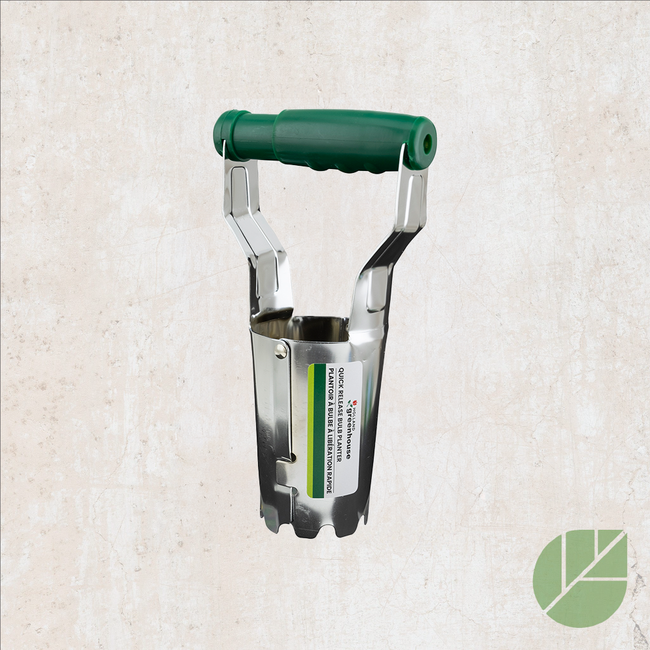
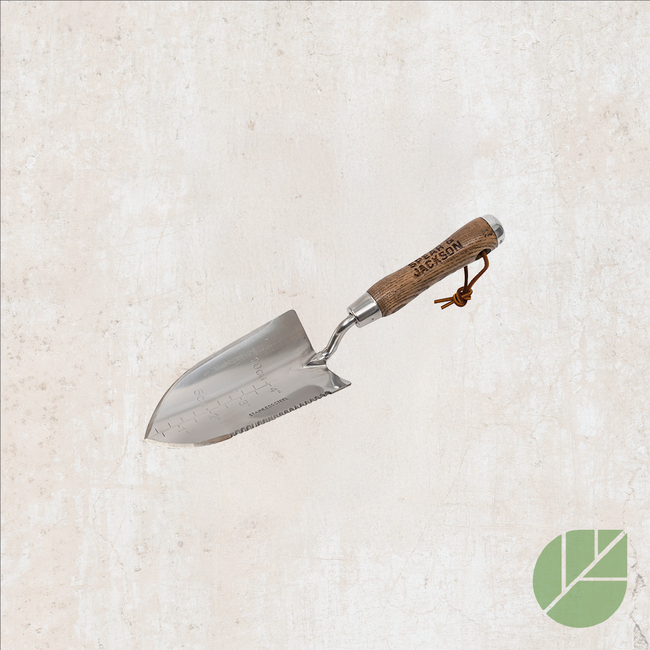
Soils and amendments for bulbs
Shop the collection