Sale
Sold out

Ornamental bulbs
Liliaceae
Ornamental bulbs
Lily 'Apricot Fudge'
Lilium
Product code : LIS-APRICOT-FUDGE
Lily 'Apricot Fudge' (Lilium), an ornamental plant suited to well-drained beds and containers.
- Quantity
- 1 bulb
- Exposure
- Full sun to light partial shade
- Life cycle
- Bulbous perennial
- Hardiness
- Zone 4 to 8
Discover the plant
Common nameLily 'Apricot Fudge' (Lilium)
FamilyLiliaceae
GenusLilium
CultivarApricot Fudge
TypeOrnamental bulbs
Botanical nameLilium
‘Apricot Fudge’ Lily (Lilium) surprises with its apricot flowers and constricted petals, which give the corollas a different look from widely open lilies. This form is particularly well showcased near a pathway or in a planting that you admire up close. You can echo its warm tones in nearby flowers, while maintaining a green foliage background. Such a composition allows the flower design to provide interest, without multiplying elements around the stems. The packet contains 1 bulb; the indicated height is approximately 120 cm (47 in).
Install this lily in sun or partial shade, in loose soil that drains well. Plant the bulb with its base down and its tip up, at a depth appropriate for its packaging. Prepare a planting site wide enough for the roots to find loosened soil around them. If the site is exposed to wind, provide support before the stems grow tall, to avoid damaging the bulb later. After planting, water to bring the soil into contact with the roots, then adjust watering based on the actual soil moisture.
After flowering, remove faded flowers but keep the leaves green. They allow the bulb to replenish its reserves before the plant rests. Wait for the foliage to naturally yellow before cutting the dry stems. In a container, pay particular attention to drying out and avoid water remaining in the saucer. For your bouquets, keep enough foliage on the plant in the garden and use a stable vase. Lilies are ornamental plants, non-edible, and very toxic to cats: keep bulbs, plants, cut flowers, and vase water out of their reach.

Planting guide
Plant well.Grow beautifully.
Spacing / density
Space plants or bulbs 10 to 15 cm apart.
Best planting time
In spring, after the risk of frost
Propagation
Division of offsets or clumps after dormancy
Growing method
Install this lily in sun or partial shade, in loose soil that drains well. Plant the bulb with its base facing down and its tip facing up, at the depth indicated on the packaging. Prepare a planting site wide enough for the roots to find loosened soil around them. If the site is exposed to wind, provide support before the stems grow tall, to avoid damaging the bulb later. After planting, water to bring the soil into contact with the roots, then adjust watering based on actual soil moisture. After flowering, remove faded flowers but keep any leaves that are still green. They allow the bulb to replenish its reserves before the plant goes dormant. Wait for the foliage to yellow naturally before cutting the dry stems. When planted in a container, pay particular attention to drying out and ensure water does not remain in the saucer. For your bouquets, leave enough foliage on the plant in the garden and use a stable vase. Lilies are ornamental plants that are not edible and are very toxic to cats: keep bulbs, plants, cut flowers, and vase water out of their reach.
Soil and care
The right care,at the right time.
Soil pH
pH 6.0 to 7.5
Care level
Low
Watering
Water moderately during active growth, then reduce as the foliage yellows.
Soil type
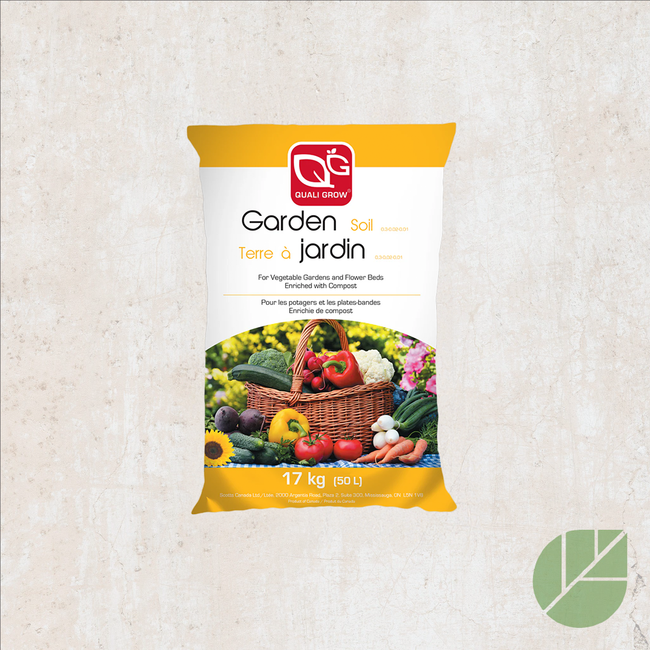
Loose, fertile, very well-drained soil
Fertilization
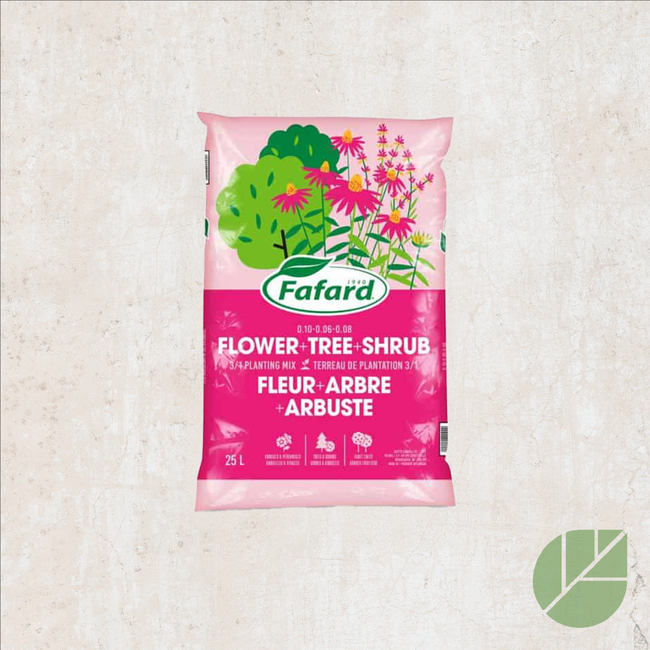
Add compost or bulb fertilizer at planting and again in early spring.
Moisture
Moist to moderately dry, always well-drained soil.
Seasonal care
Remove spent flowers and allow foliage to yellow completely before cutting it back.
Container growing
A garden,within reach.
Recommended pot size
Container at least 25 to 30 cm deep with drainage
Suitable for containers in a free-draining mix; protect from frost when hardiness requires it.

Bloom and dimensions
Its place,in your garden.
Mature height
Approximately 120 cm (47 in)
Width / spread
10 to 20 cm
Foliage color
Green
Foliage type
Deciduous foliage that becomes dormant after flowering
Growth rate
Moderate
Growth habit
Upright, clumping
Fragrance
Light fragrance
Bloom period
Summer, depending on the variety and planting date

Garden associations
In goodcompany.
Companion plants
Daffodils, grape hyacinths, groundcover perennials and ornamental grasses
Frequently asked questions
Your questions,answered.
When should Lily 'Apricot Fudge' (Lilium) be planted?
Plant in spring after the last frost.
What exposure is best?
Choose full sun or light partial shade.
What soil is suitable?
Loose, fertile and very well-drained soil gives the best results.
Can this plant be grown in a container?
Yes, in a deep container with drainage holes.
What should be done with the foliage after flowering?
Allow it to yellow completely so the bulb can replenish its reserves.
Wildlife and pets
Life,around your plants.
Reported toxicity
Yes
For planting your bulbs
The right extras.Right here.
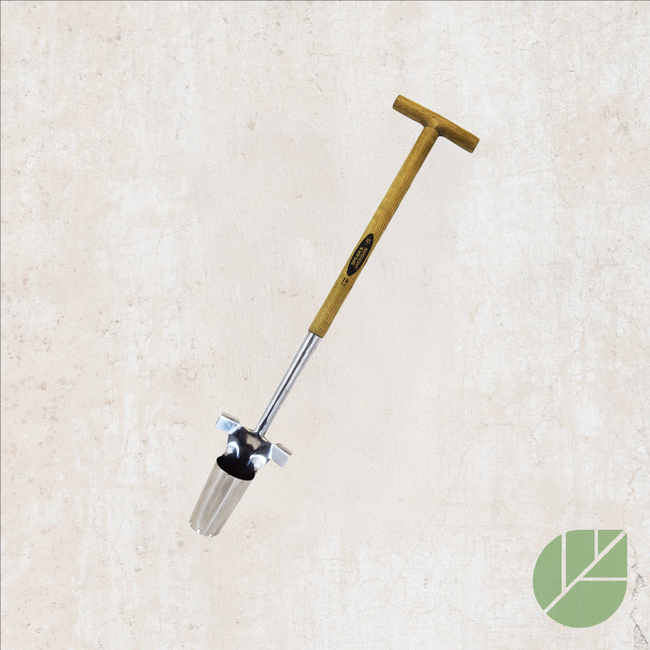
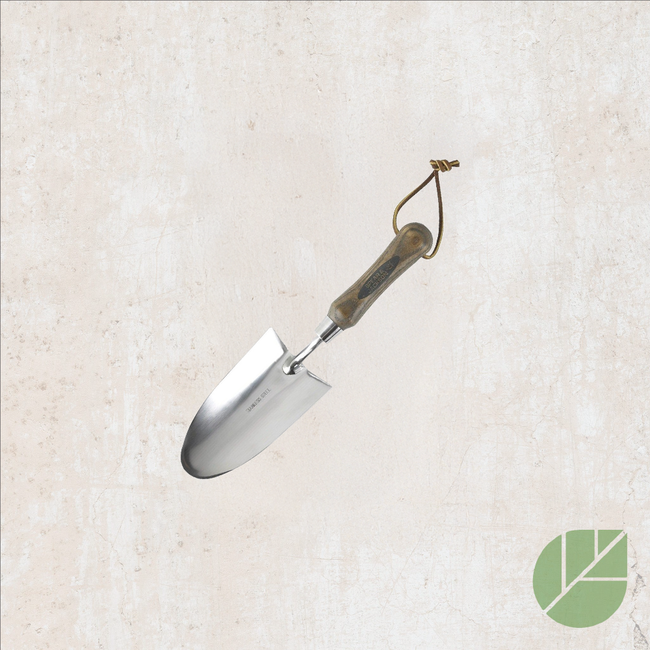
Bulb planters and planting tools
Shop the collection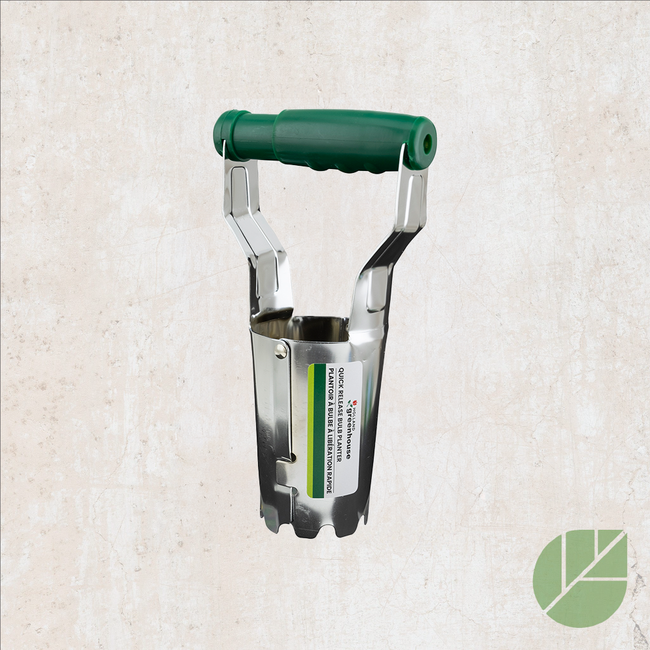
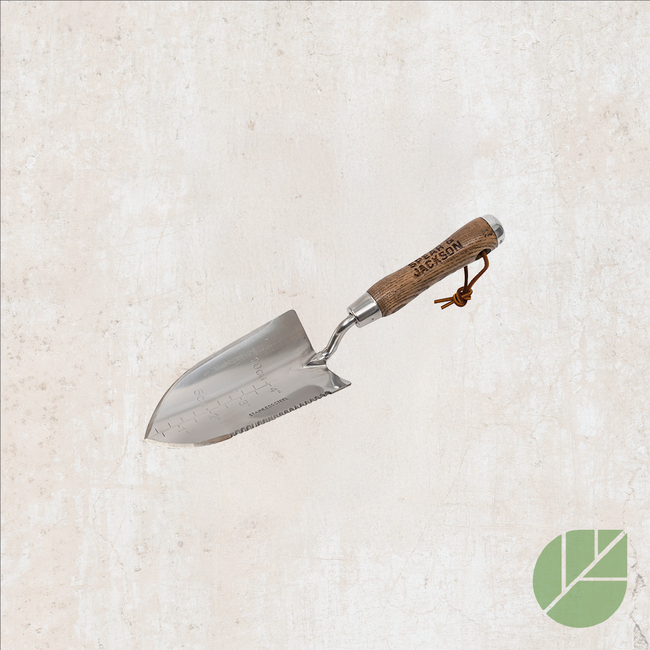
Soils and amendments for bulbs
Shop the collection