Sale
Sold out

Double Late Group tulip
Liliaceae
Ivory and pink double late tulip
‘Finola’ Tulip
Tulipa ‘Finola’
Product code : VAN-158-181-01
Finola brings together double tulips in bright ivory white and pale pink tones to brighten containers and beds in late spring. Full blooms create a bouquet effect as soon as they open. Their approximately 50 cm height suits the front or middle of a border. Grouped planting makes a stronger display than scattered bulbs. Strap-shaped foliage remains discreet beneath the flowers. The cultivar works for cutting, naturalizing, and container culture. Humus-rich freely drained soil supports persistence. These pastel double tulips combine easily with perennials and may return for many years when foliage is allowed to ripen completely after flowering. This selection therefore brings colour, contrast, and horticultural flower form within easy view. These tulips in ivory white and pale pink tones remain attractive both outdoors and as carefully conditioned cut flowers.
- Quantity
- 12 size 12/+ bulbs
- Exposure
- Full sun
- Life cycle
- Spring-flowering bulbous perennial
- Hardiness
- Zones 3 to 7; perennializes best in freely drained soil
Discover the plant
Common nameFinola tulip
FamilyLiliaceae
GenusTulipa
CultivarFinola
TypeDouble Late Group tulip
Botanical nameTulipa ‘Finola’
‘Finola’ Tulip (Tulipa ‘Finola’) produces large double flowers resembling small peonies. Numerous ivory-white petals are irregularly flamed and edged with pale pink, giving every bloom a slightly different appearance. This Double Late Group tulip flowers in late spring on sturdy upright stems about 50 cm tall above broad lance-shaped green leaves. The package contains twelve size 12/+ bulbs, enough to create a generous bouquet effect quickly in a bed or large container. ‘Finola’ is also valued as a cut flower: coloured buds open gradually in a vase and combine easily with pastel arrangements. Its layered flower form provides fullness without requiring several different cultivars, while the soft colour remains visible from nearby paths and windows.
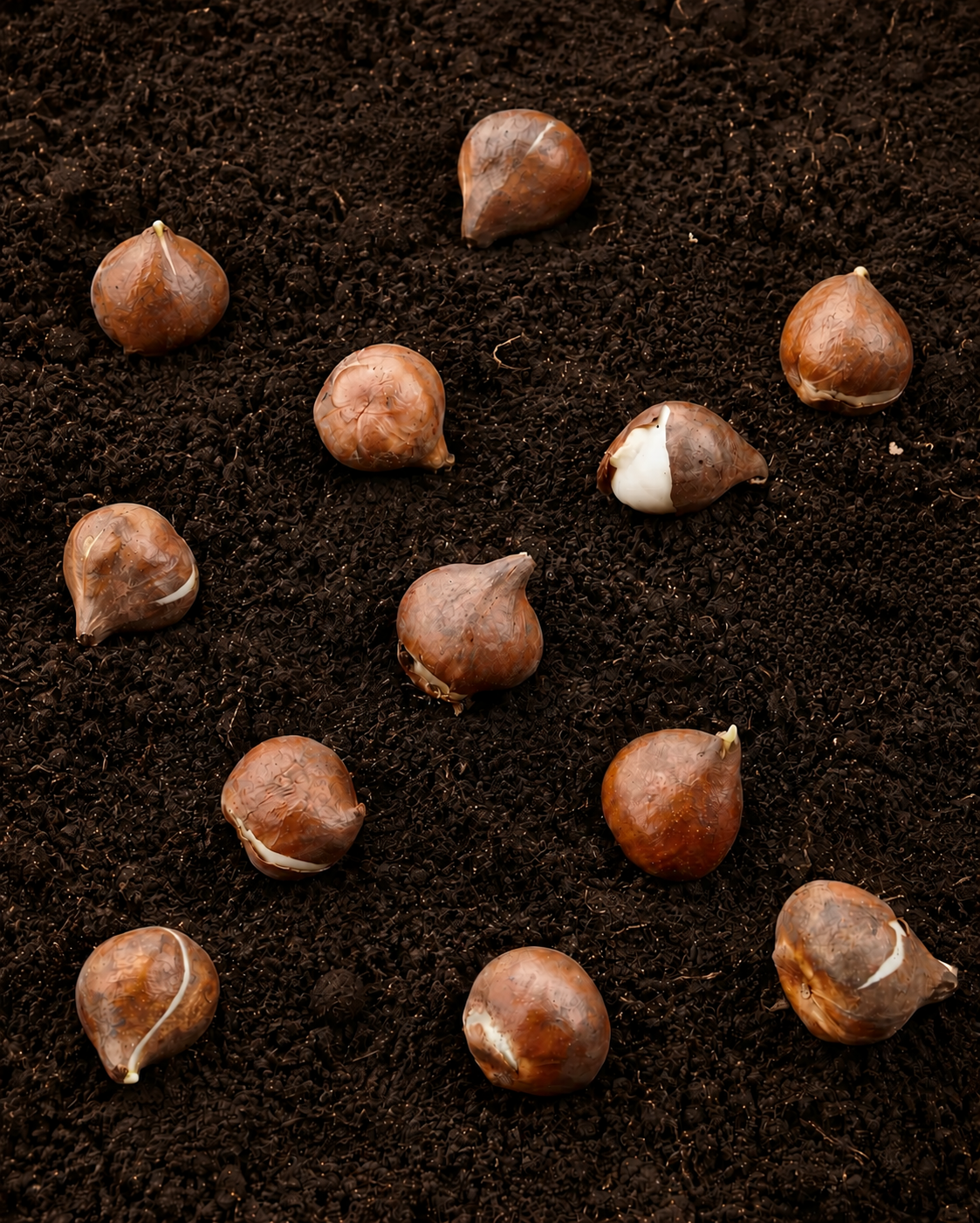
Plant the bulbs from September through November after the soil has cooled but while it remains workable. Choose full sun, protection from strong winds, and fertile, loose, freely drained soil. Set each bulb pointed end upward 10 to 15 cm deep and space bulbs about 10 cm apart. An irregular cluster looks more natural than a straight row. Water after planting to settle the soil, then allow seasonal precipitation to maintain moderate moisture without standing water. In clay ground, improve drainage through the entire planting area or use a raised bed. For container growing, select a frost-resistant pot with open drainage holes. A porous growing mix helps excess autumn rain and melting snow escape before it can damage the bulbs.
After flowering, remove faded blooms before seeds form, but retain every leaf until it has yellowed completely. The foliage continues rebuilding the bulb’s reserves during this period. ‘Finola’ does not naturalize as readily as some botanical tulips and often gives its most consistent display in the first year; relatively dry soil during dormancy improves its chance of returning. Plant it near an entrance, in a romantic border, or among late-emerging perennials that later conceal the ripening foliage. Blue grape hyacinths, white daffodils, and purple coral bells emphasize its ivory and pink flowers. Plant parts are harmful if eaten and may irritate sensitive skin, so wear gloves when handling them and keep stored packages away from children and pets.

Planting guide
Plant well.Grow beautifully.
Planting depth
10 to 15 cm (4 to 6 in.) deep, pointed end upward
Spacing / density
Space approximately 10 cm (4 in.) apart in irregular groups
Best planting time
September to November, depending on the region
Propagation
Bulbs; division of offsets during dormancy
Growing method
Plant Finola in fall in full sun or light partial shade. Prepare humus-rich, loose, freely drained soil, then set bulbs 10 to 15 cm deep and 10 cm apart. Arrange them in odd-numbered groups for a natural bouquet effect. Choose a site where excess water drains quickly and loosen the soil below the base of the bulbs. Set every bulb pointed end upward without heavily compacting the soil. Water after planting to remove air pockets; fall rain and snow then supply most seasonal moisture. In spring, maintain even moisture while leaves and flower stems lengthen, without allowing standing water. A light mulch moderates temperature. Avoid high-nitrogen fertilizer, which promotes leaves at the expense of flowers. Remove faded blooms before seeds form, but retain all green foliage until it yellows naturally. Clean tools and discard soft, injured, or diseased bulbs. In containers, check frequently that drainage holes remain open. Reduce watering gradually as foliage ripens. During dormancy, relatively dry soil limits rot. Divide clumps only when they become crowded and flower less, then promptly replant healthy offsets. Wear gloves while handling bulbs because their sap may irritate sensitive skin, and store unopened packages away from children and pets.
Soil and care
The right care,at the right time.
Soil pH
Slightly acidic to neutral
Minimum temperature
Cold hardy in Quebec in drained soil; give containers extra protection
Care level
Easy
Watering
Water after planting, then maintain even moisture during spring growth without saturating the soil. Reduce irrigation as foliage yellows and keep the dormant bulbs relatively dry to limit rot. In spring, check the soil beneath mulch instead of following a fixed schedule. Water deeply when the upper few centimetres become dry, then allow excess to drain. Pots require more frequent monitoring than garden soil, especially while flower stems lengthen.
Soil type
Humus-rich, loose, freely drained soil that stays moderately moist in spring and becomes drier after foliage ripens. Avoid heavy depressions where water collects around bulbs. Before planting, incorporate mature compost into poor soil and fine grit or mineral amendment into heavy ground. An open structure lets roots establish in fall and protects bulb bases during winter thaws. On slopes, place bulbs where runoff cannot expose their roots or wash fine soil from the planting pocket.
Fertilization
Incorporate mature compost or low-nitrogen bulb fertilizer at planting, then apply a light dose in early spring. Avoid high-nitrogen products that encourage leaves rather than flowers. Spread fertilizer across the root zone without placing granules directly on bulbs or young shoots. Follow the manufacturer’s rate, because excessive feeding produces soft foliage, increases damage risk, and never replaces adequate drainage. Water after feeding so nutrients move evenly into the active root zone.
Moisture
Moderate moisture during rooting and flowering, with good air movement and constant drainage. Waterlogged soil in winter or dormancy greatly increases the risk of basal rot and weak return. Good air movement around leaves helps their surfaces dry after rain. Space bulbs without isolating them, remove diseased debris, and do not bury crowns beneath compact mulch. In containers, always empty saucers after watering. Check moisture below the surface before watering again.
Seasonal care
After bloom, remove only faded flowers and let every green leaf rebuild reserves until it yellows completely. Do not tie the foliage. Choose a site where excess water drains quickly and loosen the soil below the base of the bulbs. Set every bulb pointed end upward without heavily compacting the soil. Water after planting to remove air pockets; fall rain and snow then supply most seasonal moisture. In spring, maintain even moisture while leaves and flower stems lengthen, without allowing standing water. A light mulch moderates temperature. Avoid high-nitrogen fertilizer, which promotes leaves at the expense of flowers. Remove faded blooms before seeds form, but retain all green foliage until it yellows naturally. Clean tools and discard soft, injured, or diseased bulbs. In containers, check frequently that drainage holes remain open. Reduce watering gradually as foliage ripens. During dormancy, relatively dry soil limits rot. Divide clumps only when they become crowded and flower less, then promptly replant healthy offsets. Wear gloves while handling bulbs because their sap may irritate sensitive skin, and store unopened packages away from children and pets. Watch for slugs around emerging shoots and avoid moving bulbs during active growth. A discreet marker protects the dormant group during summer garden work and makes future division easier. After several seasons, note flower density so division is planned only when performance genuinely declines.
Container growing
A garden,within reach.
Recommended pot size
Pot at least 30 cm deep, sized to the number of bulbs
Choose a frost-resistant container at least 30 cm deep with several open drainage holes. Use humus-rich potting mix amended with drainage material. Set bulbs 10 to 15 cm deep without touching, then water to settle the mix. Keep the pot cold so bulbs receive their winter rest. Choose a site where excess water drains quickly and loosen the soil below the base of the bulbs. Set every bulb pointed end upward without heavily compacting the soil. Water after planting to remove air pockets; fall rain and snow then supply most seasonal moisture. In spring, maintain even moisture while leaves and flower stems lengthen, without allowing standing water. A light mulch moderates temperature. Avoid high-nitrogen fertilizer, which promotes leaves at the expense of flowers. Remove faded blooms before seeds form, but retain all green foliage until it yellows naturally. Clean tools and discard soft, injured, or diseased bulbs. In containers, check frequently that drainage holes remain open. Reduce watering gradually as foliage ripens. During dormancy, relatively dry soil limits rot. Divide clumps only when they become crowded and flower less, then promptly replant healthy offsets. Wear gloves while handling bulbs because their sap may irritate sensitive skin, and store unopened packages away from children and pets.

Bloom and dimensions
Its place,in your garden.
Mature height
Approximately 50 cm (20 in.)
Width / spread
Variable with bulb number and spacing
Flower color
Ivory white flamed and edged with pale pink
Foliage color
Green
Foliage type
Deciduous strap-shaped foliage disappearing after ripening
Growth rate
Rapid spring growth after fall rooting
Growth habit
Upright
Fragrance
Little or no fragrance depending on cultivar plants
Bloom period
Late spring flowering with double blooms in ivory white and pale pink tones. Flowers open in succession and suit both cutting and close garden viewing near paths or entrances. Cool weather often prolongs bloom quality, while a warm spell shortens the display. Cut stems early in the morning for bouquets and always leave enough foliage in place to replenish the bulbs. Display length varies with temperature, wind, and direct afternoon sun.
Garden associations
In goodcompany.
Companion plants
Grape hyacinths, squills, primroses, forget-me-nots, coral bells, and late-emerging perennials accompany flowering without excessive bulb competition. Choose plants that enjoy similarly drained soil and moderate spring moisture. Companions should emerge late enough to let tulip leaves receive the light they need. Avoid deep digging around dormant clumps; mark their position and top-dress with compost instead. A succession of foliage maintains the display after flowering. Low companions may fill spaces between bulbs without shading the ripening leaves. Their contrasting flower shapes emphasize the double blooms, while later perennial growth conceals the bed as tulips enter summer dormancy.
Plants to avoid
Aggressive plants and dense groundcovers that smother foliage before it ripens
Frequently asked questions
Your questions,answered.
When should Finola tulip bulbs be planted in Quebec?
Plant bulbs in fall when nights become cool and the soil remains workable, generally from September into November depending on region. Actual soil condition matters more than a fixed date. Planting too early may encourage premature growth, while planting after freeze-up limits rooting. Choose a day when the ground is neither frozen nor waterlogged. Set every bulb pointed end upward 10 to 15 cm deep, water to settle the soil, then add light mulch after sustained cold arrives. In containers, focus on protecting the pot from rapid freeze-thaw cycles while keeping drainage holes open throughout winter. This fall preparation gives roots enough time to establish before deep winter cold arrives.
How deeply and how far apart should the bulbs be planted?
Set bulbs about 10 to 15 cm deep, measured from the bulb top to the soil surface, and space them 10 cm apart. The rule of two to three times bulb height remains useful when sizes vary. Plant slightly shallower in improved heavy soil and somewhat deeper in sandy ground exposed to temperature swings. Point the growing tip upward and rest the flatter base on loosened soil. Group bulbs in odd numbers for a natural effect without allowing them to touch. In containers, also retain several centimetres of mix beneath developing roots and enough headspace above for watering. This spacing also balances the double blooms visually.
Will the Finola double tulip return every year?
‘Finola’ may flower again when the soil remains freely drained and the foliage completes its full cycle, but this double late tulip does not naturalize as readily as some botanical tulips. After flowering, remove faded blooms to prevent seed production, then allow every leaf to yellow naturally before cutting it back. The leaves rebuild the bulb’s reserves. Maintain moderate moisture during this ripening period and reduce watering through dormancy. A sunny position, light spring feeding, and freedom from standing water support future flowering. For a perfectly consistent display, many gardeners still refresh part of the planting after several seasons, especially where summers are wet or repeated freeze-thaw cycles weaken the bulbs.
Can all twelve bulbs be grown in one container?
Yes. Choose a frost-resistant container at least 30 cm deep with several drainage holes. Use humus-rich potting mix amended with drainage material. Set bulbs 10 to 15 cm deep, close enough for a bouquet effect but not touching. Water after planting, then prevent only complete drying before freeze-up. The pot must remain cold for winter rest while being protected from excessive rain and repeated thaws. In spring, increase watering gradually as shoots emerge and place the container in abundant light. Rotate it periodically if light comes from one direction so sturdy flower stems remain balanced rather than leaning strongly. Label the pot so emerging spring shoots are recognized and protected during cleanup.
What should be done after Finola flowers?
Remove faded flowers before plants spend energy producing seed, but do not tie or cut green leaves. Let them capture light until they yellow and detach easily, often several weeks after bloom. Continue moderate watering if spring is dry, then reduce it during dormancy. Nearby perennials can conceal the space. If a clump becomes very crowded and flowers less, lift it after foliage yellows, separate offsets, and replant them promptly. Wear gloves because toxic bulbs and sap may irritate skin, and discard any soft or diseased bulb rather than returning it to the bed or adding it to a home compost pile.
Wildlife and pets
Life,around your plants.
Reported toxicity
Yes
Supporting wildlife
Flowers may provide pollen and nectar for insects active in spring. Avoid insecticides during bloom and maintain a diversity of bulbs and perennials to extend available resources across the garden season. Some cultivated tulip forms may offer fewer resources than simpler flowers, so combine them with accessible spring species such as crocuses, grape hyacinths, and squills.
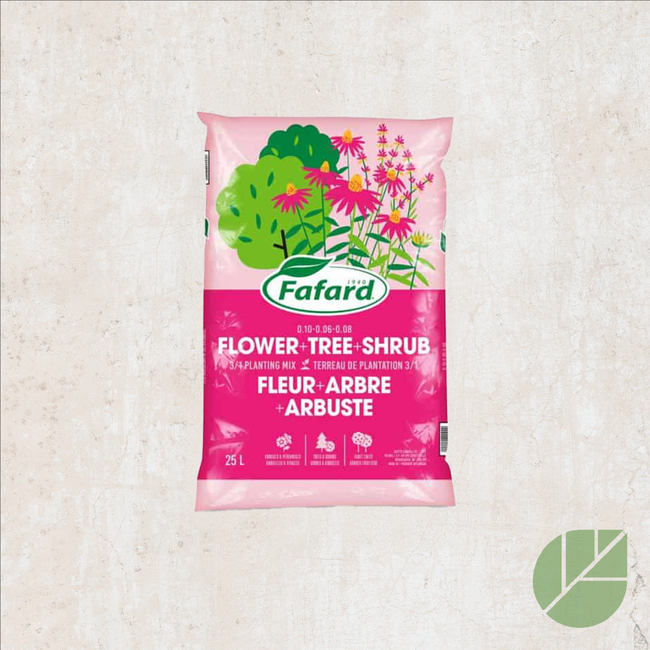
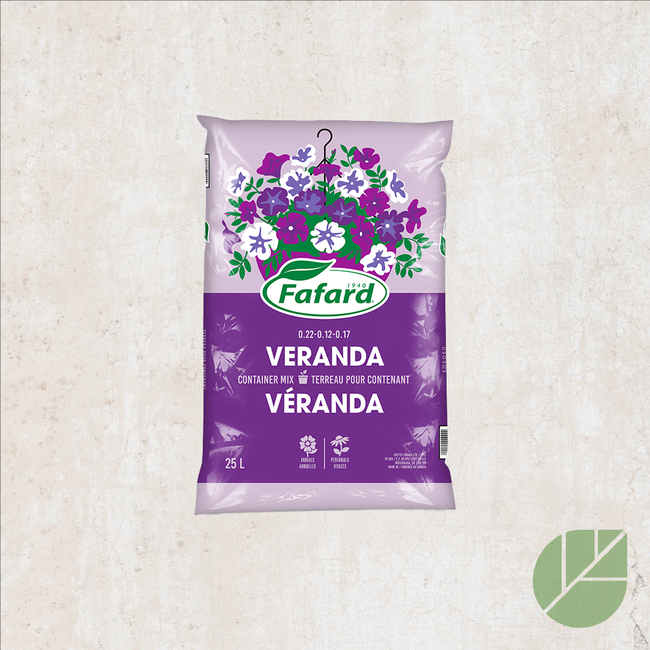
For planting your bulbs
The right extras.Right here.
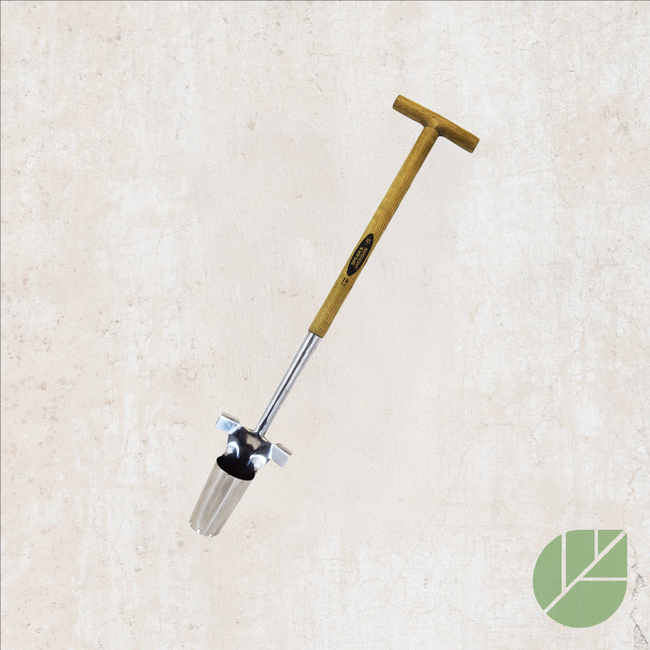
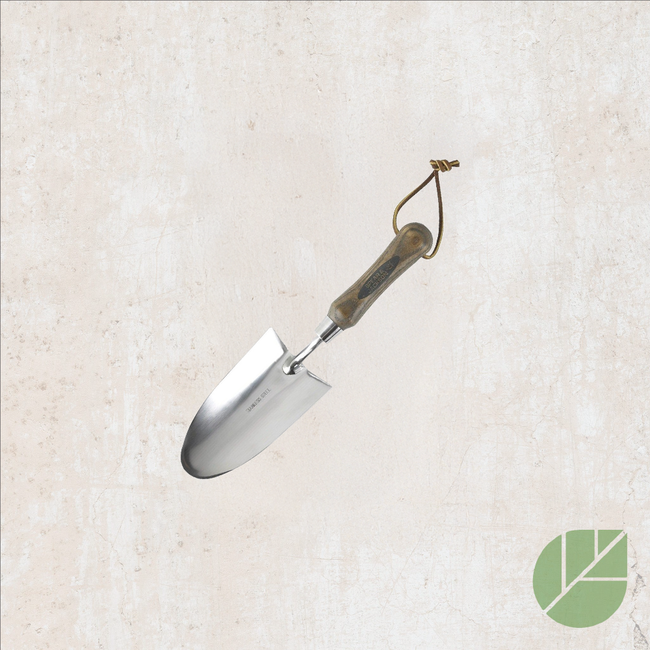
Bulb planters and planting tools
Shop the collection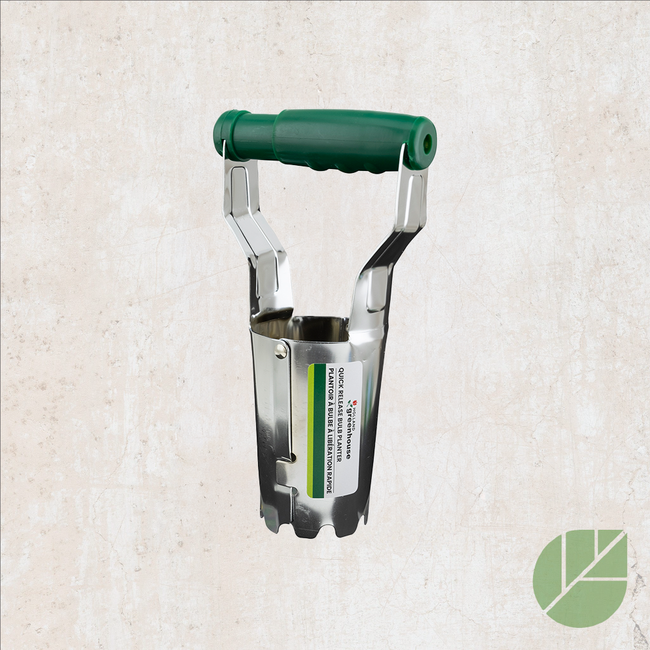

Soils and amendments for bulbs
Shop the collection