

Sale
Sold out

Native perennial
Asteraceae
Native perennials for dry prairies
Upland white goldenrod
Solidago ptarmicoides
Product code : AKENE-0066
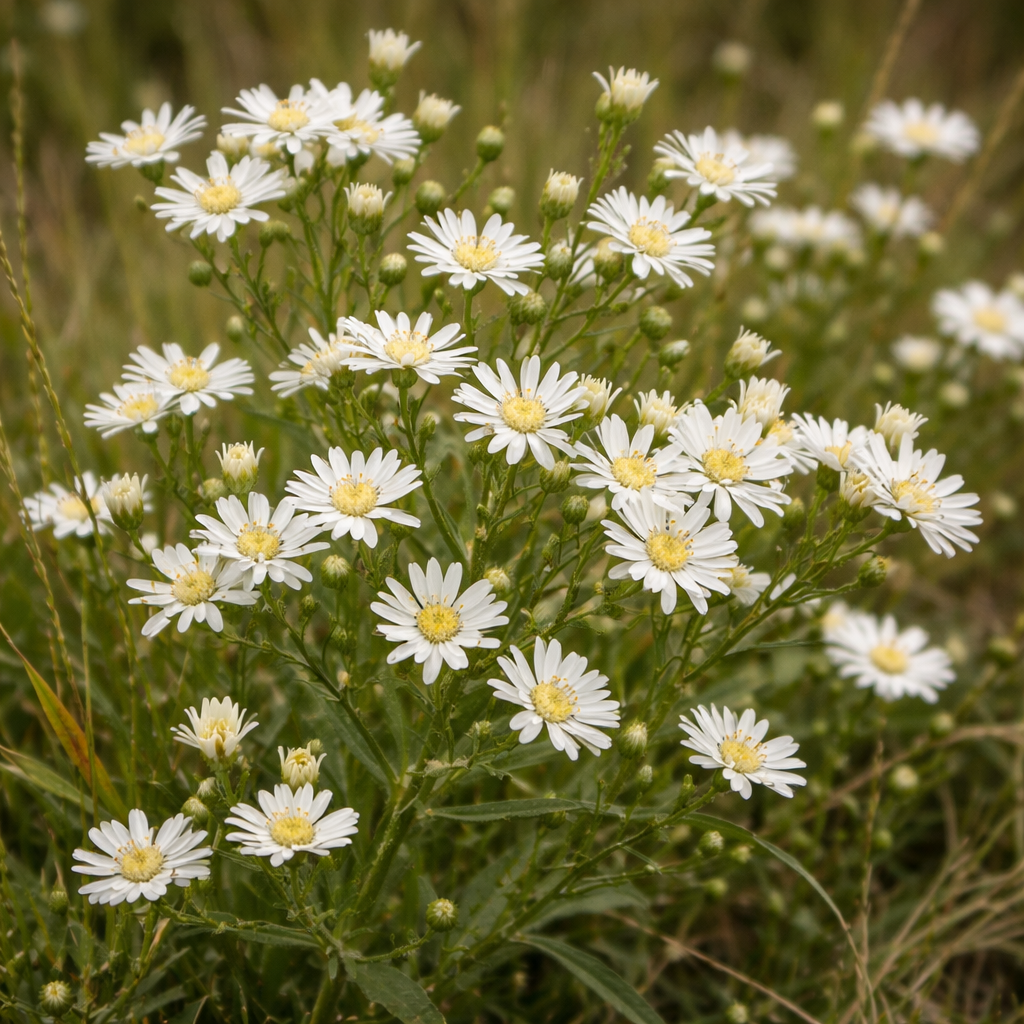
Upland white goldenrod is a native perennial distinguished by white flower heads with yellow centres, an unusual colour among goldenrods. Adapted to full sun and dry, well-drained soils, it reaches approximately 90 cm and blooms from August to September. This Quebec native perennial grows naturally in open, dry, well-drained habitats where competition from plants requiring consistently moist soil remains limited. Its white flower heads with yellow centres bloom from August to September and provide nectar and pollen for bees, butterflies and other beneficial insects late in the season. Full sun and rocky to sandy soil encourage sturdy growth, abundant flowering and improved tolerance of dry periods after establishment.
- Quantity
- Approximately 250 seeds
- Exposure
- Full sun
- Life cycle
- Perennial
- Hardiness
- Zone 3
Discover the plant
Common nameUpland white goldenrod
FamilyAsteraceae
GenusSolidago
Speciesptarmicoides
Cultivar
TypeNative perennial
Botanical nameSolidago ptarmicoides
Reproducible seedsYes
Upland white goldenrod (Solidago ptarmicoides) is a Quebec native perennial distinguished from most goldenrods by white flower heads with yellow centres. Bloom generally occurs from August to September above green foliage and an upright habit. Plants may reach approximately 90 cm tall and benefit from spacing of about 40 cm. Hardy to Zone 3, this species fits naturally into dry, naturalistic plantings where its pale flowers create a bright contrast with asters, black-eyed Susans, blazing stars and native grasses while extending visual interest near the end of the growing season.
This perennial prefers full sun and rocky to sandy, dry, very well-drained soil. Once established, it tolerates drought effectively and requires little supplemental watering. To raise plants from seed, provide approximately 60 days of cold-moist stratification, then surface sow without covering because light supports germination. Keep the growing medium lightly moist but never saturated at a temperature of 18 to 22°C. Seedlings generally emerge within 7 to 21 days when temperature, light and moisture remain stable. Gradually acclimate young plants before moving them to their permanent outdoor position. This Quebec native perennial grows naturally in open, dry, well-drained habitats where competition from plants requiring consistently moist soil remains limited.
In the garden, upland white goldenrod suits rock gardens, dry meadows, sunny borders, pollinator gardens and ecological restoration projects. Its late-summer flower heads provide nectar and pollen for bees, butterflies and other beneficial insects as floral resources begin to decline. A light application of mature compost in spring is generally sufficient; avoid nitrogen-rich fertilizers and consistently moist soil. Leave several dry stems standing through winter, then cut them back in spring. This plant is grown for ornamental and ecological value rather than as a food crop, and established clumps require little routine intervention.

Sowing guide
It all startswith a seed.
Sowing depth
Surface sow; light required
Spacing / density
40 cm spacing
Germination temperature
18 to 22°C
Germination time
7 to 21 days
Sowing period
Fall, or spring after 60 days of cold stratification
Propagation
Seeds or division of mature clumps
Cold stratification
Yes
Growing method
Mix the seeds with a lightly moistened medium and refrigerate them for approximately 60 days. They may also be sown outdoors in fall to receive natural winter chilling. After stratification, place the seeds on the surface of a fine, free-draining growing medium without covering them because light supports germination. This Quebec native perennial grows naturally in open, dry, well-drained habitats where competition from plants requiring consistently moist soil remains limited. Its white flower heads with yellow centres bloom from August to September and provide nectar and pollen for bees, butterflies and other beneficial insects late in the season. Full sun and rocky to sandy soil encourage sturdy growth, abundant flowering and improved tolerance of dry periods after establishment. The seeds require approximately 60 days of cold-moist stratification followed by surface sowing because light supports successful germination. At 18 to 22°C, germination generally occurs within 7 to 21 days when the growing medium stays lightly moist without becoming saturated. Plants reach approximately 90 cm tall and benefit from spacing of about 40 cm to maintain good air circulation. Once established, this species requires little supplemental watering and suits rock gardens, dry meadows, pollinator gardens and ecological restoration projects.
Soil and care
The right care,at the right time.
Soil pH
Acidic to neutral
Minimum temperature
-40 °C (-40 °F)
Care level
Low
Drought tolerance
Yes
Watering
Water regularly during establishment to keep the medium lightly moist, then reduce supplemental irrigation. Established plants tolerate dry periods well. This Quebec native perennial grows naturally in open, dry, well-drained habitats where competition from plants requiring consistently moist soil remains limited. Its white flower heads with yellow centres bloom from August to September and provide nectar and pollen for bees, butterflies and other beneficial insects late in the season.
Soil type
Rocky to sandy, dry and very well-drained soil matches its natural preferences. Avoid heavy ground that remains saturated, especially during winter. This Quebec native perennial grows naturally in open, dry, well-drained habitats where competition from plants requiring consistently moist soil remains limited. Its white flower heads with yellow centres bloom from August to September and provide nectar and pollen for bees, butterflies and other beneficial insects late in the season.
Fertilization
Apply a thin layer of mature compost in spring if the soil is very poor. Avoid nitrogen-rich fertilizers, which may produce weak stems. This Quebec native perennial grows naturally in open, dry, well-drained habitats where competition from plants requiring consistently moist soil remains limited. Its white flower heads with yellow centres bloom from August to September and provide nectar and pollen for bees, butterflies and other beneficial insects late in the season.
Moisture
Low; dry, very well-drained soil
Seasonal care
In spring, cut back dry stems before new shoots emerge and apply only a thin layer of mature compost. During the first growing season, water regularly without saturating the soil to support root establishment. This Quebec native perennial grows naturally in open, dry, well-drained habitats where competition from plants requiring consistently moist soil remains limited. Its white flower heads with yellow centres bloom from August to September and provide nectar and pollen for bees, butterflies and other beneficial insects late in the season. Full sun and rocky to sandy soil encourage sturdy growth, abundant flowering and improved tolerance of dry periods after establishment. The seeds require approximately 60 days of cold-moist stratification followed by surface sowing because light supports successful germination. At 18 to 22°C, germination generally occurs within 7 to 21 days when the growing medium stays lightly moist without becoming saturated. Plants reach approximately 90 cm tall and benefit from spacing of about 40 cm to maintain good air circulation. Once established, this species requires little supplemental watering and suits rock gardens, dry meadows, pollinator gardens and ecological restoration projects. Leave several dry stems and flower heads standing through winter for garden structure, then cut them back in spring before new growth begins. A light application of mature compost in spring is generally sufficient; rich fertilizers may encourage weak growth and reduce stem strength.
Container growing
A garden,within reach.
Recommended pot size
15 to 20 cm (6 to 8 in)
Choose a deep container with several drainage holes and fill it with a light growing medium containing a mineral component. Surface sow the seeds after cold stratification, maintain light moisture during germination and place the container in a very bright location. This Quebec native perennial grows naturally in open, dry, well-drained habitats where competition from plants requiring consistently moist soil remains limited. Its white flower heads with yellow centres bloom from August to September and provide nectar and pollen for bees, butterflies and other beneficial insects late in the season. Full sun and rocky to sandy soil encourage sturdy growth, abundant flowering and improved tolerance of dry periods after establishment. The seeds require approximately 60 days of cold-moist stratification followed by surface sowing because light supports successful germination. At 18 to 22°C, germination generally occurs within 7 to 21 days when the growing medium stays lightly moist without becoming saturated. Plants reach approximately 90 cm tall and benefit from spacing of about 40 cm to maintain good air circulation. Once established, this species requires little supplemental watering and suits rock gardens, dry meadows, pollinator gardens and ecological restoration projects.
Bloom and dimensions
Its place,in your garden.
Mature height
90 cm
Width / spread
40 cm
Flower color
White with yellow centres
Foliage color
Green
Foliage type
Deciduous
Growth rate
Moderate
Growth habit
Upright, compact and clump-forming
Fragrance
Little to no fragrance
Bloom period
Flowering generally extends from August to September. White flower heads with yellow centres lengthen the season and remain conspicuous in naturalistic plantings. This Quebec native perennial grows naturally in open, dry, well-drained habitats where competition from plants requiring consistently moist soil remains limited. Its white flower heads with yellow centres bloom from August to September and provide nectar and pollen for bees, butterflies and other beneficial insects late in the season.
Fruiting
After flowering, the heads produce small seeds that mature from September to October. Retain several stems for winter structure and wildlife. This Quebec native perennial grows naturally in open, dry, well-drained habitats where competition from plants requiring consistently moist soil remains limited. Its white flower heads with yellow centres bloom from August to September and provide nectar and pollen for bees, butterflies and other beneficial insects late in the season.
Days to maturity
Usually flowers from the second year
Harvest
September to October
Garden associations
In goodcompany.
Companion plants
Pair it with asters, black-eyed Susans, blazing stars, beardtongues and small native grasses that also favour full sun and dry, well-drained soil. This Quebec native perennial grows naturally in open, dry, well-drained habitats where competition from plants requiring consistently moist soil remains limited. Its white flower heads with yellow centres bloom from August to September and provide nectar and pollen for bees, butterflies and other beneficial insects late in the season. Full sun and rocky to sandy soil encourage sturdy growth, abundant flowering and improved tolerance of dry periods after establishment.
Plants to avoid
Wetland plants such as blue flag iris and marsh marigold
Frequently asked questions
Your questions,answered.
When should upland white goldenrod be sown?
Sow the seeds in fall so they receive natural winter chilling, or sow them in spring after approximately 60 days of cold-moist stratification. After treatment, place them on the surface of a fine, free-draining medium without covering them because light supports germination. This Quebec native perennial grows naturally in open, dry, well-drained habitats where competition from plants requiring consistently moist soil remains limited. Its white flower heads with yellow centres bloom from August to September and provide nectar and pollen for bees, butterflies and other beneficial insects late in the season. Full sun and rocky to sandy soil encourage sturdy growth, abundant flowering and improved tolerance of dry periods after establishment.
How can the seeds be germinated successfully?
After 60 days of cold-moist stratification, surface sow the seeds and press them gently against the growing medium without burying them. Maintain a temperature of 18 to 22°C, good light and even moisture without saturating the mix. Seedlings generally emerge within 7 to 21 days. This Quebec native perennial grows naturally in open, dry, well-drained habitats where competition from plants requiring consistently moist soil remains limited. Its white flower heads with yellow centres bloom from August to September and provide nectar and pollen for bees, butterflies and other beneficial insects late in the season. Full sun and rocky to sandy soil encourage sturdy growth, abundant flowering and improved tolerance of dry periods after establishment.
Does upland white goldenrod attract pollinators?
Yes. Its white flower heads with yellow centres supply nectar and pollen for bees, butterflies and several other beneficial insects from August to September. This late bloom becomes especially valuable after many summer perennials have finished flowering. Avoid insecticides during bloom to protect these visitors. This Quebec native perennial grows naturally in open, dry, well-drained habitats where competition from plants requiring consistently moist soil remains limited. Its white flower heads with yellow centres bloom from August to September and provide nectar and pollen for bees, butterflies and other beneficial insects late in the season. Full sun and rocky to sandy soil encourage sturdy growth, abundant flowering and improved tolerance of dry periods after establishment.
Can this plant be grown in a rock garden or container?
Yes. This species naturally favours full sun and rocky to sandy, dry, very well-drained soil. In a container, choose a deep pot with several drainage holes and a growing medium containing a mineral component. Water more regularly during establishment, then allow the surface to dry slightly between waterings. This Quebec native perennial grows naturally in open, dry, well-drained habitats where competition from plants requiring consistently moist soil remains limited. Its white flower heads with yellow centres bloom from August to September and provide nectar and pollen for bees, butterflies and other beneficial insects late in the season. Full sun and rocky to sandy soil encourage sturdy growth, abundant flowering and improved tolerance of dry periods after establishment.
Is upland white goldenrod easy to maintain?
Once established, this native perennial requires little maintenance and tolerates dry periods effectively. Cut back dead stems in spring, apply only a thin layer of compost when needed and water mainly during prolonged drought. Avoid heavy, consistently moist soil and nitrogen-rich fertilizers. This Quebec native perennial grows naturally in open, dry, well-drained habitats where competition from plants requiring consistently moist soil remains limited. Its white flower heads with yellow centres bloom from August to September and provide nectar and pollen for bees, butterflies and other beneficial insects late in the season. Full sun and rocky to sandy soil encourage sturdy growth, abundant flowering and improved tolerance of dry periods after establishment.
Wildlife and pets
Life,around your plants.
Attracts birds
Yes
Native plant
Yes
Supporting wildlife
The late-summer white flower heads provide nectar and pollen for bees, butterflies and several other pollinating insects as floral resources begin to decline. This Quebec native perennial grows naturally in open, dry, well-drained habitats where competition from plants requiring consistently moist soil remains limited. Its white flower heads with yellow centres bloom from August to September and provide nectar and pollen for bees, butterflies and other beneficial insects late in the season.
For a great start to your seeds
The right extras.Right here.
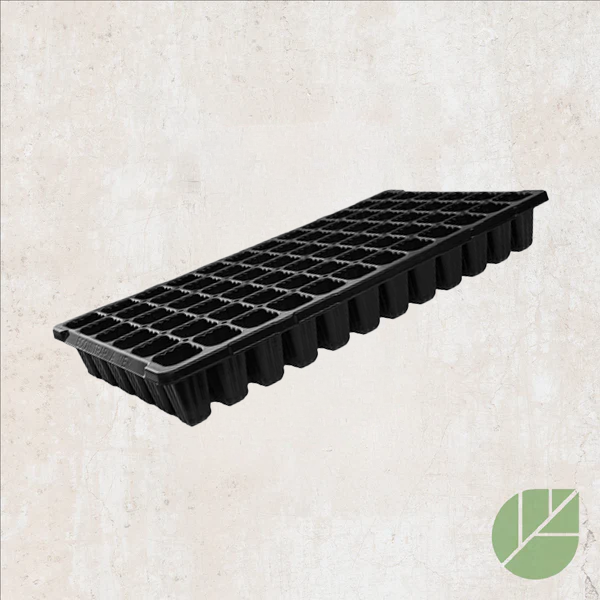
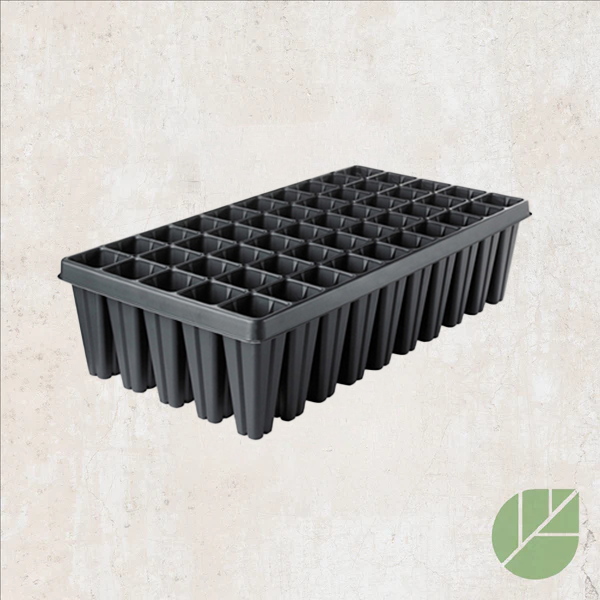
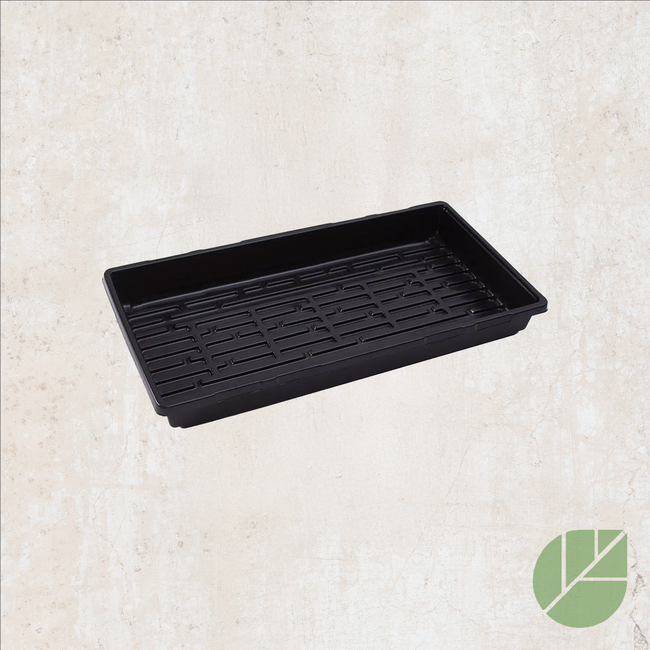
Platters, pots and domes
Shop the collection
Seed Starting Soil
Shop the collectionSeed starting supplies
Shop the collection




