

Sale
Sold out

Native perennial seeds
Plantaginaceae
Native perennial wildflower
Culver's root
Veronicastrum virginicum
Product code : AKENE-0059
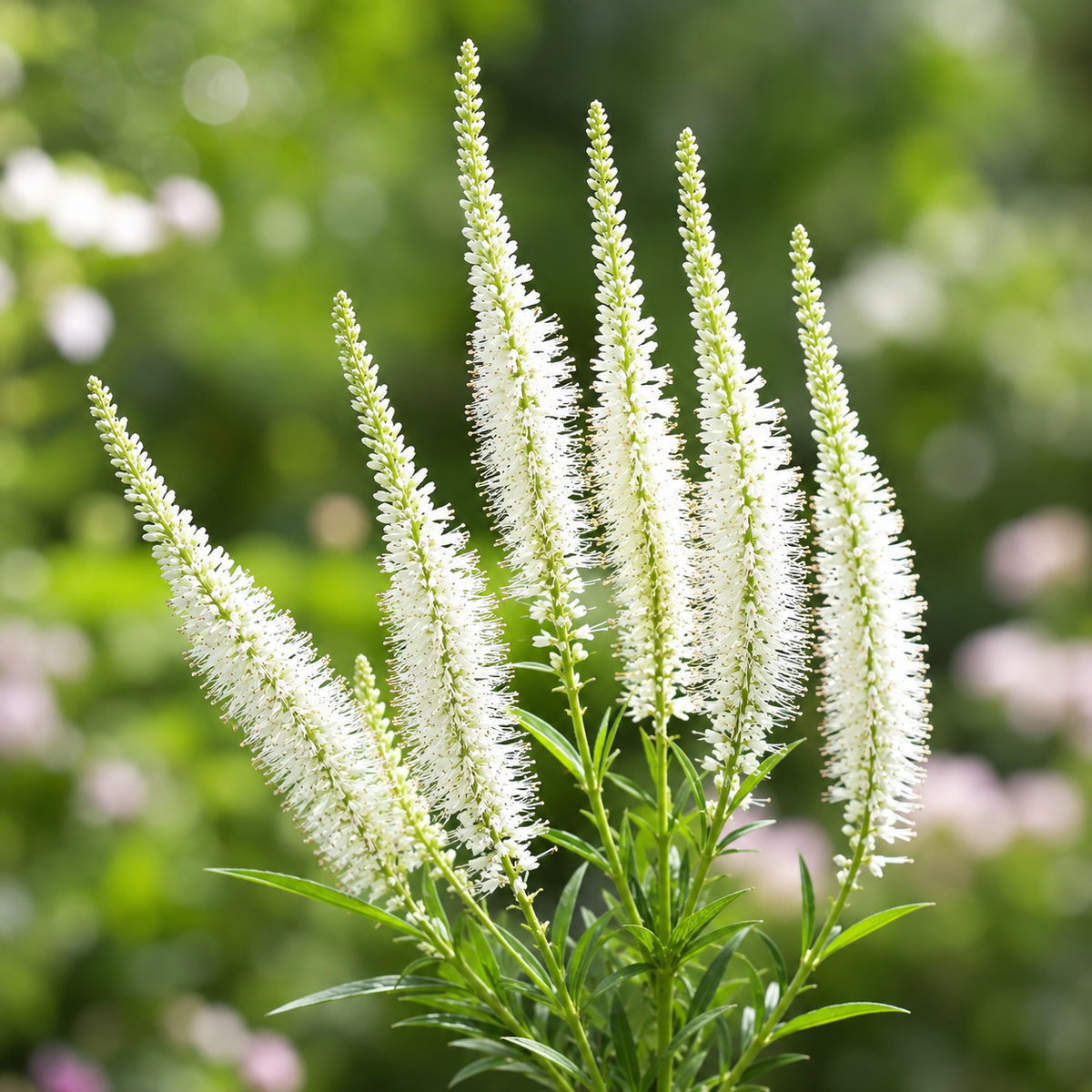
A tall native perennial with a strong vertical habit, Culver's root produces long white flower spikes heavily visited by pollinators. It is especially suitable for wildflower meadows, rain gardens, and naturalistic plantings with consistently moist soil.
- Quantity
- Approximately 300 seeds
- Exposure
- Full sun to partial shade
- Life cycle
- Perennial
- Hardiness
- Zones 3 to 8
Discover the plant
Common nameCulver's root
FamilyPlantaginaceae
GenusVeronicastrum
Speciesvirginicum
Cultivar
TypeNative perennial seeds
Botanical nameVeronicastrum virginicum
Culver's root (Veronicastrum virginicum) is a tall North American native perennial with an upright, architectural habit. Strong stems carry green leaves arranged in distinctive whorls and end in long, branching flower spikes that create an elegant candelabra effect. The small flowers are primarily white, sometimes lightly tinged with pale pink or lilac. Blooming generally extends from July through September. Mature plants reach approximately 1.2 to 2.1 m (4 to 7 ft) tall and 60 cm to 1.2 m (2 to 4 ft) wide. The foliage is deciduous, and this herbaceous perennial is hardy in Zones 3 to 8, providing dependable vertical structure in cold-climate gardens.
Grow this perennial in full sun to partial shade in fertile, moist to wet, well-drained soil. Consistent moisture encourages vigorous growth and helps the tall stems remain sturdy, especially during hot or dry periods in Quebec. A spring application of compost is generally sufficient where the soil needs additional organic matter. Maintenance is moderate: cut back dry stems in spring and, if desired, leave spent flower spikes standing through winter for structural interest. Excessive shade or overly rich soil can encourage softer stems and some leaning. With its strong cold hardiness, this native perennial adapts well to gardens throughout Quebec and many other Canadian regions where adequate soil moisture is available.
Culver's root is especially well suited to pollinator gardens, wildflower meadows, rain gardens, naturalistic plantings, and the back of large perennial borders. Its numerous small florets provide nectar and pollen for different bees, butterflies, and other beneficial insects during summer. It combines beautifully with Joe-Pye weeds, asters, heleniums, blue flag iris, and native grasses to create layered plantings rich in biodiversity. The long flowering stems can also be used as cut flowers, while the dry seed structures extend visual interest after bloom. Planted in groups, this species adds height, rhythm, and structure to ecological landscapes without visually overwhelming shorter perennials growing around it.

Sowing guide
It all startswith a seed.
Sowing depth
Surface to 1 mm deep
Spacing / density
45 to 60 cm (18 to 24 in)
Germination temperature
18 to 22 °C
Germination time
20 to 30 days
Sowing period
Fall or spring
Propagation
Seeds or division of mature clumps in spring
Cold stratification
Yes
Growing method
Sow in fall to make use of natural winter chilling, or provide moist cold stratification before spring sowing. Place the seeds on the surface of moist growing medium and press them gently without burying them deeply. After the cold period, maintain approximately 18 to 22 °C and consistent moisture. Germination generally occurs within 20 to 30 days under suitable conditions. Transplant seedlings once several true leaves have developed, then gradually harden them off outdoors. Plant in full sun to partial shade in fertile, moist, well-drained soil, spacing plants 45 to 60 cm (18 to 24 in) apart to allow mature clumps enough room to develop.
Soil and care
The right care,at the right time.
Soil pH
Acidic to neutral
Minimum temperature
-40 °C
Care level
Moderate
Watering
Regular; keep soil consistently moist
Soil type
Fertile, moist to wet, and well-drained
Fertilization
Spring compost; little fertilizer needed in fertile soil
Moisture
Moderate to high
Seasonal care
In spring, cut back the previous year's dry stems before new growth becomes active. Add a thin layer of compost where the soil is poor or low in organic matter, avoiding excessive nitrogen fertilization that can encourage overly lush growth. During establishment and the first growing seasons, water regularly to keep the soil consistently moist. In summer, monitor moisture carefully during hot or dry periods because this perennial performs best where the root zone does not dry completely. After flowering, spent spikes may be removed for a tidier appearance or retained to extend fall and winter structure. In shadier or wind-exposed locations, check whether the tall stems need discreet support to remain upright.
Container growing
A garden,within reach.
Recommended pot size
30 to 40 L (8 to 10 gal)
Container growing is possible, but this tall perennial needs a deep, substantial pot that can support both its root system and flowering stems. Choose a container of about 30 to 40 L (8 to 10 gal) with excellent drainage and fill it with an organic-rich potting mix that stays moist without remaining waterlogged. Position the container in full sun to partial shade. Water regularly because potting mix dries more quickly than garden soil. A location protected from strong winds helps reduce stem leaning. In very cold regions, provide additional winter protection around the root ball because container-grown roots are more exposed to freezing temperatures than plants established directly in the ground.

Bloom and dimensions
Its place,in your garden.
Mature height
Approximately 2.1 m (7 ft)
Width / spread
Approximately 1.2 m (4 ft)
Flower color
White, sometimes tinged with pale pink or lilac
Foliage color
Green
Foliage type
Deciduous
Growth rate
Moderate
Growth habit
Upright and vertical
Fragrance
Not fragrant
Bloom period
Summer to early fall
Fruiting
Small capsules containing numerous seeds
Days to maturity
Harvest
Harvest seeds when capsules turn brown and dry
Garden associations
In goodcompany.
Companion plants
Joe-Pye weeds, asters, heleniums, blue flag iris, and native grasses
Plants to avoid
Plants requiring very dry, lean soil
Frequently asked questions
Your questions,answered.
When should Culver's root seeds be sown?
Seeds may be sown outdoors in fall so winter provides natural chilling, or in spring after moist cold stratification. Sow them on the surface or beneath only a very thin layer of growing medium, then maintain consistent moisture throughout the germination period.
Why does Culver's root attract pollinators?
Its long flower spikes contain many small florets that provide nectar and pollen throughout summer. This concentrated floral resource attracts several kinds of bees, butterflies, and other insects that move among the progressively opening flowers along each spike.
Can Culver's root be grown in a container?
Yes, although its substantial size requires a deep, stable container of about 30 to 40 L (8 to 10 gal). Use a rich potting mix that retains moisture while draining properly, water regularly, and place the container where it is protected from strong winds.
Does Culver's root need staking?
The stems are generally sturdy when plants receive adequate sun and grow in suitable soil. However, substantial shade, excessively rich soil, or a windy site can encourage leaning. Under those conditions, discreet staking or support from neighbouring plants can help maintain the upright form.
Is Culver's root easy to maintain?
Maintenance is moderate. The main requirement is keeping the soil consistently moist, especially during establishment and dry weather, then cutting back old stems in spring. A thin layer of compost can be added annually where the soil is low in organic matter.
Wildlife and pets
Life,around your plants.
Native plant
Yes
Supporting wildlife
Bees and butterflies
For a great start to your seeds
The right extras.Right here.
Platters, pots and domes
Shop the collection
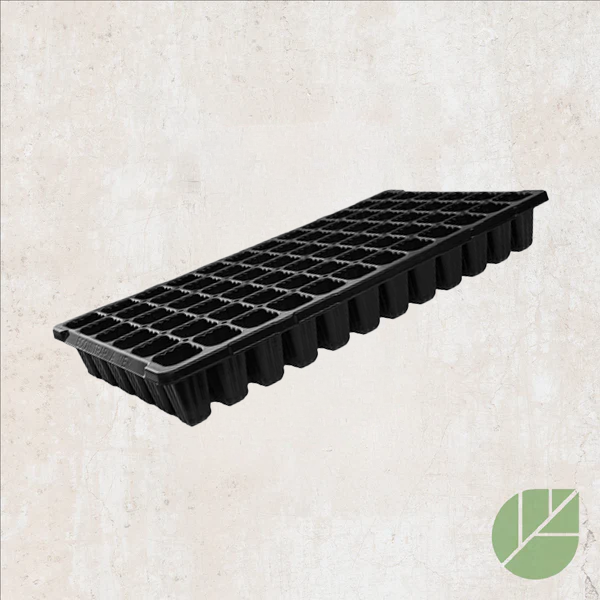
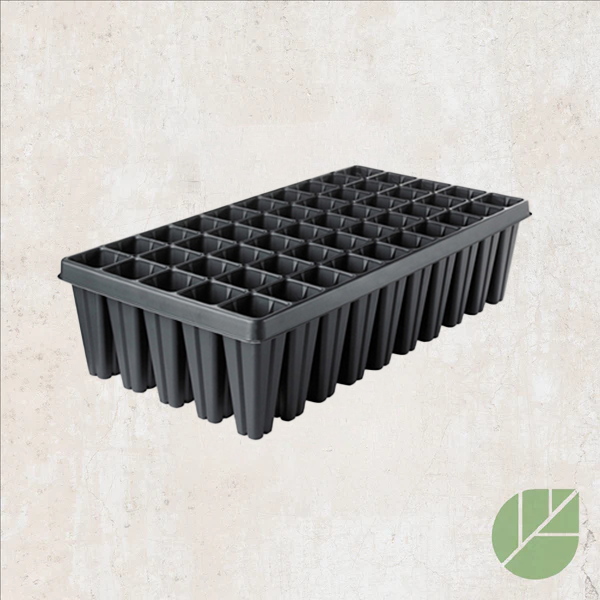
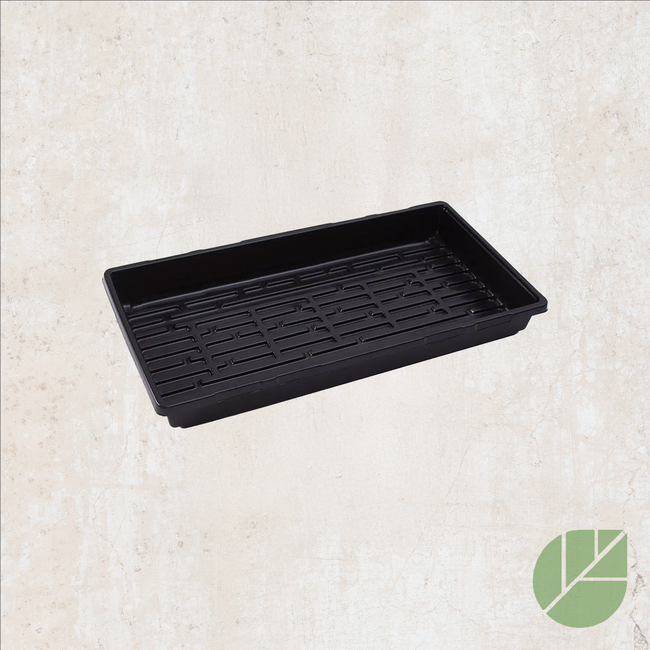

Seed Starting Soil
Shop the collectionSeed starting supplies
Shop the collection




