Plantes d’extérieur
Tout pour fleurir, cultiver et aménager votre jardin.


Trees and shrubs
Wayfaring tree
Title
Products and available quantities may vary between Brossard and Laval. To check a store’s inventory, please contact us directly.
Even better: visit us in store to discover the full selection available!
Click a product to build your selection.
Wayfaring Tree (Viburnum lantana). The Viburnum lantana, commonly known as the wayfaring tree, is a robust deciduous shrub with a dense, rounded, bushy habit, valued for its high tolerance to difficult conditions. Vigorous and adaptable, it forms a compact mass ideal for informal hedges, privacy screens, and naturalized plantings. In spring, it produces flat cymes of small, slightly fragrant, creamy-white flowers, rich in nectar and highly attractive to pollinators. Its grayish-green foliage, velvety to the touch, turns yellow to reddish-purple in autumn.
To plant a wayfaring tree, choose a suitable exposure: sun to partial shade. The recommended soil is well-drained, tolerant of limestone, ordinary, and dry. Water the root ball before planting and ensure water can drain after planting. During establishment, check the soil moisture by hand before watering again. Spread mulch around the base, leaving the crown clear. Avoid systematic fertilizer applications without considering the soil's richness. In Quebec, choose a period when the ground is thawed and easy to work.
Allow for a width of 3 m (10 ft) when planning this plant's placement in the garden. The indicated height of 3 m (10 ft) helps choose its position relative to neighboring plants. Maintain access to the base for weeding, checking moisture, and removing damaged parts. Combine this variety with plants that have compatible light and water needs. If you are considering a container, first check that its volume and drainage are suitable for root development. Roots in pots are more exposed to cold than those planted in the ground.
Soil and care
Bloom and dimensions
Wildlife and pets
Tout pour fleurir, cultiver et aménager votre jardin.
Une touche de nature, dans chaque pièce.
Tout pour fleurir, cultiver et aménager votre jardin.
Tout découvrir Potager et fines herbes
 Fleurs et vivaces
 Arbres et arbustes
 Soins et plantation
Une touche de nature, dans chaque pièce.
Tout découvrir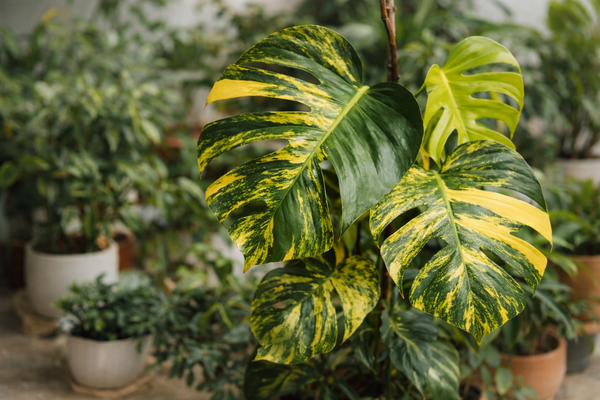 Plantes tropicales
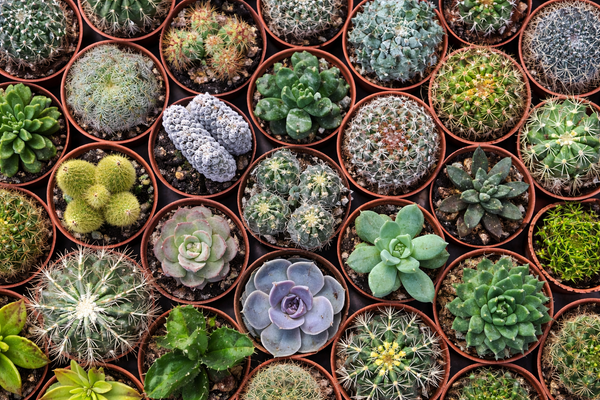 Cactus et succulentes
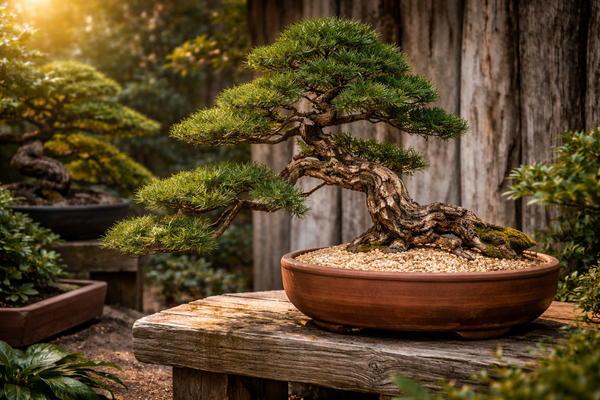 Collections spécialisées
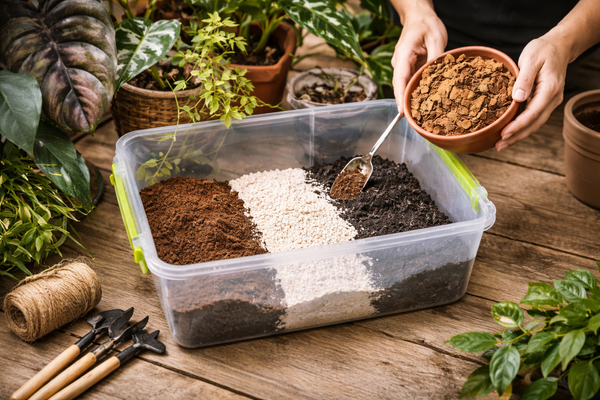 Soins et accessoires
Tout pour semer, planter et faire pousser.
Tout découvrir Semences
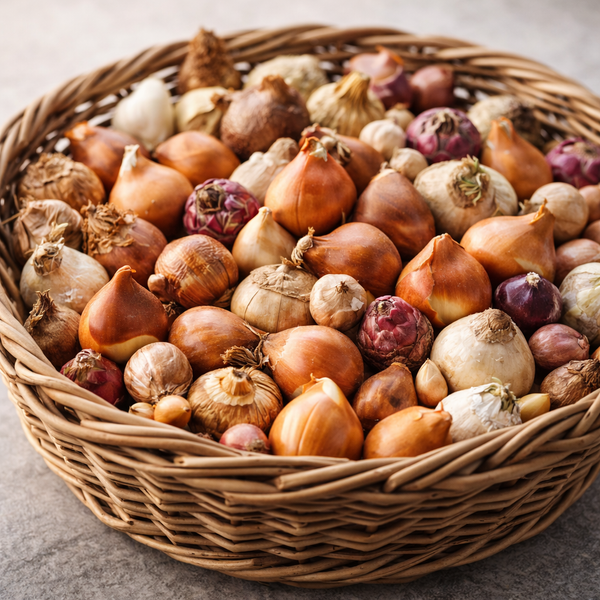 Bulbes
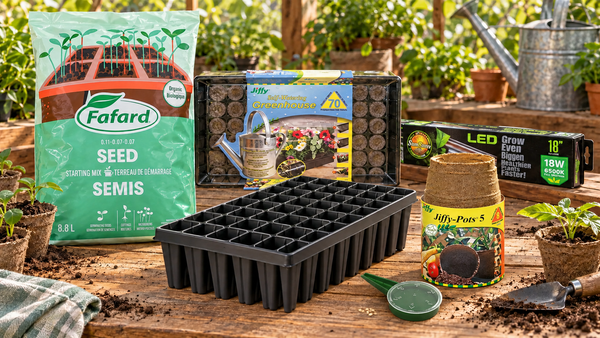 Tout pour les semis
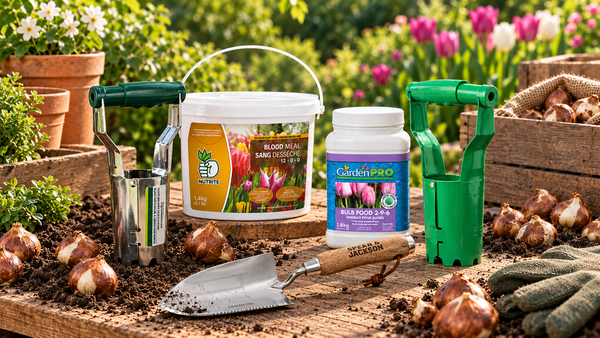 Pour planter les bulbes
Tout pour semer, nourrir et retrouver une belle pelouse.
Tout pour semer, nourrir et retrouver une belle pelouse.
Tout découvrir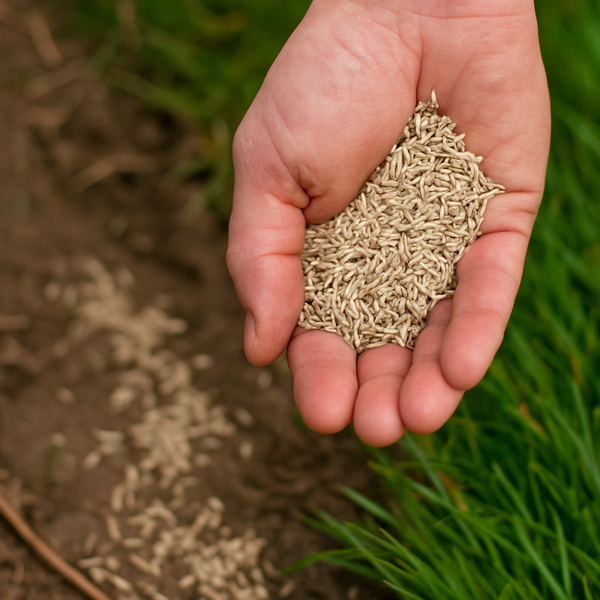 Semences à gazon
 Engrais pour gazon
 Tourbe et préparation
 Soins et traitements
Tout pour nourrir, protéger et entretenir vos plantes.
Tout pour nourrir, protéger et entretenir vos plantes.
Tout découvrir



Valide uniquement dans la succursale choisie lors de l’achat.
Choisir la carte en magasinTout pour semer, planter et faire pousser.
 Outils
 Compostage et écologie