Sale
Sold out

Viburnaceae
Trees and shrubs
Wayfaring Tree 'Mohican'
Wayfaring tree
Each store has its own inventory.
Products and available quantities may vary between Brossard and Laval. To check a store’s inventory, please contact us directly.
Even better: visit us in store to discover the full selection available!
- Exposure
- Sun to partial shade
- Hardiness
- Zone 3
Discover the plant
Common nameWayfaring tree
FamilyViburnaceae
GenusViburnum
Specieslantana
CultivarMohican
TypeShrub
Botanical nameWayfaring tree
Wayfaring Tree 'Mohican' (Viburnum lantana ‘Mohican’). Viburnum lantana 'Mohican' is a dense, deciduous shrub appreciated for its abundant flowering and decorative fruiting. This compact selection develops a rounded habit, slightly wider than tall, forming a homogeneous mass ideal for informal hedges, screens, and foundation plantings. In spring, creamy white flower clusters appear in profusion and attract pollinators. These are followed by clusters of fruits that turn from bright red to black when ripe, very decorative and appreciated by birds.
To plant Wayfaring Tree 'Mohican', choose a suitable exposure: sun to partial shade. The recommended soil is well-drained, tolerating dry to medium soils. Water the root ball before planting it and ensure that water can drain after planting. During establishment, check the moisture by hand before watering again. Spread mulch around the base, leaving the crown clear. Avoid systematic fertilizer applications without considering soil richness. In Quebec, choose a period when the ground is thawed and easy to work.
Allow a width of 3 m (10 ft) to arrange the plant's space in the garden. The indicated height of 2.5 m (8 ft) helps to choose its position relative to neighboring plants. Maintain access to the base for weeding, checking moisture, and removing damaged parts. Combine this variety with plants whose light and water needs are compatible. If you are considering a container, first check that its volume and drainage are suitable for root development. Potted roots are more exposed to cold than those planted in the ground.

Soil and care
The right care,at the right time.
Minimum temperature
'-40°C
Watering
Regular watering
Soil type
Neutral to slightly alkaline, well drained
Fertilization
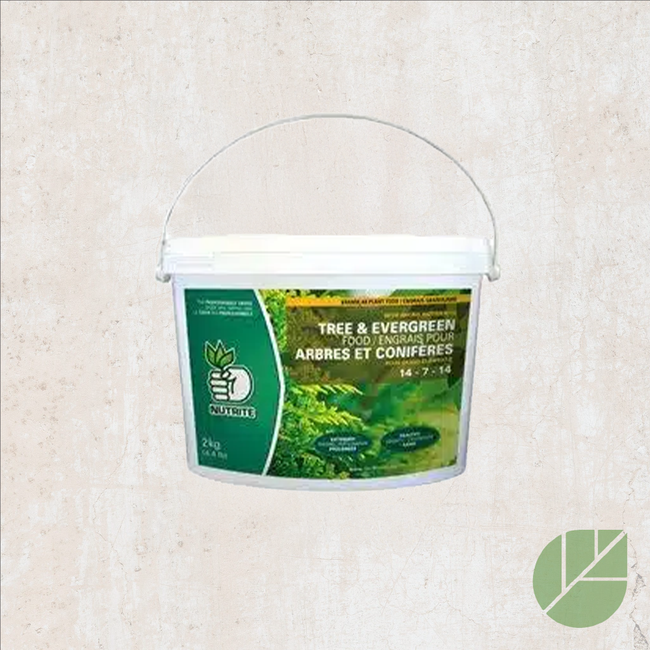
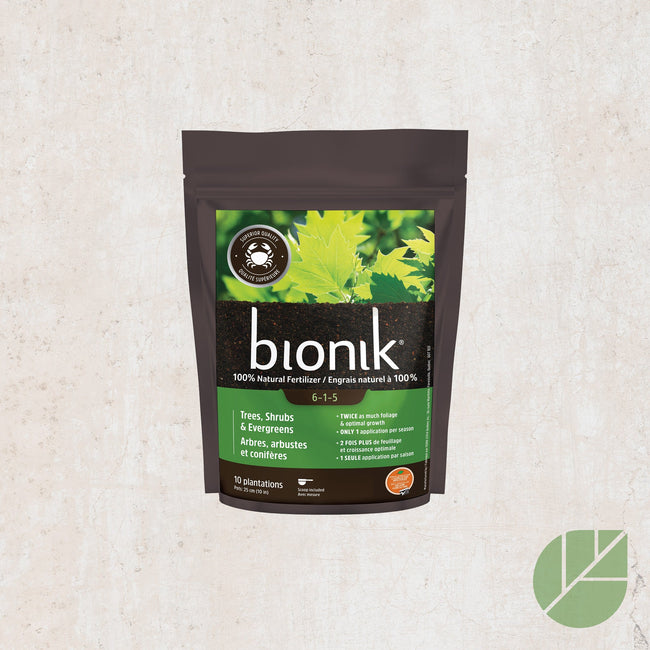
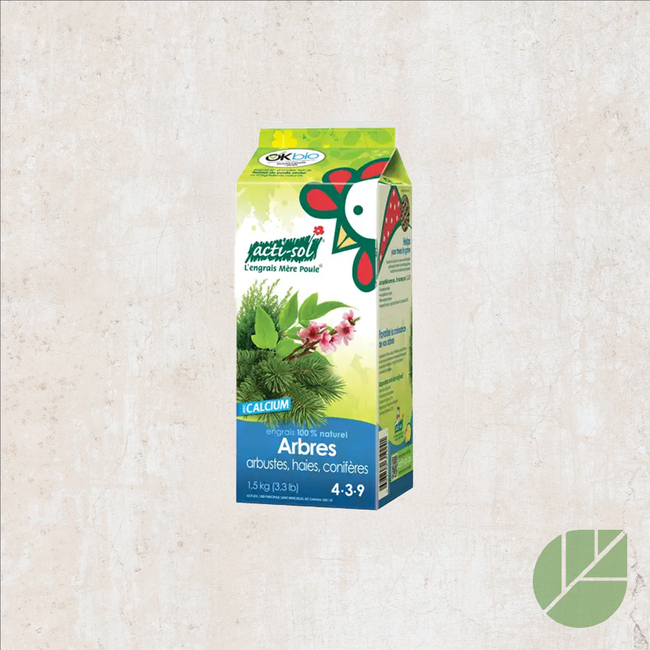
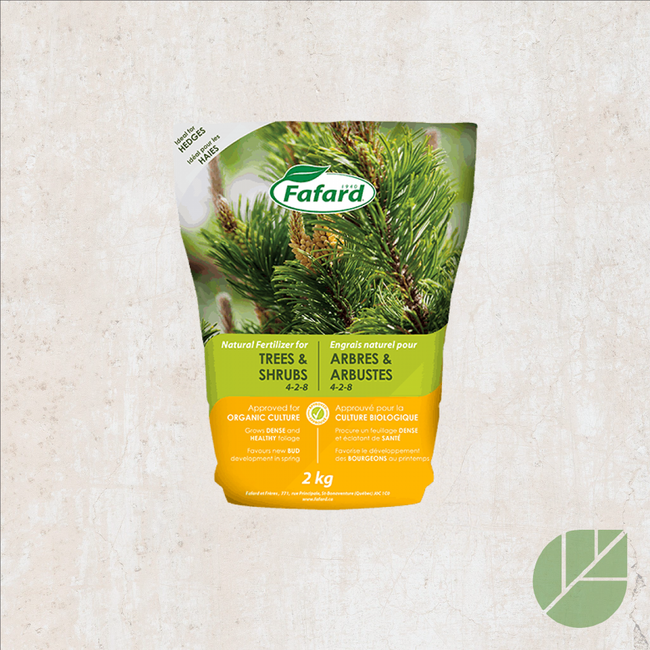
Slow-release fertilizer 14-7-14 or 4-2-8. Fertilize monthly or as directed on the bag. Add Myke at planting.
Bloom and dimensions
Its place,in your garden.
Mature height
1.5 to 2 m (5 to 7 feet)
Width / spread
2 m (6.5 ft)
Flower color
White
Foliage color
Green
Foliage type
Obsolete
Growth rate
average
Growth habit
Dense, rounded, bushy
Bloom period
Spring
Fruiting
Clusters of bright red fruit that turn black when ripe, ornamental and popular with birds
Wildlife and pets
Life,around your plants.
Supporting wildlife
Yes
For your trees, shrubs and conifers
The right extras.Right here.
Tree and Shrub Fertilizer
Shop the collection