Sale
Sold out

Viburnaceae
Trees and shrubs
Dwarf Snowball Viburnum
Viburnum opulus
- Exposure
- Sun to partial shade
- Hardiness
- Zone 2
Discover the plant
Common nameDwarf Snowball Viburnum
FamilyViburnaceae
GenusViburnum
Speciespopulus
CultivarNahum
TypeShrub
Botanical nameViburnum opulus
Dwarf Snowball Viburnum ‘Nanum’ (Viburnum opulus ‘Nanum’). Viburnum opulus ‘Nanum’ is a dwarf deciduous shrub prized for its compact habit and ease of integration into small spaces. This selection forms a dense cushion, significantly wider than it is tall, ideal for borders, front plantings, and low beds. Unlike the species type, this dwarf viburnum rarely flowers and generally does not produce fruit, but it stands out for its bright green, three-lobed foliage that takes on beautiful orange-red hues in autumn. Its rounded, regular silhouette elegantly structures landscapes without requiring frequent pruning.
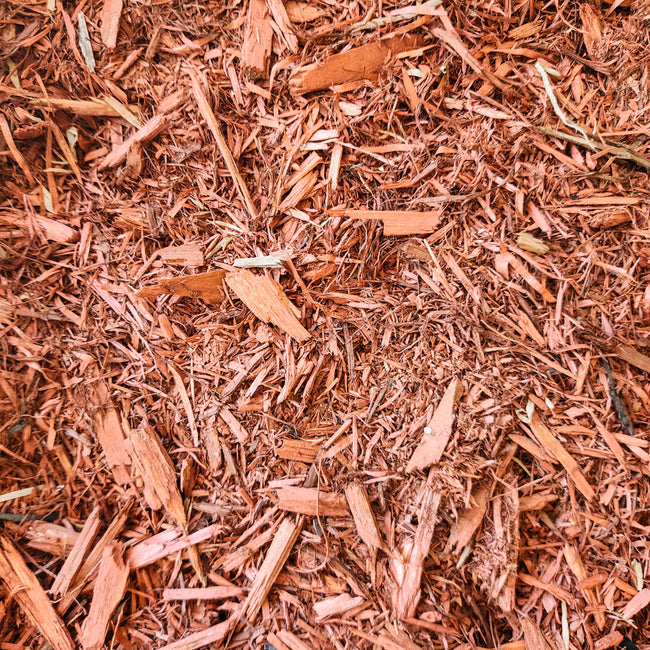
To plant Dwarf Snowball Viburnum ‘Nanum’, choose a suitable exposure: sun to partial shade. The recommended soil is well-drained, tolerating fresh to slightly moist soils. Water the root ball before planting it and ensure that water can drain after planting. During establishment, check the moisture by hand before watering again. Spread mulch around the base, leaving the collar clear. Avoid systematic fertilizer applications without considering soil richness. In Quebec, choose a period when the ground is thawed and easy to work with.
Allow a width of 1.5 m (5 ft) to organize the plant's space in the garden. The indicated height of 1 m (3.3 ft) helps in choosing its position relative to neighboring plants. Keep access to the base for weeding, checking moisture, and removing damaged parts. Associate this variety with plants whose light and water needs are compatible. If you are considering a container, first check that its volume and drainage are suitable for root development. Potted roots are more exposed to cold than those planted in the ground.

Soil and care
The right care,at the right time.
Minimum temperature
'-40°C
Watering
Regular watering
Soil type
Slightly acidic to neutral, cool and well-drained
Fertilization
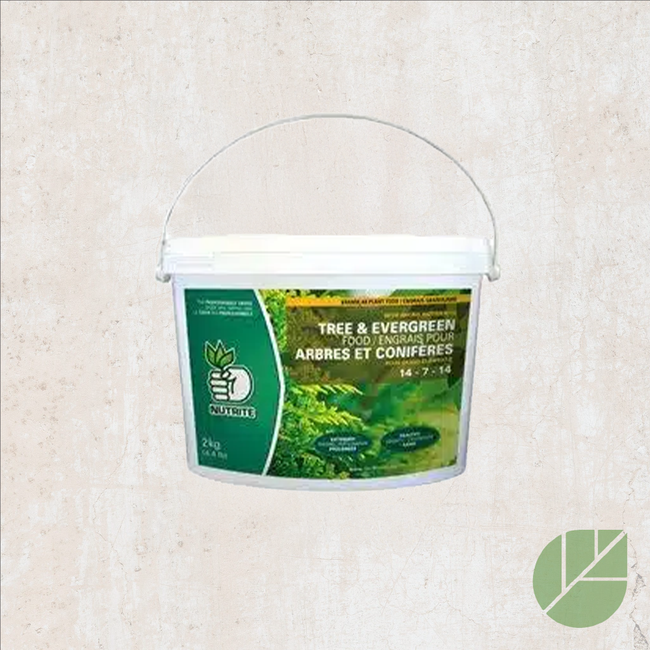
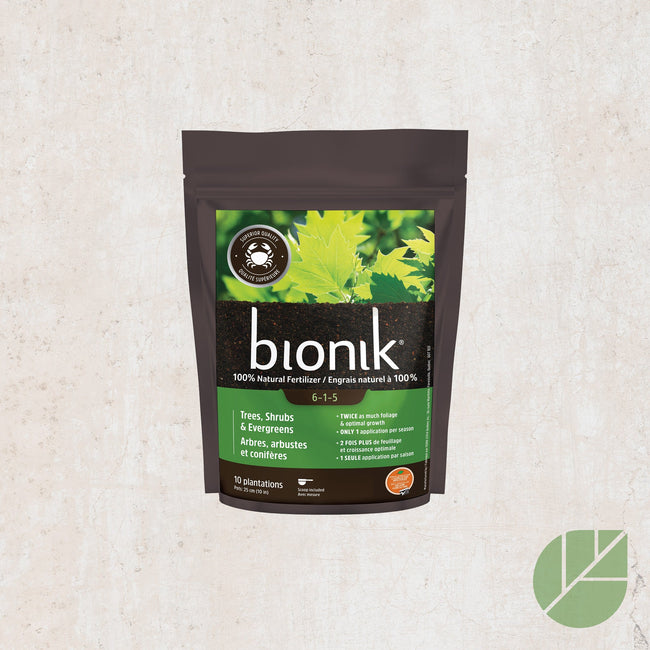
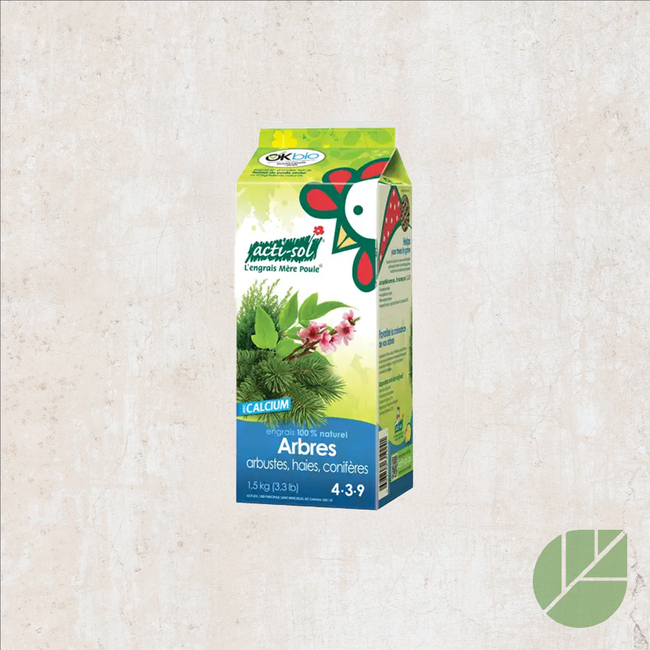
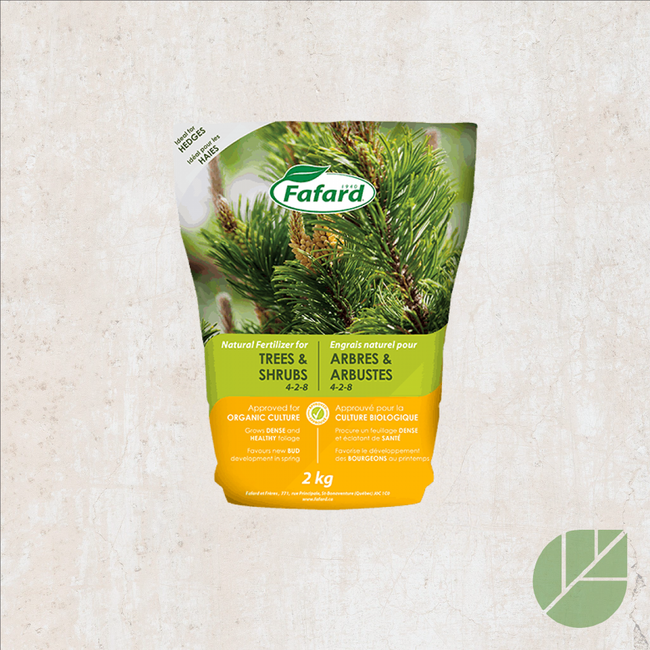
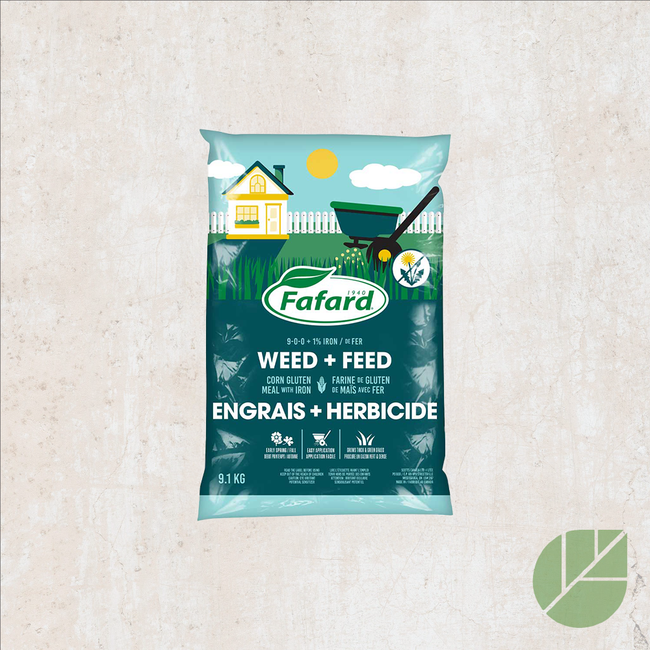
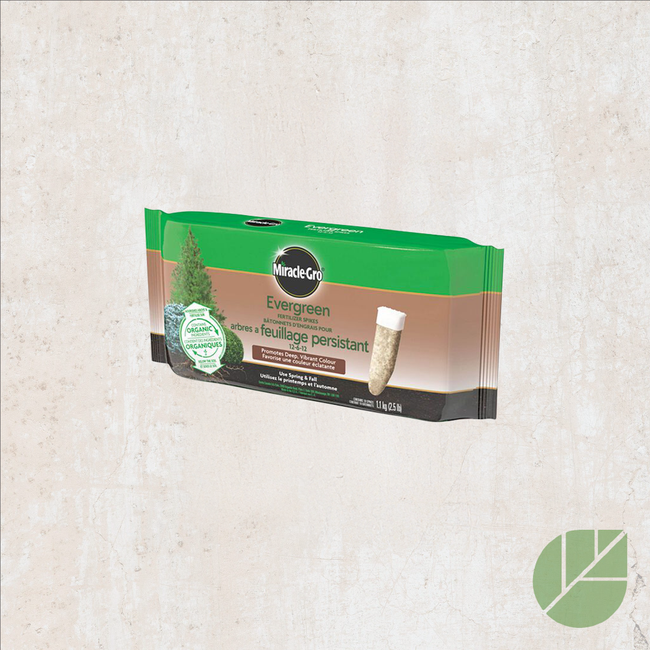
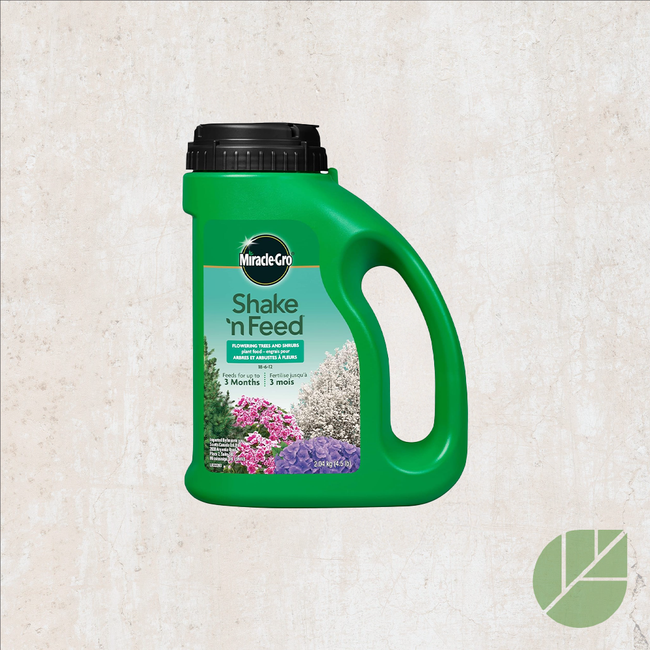
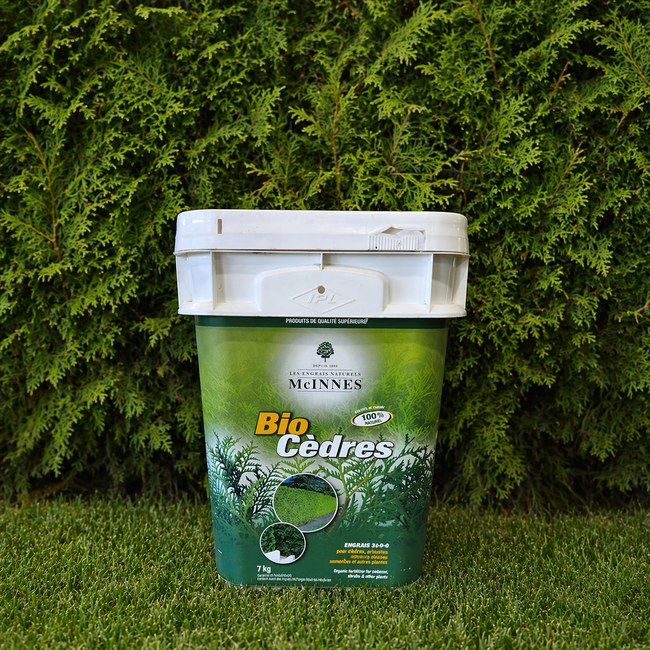
Slow-release fertilizer 14-7-14 or 4-2-8. Fertilize monthly or as directed on the bag. Add Myke at planting.
Bloom and dimensions
Its place,in your garden.
Mature height
60 to 80 cm (24 to 31 inches)
Width / spread
1 m (3 feet)
Flower color
White
Foliage color
Green
Foliage type
Obsolete
Growth rate
average
Growth habit
Compact, dense, rounded cushion
Bloom period
Spring
Fruiting
Usually sterile, does not produce fruit
Wildlife and pets
Life,around your plants.
Supporting wildlife
No
For your trees, shrubs and conifers
The right extras.Right here.
Tree and Shrub Fertilizer
Shop the collection