‘Bolloso Napoletano’ basil

Ocimum basilicum

Product code : WESTO-0013

‘Bolloso Napoletano’ basil is a basil cultivar selected for home food or ornamental gardens. It prefers full sun and moderately rich, moist soil. Direct sow once soil is warm or start indoors six weeks before transplanting. Sow about 6 mm deep. Allow 10 to 20 cm between plants; 45 cm between rows. Water regularly; basil does not tolerate drought well. For best results, label the row and observe the plants regularly as conditions change through the season. Adjust watering to rainfall, wind, container size, and the actual moisture at soil level. Good air circulation and adequate spacing help foliage dry normally after rain or irrigation. Keep the growing area free of weeds that compete for light, moisture, and nutrients.
3 99 $
Pay in 4 interest-free payments with Sezzle
Detailed plant guide
Advice adapted to Canada
Secure payment
Share
Quantity
1000 à 1500 semences
Exposure
Full sun
Life cycle
Annual

Discover the plant

Common nameBasil
FamilyLamiaceae
GenusOcimum
Speciesbasilicum
CultivarBolloso Napoletano
Typebasil
Botanical nameOcimum basilicum
Heirloom varietyYes

‘Bolloso Napoletano’ basil (Ocimum basilicum) ‘Bolloso Napoletano’ basil is distinguished by plants. It is a clearly identified basil cultivar for gardeners who value dependable sowing information and a well-labelled crop. Its botanical identity is Ocimum basilicum. Plan this variety for an herb garden, kitchen garden, or suitable container, according to its mature size and growing requirements. For best results, label the row and observe the plants regularly as conditions change through the season. Adjust watering to rainfall, wind, container size, and the actual moisture at soil level. Good air circulation and adequate spacing help foliage dry normally after rain or irrigation.

Direct sow once soil is warm or start indoors six weeks before transplanting. Sow about 6 mm deep. Keep the seedbed evenly moist through emergence. Allow 10 to 20 cm between plants; 45 cm between rows. Provide full sun and avoid standing water. A germination temperature of 18 to 21°C is appropriate for this crop. Thin crowded seedlings early and harden indoor-started plants gradually before transplanting. For best results, label the row and observe the plants regularly as conditions change through the season. Adjust watering to rainfall, wind, container size, and the actual moisture at soil level. Good air circulation and adequate spacing help foliage dry normally after rain or irrigation.

‘Bolloso Napoletano’ basil is grown for the edible portions normally harvested from this type of crop. Pick only healthy produce at the appropriate stage, handle it carefully, and rinse it according to the intended preparation. Water regularly; basil does not tolerate drought well. Keep the planting accessible for observation, watering, harvest, or grooming. Use clean tools, remove damaged material, and store unused seed in a cool, dry, dark location. Choose compatible neighbouring plants and maintain enough room for air circulation. For best results, label the row and observe the plants regularly as conditions change through the season. Adjust watering to rainfall, wind, container size, and the actual moisture at soil level.

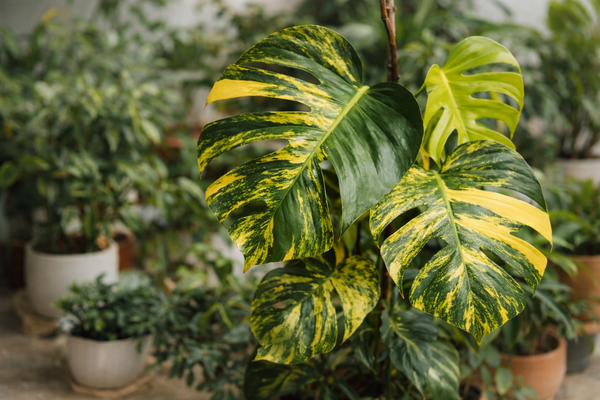
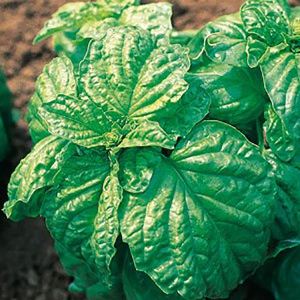
Illustration associée à Basilic Bolloso Napoletano, dans la gamme Weston. Bolloso Napoletano porte de grandes feuilles vertes, brillantes et fortement cloquées, donnant une texture généreuse aux récoltes de basilic. Le visuel permet de repérer la référence et l’aspect présenté pour cette sélection. Les dimensions et les couleurs observées au jardin dépendent du stade de croissance et des conditions de culture.

Sowing guide

It all startswith a seed.

Propagation

Seed

Growing method

Prepare a clean seedbed or containers with moderately rich, moist soil. Direct sow once soil is warm or start indoors six weeks before transplanting. Sow about 6 mm deep unless the packet gives a more specific direction. Use the following spacing as the crop develops: 10 to 20 cm between plants; 45 cm between rows. Keep the medium evenly moist during emergence without leaving it saturated. Provide full sun and good air movement. Thin crowded seedlings early so the remaining plants develop without unnecessary competition. Harden indoor-started plants gradually before transplanting them outdoors after the appropriate frost date. Water regularly; basil does not tolerate drought well. For best results, label the row and observe the plants regularly as conditions change through the season. Adjust watering to rainfall, wind, container size, and the actual moisture at soil level. Good air circulation and adequate spacing help foliage dry normally after rain or irrigation. Keep the growing area free of weeds that compete for light, moisture, and nutrients. Use clean tools for harvest and remove damaged plant material when it appears. Always follow the packet information when a variety-specific direction differs from general guidance. A simple garden label makes the cultivar easy to identify from sowing through harvest or flowering. Check young plants frequently because small moisture or pest problems are easier to address early.

Soil and care

The right care,at the right time.

Watering

Water regularly; basil does not tolerate drought well. Check moisture at soil level instead of watering only by schedule. Water gently during germination so seeds are not displaced, then direct irrigation toward the root zone. Avoid standing water and adjust frequency after rain. For best results, label the row and observe the plants regularly as conditions change through the season. Adjust watering to rainfall, wind, container size, and the actual moisture at soil level.

Soil type

‘Bolloso Napoletano’ basil performs best in moderately rich, moist soil. Loosen compacted ground before sowing and remove large stones or persistent weeds. Mature compost may improve poor soil, but avoid creating a heavy or waterlogged seedbed. For best results, label the row and observe the plants regularly as conditions change through the season. Adjust watering to rainfall, wind, container size, and the actual moisture at soil level. Good air circulation and adequate spacing help foliage dry normally after rain or irrigation. Keep the growing area free of weeds that compete for light, moisture, and nutrients.
Fertilization

Prepare the soil with mature compost when fertility is low. A light, balanced fertilizer may be used according to its label, but excessive feeding can cause weak or unbalanced growth. Observe leaf colour and plant development before adding more nutrients. Water after any application. For best results, label the row and observe the plants regularly as conditions change through the season. Adjust watering to rainfall, wind, container size, and the actual moisture at soil level.

Moisture

Régulière, sans eau stagnante

Seasonal care

At sowing time, prepare moderately rich, moist soil and follow this timing: Direct sow once soil is warm or start indoors six weeks before transplanting. Keep the surface moist until emergence, label the row, and thin seedlings according to the recommended spacing. During active growth, provide full sun and monitor soil moisture, weeds, and leaf condition. Water regularly; basil does not tolerate drought well. In warm or windy weather, check containers and exposed beds more frequently. Remove damaged material and keep enough space for air circulation. At harvest or after flowering, use clean tools and clear unhealthy debris. Healthy residue may be composted where appropriate. At the end of the season, clean containers and tools, record useful observations, and store remaining seed in a cool, dry, dark place. For best results, label the row and observe the plants regularly as conditions change through the season. Adjust watering to rainfall, wind, container size, and the actual moisture at soil level. Good air circulation and adequate spacing help foliage dry normally after rain or irrigation. Keep the growing area free of weeds that compete for light, moisture, and nutrients. Use clean tools for harvest and remove damaged plant material when it appears. Always follow the packet information when a variety-specific direction differs from general guidance. A simple garden label makes the cultivar easy to identify from sowing through harvest or flowering. Check young plants frequently because small moisture or pest problems are easier to address early.
Container growing

A garden,within reach.

Recommended pot size

Contenant drainé adapté au développement adulte; voir les conseils de culture.
Choisissez un pot accessible pour les petites coupes, avec des trous libres et assez d’espace pour conserver du feuillage après chaque prélèvement. Bolloso présente des feuilles gaufrées dont les replis retiennent facilement l’eau du rinçage. Égouttez-les soigneusement avant de hacher et récoltez les jeunes extrémités plutôt que les seules grandes feuilles du bas pour entretenir une forme ramifiée. Utilisez un terreau fertile qui garde de l’humidité sans se gorger d’eau; le basilic doit développer des racines actives pour renouveler les feuilles coupées. Vérifiez la motte avant d’arroser et évitez de mouiller inutilement les feuilles que vous comptez récolter peu après pour la cuisine. Une fertilisation mesurée respecte mieux le développement des aromatiques qu’une accumulation de produits; suivez le substrat de départ et les doses de la notice. Placez les herbes utilisées souvent près du passage vers la cuisine, tout en respectant les besoins de lumière et l’expansion propre à la plante. Récoltez avec un outil propre et laissez des points de croissance; prélevez plusieurs petites portions au lieu de dépouiller complètement un jeune sujet. À l’approche des froids, récoltez ou protégez selon l’espèce; les aromatiques ne partagent pas toutes la même capacité à passer l’hiver au Québec. Bolloso Napoletano porte de grandes feuilles vertes, brillantes et fortement cloquées, donnant une texture généreuse aux récoltes de basilic.
Illustration associée à Basilic Bolloso Napoletano, dans la gamme Weston. Bolloso Napoletano porte de grandes feuilles vertes, brillantes et fortement cloquées, donnant une texture généreuse aux récoltes de basilic. Le visuel permet de repérer la référence et l’aspect présenté pour cette sélection. Les dimensions et les couleurs observées au jardin dépendent du stade de croissance et des conditions de culture.

Bloom and dimensions

Its place,in your garden.

Mature height

46 à 61 cm (18–24 po)

Width / spread

91 à 122 cm (36–48 po)

Days to maturity

60 to 80 days

Harvest

Bolloso présente des feuilles gaufrées dont les replis retiennent facilement l’eau du rinçage.
Illustration associée à Basilic Bolloso Napoletano, dans la gamme Weston. Bolloso Napoletano porte de grandes feuilles vertes, brillantes et fortement cloquées, donnant une texture généreuse aux récoltes de basilic. Le visuel permet de repérer la référence et l’aspect présenté pour cette sélection. Les dimensions et les couleurs observées au jardin dépendent du stade de croissance et des conditions de culture.

Garden associations

In goodcompany.

Companion plants

Réunissez les aromatiques aux besoins compatibles dans une même zone, mais gardez la menthe en pot séparé et les herbes de milieu sec distinctes de celles qui demandent davantage d’eau. Placez les herbes utilisées souvent près du passage vers la cuisine, tout en respectant les besoins de lumière et l’expansion propre à la plante. Bolloso Napoletano porte de grandes feuilles vertes, brillantes et fortement cloquées, donnant une texture généreuse aux récoltes de basilic. Choisissez un pot accessible pour les petites coupes, avec des trous libres et assez d’espace pour conserver du feuillage après chaque prélèvement. Vérifiez la motte avant d’arroser et évitez de mouiller inutilement les feuilles que vous comptez récolter peu après pour la cuisine.

Recipe idea

From the gardento your plate.

Edible parts

Leaves
Pour quatre portions, utilisez 500 g (1,1 lb) de pommes de terre, 15 ml (1 c. à soupe) d’huile et 5 à 15 ml (1 à 3 c. à thé) de feuilles fraîches hachées de Basilic Bolloso Napoletano. Lavez les pommes de terre, découpez en morceaux réguliers et faites cuire dans l’eau jusqu’à tendreté. Égouttez puis mélangez avec l’huile. Rincez et séchez les feuilles aromatiques, retirez les tiges dures et hachez finement. Commencez par la plus petite quantité et goûtez avant d’en ajouter. Incorporez au moment du service pour contrôler facilement la place du parfum dans chaque portion. Bolloso se transforme en sauce hachée après un séchage soigneux des feuilles gaufrées. Ajoutez l’huile progressivement pour choisir la texture sans noyer le parfum du basilic. Refroidissez rapidement les restes dans un contenant peu profond et réfrigérez-les. Cette préparation se destine à un repas; elle ne constitue pas une méthode de conserve à température ambiante.

Frequently asked questions

Your questions,answered.

How should ‘Bolloso Napoletano’ basil be sown?
Direct sow once soil is warm or start indoors six weeks before transplanting. Prepare moderately rich, moist soil. Sow about 6 mm deep. Keep the seedbed evenly moist until emergence without saturating it. Label the row and provide full sun. Thin crowded seedlings so the final spacing follows this guidance: 10 to 20 cm between plants; 45 cm between rows. If plants are started indoors, provide strong light and harden them gradually before transplanting outdoors at the appropriate time. For best results, label the row and observe the plants regularly as conditions change through the season. Adjust watering to rainfall, wind, container size, and the actual moisture at soil level. Good air circulation and adequate spacing help foliage dry normally after rain or irrigation.
Which location is best for ‘Bolloso Napoletano’ basil?
‘Bolloso Napoletano’ basil prefers full sun and moderately rich, moist soil. Choose a location that leaves enough room for 10 to 20 cm between plants; 45 cm between rows. Avoid low spots where water remains after rain. In a container, use drainage holes and a clean growing mix. Observe how light moves across the space during the day, especially near buildings or taller plants. For best results, label the row and observe the plants regularly as conditions change through the season. Adjust watering to rainfall, wind, container size, and the actual moisture at soil level. Good air circulation and adequate spacing help foliage dry normally after rain or irrigation. Keep the growing area free of weeds that compete for light, moisture, and nutrients.
How should ‘Bolloso Napoletano’ basil be watered?
Water regularly; basil does not tolerate drought well. During germination, use a gentle spray or careful watering so seed is not displaced. After establishment, water at soil level when the surface begins to dry. Adjust frequency to rainfall, heat, wind, soil texture, and container size. Avoid standing water because roots still require oxygen. Morning watering can help foliage dry normally during the day. For best results, label the row and observe the plants regularly as conditions change through the season. Adjust watering to rainfall, wind, container size, and the actual moisture at soil level. Good air circulation and adequate spacing help foliage dry normally after rain or irrigation. Keep the growing area free of weeds that compete for light, moisture, and nutrients. Use clean tools for harvest and remove damaged plant material when it appears.
What maintenance does ‘Bolloso Napoletano’ basil need?
Keep the planting labelled, weeded, and appropriately spaced. Check young plants regularly for wilting, chewing damage, discolouration, or crowding. Provide full sun and maintain the moisture pattern described for the crop. Use clean tools, avoid deep cultivation near established roots, and remove unhealthy debris. Apply any fertilizer or pest-control product only according to its label. For best results, label the row and observe the plants regularly as conditions change through the season. Adjust watering to rainfall, wind, container size, and the actual moisture at soil level. Good air circulation and adequate spacing help foliage dry normally after rain or irrigation. Keep the growing area free of weeds that compete for light, moisture, and nutrients. Use clean tools for harvest and remove damaged plant material when it appears.
When should ‘Bolloso Napoletano’ basil be harvested?
Harvest ‘Bolloso Napoletano’ basil when the edible part reaches the stage described for the cultivar or on the packet. Pick during the cooler part of the day when practical and use clean tools. Remove damaged portions, rinse according to the intended preparation, and cool perishable produce promptly. Regular picking may extend production for crops that continue forming leaves, pods, or fruit. Stop using any plant material that appears spoiled or unidentified. For best results, label the row and observe the plants regularly as conditions change through the season. Adjust watering to rainfall, wind, container size, and the actual moisture at soil level. Good air circulation and adequate spacing help foliage dry normally after rain or irrigation.