Plantes d’extérieur
Tout pour fleurir, cultiver et aménager votre jardin.


Weston
Brassica oleracea var. capitata
Red Cabbage Sprouting Seeds (Brassica oleracea var. capitata) Red cabbage shoots add purple colour and a mild flavour to dishes. These seeds are sold for harvesting young growth using an appropriate sprouting or microgreen method.
Use the species-specific sprouting or microgreen method described on the packet. For tray growing, use a clean shallow tray and a suitable free-draining medium. If the packet specifies a rinsing method, follow its soaking, rinsing and draining directions. Keep the growing medium evenly moist without saturation, or rinse and drain according to the sprouting method you use. Avoid leaving the equipment standing in water. Provide the light and temperature recommended for the species on the packet. This is an indoor young-growth crop, so outdoor hardening and transplanting are not part of this harvest method. Indoor batches can be started throughout the year in Canada.
Harvest young shoots before any head formation. Harvest the young growth at the stage indicated on the packet. Cut tray-grown microgreens above the growing medium with a clean tool; rinse and drain jar-grown sprouts according to the method used. Follow the packet preparation directions for the species and intended dish. Keep equipment and tools clean, inspect each batch and remove deteriorating material. After harvest, clean the equipment before starting another batch. Keep unused seed cool, dry and clearly labelled.
Sowing guide
Soil and care
Container growing

Bloom and dimensions

Garden associations
Frequently asked questions
Click a product to build your selection.
Tout pour fleurir, cultiver et aménager votre jardin.
Une touche de nature, dans chaque pièce.
Tout pour fleurir, cultiver et aménager votre jardin.
Tout découvrir Potager et fines herbes
 Fleurs et vivaces
 Arbres et arbustes
 Soins et plantation
Une touche de nature, dans chaque pièce.
Tout découvrir Plantes tropicales
 Cactus et succulentes
 Collections spécialisées
 Soins et accessoires
Tout pour semer, planter et faire pousser.
Tout découvrir Semences
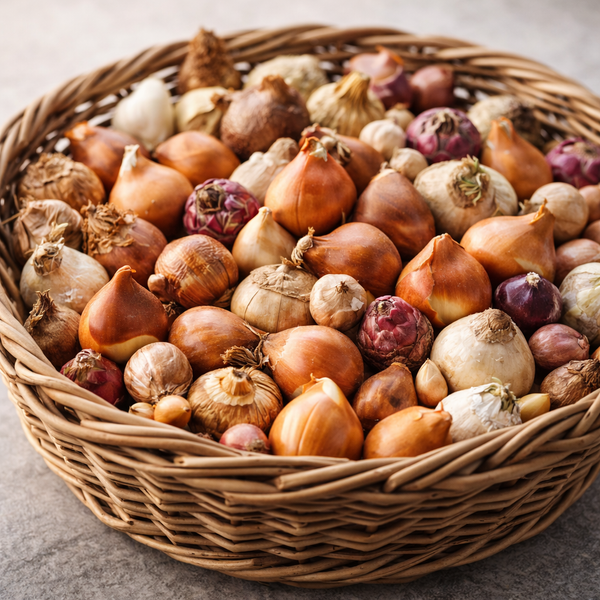 Bulbes
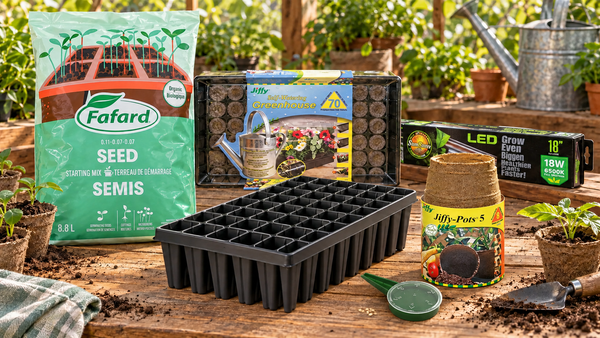 Tout pour les semis
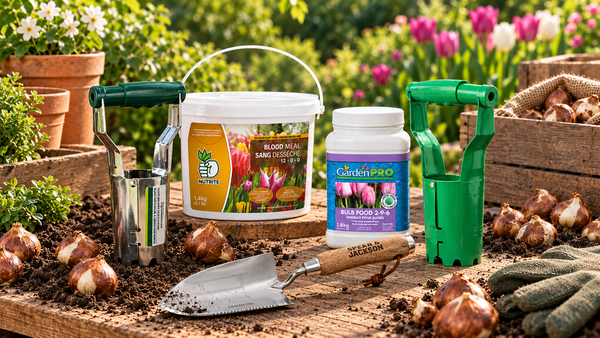 Pour planter les bulbes
Tout pour semer, nourrir et retrouver une belle pelouse.
Tout pour semer, nourrir et retrouver une belle pelouse.
Tout découvrir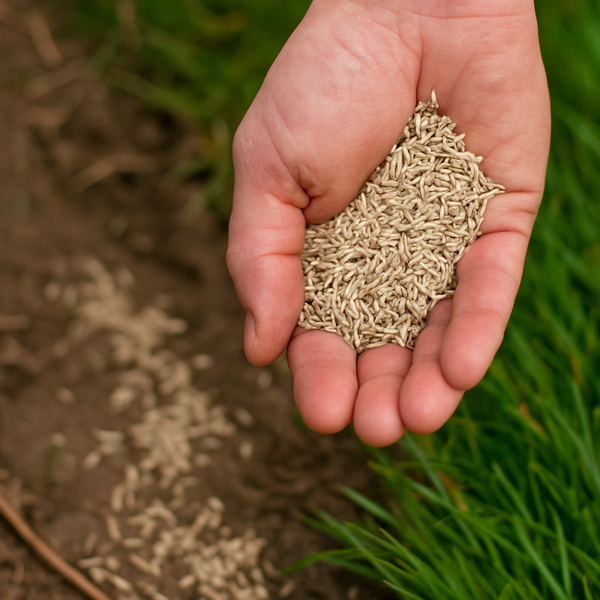 Semences à gazon
 Engrais pour gazon
 Tourbe et préparation
 Soins et traitements
Tout pour nourrir, protéger et entretenir vos plantes.
Tout pour nourrir, protéger et entretenir vos plantes.
Tout découvrir



Valide uniquement dans la succursale choisie lors de l’achat.
Choisir la carte en magasinTout pour semer, planter et faire pousser.
 Outils
 Compostage et écologie