

Sale
Sold out

Non-organic seeds, Treated seeds, coated seeds
Apiaceae
Herbs seeds
Treated Dukat dill
Anethum graveolens
Product code : 67-0510-010
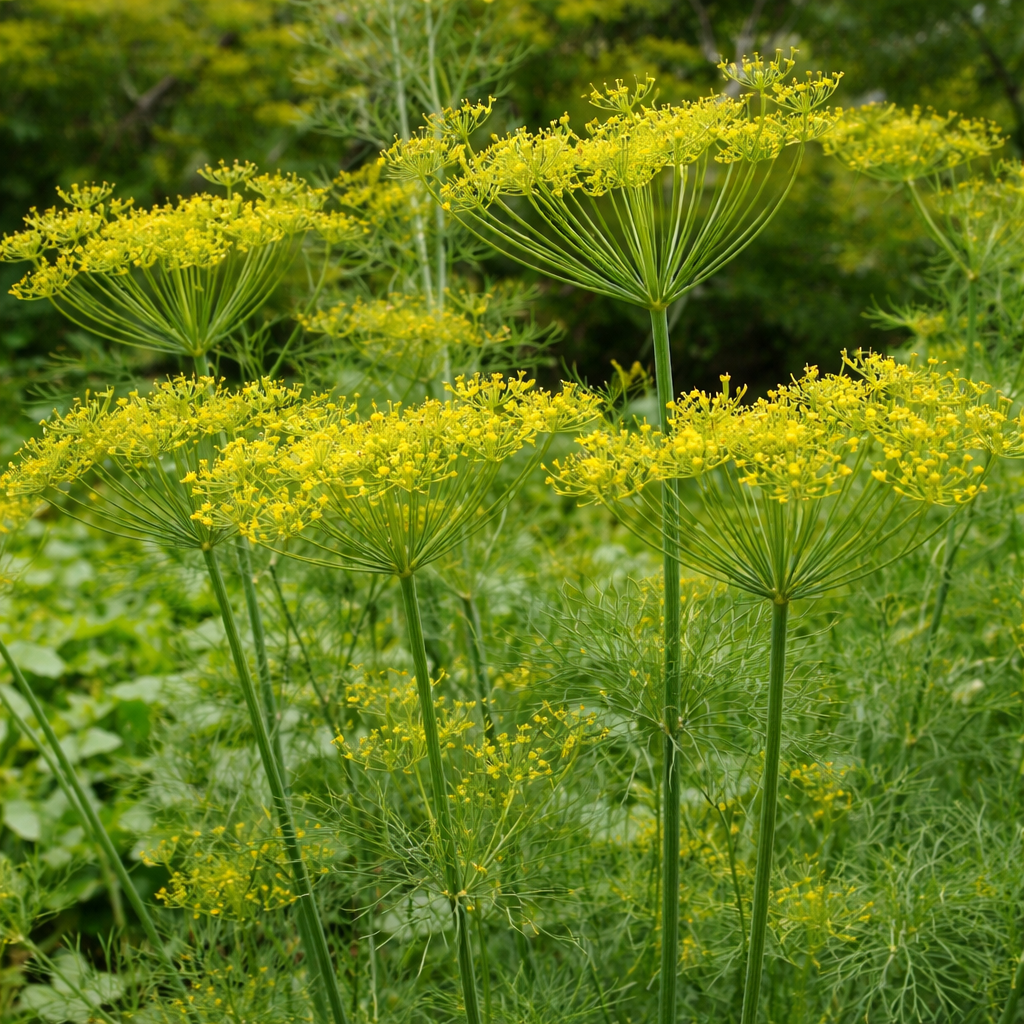
Dukat dill is a uniform annual herb grown for its pungent leaves and seeds. It produces larger umbels than ordinary varieties and reaches 60 to 75 cm tall with an approximate 30 cm spread. W.H. Perron packet 67-0510-010 contains approximately 200 treated seeds; it is not advertised as organic. Direct-sow in a container in April or in the ground near the end of May because its fragile taproot does not tolerate transplanting well. Germination takes two to four weeks. Grow in sun and light, enriched, drained soil, then water whenever the soil dries to delay premature bolting and maintain a longer leaf harvest.
- Quantity
- Approximately 200 seeds per packet
- Exposure
- Full sun
- Life cycle
- Annual
Discover the plant
Common nameTreated Dukat dill
FamilyApiaceae
GenusAnethum
Speciesgraveolens
CultivarDukat
TypeNon-organic seeds, Treated seeds, coated seeds
Botanical nameAnethum graveolens
Treated Dukat dill (Anethum graveolens) is an annual herb grown for its pungent leaves, flowers, and seeds. Its uniform habit reaches approximately 60 to 75 cm tall and spreads 30 cm. Dukat stands out for umbels larger than those of ordinary varieties, useful for both culinary harvest and visual interest in the kitchen garden. W.H. Perron packet 67-0510-010 contains approximately 200 treated seeds. The product is not advertised as organic. Fresh leaves complement fish, potatoes, cucumbers, and sauces, while flowers and mature seeds offer additional aromatic uses. Clear labelling prevents treated sowing seed from being confused with harvested culinary seed.
The fragile taproot does not tolerate transplanting well. For container culture, sow directly in April in a pot approximately 30 cm across, then provide sun and warmth; acclimate it outdoors in May. In the ground, sow near the end of May. Seeds germinate slowly over two to four weeks. Make furrows 1 cm deep and 20 cm apart, place one seed every 5 cm, cover, firm gently, and water. When seedlings carry two or three leaves, thin to one plant every 15 to 20 cm. Avoid moving young plants because transplant stress accelerates flowering and shortens the useful leaf harvest.
Grow Dukat in full sun and light, well-drained soil. Loosen compact ground with sand and potting mix, then incorporate compost or a manure-and-seaweed amendment at planting. Water when soil dries to prevent premature bolting. Harvest leaves as needed; their flavour is especially pronounced during flowering. Dry or freeze them for storage. For seed harvest, wait until umbels turn brown and dry, then rub them over a paper bag. Broccoli, cabbage, Brussels sprouts, cauliflower, cucumber, gherkin, and turnip are companions; keep carrot, parsnip, and parsley away. Collect only seed produced by the plant, never treated seed from the retail packet.

Sowing guide
It all startswith a seed.
Sowing depth
1 cm
Spacing / density
One seed every 5 cm; thin to 15–20 cm; rows 20 cm apart
Germination temperature
Spring temperature; no precise value published
Germination time
Two to four weeks
Sowing period
Direct in containers in April; in-ground near the end of May
Propagation
Seed
Growing method
For best results with Treated Dukat dill, follow the confirmed sowing information and observe growth at each stage. Treated Dukat dill is a herbs variety offered as seed for gardeners who want clear, practical product information. Confirmed details include maturity: Annual; progressive leaf, flower, and seed harvest, height: 60 to 75 cm, spread: 30 cm. The packet contains approximately 200 seeds, and the formulation is non-organic seeds, treated seeds, coated seeds. For best results, follow the sowing, light, and spacing information associated with this variety. You can adjust care to your soil, weather, and observed growth without exceeding the plant’s actual needs. Dukat 60-75 30 Grown for its pungent leaves and seeds. Has a uniform plant habit with larger umbels than other varieties. It is best to adapt care to your garden’s microclimate instead of following a fixed watering schedule in every situation. A suitable mulch can help stabilize moisture, reduce soil splash, and limit competition from weeds around established plants. Growth is worth checking after major changes in temperature, light exposure, rainfall, or watering frequency. You can keep the labelled packet until harvest or flowering so the variety details remain easy to consult.
Soil and care
The right care,at the right time.
Soil pH
À confirmer — aucun pH précis indiqué par W.H. Perron
Minimum temperature
Annual; protect young plants from frost
Care level
Easy; no particular maintenance
Watering
Water gently after sowing and keep the area consistently moist through the two-to-four-week germination period. After thinning, wait until the surface begins drying, then water deeply at soil level. Prolonged drought or abrupt moisture changes encourage premature bolting and shorten the leaf harvest. In containers, check daily during hot weather. Always empty the saucer and avoid unnecessarily wetting umbels as they mature. Adjust frequency to soil texture, rainfall, temperature, and plant size rather than following a fixed calendar.
Soil type
Dukat prefers light, well-drained soil. If the ground is compact, loosen it with sand and potting mix so the taproot can descend without obstruction. Before sowing, incorporate mature compost or a manure-and-seaweed amendment. Avoid standing water and surface crusting that slows emergence. In containers, use porous mix and provide several drainage holes. Keep the bed evenly moist during slow germination, then allow the surface to begin drying between waterings.
Fertilization
Incorporate mature compost or a manure-and-seaweed amendment before sowing, as W.H. Perron recommends. This preparation is generally sufficient for an annual herb. Avoid repeated nitrogen feeding, which may create overly soft foliage and weaker stems. In containers, use a low dose of balanced fertilizer after establishment only when needed. Always fertilize moist mix and observe growth before repeating. Consistent water and adequate light matter more than heavy feeding for uniform, aromatic Dukat plants.
Moisture
Consistent without saturation; water when soil dries
Seasonal care
Seasonal care for Treated Dukat dill relies on regular observation, measured intervention, and respect for its growth cycle. Treated Dukat dill is a herbs variety offered as seed for gardeners who want clear, practical product information. Confirmed details include maturity: Annual; progressive leaf, flower, and seed harvest, height: 60 to 75 cm, spread: 30 cm. The packet contains approximately 200 seeds, and the formulation is non-organic seeds, treated seeds, coated seeds. For best results, follow the sowing, light, and spacing information associated with this variety. You can adjust care to your soil, weather, and observed growth without exceeding the plant’s actual needs. Dukat 60-75 30 Grown for its pungent leaves and seeds. Has a uniform plant habit with larger umbels than other varieties. It is best to adapt care to your garden’s microclimate instead of following a fixed watering schedule in every situation. A suitable mulch can help stabilize moisture, reduce soil splash, and limit competition from weeds around established plants. Growth is worth checking after major changes in temperature, light exposure, rainfall, or watering frequency. You can keep the labelled packet until harvest or flowering so the variety details remain easy to consult. Measured care based on the plant’s condition generally supports better balance than unnecessary routine treatments. For containers, drainage and soil volume directly influence moisture stability around the roots and the frequency of watering.
Container growing
A garden,within reach.
Recommended pot size
Container approximately 30 cm wide and deep
Treated Dukat dill can be considered for a container when volume, drainage, and light match the expected growth. Treated Dukat dill is a herbs variety offered as seed for gardeners who want clear, practical product information. Confirmed details include maturity: Annual; progressive leaf, flower, and seed harvest, height: 60 to 75 cm, spread: 30 cm. The packet contains approximately 200 seeds, and the formulation is non-organic seeds, treated seeds, coated seeds. For best results, follow the sowing, light, and spacing information associated with this variety. You can adjust care to your soil, weather, and observed growth without exceeding the plant’s actual needs. Dukat 60-75 30 Grown for its pungent leaves and seeds. Has a uniform plant habit with larger umbels than other varieties. It is best to adapt care to your garden’s microclimate instead of following a fixed watering schedule in every situation. A suitable mulch can help stabilize moisture, reduce soil splash, and limit competition from weeds around established plants. Growth is worth checking after major changes in temperature, light exposure, rainfall, or watering frequency. You can keep the labelled packet until harvest or flowering so the variety details remain easy to consult.

Bloom and dimensions
Its place,in your garden.
Mature height
60 to 75 cm (23.6 to 29.5 in)
Width / spread
30 cm (11.8 in)
Flower color
Greenish yellow to yellow
Foliage color
Green
Foliage type
Very finely divided green foliage
Growth rate
Moderate; slow germination over two to four weeks
Growth habit
Uniform, upright, finely branched habit
Fragrance
Pungent characteristic dill aroma
Bloom period
Dukat forms large greenish-yellow to yellow umbels in summer, larger than those of ordinary varieties. Leaves are especially pungent during this period. Harvest several clean flowers for cooking and allow other umbels to mature. For seed, wait until heads turn brown and dry, then cut them in dry weather. Consistent watering whenever soil dries helps prevent flowering too early. The open umbels also provide accessible landing and feeding sites for small beneficial insects.
Days to maturity
Annual; progressive leaf, flower, and seed harvest
Harvest
Leaves as needed; brown dry umbels for seed
Garden associations
In goodcompany.
Companion plants
Broccoli, cabbage, Brussels sprouts, cauliflower, cucumber, gherkin, and turnip are companions listed by W.H. Perron. Position them far enough away for Dukat to receive full sun and for its roots to remain undisturbed during maintenance. Umbels may attract small beneficial insects useful in the vegetable garden. Keep carrot, parsnip, and parsley in another section. Companion planting does not replace rotation, watering, or regular observation for pests and disease. Preserve access for leaf and seed harvest. Observe weekly and adapt care to weather, drainage, and the plant’s actual stage.
Recipe idea
From the gardento your plate.
Edible parts
Leaves, flowers, and seed produced by the plant
After harvesting Treated Dukat dill, use only the specified edible parts, washed carefully and gathered at the proper stage. Treated Dukat dill is a herbs variety offered as seed for gardeners who want clear, practical product information. Confirmed details include maturity: Annual; progressive leaf, flower, and seed harvest, height: 60 to 75 cm, spread: 30 cm. The packet contains approximately 200 seeds, and the formulation is non-organic seeds, treated seeds, coated seeds. For best results, follow the sowing, light, and spacing information associated with this variety. You can adjust care to your soil, weather, and observed growth without exceeding the plant’s actual needs. Dukat 60-75 30 Grown for its pungent leaves and seeds. Has a uniform plant habit with larger umbels than other varieties. It is best to adapt care to your garden’s microclimate instead of following a fixed watering schedule in every situation. A suitable mulch can help stabilize moisture, reduce soil splash, and limit competition from weeds around established plants.
Frequently asked questions
Your questions,answered.
When and how should Dukat be sown?
For container culture, direct-sow in April in a pot approximately 30 cm across, provide sun and warmth, then acclimate it outdoors in May. In the ground, sow near the end of May. Make furrows 1 cm deep and 20 cm apart, place one seed every 5 cm, cover, firm, and water. Germination takes two to four weeks. When seedlings have two or three leaves, thin to 15–20 cm without transplanting extras. Keep soil moist during emergence, then water when the surface dries to delay premature bolting and preserve the leaf harvest. Observe weekly and adapt care to weather, drainage, and the plant’s actual stage.
How many seeds are in the packet, and are they treated?
W.H. Perron packet 67-0510-010 contains approximately 200 seeds. The official formulation is treated, but the supplier does not identify the substance or process used and does not state a separate coating. The product is not advertised as organic. Never eat seed from the packet, and keep it in its original packaging beyond the reach of children and animals. Store the closed packet in a cool, dry place and wash your hands after sowing. Seed later harvested from mature plants is different from the commercial treated sowing seed: it may be used in cooking or saved for another sowing when it is fully mature, thoroughly dried, and clearly labelled.
How should Treated Dukat dill be watered?
Before watering Treated Dukat dill, check the growing medium and foliage so frequency reflects current conditions. Treated Dukat dill is a herbs variety offered as seed for gardeners who want clear, practical product information. Confirmed details include maturity: Annual; progressive leaf, flower, and seed harvest, height: 60 to 75 cm, spread: 30 cm. The packet contains approximately 200 seeds, and the formulation is non-organic seeds, treated seeds, coated seeds. For best results, follow the sowing, light, and spacing information associated with this variety. You can adjust care to your soil, weather, and observed growth without exceeding the plant’s actual needs.
How are leaves and seed harvested?
Cut leaves as needed with clean scissors without stripping one plant completely. W.H. Perron states that their flavour is particularly pronounced during flowering. Use them fresh, dry them, or freeze them. Flowers are also edible. For seed, let selected umbels turn brown and dry, then cut them in dry weather over a paper bag. Rub gently between your hands to release seed. Dry further if necessary and store in a labelled container. Never confuse this harvested seed with treated sowing seed from the commercial packet, which must not be consumed. Observe weekly and adapt care to weather, drainage, and the plant’s actual stage.
Can Dukat be grown in a container?
Yes. Choose a container approximately 30 cm wide and deep with several holes. Direct-sow in April at 1 cm because the taproot does not tolerate transplanting well. Provide sun and warmth, keep moist during germination, then thin to 15–20 cm. Move the pot outdoors gradually in May to acclimate plants. Water whenever the surface dries until excess drains, and empty the saucer. Harvest leaves progressively and let one plant develop umbels when flowers or seed are desired. Keep treated sowing seed beyond the reach of children and animals, and label harvested seed separately. Observe weekly and adapt care to weather, drainage, and the plant’s actual stage.
For a great start to your seeds
The right extras.Right here.
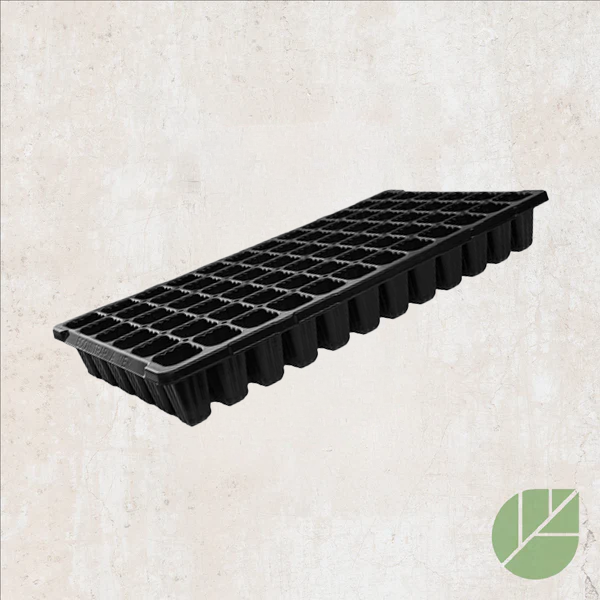
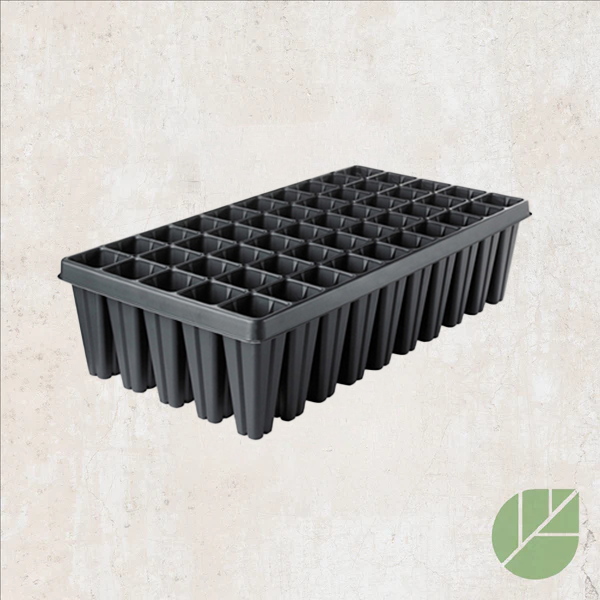
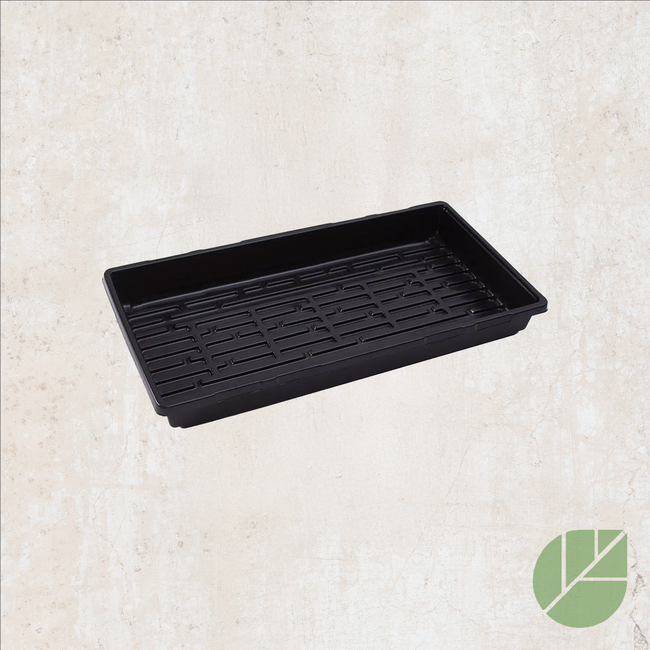
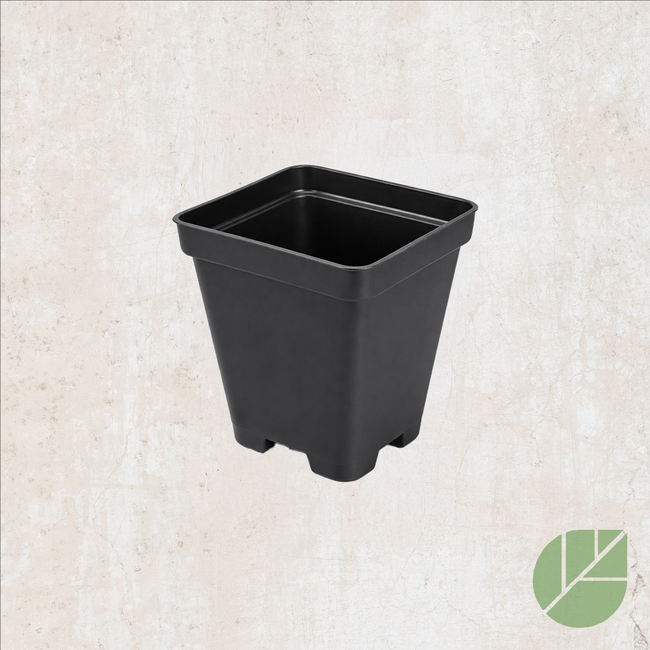
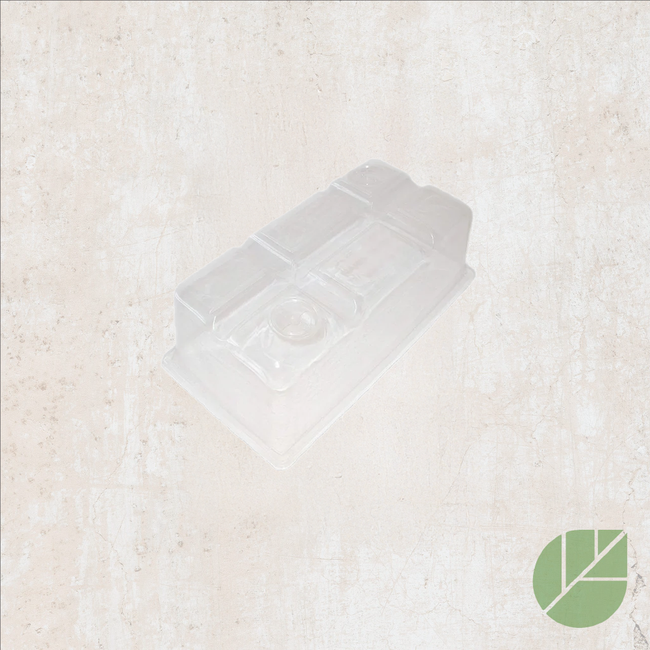
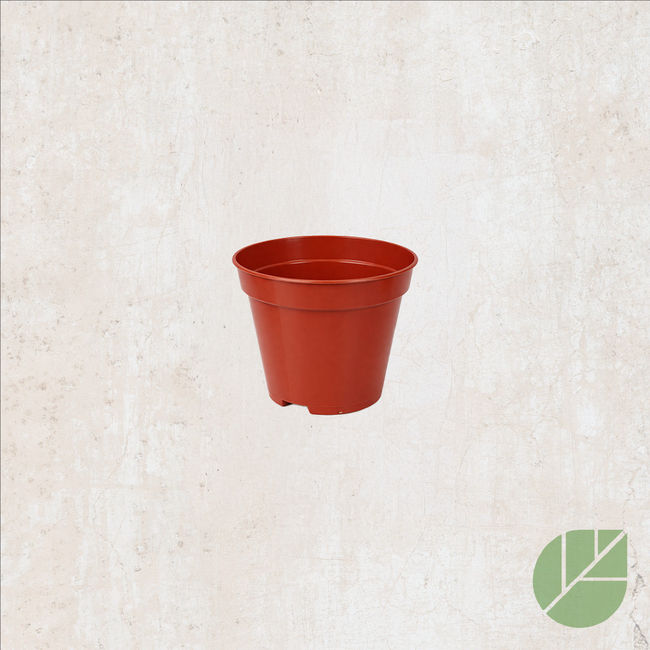
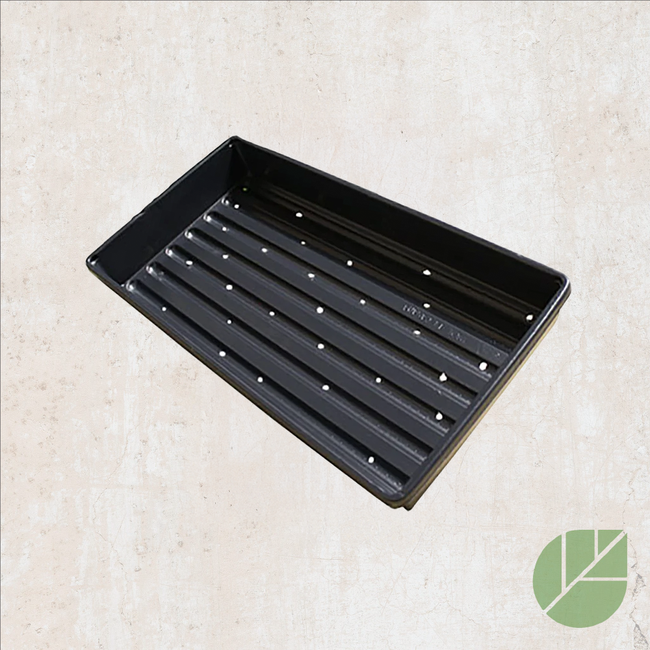
Platters, pots and domes
Shop the collection
Seed Starting Soil
Shop the collectionSeed starting supplies
Shop the collection




