Sale
Sold out

Non-organic seeds, Untreated seeds, coated seeds
Asteraceae
Ornamental flowers seeds
Untreated common chamomile
Matricaria chamomilla
Product code : 67-1710-01N
Common chamomile is a highly floriferous annual equivalent to German chamomile, forming light clumps 40 to 50 cm high and 15 to 20 cm wide. Its many aromatic white flowers with yellow centres are harvested for infusions. W.H. Perron packet 67-1710-01N contains approximately 500 untreated seeds; the product is not advertised as organic. Surface-sow indoors in April or directly in May and June because seeds require light. Space plants 25 to 30 cm apart in sun or partial shade. Leave several flower heads to mature when spontaneous reseeding is desired, and harvest the remaining heads while freshly opened and dry.
- Quantity
- Approximately 500 seeds per packet
- Exposure
- Full sun to partial shade
- Life cycle
- Perennial
Discover the plant
Common nameUntreated common chamomile
FamilyAsteraceae
GenusMatricaria
Specieschamomilla
CultivarCommon
TypeNon-organic seeds, Untreated seeds, coated seeds
Botanical nameMatricaria chamomilla
Untreated common chamomile (Matricaria chamomilla) Untreated common chamomile is an ornamental flowers variety offered as seed for gardeners who want clear, practical product information. Confirmed details include height:, spread:, colour: whitehes. You can adjust care to your soil, weather, and observed growth without exceeding the plant’s actual needs. Chamomile 40-50 15-20 Camomile produces a multitude of flowers and is quite popular for tea infusions. A suitable mulch can help stabilize moisture, reduce soil splash, and limit competition from weeds around established plants. Growth is worth checking after major changes in temperature, light exposure, rainfall, or watering frequency.
The packet contains approximately 500 seeds, and the formulation is non-organic seeds, untreated seeds, coated seeds. For best results, follow the sowing, light, and spacing information associated with this variety. Measured care based on the plant’s condition generally supports better balance than unnecessary routine treatments. For containers, drainage and soil volume directly influence moisture stability around the roots and the frequency of watering. In the garden, an accessible position makes observation, occasional watering, harvesting, and timely maintenance easier. It is recommended to remove only damaged material while retaining healthy foliage needed for continued growth.
Results may vary with weather, sowing date, soil quality, and the number of hours of useful light each day. This approach helps gardeners enjoy the variety’s confirmed qualities without adding more maintenance than the plant requires. For best results, check the growing medium before watering and adjust frequency to the actual conditions around the plant. You can review foliage and new growth each week to notice water stress, slowed development, or damage at an early stage. Good air movement and spacing that follows the product information support steady development throughout the growing season.

Sowing guide
It all startswith a seed.
Sowing depth
Surface sow; do not cover, light required
Spacing / density
Thin or transplant 25–30 cm apart; mature width 15–20 cm
Germination temperature
18 to 21°C
Germination time
7 to 14 days with light and even moisture
Sowing period
Indoors in April; direct sowing in May or June after frost risk
Propagation
Seed
Growing method
For early flowering, sow in April in clean, porous, well-drained mix. Scatter the tiny seeds on the surface, press lightly, and do not cover because they require light. Moisten with mist or from below so seeds are not displaced. Maintain 18 to 21°C and even moisture through emergence. Then provide strong light and gentle airflow. Harden plants gradually before transplanting them 25 to 30 cm apart. For direct sowing, plant in May or June after frost in level soil enriched with decomposed compost. Keep the surface moist, then thin without pulling neighbours. Place in sun or partial shade. Harvest freshly opened flowers with clean scissors and leave several heads to mature for reseeding. Label every section so spontaneous seedlings can be distinguished from weeds the following spring. During growth, water at soil level when the surface dries, weed by hand, and avoid nitrogen-rich fertilizer that produces soft stems. Inspect leaves and heads weekly. Harvest after dew evaporates, remove damp or spotted flowers immediately, and place the remainder on a clean screen. In late summer, choose between cutting heads before maturity to limit spreading or leaving several to dry for spontaneous seedlings. Record every date, keep batches separate, and retain packet identification until drying and storage checks are complete. Remove diseased plants before their seed matures.
Soil and care
The right care,at the right time.
Soil pH
Approximately 6.0 to 7.5
Minimum temperature
Protect from frost
Care level
Easy
Watering
Keep the surface evenly moist during germination with a fine mist or bottom watering so seeds are not buried. After establishment, water when the first centimetres begin to dry. Chamomile tolerates a short dry period, but regular moisture supports flowering. Avoid standing water, forceful streams, and wet foliage in the evening. Check containers more often and always empty their saucers. Reduce irrigation during cool or rainy weather. Record rainfall and inspect soil before following any fixed schedule.
Soil type
Common chamomile adapts to many soils provided drainage is adequate. Indoors, use fine, porous, clean seed-starting mix to limit excess water around the tiny seeds. In the garden, loosen the surface and incorporate well-decomposed compost without making the soil excessively rich. Do not bury seed; simply press it against the level surface, then maintain light, consistent moisture until emergence. Avoid crusted or waterlogged ground because delicate seedlings can be smothered before establishment.
Fertilization
Incorporate a small amount of well-decomposed compost before sowing or planting. Very rich soil and repeated nitrogen feeding can produce soft stems at the expense of flowers. Observe growth before adding fertilizer; ordinary soil generally needs no further input. In containers, use only diluted balanced feeding if foliage pales despite correct pH, drainage, and watering. Keep every product away from flowers intended for food and follow its label. Record applications to prevent accidental duplication.
Moisture
Moderate; avoid saturation
Seasonal care
In spring, level drained soil, add mature compost, and prepare surface-sowing areas. Indoors, monitor moisture and light daily. Harden plants before setting them outside, or thin direct sowings to keep 25 to 30 cm between plants. In early summer, weed gently because young chamomile seedlings are fine. Water at soil level and use a discreet support only when wind flattens stems. Harvest open flowers regularly to extend production and dry them promptly in a thin layer. In late summer, choose several sound heads to mature when reseeding is desired. Then cut dry stems and remove diseased tissue. Label the site so spontaneous seedlings can be recognized the following spring. Clean scissors, inspect dried batches, and discard every damp, mouldy, or unusually scented flower. Record sowing, first flowering, harvest, and end-of-production dates. Rotate collection areas when disease persists. If heavy rain flattens stems, lift them with loose support and wait until they dry completely before harvesting. Compare several sowing dates to extend flowering. At storage time, wash and dry screens, then inspect airtight containers again. The following spring, thin spontaneous seedlings promptly so they do not compete with other herbs and remove those appearing in areas not intended for food use. Confirm identity before retaining any volunteer plant. Replace labels faded by weather, and note whether seedlings came from intentional seed saving or natural dispersal.
Container growing
A garden,within reach.
Recommended pot size
Pot 20 to 25 cm deep, approximately 5 to 10 L
Choose a pot 20 to 25 cm deep with several drainage holes, wide enough for one plant or a well-thinned small group. Fill it with porous, draining mix. Surface-sow, press gently, and keep moist under bright light. After emergence, thin for good airflow. Place in sun or partial shade and rotate when light is uneven. Water as the surface begins to dry without leaving water in the saucer. Cut flowers with clean scissors and allow several heads to mature only when spontaneous seedlings are acceptable. Check moisture daily during heat and protect the pot from rain that may flatten stems or wet flowers ready for harvest. Label the container with packet code and sowing date. Remove dead stems after the annual cycle ends and clean the pot before reuse. Harvest during a dry morning and carry flowers immediately to an airy drying area. If stems become tall or soft, increase light rather than fertilizer. Allow only several heads to mature because many seeds may fall into neighbouring pots. After the annual cycle ends, empty debris, wash the container, and replace part of the mix before another crop. Store remaining seed dry and record its year. Inspect drainage after every storm, keep the pot stable in wind, and avoid placing food-use flowers beside ornamental plants receiving incompatible treatments.

Bloom and dimensions
Its place,in your garden.
Mature height
40 to 50 cm (15.7 to 19.7 in)
Width / spread
15 to 20 cm (5.9 to 7.9 in)
Flower color
White rays around a yellow centre
Foliage color
Green
Foliage type
Finely divided green foliage
Growth rate
Fast after establishment
Growth habit
Light, upright, branching annual clump
Fragrance
Herbal, gentle, characteristic chamomile aroma
Bloom period
Numerous white flowers with yellow centres open during summer. Harvest them young and freshly opened after dew evaporates. Regular cutting encourages additional buds, while several heads left in place mature and release seed. Flowers attract small pollinators, so avoid treatments during their activity and harvest only correctly identified plants grown without products incompatible with food use. Dry each batch promptly and separately.
Days to maturity
Annual cycle; summer flowering, no official day count
Harvest
Harvest aromatic parts as needed without completely stripping the plant. Use a clean tool for a neat cut.

Garden associations
In goodcompany.
Companion plants
Garlic, Swiss chard, beet, cucumber, gherkin, cabbage, and onion according to W.H. Perron. Position taller crops without shading chamomile and preserve access for flower harvest. These associations do not replace spacing, regular watering, or rotation. Avoid disturbing roots while harvesting neighbouring vegetables and keep edible flowers away from any incompatible spray. Label rows so spontaneous chamomile seedlings are not mistaken for weeds. When these vegetables are harvested, lift them without pulling neighbouring chamomile and remove debris promptly so air continues to move through the planting. Preserve a dry harvest path.
Recipe idea
From the gardento your plate.
Edible parts
Correctly identified flowers grown for food use
Prepare a simple chamomile infusion. Use only correctly identified flowers grown without products incompatible with food use and dried completely. Place one to two teaspoons of flower heads in a clean cup. Pour approximately 250 ml hot water just off the boil over them, cover, and steep five to ten minutes according to desired strength. Strain carefully, then taste before adding honey or a lemon slice. Serve hot, or cool promptly and refrigerate for a cold drink consumed the same day. Begin with a small amount. People with Asteraceae allergies, who are pregnant or nursing, taking medication, or managing a medical condition should seek professional advice before use. This food beverage does not replace medical care. Discard damp, mouldy, or unidentified flowers, clean utensils, and keep the dried batch in a dated airtight container. Strain a second time if tiny particles remain and serve in a heat-safe cup. Never keep prepared infusion at room temperature for an extended period, and use potable water for every batch.
Frequently asked questions
Your questions,answered.
Why should the seeds not be covered?
Common chamomile seeds are tiny and require light to germinate. Scatter them on fine mix or level soil, then press gently to establish contact without burying them. Moisten with mist or from below so a water stream does not displace them. Keep the surface evenly moist but never saturated. An opaque cover or soil layer may reduce emergence substantially. Label the area and inspect it daily. After germination, provide bright light and gentle airflow, then thin gradually to keep 25 to 30 cm between mature plants. Do not let the surface crust during emergence because delicate seedlings may be trapped.
How many seeds are in the packet and how are they treated?
W.H. Perron packet 67-1710-01N contains approximately 500 seeds. W.H. Perron classifies them as untreated, and Norseco confirms an “untreated — 500 seeds per packet” formulation. No coating or other treatment is stated, and the product is not advertised as organic. Keep the packet closed in cool, dry conditions until sowing, then retain its label with your growing notes. Chamomile may self-seed, but seed produced in the garden should not be confused with the packet’s commercial count. Always verify the code and quantity printed on the package received because another species or format may have a different quantity and formulation. Photographing the original label provides useful traceability.
How should Untreated common chamomile be watered?
Before watering Untreated common chamomile, check the growing medium and foliage so frequency reflects current conditions. Untreated common chamomile is an ornamental flowers variety offered as seed for gardeners who want clear, practical product information. Confirmed details include height:, spread:, colour: whitehes. The packet contains approximately 500 seeds, and the formulation is non-organic seeds, untreated seeds, coated seeds. For best results, follow the sowing, light, and spacing information associated with this variety. You can adjust care to your soil, weather, and observed growth without exceeding the plant’s actual needs. Chamomile 40-50 15-20 Camomile produces a multitude of flowers and is quite popular for tea infusions.
Can Untreated common chamomile be grown in a container?
Untreated common chamomile can be grown in a container when the pot provides effective drainage and enough volume for expected growth. Untreated common chamomile is an ornamental flowers variety offered as seed for gardeners who want clear, practical product information. Confirmed details include height:, spread:, colour: whitehes. The packet contains approximately 500 seeds, and the formulation is non-organic seeds, untreated seeds, coated seeds. For best results, follow the sowing, light, and spacing information associated with this variety. You can adjust care to your soil, weather, and observed growth without exceeding the plant’s actual needs. Chamomile 40-50 15-20 Camomile produces a multitude of flowers and is quite popular for tea infusions.
When can you enjoy the harvest or flowering of Untreated common chamomile?
Untreated common chamomile is enjoyed during the flowering or decorative development period indicated for this variety. Untreated common chamomile is an ornamental flowers variety offered as seed for gardeners who want clear, practical product information. Confirmed details include height:, spread:, colour: whitehes. The packet contains approximately 500 seeds, and the formulation is non-organic seeds, untreated seeds, coated seeds. For best results, follow the sowing, light, and spacing information associated with this variety. You can adjust care to your soil, weather, and observed growth without exceeding the plant’s actual needs. Chamomile 40-50 15-20 Camomile produces a multitude of flowers and is quite popular for tea infusions.
Wildlife and pets
Life,around your plants.
Supporting wildlife
The many white and yellow flower heads attract small bees, hoverflies, and other insect visitors. Keep flowers open throughout the period and avoid insecticides while they are active. Mature seed may interest some birds, but the plant primarily supports insects. Preserve a small undisturbed area without allowing chamomile to spread through the entire garden.
For a great start to your seeds
The right extras.Right here.
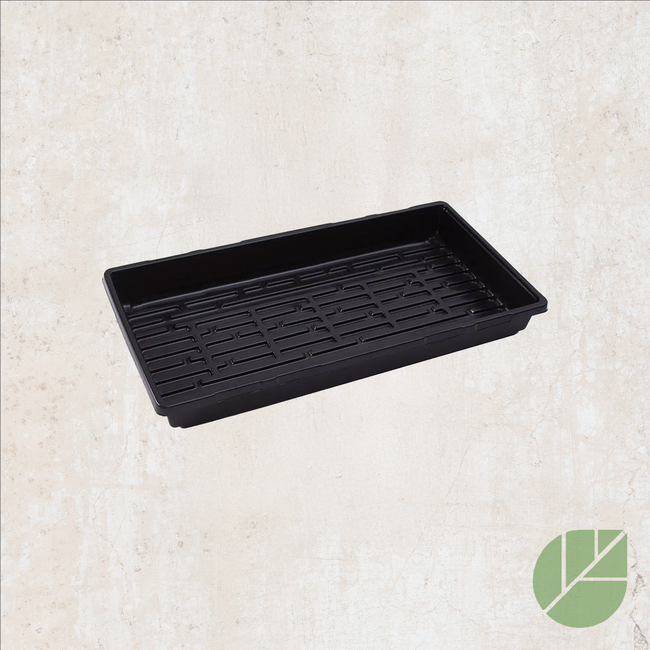
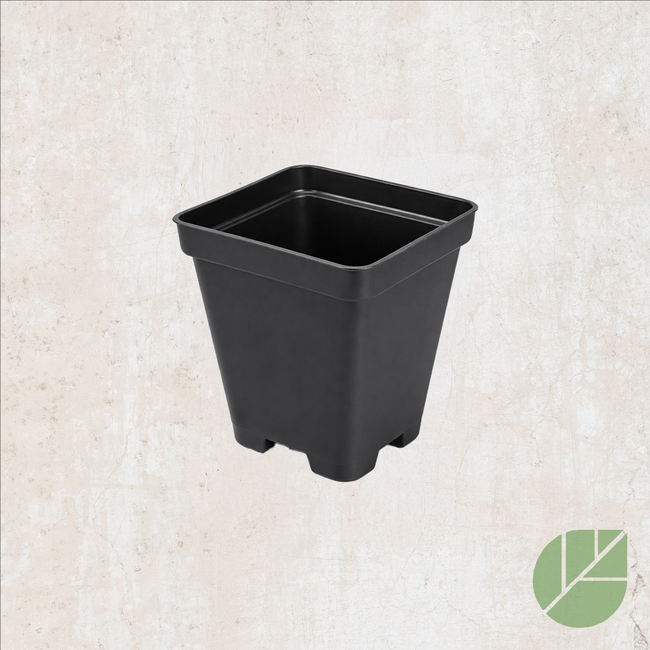
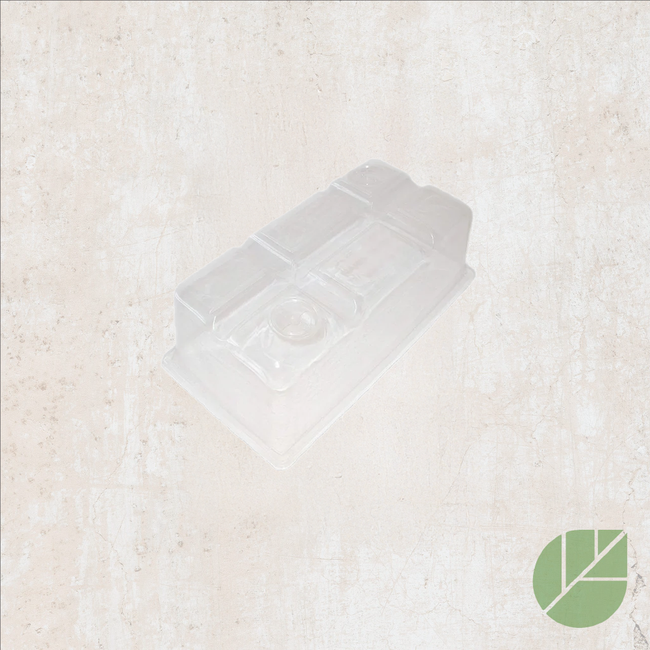
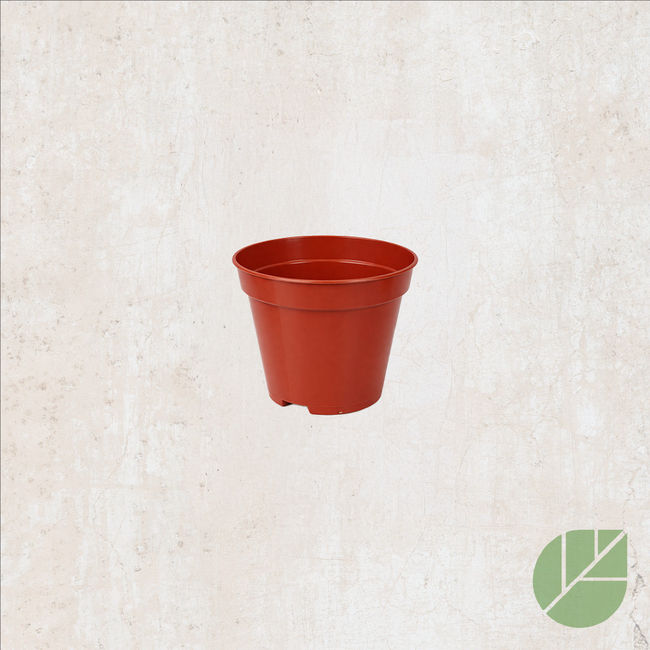
Platters, pots and domes
Shop the collection
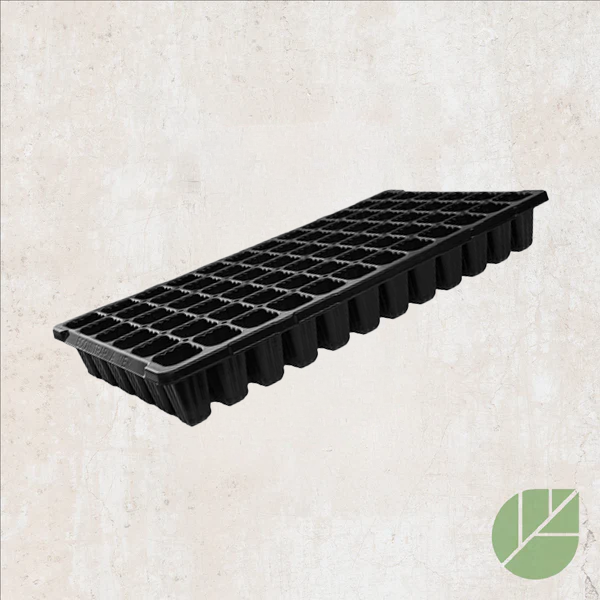
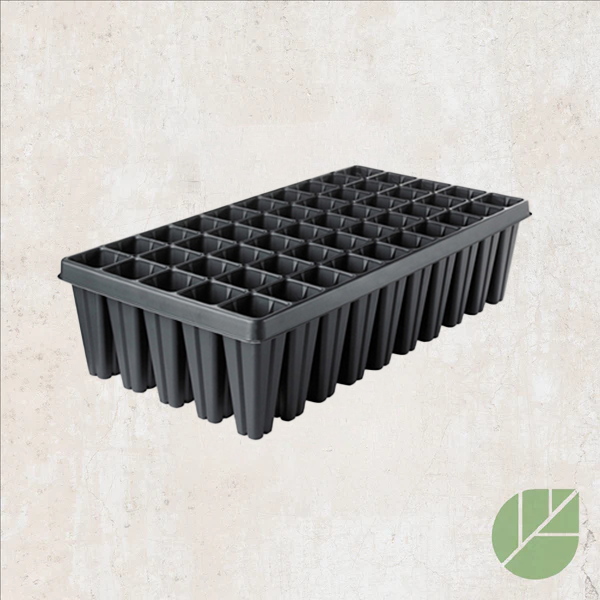
Seed Starting Soil
Shop the collectionSeed starting supplies
Shop the collection