Organic chives (<em>Allium schoenoprasum</em>)

Herbs seeds

Norseco

Available

Pay in 4 interest-free payments withSezzle

Delivery and pickup: view conditions

Product information
Advice adapted to Canada
Secure payment
Share

From seed to harvest

Common nameOrganic chives
FamilyAmaryllidaceae
GenusAllium
Speciesschoenoprasum
CultivarPolystar
TypeOrganic seeds, Treated seeds, coated seeds
Botanical nameAllium schoenoprasum
Quantity per packetApproximately 200 seeds per packet

Organic chives (Allium schoenoprasum) is a fast-growing perennial selection with an upright, compact habit. It forms a uniform clump approximately 25 cm high and 20 cm wide, made of medium-sized cylindrical green leaves. Their moderately pungent flavour brings a fresh onion note without overpowering food. In early summer, stems carry spherical pinkish-purple umbels that are edible when clean and correctly identified. Its dense form, vigorous regrowth after cutting, and recognized suitability for containers make it a practical culinary herb for Quebec gardens, balconies, raised beds, and small patios where reliable harvests are valued.

Sow several seeds per plug indoors six to eight weeks before final frost in porous, well-drained seed-starting mix. Outdoors, sow in spring once soil has warmed, placing groups of four to six seeds 15 cm apart with 30 cm between rows. Choose sun or light partial shade and light, humus-rich, fertile, drained soil. Keep the medium moist during germination, then allow the surface to dry slightly between waterings. Once well established in the ground, Polystar mainly needs supplemental water during drought and high heat. Avoid waterlogged soil, which weakens roots, and weed carefully until compact clumps close the available space.

Harvest leaves with clean scissors, cutting almost to the base without injuring the centre of the clump. W.H. Perron recommends up to four cuts per season to stimulate tender regrowth. Remove flowers when culinary leaf production is the priority, or leave a few for pollinators and decoration. Use chives bare in sauces, potatoes, eggs, and salads; add near the end of cooking to preserve aroma. Washed, thoroughly dried leaves can be frozen for nearly one year. Packet 67-3117-01B contains approximately 200 organic seeds; no coating or other treatment is stated. Divide crowded mature clumps periodically to maintain vigour and renew productive growth.

Light and life cycle

In the garden

Exposure
Sun to partial shade
Life cycle
Perennial
Hardiness
Zone 3 to 9
Sowing and germination

Sowing guide

Sowing & germination

Sowing depth

Approximately 5 to 6 mm (1/4 in)

Spacing / density

Groups of 4 to 6 seeds spaced 15 cm apart; 30 cm between rows

Germination temperature

Approximately 18 to 21°C

Germination time

Approximately 10 to 14 days

Sowing period

Indoors 6 to 8 weeks before final frost or outdoors in spring once soil has warmed

Propagation

Seed

Growing method

Indoors, sow Polystar six to eight weeks before final frost. Fill cells or small pots with porous, well-drained seed-starting mix, then place several seeds in each plug about 5 to 6 mm deep. Maintain consistent moisture without saturation and a temperature near 18 to 21°C until emergence. Move seedlings quickly into bright light, then harden them gradually before transplanting. Outdoors, wait until soil has warmed. Sow groups of four to six seeds every 15 cm in the row, with 30 cm between rows. Choose light, humus-rich, drained soil in sun or partial shade. Water during establishment, weed gently, and mulch lightly without covering crowns. Begin harvesting when clumps are vigorous. Cut leaves almost to the base with clean scissors without injuring the centre, up to four times per season. Remove most flowering stems to favour foliage, but leave several umbels for pollinators. Divide old clumps when they become crowded and replant healthy outer sections at the original depth. Label plugs and record every cutting date so regrowth receives enough time. Keep newly transplanted clusters free from competing weeds, inspect crowns after heavy rain, and avoid repeatedly growing Allium crops in soil with a history of serious onion-family disease. Harvest in dry weather whenever possible.
Soil and care

Soil and care

Soil & care

Soil pH

6.0 to 7.0

Moisture

Moist to moderate, without saturation

Minimum temperature

Hardy perennial; protect containers from repeated freezing

Care level

Easy

Watering

Keep the soil consistently moist during germination and establishment, without waterlogging it. Afterward, let the surface dry slightly before watering again. A well-rooted clump in the ground primarily needs water during droughts and heatwaves. In pots, check more frequently, as the reduced volume dries out quickly. Water at the base in the morning and ensure free drainage.

Soil type

Polystar prefers light, fertile soil rich in humus and well-drained. Loam enriched with compost retains enough moisture to sustain repeated cuttings without leaving the roots waterlogged. Avoid compacted soil and containers without drainage holes. A slightly acidic to neutral pH, around 6.0 to 7.0, is suitable. In heavy soil, improve the structure with organic matter and plant slightly elevated.

Fertilization

Incorporate mature compost before planting and add a thin layer around clumps in spring. In fertile garden soil, light balanced feeding is generally sufficient after major cuttings. Avoid excessive nitrogen, which produces soft, vulnerable foliage. In containers, periodically use diluted herb fertilizer according to label directions because nutrients leach away. Always water dry potting mix before feeding and stop late applications before dormancy. Divide crowded clumps rather than trying to correct weak central growth with more fertilizer.

Seasonal care

In spring, remove dead leaves without pulling young shoots, add a thin layer of compost, and divide severely crowded clumps. Replant divisions at the same depth, space them 15 to 20 cm apart, and water during establishment. Start new seed six to eight weeks before final frost or direct sow once soil warms. In summer, harvest with clean scissors almost to the base up to four times. Water after a major cutting and during drought. Remove most flower stalks when leaf harvest is the priority, but leave several umbels for bees and butterflies. Check container moisture more often and rotate the pot for even growth. In autumn, make a final moderate cut early enough to permit regrowth before cold weather. Clean only collapsed foliage and avoid nitrogen-rich feeding. In the ground, the clump naturally enters dormancy. Move containers beside a sheltered wall, wrap them with insulation, or sink them temporarily to protect roots from freeze-thaw cycles. In winter, let snow provide insulation and avoid excessive watering. Check pots during thaws to prevent complete drying, then resume care gradually in spring. Watch for perennial weeds establishing inside clumps and remove them before roots become deeply intertwined. During humid weather, improve airflow and discard yellowed tissue rather than leaving it against crowns. Record which containers dried fastest so their position or pot size can be improved next year. Sanitize scissors between diseased and healthy clumps.
Growing in containers

Container growing

Container growing

Recommended pot size

Container at least 25 cm (10 in) in diameter
Choose a pot at least 25 cm in diameter and 20 to 25 cm deep with several drainage holes. Fill it with light, free-draining potting mix enriched with a little compost. Sow several groups of seeds and thin to retain two or three well-spaced clumps, or transplant established plugs without burying the crowns. Place the container in sun or bright partial shade. Water when the surface has dried slightly and empty the saucer. After each major cutting, maintain stable moisture and apply a light dose of herb fertilizer when needed. Remove flower stalks when leaves are the priority, or keep a few for colour and pollinators. Harvest with clean scissors without pulling leaves. Divide the clump and renew some potting mix when roots become congested. For a Quebec winter, protect the pot from repeated freezing and thawing by placing it in shelter, insulating its sides, or sinking it temporarily. Do not keep the plant in a warm, dark interior where weak growth becomes exhausted. Label each clump and alternate harvesting so all new growth is not depleted simultaneously. During prolonged summer heat, shade the container sides while keeping foliage in adequate light. Inspect drainage holes for blockage and lift the pot on feet if water accumulates beneath it. Renew the top layer with compost each spring.
Growth and harvest

Size, flowering & harvest

Mature height

25 cm (9.8 in)

Width / spread

7.9 in (20 cm)

Flower color

Pinkish purple

Foliage color

Medium green

Foliage type

Deciduous, herbaceous, cylindrical, and hollow

Growth rate

Fast

Growth habit

Upright, compact, clumping

Fragrance

Fresh onion aroma when foliage is crushed

Edible parts

Clean, correctly identified leaves and flowers

Bloom period

Upright stems carry small spherical pinkish-purple umbels in late spring and early summer. Flowers attract bees, hoverflies, and sometimes butterflies. To maximize culinary leaves, cut most buds as they appear because flowering uses energy and stems become firmer. Leave several umbels to open for ornament and biodiversity, then remove them before excessive self-seeding. Flowers are edible only when clean, unsprayed, and correctly identified.

Days to maturity

Perennial; first harvest once leaves are well established

Harvest

Cut almost to the base up to four times per season; harvest as needed between cuts
Garden companions

Garden associations

Companion plants & uses

Companion plants

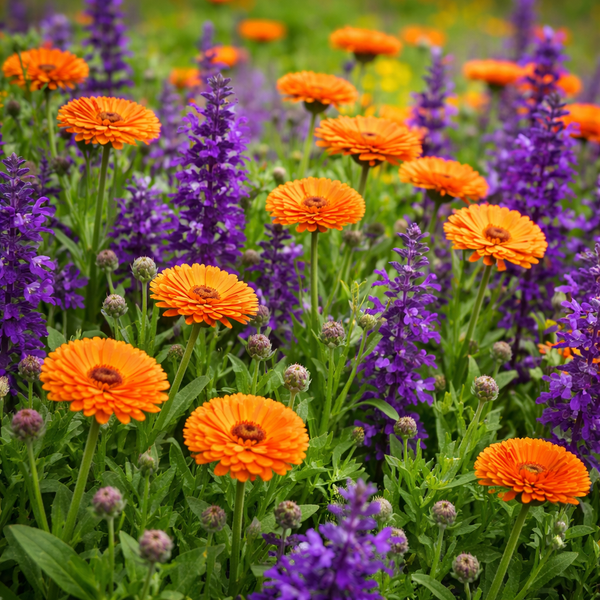
Use Polystar with plants that enjoy drained soil and moderate moisture, without presenting these combinations as guaranteed protection. In an herb edging, parsley, thyme in a drier pocket, and calendula can create textural contrast; keep thyme outside the moistest section. In the vegetable garden, early lettuce or radishes occupy nearby space without smothering the clump. Always preserve 15 to 20 cm around crowns for harvesting, dividing, and maintaining air movement. Avoid immediately replanting chives where other Allium crops had serious disease problems.

Garden use

Place Polystar near the kitchen in an edible edging, herb bed, or patio container. Its upright 25 × 20 cm habit creates a regular rhythm when clumps are repeated every 20 cm. Combine cylindrical foliage with soft lettuce, curly parsley, and calendula while preserving enough room for air movement and harvest. Position taller plants to the north so they do not shade the chives. In a vegetable garden, reserve a small permanent zone that does not interfere with annual crop rotation. Harvest clumps in alternation so one section always remains active. Allow several pinkish-purple umbels to rise through the leaves; they add vertical punctuation and attract pollinators. Remove other buds to support culinary production. Avoid waterlogged sites beside downspouts and mulch lightly without covering crowns. Divide clumps when their centres thin or growth becomes overcrowded. This combination of compact form, repeated harvest, and useful bloom suits small urban spaces as well as structured food gardens. Harvest after dew has dried to limit injury to wet foliage. Use narrow stepping stones beside repeated clumps so soil is not compacted during frequent kitchen harvests. Mark permanent crowns before spring cultivation. In a children’s sensory garden, explain the onion scent by rubbing one fallen leaf only, and keep pets away. Alternate full cuts so the border never appears entirely bare.
Recipe and storage

Recipe idea

From garden to table

Prepare Polystar chive butter. Soften 125 g unsalted butter, then blend in 30 ml freshly cut leaves that have been washed, thoroughly dried, and finely chopped. Add 5 ml lemon juice, a small pinch of salt, and pepper. Mix without heating, shape into a log in parchment paper, and refrigerate for at least one hour. Place a slice on potatoes, grilled vegetables, fish, or warm bread. Use only sound, correctly identified, unsprayed leaves. Keep the butter refrigerated and follow normal dairy storage limits. For freezing, portion the log into slices and place them in a labelled airtight container. Add pinkish-purple flowers as garnish only when they are clean, pesticide-free, and separated from the firmer stem. Thaw individual portions in the refrigerator rather than at room temperature. For brighter flavour, add chives after the lemon and never melt the butter during mixing. Prepare small portions so repeated thawing is unnecessary. The same mixture can season steamed vegetables, but keep serving utensils clean and return unused butter to refrigeration promptly.

Wildlife and pets

Wildlife & precautions

Supporting wildlife

Pinkish-purple umbels provide pollen and nectar to bees, hoverflies, and sometimes butterflies in late spring and early summer. Leave several flowers intact in a culinary planting and do not spray insecticide while they are open. The clump is not intended to feed birds or mammals, and pets must be kept away from all Allium plants.

Frequently asked questions

Frequently asked questions

When should Organic chives be sown?
Sowing time for Organic chives depends on the confirmed packet information, the last frost date, and your region. Organic chives is a herbs variety offered as seed for gardeners who want clear, practical product information. Confirmed details include height: Approximately 25 cm, spread: Approximately 20 cm. The packet contains approximately 200 seeds, and the formulation is organic seeds, treated seeds, coated seeds. For best results, follow the sowing, light, and spacing information associated with this variety. You can adjust care to your soil, weather, and observed growth without exceeding the plant’s actual needs. In the garden, an accessible position makes observation, occasional watering, harvesting, and timely maintenance easier.
When and how should Polystar be sown?
Indoors, sow six to eight weeks before final frost in porous, well-drained seed-starting mix. Place several seeds in each plug approximately 5 to 6 mm deep, maintain consistent moisture, and move young shoots into bright light. Harden them gradually before outdoor planting. For direct sowing, wait until soil has warmed in spring. W.H. Perron recommends groups of four to six seeds spaced 15 cm apart in the row, with 30 cm between rows. Weed gently and water during establishment. Do not separate every seedling because chives naturally grow as clumps, and several plants together create a fuller appearance. Mark the sowing area so slow early shoots are not disturbed.
How can leaves be harvested without exhausting the clump?
Wait until the clump is well rooted and has several vigorous leaves. With clean scissors, cut foliage almost to the base while leaving the centre and crown intact. W.H. Perron recommends up to four complete cuts per season; between them, take only a few outer leaves as needed. Water after a major cutting when soil is dry and wait for strong regrowth before repeating. Remove flowers as they appear when culinary harvest is the priority, or retain several for pollinators. Avoid an excessively severe late-season cut so the plant can rebuild reserves before winter. Divide old clumps that become weak in the centre, replanting healthy outer sections at their former depth.
Is Polystar genuinely suitable for a container?
Yes. W.H. Perron expressly recommends Polystar for container culture and specifies a minimum diameter of 25 cm. Also choose 20 to 25 cm of depth and several drainage holes. Light potting mix enriched with compost supports growth without keeping roots saturated. Retain two or three small clumps in a broad pot rather than one overcrowded mass. Place in sun or bright partial shade, water when the surface dries slightly, and feed lightly after cutting. In winter, container roots experience more severe freezing, so shelter and insulate the pot or sink it temporarily. Divide when roots fill the entire volume, renewing part of the potting mix before replanting healthy sections.
When can you enjoy the harvest or flowering of Organic chives?
Organic chives is harvested at the stage specified for this variety, when the edible parts show the expected maturity signs. Organic chives is a herbs variety offered as seed for gardeners who want clear, practical product information. Confirmed details include height: Approximately 25 cm, spread: Approximately 20 cm. The packet contains approximately 200 seeds, and the formulation is organic seeds, treated seeds, coated seeds. For best results, follow the sowing, light, and spacing information associated with this variety. You can adjust care to your soil, weather, and observed growth without exceeding the plant’s actual needs. In the garden, an accessible position makes observation, occasional watering, harvesting, and timely maintenance easier.

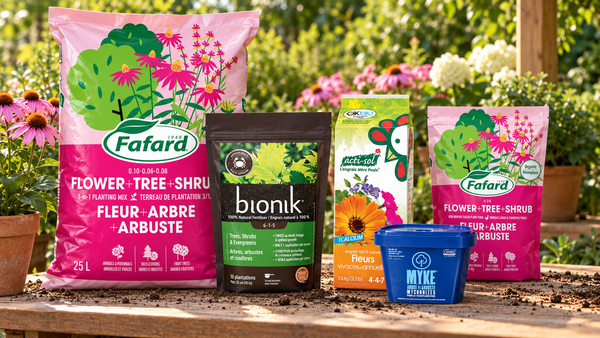
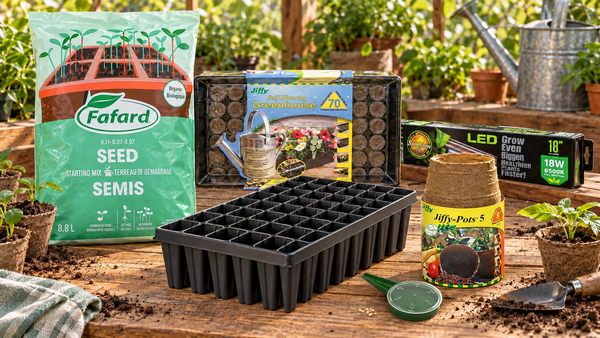
Seed-starting essentials

Click a product to build your selection.

Your selection

Total