Pea – Snap Sweet Sunsation

Norseco

Available

Pay in 4 interest-free payments withSezzle

Delivery and pickup: view conditions

Product information
Advice adapted to Canada
Secure payment
Share

From seed to harvest

Common nameSnow pea
FamilyFabaceae
GenusPea
Speciessativum
CultivarSweet Sunsation
TypeUntreated
Botanical namePea
Quantity per packet75 seeds

'Sweet Sunsation' Snow Pea (Pisum sativum). The Sweet Sunsation snap pea is a flat-podded "snow" type variety, offering a crunchy texture and sweet flavor. Ideal for eating fresh, frozen, or in stir-fries, this versatile pea stands out for its generous pods containing 8 to 10 seeds each. The compact plants, reaching a height of 70 cm, are perfect for small gardens and urban vegetable patches. With quick maturity, Sunsation promises an abundant and tasty harvest. This variety reaches 70 cm (27.6 in).

For 'Sweet Sunsation' Snow Pea, the sowing calendar for this variety is prepared as follows: in spring, as soon as the soil can be worked. For 'Sweet Sunsation' Snow Pea, direct sowing of peas, fava beans, and beans preserves their root system. For 'Sweet Sunsation' Snow Pea, prepare the sites and supports for climbing varieties before emergence. For 'Sweet Sunsation' Snow Pea, do not let the seeds sit in waterlogged soil. For 'Sweet Sunsation' Snow Pea, label each row to distinguish between the types harvested for pods and those intended for seeds.

This snow-type pea is harvested young, before the seeds are too developed, to enjoy its sweetness and crunch. The Sweet Sunsation snap pea is a perfect choice for adding freshness and flavor to your dishes, while also being easy to grow. For 'Sweet Sunsation' Snow Pea, start monitoring the harvest of this variety as it approaches 65 days after sowing; check for the desired color, firmness, and size for picking. For 'Sweet Sunsation' Snow Pea, harvest when the still-thin pods barely reveal the seeds inside on the surface.

Light and life cycle

In the garden

Exposure
Sun
Life cycle
Annual vegetable crop
Sowing and germination

Sowing guide

Sowing & germination

Spacing / density

2 inches between plants

Sowing period

In spring, as soon as the ground can be worked

Propagation

Sowing

Growing method

The sowing schedule for this variety is as follows: in the spring, as soon as the soil can be worked. To establish this variety, first choose a location that matches its sun exposure requirements: full sun. Rich, well-drained, sandy soil is ideal. Allow space for this variety in the garden bed, keeping in mind its height of 70 cm (27.6 in). When planting this variety, use a spacing of 5 cm between plants. Use this variety along the edge of an accessible landscape; its compact silhouette looks best when taller plants do not close in over it. Peas are natural climbers and tolerate being crowded. If space is limited, use a wire trellis between double rows. Sow in double rows spaced 7 cm to 10 cm apart. Leave 5 cm between seeds and cover them with 5 mm of soil. Sow in succession (be wary of hot temperatures). Cultivate like peas, except the very fibrous pod of the pea cannot be eaten. However, the snow pea is eaten in its entirety, pod and all. Peas prefer well-drained soil, rich in organic matter, and a sunny location.
Soil and care

Soil and care

Soil & care

Watering

Water regularly, but not excessively, to prevent the roots from rotting. To plant this variety, first choose a location that matches its sun requirements. Rich, well-drained, and sandy soil is ideal. It is grown like peas, except that the very fibrous pea pod cannot be eaten. However, snow peas can be eaten whole, pod and pea.

Soil type

Peas prefer well-drained soil that is rich in organic matter and a sunny location. To plant this variety, first choose a spot that matches its sun requirements. Rich, well-drained, sandy soil is ideal. Water regularly, but without excess, to prevent the roots from rotting. Arrange legumes according to their growth habit. Dwarf varieties are easily harvested in rows accessible from both sides; climbing varieties need an anchored support before the foliage becomes heavy.

Fertilization

To plant this variety, first choose a location that matches its sun exposure requirements. Rich, well-drained, sandy soil is ideal. It is cultivated like a pea, except that the very fibrous pod of the pea cannot be eaten. However, the snow pea is eaten in its entirety, both pod and pea. Peas prefer well-drained soil, rich in organic matter, and a sunny location.

Seasonal care

The compact plants, reaching a height of 70 cm, are perfect for small gardens and urban vegetable patches. Install a trellis or stake to support the plants, which will facilitate harvesting and reduce the risk of disease. Water regularly, but without excess, to prevent the roots from rotting. It is grown like regular peas, except that the very fibrous pod of the regular pea cannot be eaten. However, snow peas can be eaten whole, pod and peas included. The sowing calendar for this variety is as follows: in spring, as soon as the soil can be worked. Start observing the harvest of this variety as it approaches 65 days after sowing; check for the desired color, firmness, and size for picking. Harvest when the pods are still thin and the seeds inside are barely visible on the surface. Plan the space for this variety in the garden bed, taking into account its height of 70 cm (27.6 in). When planting this variety, the spacing to maintain is 5 cm between plants. Use this variety along the edge of an accessible layout; its compact silhouette is best appreciated when taller plants do not close in over it. Peas are natural climbers and tolerate being crowded. If space is limited, use a wire trellis between double rows.
Growing in containers

Container growing

Container growing

Recommended pot size

One plant per drained container, with room for its mature size.
Ideal for fresh, frozen, or stir-fry consumption, this versatile pea stands out for its generous pods containing 8 to 10 seeds each. Place the container for this variety in a sunny spot, checking the light exposure throughout the day. The sowing schedule for this variety is as follows: in the spring, as soon as the soil can be worked. To plant this variety, first choose a location that matches its exposure: sun. Rich, well-drained, sandy soil is ideal. It is cultivated like a garden pea, except that the very fibrous pod of the pea cannot be eaten. However, the snow pea is eaten whole, pod and all. The packet contains 75 seeds to start your planting. The compact habit of this variety makes it easy to integrate into tight spaces: you can place the planting near a walkway to enjoy its details and tend to it easily. Peas prefer well-drained soil rich in organic matter and a sunny exposure. Water regularly, but without excess, to prevent the roots from rotting. The compact plants, reaching a height of 70 cm, are perfect for small gardens and urban vegetable patches.
Growth and harvest

Size, flowering & harvest

Mature height

70 cm (27.6 in)

Edible parts

Pods or seeds depending on the harvest stage

Fruiting

Sunsation Sweet Snap Pea (Pisum sativum), offered by seed company WH Perron. The Sunsation Sweet Snap pea is a flat-podded "snow" type variety, offering a crunchy texture and a sweet flavor. Ideal for fresh consumption, freezing, or stir-fries, this versatile pea is distinguished by its generous pods containing 8 to 10 seeds each. For 'Sweet Sunsation' snow peas, keep the identified packet to track cultivar-specific data throughout the season.

Days to maturity

65 days after sowing

Harvest

Harvest at the stage indicated for the variety, whether as tender pods, fresh seeds, or dry seeds. Support the stem with one hand while picking.
Garden companions

Garden associations

Companion plants & uses

Companion plants

Plan the placement of this variety in the flowerbed, taking into account its height of 70 cm (27.6 in). When planting this variety, use a spacing of 5 cm between plants. Use this variety along the edge of an accessible landscape; its compact silhouette is best appreciated when taller plants do not close in over it. Peas are natural climbers and tolerate being crowded. If space is limited, use a wire trellis between double rows.

Garden use

The compact plants, reaching a height of 70 cm, are perfect for small gardens and urban vegetable patches. Install a trellis or stake to support the plants, which will facilitate harvesting and reduce the risk of disease. Plan for this variety's spot in the garden bed by taking its 70 cm (27.6 in) height into account. When planting this variety, keep a spacing of 5 cm between plants. Use this variety along the edge of an accessible layout; its compact silhouette is best appreciated when taller plants do not close in over it. Peas are natural climbers and tolerate being crowded. If space is limited, use a wire trellis between double rows. Sow in double rows spaced 7 cm to 10 cm apart. Leave 5 cm between seeds and cover them with 5 mm of soil. Sow successively (be mindful of hot temperatures). Cultivate like peas, except that the very fibrous pea pod cannot be eaten. However, snow peas can be eaten whole, pod and all. Place the container for this variety in a sunny spot, checking the light received throughout the day.
Recipe and storage

Recipe idea

From garden to table

Recipe idea for your 'Sweet Sunsation' snow pea harvest. Prepare a side dish of cooked beans or peas. For edible-pod varieties, trim the ends and cook the pods until tender. For shelling or dry-seed varieties, use seeds that have already been fully cooked according to your usual preparation method. Drain, then toss with a little oil and chopped parsley. Add pieces of ripe tomato or some diced sweet onion for a variety of textures. Serve the vegetables hot or warm. Taste before adjusting the seasoning and adapt the quantities to the number of people at the table. Serve the dish with bread, rice, or another simple side that leaves the spotlight on the harvested vegetable. Prepare small portions to enjoy the freshness of the harvest. Use a clean board, remove any damaged parts, and rinse the produce before you begin.

Frequently asked questions

Frequently asked questions

When should I start sowing 'Sweet Sunsation' snow peas?
The sowing schedule for this variety is as follows: in the spring, as soon as the soil can be worked. Direct sowing of peas, broad beans, and beans preserves their root systems. Prepare the sites and supports for climbing varieties before emergence. Do not let the seeds sit in waterlogged soil. Identify each row to distinguish between pod-harvested types and those intended for seeds. Thin only when emergence shows real competition between young plants. Harvest the pods by supporting the stem with one hand so as not to tear the branches. Young crops require frequent harvesting, while seeds intended for drying remain on the plant longer.
How to grow 'Sweet Sunsation' snow peas in containers?
Place the container for this variety in this exposure: sun, while checking the light received throughout the day. Plan for the placement of this variety in the flowerbed, taking into account its height of 70 cm (27.6 in). When planting this variety, the spacing to use is 5 cm between plants. Use this variety along the edge of an accessible landscaped area; its compact silhouette is best viewed when taller plants do not close in over it. Peas are natural climbers and they tolerate being crowded. If space is limited, use a wire trellis between double rows.
When to harvest 'Sweet Sunsation' snow peas?
Begin monitoring the harvest of this variety as it nears 65 days after sowing; check for the desired color, firmness, and size for picking. Harvest when the pods are still thin and the seeds inside are barely visible on the surface. This variety reaches 70 cm (27.6 in). The maturity of this variety is 65 days after sowing. Cultivate like peas, except the very fibrous pod of a regular pea cannot be eaten. However, the snow pea is eaten in its entirety, pod and all. Pick the pods while supporting the stem with one hand to avoid pulling off the branches.
Which location is suitable for 'Sweet Sunsation' snow peas?
To plant this variety, first choose a location that matches its sun exposure requirements. Rich, well-drained, sandy soil is ideal. When planning its placement in a garden bed, keep in mind its height of 70 cm (27.6 in). When planting this variety, use a spacing of 5 cm between plants. Use this variety along the edge of an accessible landscape; its compact silhouette is best appreciated when taller plants do not enclose it. Peas are natural climbers and tolerate being crowded. If space is limited, use a wire trellis between double rows.
How to water 'Sweet Sunsation' snow peas during their growth?
Cultivate like peas, except that the very fibrous pea pod cannot be eaten. However, snow peas are eaten whole, both pod and pea. To plant this variety, first choose a location that matches its sun requirements. Rich, well-drained, and sandy soil is ideal. Pick the pods while supporting the stem with one hand so as not to tear the branches. Harvesting young pods requires frequent visits, while seeds intended for drying stay on the plant longer. Avoid handling the foliage when it is wet. For climbing varieties, guide the first shoots and ensure the stems do not wrap around neighboring crops.

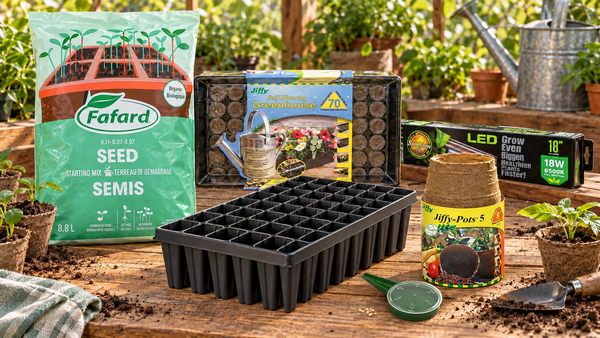
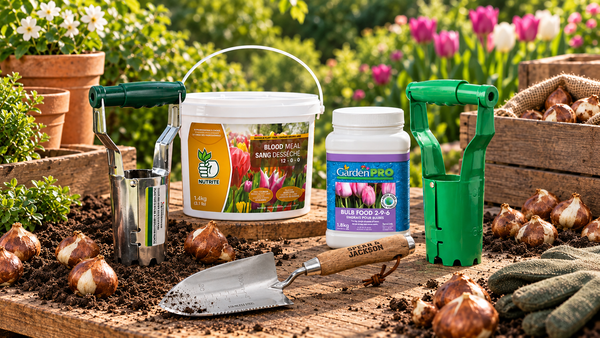
Seed-starting essentials

Click a product to build your selection.

Your selection

Total