Sale
Sold out

Untreated seeds
Fabaceae
Garden vegetables seeds
Little Snow Pea Purple snow pea
Pisum sativum
Product code : 65-7886-01N
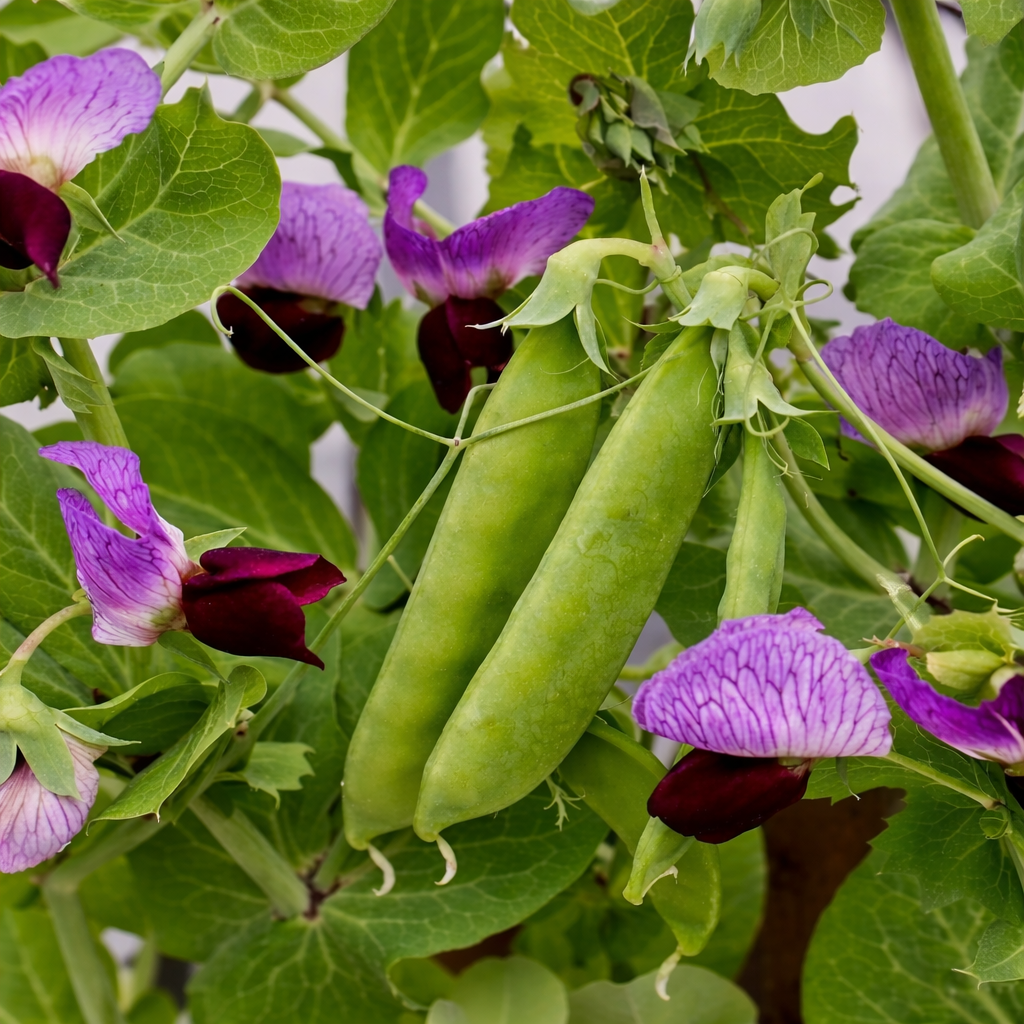
Little Snow Pea Purple is a 50-to-60-cm dwarf snow pea combining an edible harvest with bicolour purple flowers. Its green 8-to-9-cm pods contain approximately 9 to 10 peas and are eaten whole while young and thin. Maturity is approximately 54 days after sowing. The official packet contains approximately 75 untreated seeds. Direct sow in spring in rich, sandy, well-drained soil and provide low support. Its compact habit suits containers, small vegetable gardens, patios, and urban growing spaces. Observe plants several times weekly so watering, training, and harvest can be adjusted to actual conditions. Regular picking maintains pod quality and prevents mature seed from slowing production.
- Quantity
- Approximately 75 seeds per packet
- Exposure
- Full sun
- Life cycle
- Annual
Discover the plant
Common nameLittle Snow Pea Purple snow pea
FamilyFabaceae
GenusPisum
Speciessativum
CultivarLittle Snow Pea Purple
TypeUntreated seeds
Botanical namePisum sativum
Little Snow Pea Purple snow pea (Pisum sativum) Little Snow Pea Purple snow pea is a garden vegetables variety offered as seed for gardeners who want clear, practical product information. Confirmed details include height:, spread: Approximately 20 to 30 cm (8 to 12 in). You can adjust care to your soil, weather, and observed growth without exceeding the plant’s actual needs. Little Snow Pea Purple 54 8-9 9-10 Green snow pea with a beautiful purple bicolor flowering. Little Snow Pea has an ornamental and culinary dual-use. You can keep the labelled packet until harvest or flowering so the variety details remain easy to consult.
The packet contains approximately 75 seeds, and the formulation is untreated seeds. For best results, follow the sowing, light, and spacing information associated with this variety. Dwarf plant that will not surpass 50-60 cm in height so very good plant to use in containers. In the garden, an accessible position makes observation, occasional watering, harvesting, and timely maintenance easier. It is recommended to remove only damaged material while retaining healthy foliage needed for continued growth. Results may vary with weather, sowing date, soil quality, and the number of hours of useful light each day.
For best results, check the growing medium before watering and adjust frequency to the actual conditions around the plant. You can review foliage and new growth each week to notice water stress, slowed development, or damage at an early stage. Good air movement and spacing that follows the product information support steady development throughout the growing season. Gradual hardening helps reduce transplant stress when seedlings have been started indoors before moving into the garden. The information printed on the packet remains the reference for depth, temperature, and timing associated with this seed lot.

Sowing guide
It all startswith a seed.
Sowing depth
Approximately 5 mm
Spacing / density
5 cm between seeds; double rows 7 to 10 cm apart
Germination temperature
10 to 16°C; avoid 30°C and above
Germination time
7 to 14 days depending on soil temperature
Sowing period
Late April to mid-May; autumn sowing in July or August
Propagation
Seed
Growing method
For best results with Little Snow Pea Purple snow pea, follow the confirmed sowing information and observe growth at each stage. Little Snow Pea Purple snow pea is a garden vegetables variety offered as seed for gardeners who want clear, practical product information. Confirmed details include height:, spread: Approximately 20 to 30 cm (8 to 12 in). The packet contains approximately 75 seeds, and the formulation is untreated seeds. For best results, follow the sowing, light, and spacing information associated with this variety. You can adjust care to your soil, weather, and observed growth without exceeding the plant’s actual needs. Little Snow Pea Purple 54 8-9 9-10 Green snow pea with a beautiful purple bicolor flowering. Little Snow Pea has an ornamental and culinary dual-use. Dwarf plant that will not surpass 50-60 cm in height so very good plant to use in containers. You can keep the labelled packet until harvest or flowering so the variety details remain easy to consult. Measured care based on the plant’s condition generally supports better balance than unnecessary routine treatments. For containers, drainage and soil volume directly influence moisture stability around the roots and the frequency of watering.
Soil and care
The right care,at the right time.
Soil pH
6.0 to 7.5
Minimum temperature
Tolerates light cold; hard frost slows or damages growth
Care level
Easy
Watering
Maintain consistent moisture without saturating soil, especially during germination, flowering, and pod filling. Water deeply at soil level when the surface begins to dry and avoid wetting foliage late in the day. Light mulch preserves coolness. Containers dry quickly, so check them daily during hot or windy weather. Even moisture helps pods remain tender and reduces stress that shortens production. Observe plants several times weekly so watering, training, and harvest can be adjusted to actual conditions.
Soil type
Choose loose, fertile, cool, well-drained soil, preferably sandy or loamy. Incorporate mature compost without excessive nitrogen because peas supply part of their needs and too much nitrogen favours foliage over pods. Maintain a pH near 6.0 to 7.0. Avoid waterlogged areas and compacted soil. Work the bed only when it is no longer sticky, then install support before sowing to protect fragile roots. Mulch lightly after emergence if warm weather begins drying the surface rapidly.
Fertilization
Incorporate mature compost before sowing according to a soil test. Peas obtain part of their nitrogen through bacteria associated with their roots, so avoid excessive nitrogen that promotes foliage at the expense of flowers and pods. In fertile soil, light balanced feeding is generally sufficient. Never place concentrated fertilizer directly against seed. Use an inoculant only when appropriate and according to its label.
Moisture
Cool, evenly moist soil
Seasonal care
Seasonal care for Little Snow Pea Purple snow pea relies on regular observation, measured intervention, and respect for its growth cycle. Little Snow Pea Purple snow pea is a garden vegetables variety offered as seed for gardeners who want clear, practical product information. Confirmed details include height:, spread: Approximately 20 to 30 cm (8 to 12 in). The packet contains approximately 75 seeds, and the formulation is untreated seeds. For best results, follow the sowing, light, and spacing information associated with this variety. You can adjust care to your soil, weather, and observed growth without exceeding the plant’s actual needs. Little Snow Pea Purple 54 8-9 9-10 Green snow pea with a beautiful purple bicolor flowering. Little Snow Pea has an ornamental and culinary dual-use. Dwarf plant that will not surpass 50-60 cm in height so very good plant to use in containers. You can keep the labelled packet until harvest or flowering so the variety details remain easy to consult. Measured care based on the plant’s condition generally supports better balance than unnecessary routine treatments. For containers, drainage and soil volume directly influence moisture stability around the roots and the frequency of watering. In the garden, an accessible position makes observation, occasional watering, harvesting, and timely maintenance easier. It is recommended to remove only damaged material while retaining healthy foliage needed for continued growth.
Container growing
A garden,within reach.
Recommended pot size
At least 30 to 40 litres with a low trellis
Little Snow Pea Purple snow pea can be considered for a container when volume, drainage, and light match the expected growth. Little Snow Pea Purple snow pea is a garden vegetables variety offered as seed for gardeners who want clear, practical product information. Confirmed details include height:, spread: Approximately 20 to 30 cm (8 to 12 in). The packet contains approximately 75 seeds, and the formulation is untreated seeds. For best results, follow the sowing, light, and spacing information associated with this variety. You can adjust care to your soil, weather, and observed growth without exceeding the plant’s actual needs. Little Snow Pea Purple 54 8-9 9-10 Green snow pea with a beautiful purple bicolor flowering. Little Snow Pea has an ornamental and culinary dual-use. Dwarf plant that will not surpass 50-60 cm in height so very good plant to use in containers. You can keep the labelled packet until harvest or flowering so the variety details remain easy to consult. Measured care based on the plant’s condition generally supports better balance than unnecessary routine treatments. For containers, drainage and soil volume directly influence moisture stability around the roots and the frequency of watering.

Bloom and dimensions
Its place,in your garden.
Mature height
50 to 60 cm (19.7 to 23.6 in)
Width / spread
About 20 to 30 cm (8 to 12 in)
Flower color
Bicolour purple
Foliage color
Green
Foliage type
Annual, green, compound, with tendrils
Growth rate
Fast
Growth habit
Dwarf, lightly climbing, compact
Fragrance
Young green pods are tender and crisp with a fresh, gently sweet pea flavour; they are eaten whole before the peas swell
Bloom period
Little Snow Pea Purple is distinguished by bicolour purple flowers that add ornamental value before pod formation. They appear on compact stems when the plant receives cool weather and consistent moisture. Flowers signal future snow-pea pods, so avoid picking them when harvest is the priority. Excessive heat may reduce or interrupt flowering. A low trellis displays the bloom and prevents stems from leaning across neighbouring plants.
Fruiting
Bicolour purple flowers produce green snow-pea pods measuring 8 to 9 cm and containing approximately 9 to 10 peas. For the best texture, harvest while pods remain thin and seeds are barely visible. A pod left too long becomes more fibrous and its peas swell. Regular picking encourages the plant to continue fruiting during cool weather. Handle stems gently with one hand while removing pods with the other.
Days to maturity
Approximately 54 days after sowing
Harvest
Around 54 days when pods are thin and tender
Garden associations
In goodcompany.
Companion plants
W.H. Perron lists carrot, corn, cucumber, eggplant, endive, ground cherry, lettuce, mint, okra, parsnip, potato, radish, spinach, and tomato as companion plants. Use these combinations to organize the vegetable garden without treating them as guaranteed protection. Preserve enough water, light, and room for every crop. Position taller plants so they do not shade this dwarf pea, and keep both sides of the trellis accessible for watering, inspection, and frequent harvesting of young pods. Rotate crops according to plant family and previous disease problems rather than growing peas repeatedly in the same soil.
Recipe idea
From the gardento your plate.
Edible parts
Young snow-pea pods and peas
Prepare a quick Little Snow Pea Purple stir-fry. Rinse 300 g of young pods, remove the stem end and any noticeable string, then dry them. Heat one tablespoon oil in a large skillet. Add pods and stir-fry for two or three minutes over high heat so they turn bright green while remaining crisp. Add one teaspoon grated ginger, a little lemon zest, and one tablespoon water. Cook for another minute, remove from heat, then season lightly with salt and pepper. Serve immediately with rice, tofu, chicken, or fish. Refrigerate leftovers promptly in a covered container and eat them within the next few days. Use only young, sound, mould-free pods. Taste before serving and adjust seasoning sparingly. Observe plants several times weekly so watering, training, and harvest can be adjusted to actual conditions. Regular picking maintains pod quality and prevents mature seed from slowing production. Keep soil cool without saturation and preserve good airflow around foliage.
Frequently asked questions
Your questions,answered.
When should Little Snow Pea Purple be sown?
Direct sow as soon as soil can be worked in spring, often from late April to mid-May according to region. Soil should ideally be 10 to 16°C. Avoid periods when it reaches 30°C or more because germination declines. For an autumn harvest, sow another section in July or August where the season provides enough cool growing time before hard frost. Keep soil evenly moist during emergence and install support before sowing. Observe plants several times weekly so watering, training, and harvest can be adjusted to actual conditions. Inspect stems, moisture, and pods several times weekly so care and picking can be adjusted promptly.
How many seeds are in the packet and are they treated?
The official W.H. Perron format contains approximately 75 seeds per packet and the formulation is untreated. This quantity supports several short rows or a few large containers. Keep the unused portion in its tightly closed packet, cool, dry, and protected from light. The count remains approximate, as stated by the supplier. Prepare soil and labels before opening the packet so seed can be placed without delay and the sowing date is recorded accurately. Observe plants several times weekly so watering, training, and harvest can be adjusted to actual conditions. Inspect stems, moisture, and pods several times weekly so care and picking can be adjusted promptly.
Does this dwarf pea require a trellis?
Little Snow Pea Purple generally remains 50 to 60 cm tall, but low support is still useful. It keeps stems upright, improves airflow, keeps pods clean, and makes picking easier. Install the trellis before sowing to avoid root injury. Simply guide tendrils toward support without tying stems tightly. In a container, choose a stable structure that will not tip in wind. Leave enough room to reach both sides during frequent harvests. Observe plants several times weekly so watering, training, and harvest can be adjusted to actual conditions. Inspect stems, moisture, and pods several times weekly so care and picking can be adjusted promptly.
Can Little Snow Pea Purple snow pea be grown in a container?
Little Snow Pea Purple snow pea can be grown in a container when the pot provides effective drainage and enough volume for expected growth. Little Snow Pea Purple snow pea is a garden vegetables variety offered as seed for gardeners who want clear, practical product information. Confirmed details include height:, spread: Approximately 20 to 30 cm (8 to 12 in). The packet contains approximately 75 seeds, and the formulation is untreated seeds. For best results, follow the sowing, light, and spacing information associated with this variety. You can adjust care to your soil, weather, and observed growth without exceeding the plant’s actual needs.
Can Little Snow Pea be grown in a container?
Yes. Use a container at least 30 cm deep and holding 30 to 40 litres with excellent drainage. Install a small trellis, sow seed approximately 5 cm apart, and cover it with 5 mm of mix. Place the pot in sun, keep the mix evenly moist, and check water daily during hot weather. The compact 50-to-60-cm height suits patios and balconies very well. Harvest frequently to keep production active. Observe plants several times weekly so watering, training, and harvest can be adjusted to actual conditions. Inspect stems, moisture, and pods several times weekly so care and picking can be adjusted promptly.
Wildlife and pets
Life,around your plants.
Supporting wildlife
Bicolour purple flowers may be visited by bees and other insects even though peas are primarily self-fertile. These visits add garden activity without being essential to every pod. Protect young sowings from birds that sometimes disturb seed and monitor aphids. Avoid non-targeted treatments during bloom to preserve beneficial insects. Inspect plants regularly and use physical or cultural controls first where practical.
For a great start to your seeds
The right extras.Right here.
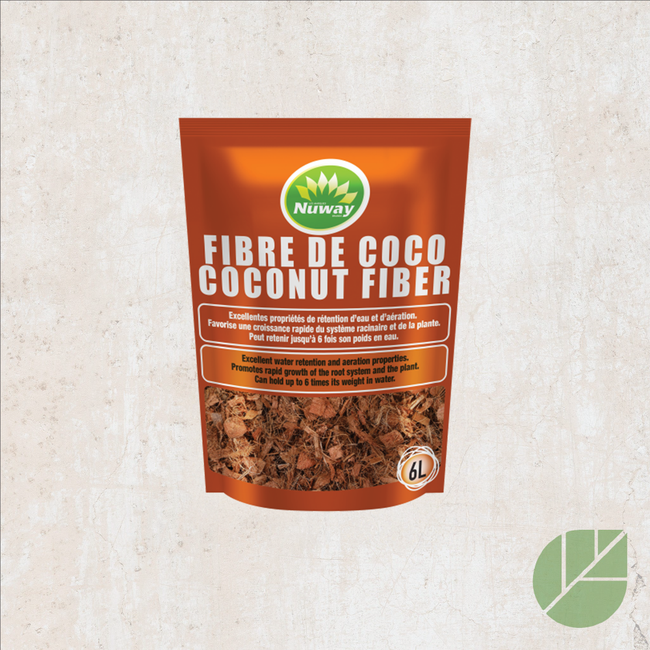
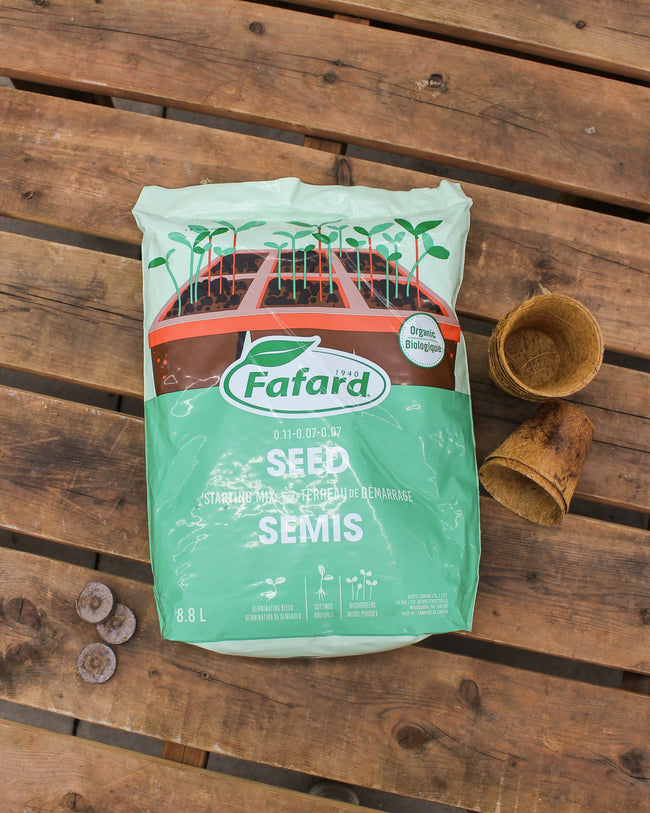
Seed Starting Soil
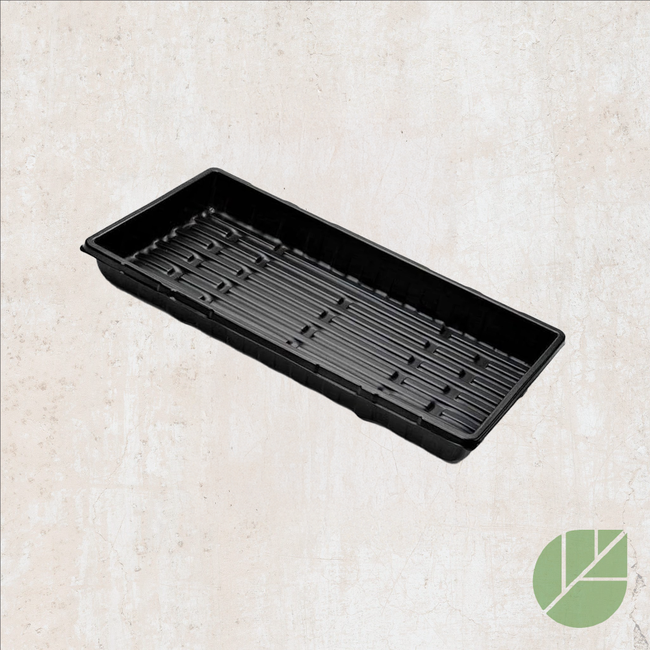
Shop the collectionSeed starting supplies
Shop the collection