Sale
Sold out

Vegetable
Amaryllidaceae
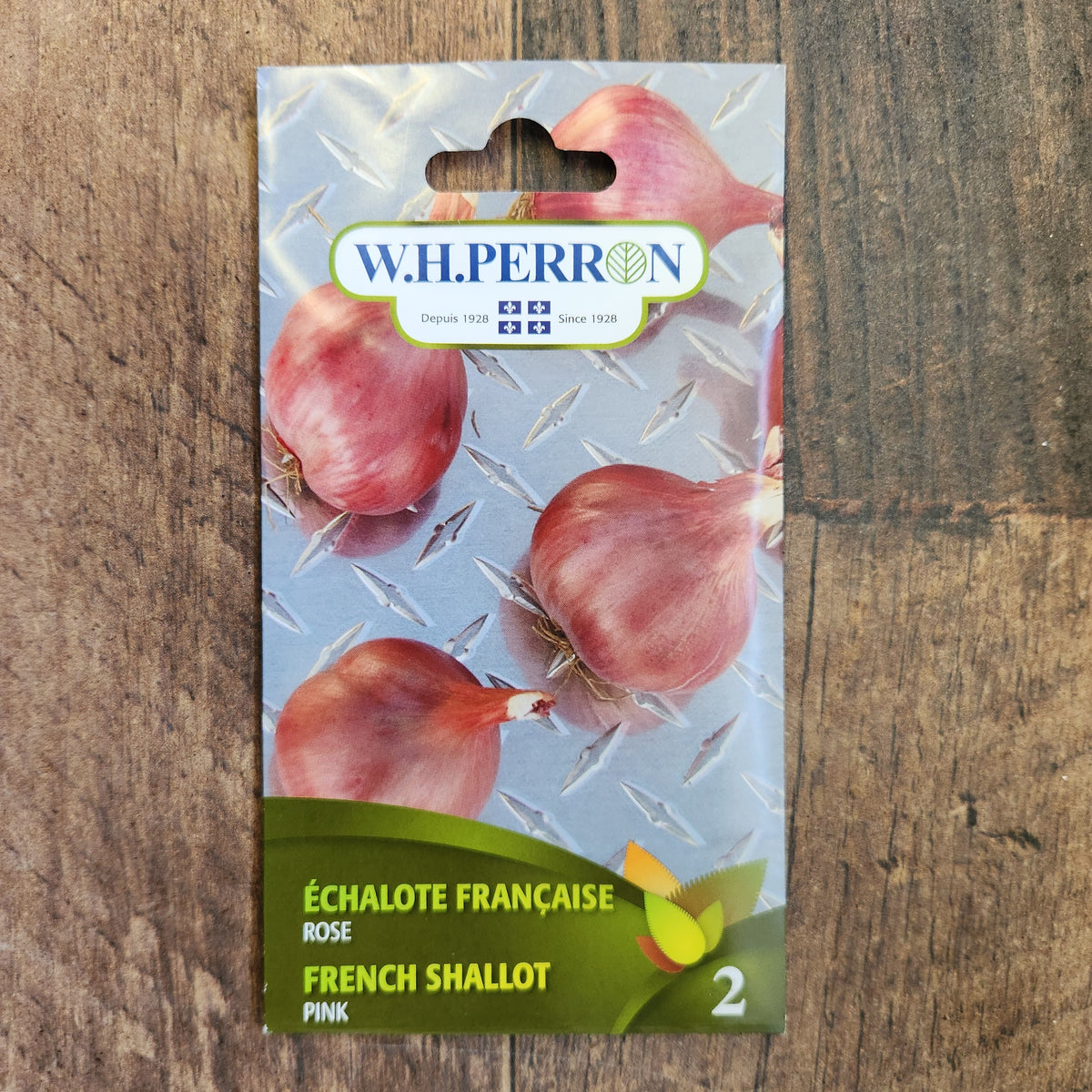
French shallot 'Pink'
Allium cepa var. aggregatum
Product code : WHPER-0068
The pink French shallot is grown from seed to produce bulbs with a reddish-brown skin. Its aromatic flavor is suitable for sauces, vinaigrettes, and simmered dishes. Begin growing 'Rose' French shallots in an area prepared for sowing. To start cultivation: Start indoors before planting in the garden. Sowing depth: 1 cm (0.4 in). Recommended spacing: 7 to 8 cm (2.8 to 3.1 in) between plants; 35 to 38 cm (13.8 to 15 in) between rows. Germination generally takes 12 to 14 days. Start early to give the shallots time to form their bulbs. Fine soil and well-weeded rows prevent unnecessary competition at the beginning of the cycle.
- Quantity
- About 75 seeds
- Exposure
- Sun
- Life cycle
- Biennial
Discover the plant
Common nameFrench shallot
FamilyAmaryllidaceae
GenusGarlic
Speciesonion
CultivarRose
TypeVegetable
Botanical nameAllium cepa var. aggregatum
French shallot (Allium cepa var. aggregatum 'Rose') (Allium cepa var. aggregatum). The pink French shallot is grown from seed to produce bulbs with red-brown skins. Its aromatic flavor is suitable for sauces, vinaigrettes, and stews. For French shallot (Allium cepa var. aggregatum 'Rose'), this packet allows you to start cultivation from seed and follow the development of the young plants. aggregatum 'Rose'), prepare the site before sowing, then keep a label to identify this selection among your other crops. aggregatum 'Rose'), the result will depend in particular on the available light, the soil, and the weather.
Start growing "French shallot 'Rose'" in a space prepared for sowing. For French shallot (Allium cepa var. aggregatum 'Rose'), to start cultivation: Start indoors before planting in the garden. Sowing depth: 1 cm (0.4 in). aggregatum 'Rose'), recommended spacing: 7 to 8 cm (2.8 to 3.1 in) between plants; 35 to 38 cm (13.8 to 15 in) between rows. Germination generally takes 12 to 14 days. Start early to give the shallots time to form their bulbs.
In the garden, "French shallot 'Rose'" requires a location suited to its development. Start early to give the shallots time to form their bulbs. Fine soil and well-weeded rows avoid unnecessary competition at the beginning of the cycle. For French shallot (Allium cepa var. aggregatum 'Rose'), place this crop in an easily accessible location to observe maturity and harvest without stepping on neighboring plants. aggregatum 'Rose'), organize companion planting according to the available space, light, and water, without expecting a neighboring plant to provide automatic protection against insects.

Sowing guide
It all startswith a seed.
Sowing depth
1 cm (3/8 in)
Spacing / density
7 to 8 cm (2.8 to 3.1 in) between plants; 35 to 38 cm (13.8 to 15 in) between rows
Germination time
12 to 14 days
Sowing period
June
Propagation
Sowing
Growing method
The pink French shallot is grown from seeds to produce bulbs with a reddish-brown skin. Its aromatic flavor is suitable for sauces, vinaigrettes, and simmered dishes. Begin growing 'Rose' French shallots in an area prepared for sowing. To start cultivation: Start indoors before planting in the garden. Sowing depth: 1 cm (0.4 in). Recommended spacing: 7 to 8 cm (2.8 to 3.1 in) between plants; 35 to 38 cm (13.8 to 15 in) between rows. Emergence generally takes 12 to 14 days. Start early to give the shallots time to form their bulbs. Fine soil and well-weeded rows prevent unnecessary competition at the beginning of the cycle. At the start of the season, prepare your equipment and check the soil condition before setting your schedule. Adapt interventions to the stage of the plants rather than to a rigid date. After emergence, ensure sufficient light and space out the seedlings to avoid excessive competition. Gradually acclimate plants intended for the outdoors. During growth, observe the foliage, moisture, and the possible appearance of pests.
Soil and care
The right care,at the right time.
Soil pH
6.0 to 7.0 — general recommended range for vegetable gardens
Watering
Moderate
Soil type
'Rose' French shallot: Start early to give the shallots time to form their bulbs. Fine soil and well-weeded rows prevent unnecessary competition at the beginning of the cycle. Use soil or a substrate that allows excess water to drain while retaining the moisture necessary for the roots. Work the soil when it has dried out to avoid compacting it. Remove weeds before planting and adapt organic matter additions to the crop.
Fertilization
Base fertilization on soil fertility, the substrate used, and observed growth. Follow the dosages indicated on the chosen product; increasing applications does not guarantee better results. Pre-enriched potting soil does not require the same interventions as a poor substrate. Avoid placing concentrated fertilizer against seeds or fragile roots. Water according to the manufacturer's instructions and reduce applications when growth slows down.
Moisture
Regularly moist soil, with no standing water
Seasonal care
The pink French shallot is grown from seed to produce bulbs with reddish-brown skins. Its aromatic flavor is suitable for sauces, vinaigrettes, and simmered dishes. At the start of the season, prepare your equipment and check the soil condition before setting your schedule. Adapt your interventions to the plants' growth stage rather than a rigid date. After emergence, ensure sufficient light and space the seedlings to avoid excessive competition. Gradually acclimate plants intended for the outdoors. During growth, observe the foliage, moisture, and the possible appearance of pests. Identify the problem before choosing an intervention. Remove debris that hinders airflow, keep paths accessible, and re-evaluate watering after rainfall. Note the sowing dates and key results. At the end of the cycle, clean your tools and store the remaining packets in a cool, dry place. These observations allow you to adjust future sowings more precisely to your location. Start seeds indoors early enough to allow the plants to establish themselves before planting in the garden. Use a fine potting mix, maintain consistent moisture, and provide plenty of light after emergence. Gradually acclimate the young plants to outdoor conditions. Plant them in fertile, well-draining soil, without compressing the roots. Water at the base during establishment and weed carefully to limit competition.
Container growing
A garden,within reach.
Start early to give the shallots time to form their bulbs. Fine soil and well-weeded rows prevent unnecessary competition at the beginning of the cycle. The French pink shallot is grown from seed to obtain bulbs with reddish-brown skins. Its aromatic flavor is suitable for sauces, vinaigrettes, and simmered dishes. Place the container in its permanent location before filling it. Choose a stable pot with drainage holes that is large enough for root development; a simple decorative pot without drainage does not allow water to escape. Use a potting mix rather than compact garden soil. Moisten the substrate before sowing or planting, without saturating it. Leave a rim at the top to make watering easier and keep space between the plants. Check the moisture regularly with your finger, as the surface can dry out while the bottom remains damp. Water slowly until the water comes out of the holes, then empty the saucer. During hot weather, check the pots more often. Fertilize according to the needs of the crop and the instructions on the chosen product. Roots have a limited volume, so container gardening requires different monitoring than growing in open ground. Position any supports as soon as you plant. Keep easy access to inspect the leaves, remove damaged parts, and harvest without pulling on the stems. At the end of the cycle, remove debris and clean the equipment before reusing it.

Garden associations
In goodcompany.
Companion plants
Organize neighboring crops according to their light requirements, height, and space occupied at maturity. Prevent tall plants from permanently shading smaller ones or blocking access for watering. Successive crops can use the same space if the first is harvested before the next one expands. Flowers diversify the garden, but companion planting does not guarantee the absence of pests. Keep enough air between plants and observe the interactions on-site. Use companion planting as an organizational tool, without attributing automatic protection against diseases to it.
Recipe idea
From the gardento your plate.
Edible parts
Bulbs
French 'Rose' shallot. For 4 servings, allow 500 g (18 oz) of vegetables, 1 small onion, 15 ml (1 tbsp) of oil, and 60 ml (¼ cup) of water. Prepare a side dish of cooked herb vegetables, choosing only the edible parts of the harvest. Wash the vegetables, remove any damaged parts, and cut them into uniformly sized pieces. Heat a little oil in a saucepan, add a minced onion, and let it soften over medium heat. Stir in the firmer vegetables first, then a small amount of water to prevent sticking. Cover and continue cooking until they become tender. Add delicate leaves or pieces that cook quickly toward the end. Season with fresh herbs, pepper, and a little salt to taste. Serve with rice, bread, or another cooked grain. Adjust the cooking time according to the vegetable used: the desired textures vary depending on the harvest. Refrigerate leftovers promptly in a clean container. This preparation is intended to be consumed as a cooked dish; it is not a canning method.
Frequently asked questions
Your questions,answered.
How do I start this crop from seed?
The pink French shallot is grown from seeds to produce bulbs with a reddish-brown skin. Its aromatic flavor is suitable for sauces, vinaigrettes, and braised dishes. Start growing "French Shallot 'Rose'" in an area prepared for sowing. To start cultivation: Start indoors before planting in the garden. Sowing depth: 1 cm (0.4 in). Recommended spacing: 7 to 8 cm (2.8 to 3.1 in) between plants; 35 to 38 cm (13.8 to 15 in) between rows. Emergence generally takes 12 to 14 days. Start early to give the shallots time to form their bulbs. Fine soil and well-weeded rows prevent unnecessary competition at the beginning of the cycle.
How do I adjust the watering?
The pink French shallot is grown from seed to produce bulbs with reddish-brown skins. Its aromatic flavor is suitable for sauces, vinaigrettes, and simmered dishes. Check moisture before watering and adjust the frequency according to rainfall, heat, and the stage of growth. Gently moisten the surface during germination so as not to displace the seeds. Once the plants are established, direct the water toward the soil rather than onto the leaves. Avoid standing water and extreme fluctuations between dryness and saturation. Containers generally dry out faster than garden beds and require more frequent checks.
How to choose your location?
The French 'Rose' shallot is grown from seed to produce bulbs with a reddish-brown skin. Its aromatic flavor is suitable for sauces, vinaigrettes, and simmered dishes. Begin growing 'Rose' French shallots in an area prepared for sowing. To start cultivation: Start indoors before planting in the garden. Sowing depth: 1 cm (0.4 in). Recommended spacing: 7 to 8 cm (2.8 to 3.1 in) between plants; 35 to 38 cm (13.8 to 15 in) between rows. Germination typically takes 12 to 14 days. Start early to give the shallots time to form their bulbs. Fine soil and well-weeded rows prevent unnecessary competition at the beginning of the cycle.
How to enjoy this selection?
The pink French shallot is grown from seeds to produce bulbs with reddish-brown skins. Its aromatic flavor is suitable for sauces, vinaigrettes, and simmered dishes. Place this crop in an easily accessible area to monitor maturity and harvest without trampling neighboring plants. Organize companion plantings based on available space, light, and water, without expecting a neighboring plant to provide automatic protection against insects. Regular harvesting allows you to choose the stage that corresponds to the intended culinary use. Clean vegetables before preparation and use only the parts recognized as edible. To preserve food in jars, use a proven recipe and the appropriate processing method. Note sowing and harvesting dates to better adjust the quantities grown the following season.
What landmarks should we keep in mind for the season?
The pink French shallot is grown from seed to produce bulbs with a reddish-brown skin. Its aromatic flavor is suitable for sauces, vinaigrettes, and braised dishes. At the start of the season, prepare your equipment and check the soil conditions before setting your schedule. Adjust your activities based on the growth stage of the plants rather than a rigid calendar. After emergence, ensure sufficient light and space out the seedlings to prevent excessive competition. Gradually acclimate plants intended for the outdoors. During growth, monitor the foliage, moisture, and the potential appearance of pests. Identify the problem before choosing an intervention.
For a great start to your seeds
The right extras.Right here.
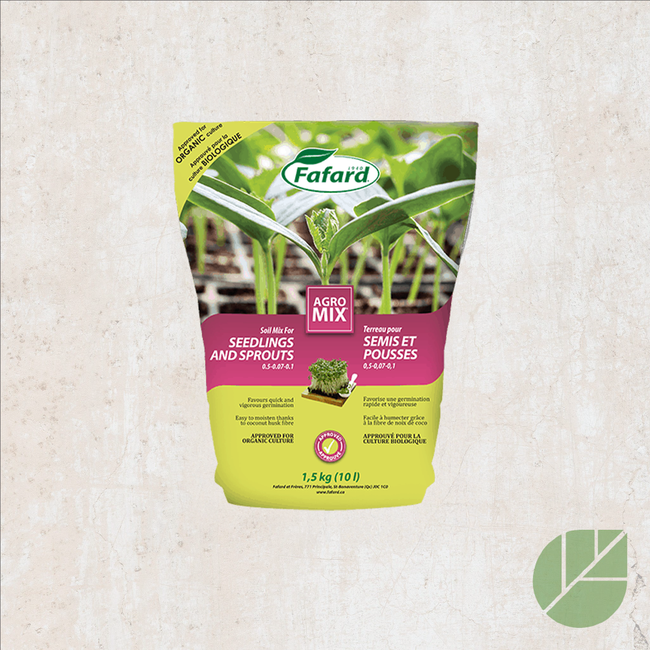
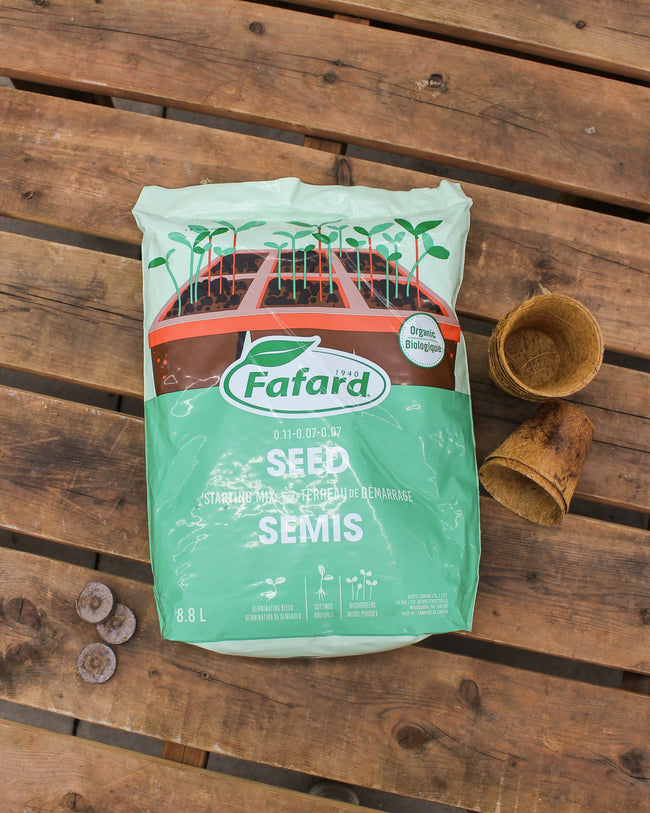
Seed Starting Soil
Shop the collectionSeed starting supplies
Shop the collection