Sale
Sold out

Germinated seeds and microgreens
Brassicaceae
Radish sprout 'Daikon' organic
Raphanus sativus var. longipinnatus
Product code : WHPER-0078
Organic daikon radish for sprouting adds a piquant flavor to young harvests. It can be grown as sprouts or microgreens, with a cutting stage adapted to each method. Use only seeds intended for food sprouting and thoroughly cleaned equipment. Follow the pouch method for soaking, as some small mucilaginous seeds are not treated like lentils. Rinse and drain according to the specific cultivation protocol; the water must not stagnate. For microgreens, choose a draining tray and a clean substrate, then provide light once the shoots develop.
- Quantity
- 30 g
Discover the plant
Common nameOrganic daikon radish sprouts
FamilyBrassicaceae
GenusRadish
Speciessativus
TypeGerminated seeds and microgreens
Botanical nameRaphanus sativus var. longipinnatus
Organic daikon radish sprout (Raphanus sativus var. longipinnatus). Organic daikon radish for sprouting adds a spicy flavor to young harvests. It can be grown as sprouts or microgreens, with a cutting stage suited to each method. For Organic daikon radish sprout, this packet allows you to start cultivation from seeds and follow the development of the young plants. For Organic daikon radish sprout, prepare the location before sowing, then keep a label to identify this selection among your other crops. For Organic daikon radish sprout, the result will depend notably on the available light, soil, and weather.
Start cultivating "Organic daikon radish sprout" in a space prepared for sowing. Work in small batches with clean equipment. For Organic daikon radish sprout, the soaking method varies according to the seed; a mucilaginous seed is not treated like a large legume. For Organic daikon radish sprout, use exclusively seeds intended for food germination and carefully cleaned equipment. For Organic daikon radish sprout, follow the packet method for soaking, as some small mucilaginous seeds are not treated like lentils.
For the harvest, "Organic daikon radish sprout" requires a location adapted to its development. Work in small batches with clean equipment. For Organic daikon radish sprout, the soaking method varies according to the seed; a mucilaginous seed is not treated like a large legume. For Organic daikon radish sprout, plan for small, frequent harvests to use the shoots while they are still fresh. For Organic daikon radish sprout, keep the batches identified and avoid mixing a new crop with older leftovers. For Organic daikon radish sprout, food sprouts can contain bacteria even when they appear clean; Health Canada recommends cooking them thoroughly.

Sowing guide
It all startswith a seed.
Propagation
Sowing
Growing method
Organic daikon radish for sprouting adds a spicy flavor to young harvests. It can be grown as sprouts or microgreens, with a cutting stage adapted to each method. Begin cultivating "Organic Daikon Radish Sprout" in an area prepared for sowing. Work in small batches with clean equipment. The soaking method varies according to the seed; a mucilaginous seed is not treated like a large legume. Use exclusively seeds intended for food sprouting and carefully cleaned equipment. Follow the pouch method for soaking, as some small mucilaginous seeds are not treated like lentils. Rinse and drain according to the culture-specific protocol; water must not stagnate. At the beginning of the season, prepare the equipment and check the soil condition before setting your schedule. Adapt interventions to the plant stage rather than a rigid date. After emergence, ensure sufficient light and space out the seedlings to avoid excessive competition. Gradually acclimate plants intended for the outdoors. During growth, observe the foliage, humidity, and the possible appearance of pests. For Organic Daikon Radish Sprout, keep the identified pouch in order to track the data specific to the cultivar throughout the season.
Recipe idea
From the gardento your plate.
Edible parts
Sprouts and microgreens intended for this purpose; cook sprouts thoroughly
Organic daikon radish sprouts. For 2 servings, allow 100 g (3.5 oz) of sprouts and 500 ml (2 cups) of pre-made vegetable soup. Add thoroughly cooked sprouts to vegetable soup. Use only a harvest produced from seeds intended for food sprouting and discard any culture that has an abnormal odor or mold. Prepare a broth with vegetables of your choice, then bring it to a boil. Add the sprouts and continue cooking until they are cooked through; a simple rinse or a decorative addition at the time of service does not replace this step. Stir to distribute the heat and check the texture before serving. Season according to the other ingredients in the meal. For mixes, check the pouch composition to account for allergens, particularly sesame or mustard when present. Refrigerate leftovers promptly. This recipe does not make a spoiled culture usable and does not guarantee the safety of sprouts consumed raw. Keep equipment that has touched raw sprouts separate from clean utensils used to serve the soup.
Frequently asked questions
Your questions,answered.
How do I start this crop from seed?
Organic daikon radish for sprouting adds a piquant flavor to young harvests. It can be grown as sprouts or microgreens, with a cutting stage adapted to each method. Start cultivating "Organic daikon radish sprouts" in an area prepared for sowing. Work in small batches with clean equipment. The soaking method varies according to the seed; a mucilaginous seed is not treated like a large legume. Use exclusively seeds intended for food sprouting and carefully cleaned equipment. Follow the bag method for soaking, as some small mucilaginous seeds are not treated like lentils. Rinse and drain according to the culture-specific protocol; water must not stagnate.
How do I adjust the watering?
Organic daikon radish for sprouting adds a piquant flavor to young harvests. It can be grown as sprouts or microgreens, with a cutting stage adapted to each method. Start growing "Organic daikon radish sprouts" in an area prepared for sowing. Work in small batches with clean equipment. The soaking method varies according to the seed; a mucilaginous seed is not treated like a large legume. Use only seeds intended for food sprouting and carefully cleaned equipment. Follow the bag method for soaking, as some small mucilaginous seeds are not treated like lentils. Rinse and drain according to the specific cultivation protocol; water must not stagnate.
How to choose your location?
Organic daikon radish for sprouting adds a piquant flavor to your young crops. It can be grown as sprouts or microgreens, with a harvest stage adapted to each method. Begin cultivating "Organic Daikon Radish Sprouts" in a space prepared for sowing. Work in small batches with clean equipment. The soaking method varies according to the seed; a mucilaginous seed is not treated like a large legume. Use only seeds intended for food sprouting and thoroughly cleaned equipment. Follow the bag method for soaking, as some small mucilaginous seeds are not treated like lentils. Rinse and drain according to the specific cultivation protocol; water must not stagnate.
How can I take advantage of this selection?
Organic daikon radish for sprouting adds a piquant flavor to your harvests. It can be grown as sprouts or microgreens, with a cutting stage suited to each method. Plan small, frequent harvests to use the shoots while they are still fresh. Keep batches identified and avoid mixing a new crop with older leftovers. Food sprouts may contain bacteria even when they appear clean; Health Canada recommends cooking them thoroughly. Rinsing alone does not guarantee safety. After harvesting, refrigerate sprouts promptly and consume them without delay. Discard any product that has lost its freshness or has a suspicious odor. Children, pregnant individuals, seniors, and immunocompromised people should avoid raw or lightly cooked sprouts.
What benchmarks should we keep during the season?
Organic daikon radish for sprouting adds a piquant flavor to young harvests. It can be grown as sprouts or microgreens, with a cutting stage adapted to each method. At the beginning of the season, prepare your equipment and check the soil condition before setting your schedule. Adapt your interventions to the plant stage rather than a rigid date. After emergence, ensure sufficient light and space out the seedlings to avoid excessive competition. Gradually acclimate plants destined for outdoors. During growth, observe the foliage, moisture, and the possible appearance of pests. Identify the problem before choosing an intervention.
For a great start to your seeds
The right extras.Right here.
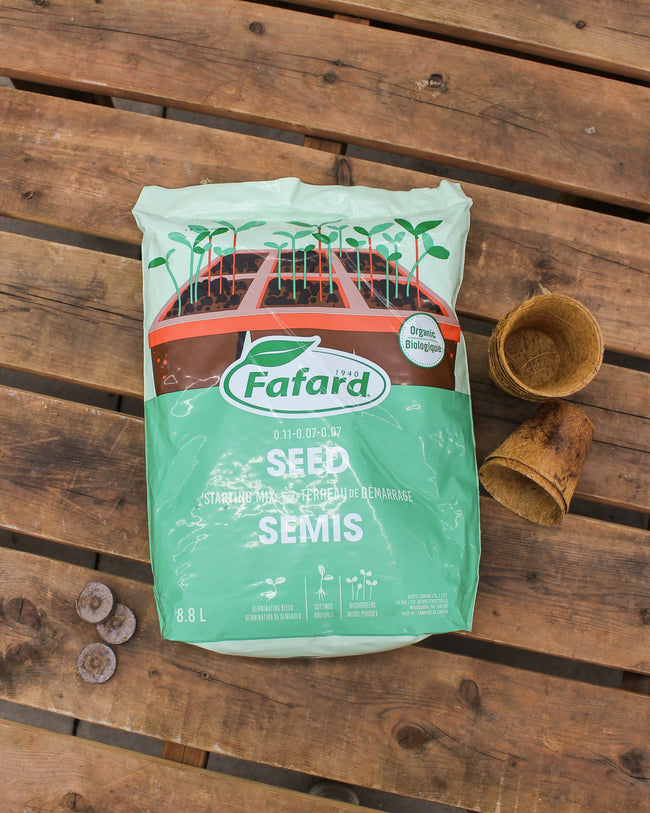
Seed Starting Soil
Shop the collectionSeed starting supplies
Shop the collection