Sale
Sold out

Fabaceae
Trees and shrubs
Japanese wisteria
Japanese Wisteria
- Exposure
- Sun
- Hardiness
- Zone 5
Discover the plant
Common nameJapanese wisteria
FamilyFabaceae
GenusWisteria
Speciesfloribunda
CultivarMacrobotrys
TypeClimbing plant
Botanical nameJapanese Wisteria
Japanese Wisteria ‘Macrobotrys’ (Wisteria floribunda ‘Macrobotrys’). Wisteria floribunda ‘Macrobotrys’, commonly known as Japanese wisteria ‘Macrobotrys’, is a spectacular climbing plant famous for its exceptionally long floral clusters. Its vigorous and twining habit allows it to cover pergolas, arbours, and large structures, creating an impressive architectural effect. In spring, it produces cascading clusters that can exceed 60 cm (2 ft) in length, composed of delicately fragrant lilac-purple flowers that open progressively from the base to the tip. This cascading bloom attracts pollinating insects and offers a stunning spectacle.
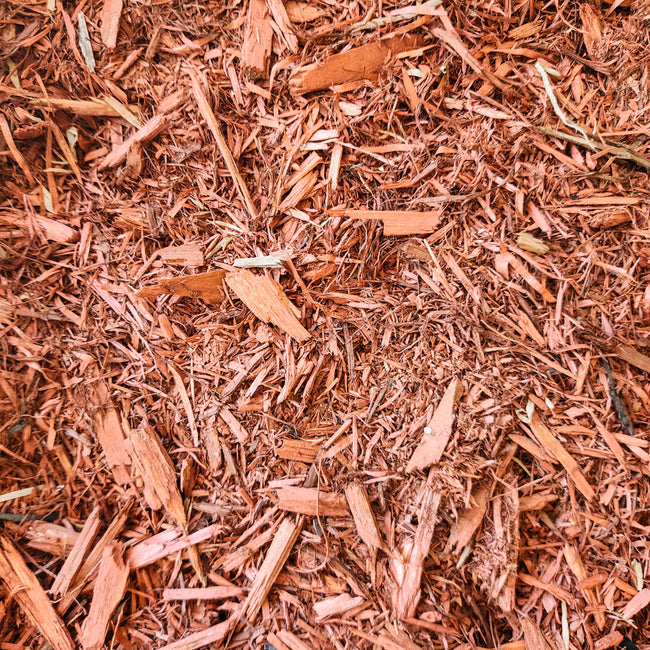
To plant Japanese wisteria ‘Macrobotrys’, choose a suitable exposure: full sun. The recommended soil is rich, well-drained. Provide sturdy and durable support before planting this climber. Guide young shoots to maintain access to structures and monitor their winding. Flowering can be affected by bud frost and improper pruning. Water the root ball before planting and ensure water can drain after planting. During establishment, check soil moisture by hand before watering again. Spread mulch around the base, leaving the crown clear.
Allow a width of 6 m (20 ft) to allocate space for this plant in the garden. The indicated height of 9 m (30 ft) helps choose its position relative to neighbouring plants. Maintain access to the base for weeding, checking moisture, and removing damaged parts. Associate this variety with plants whose light and water requirements are compatible. If you are considering a container, first check that its volume and drainage are suitable for root development. Potted roots are more exposed to cold than those planted in the ground.

Soil and care
The right care,at the right time.
Minimum temperature
'-30°C
Watering
Moderate watering
Soil type
Slightly acidic to neutral, rich and well-drained
Fertilization
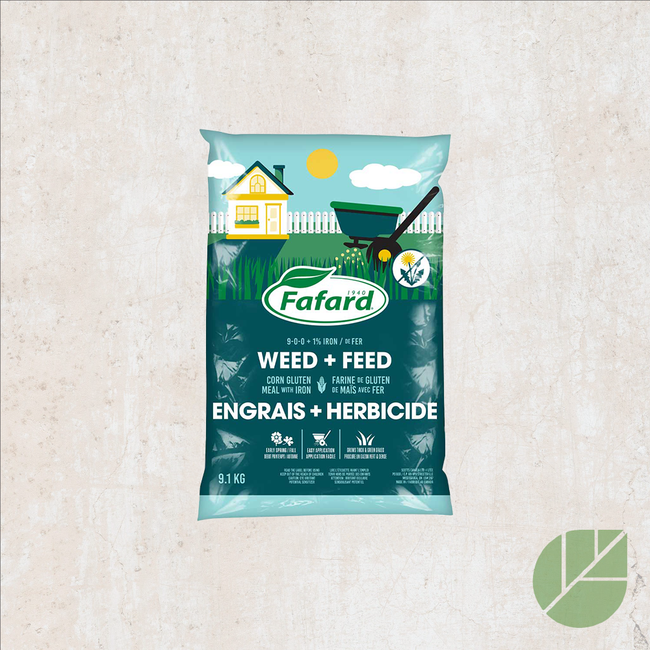
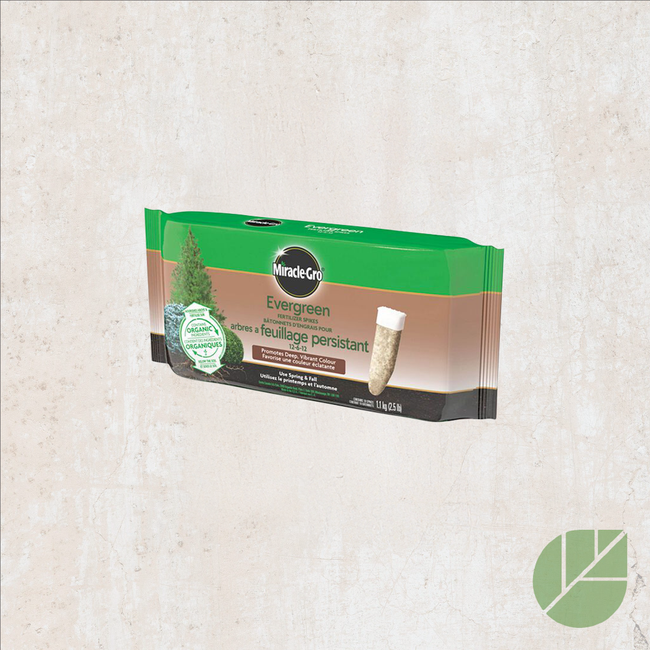
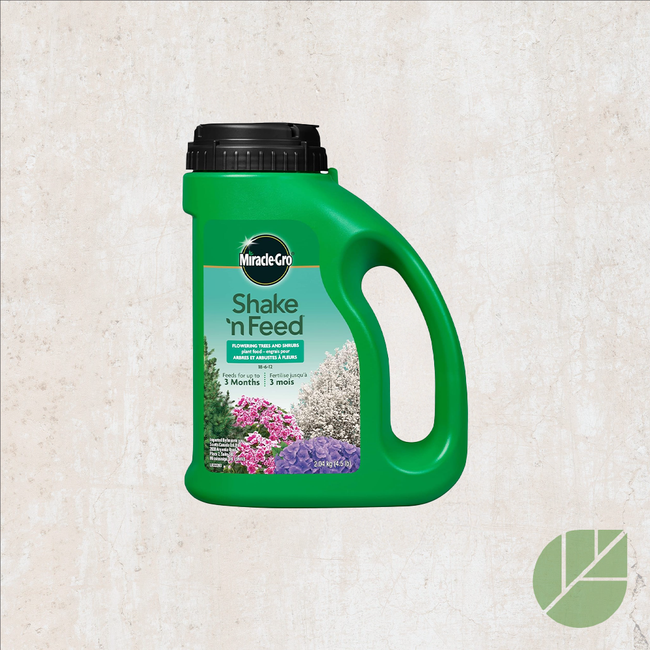
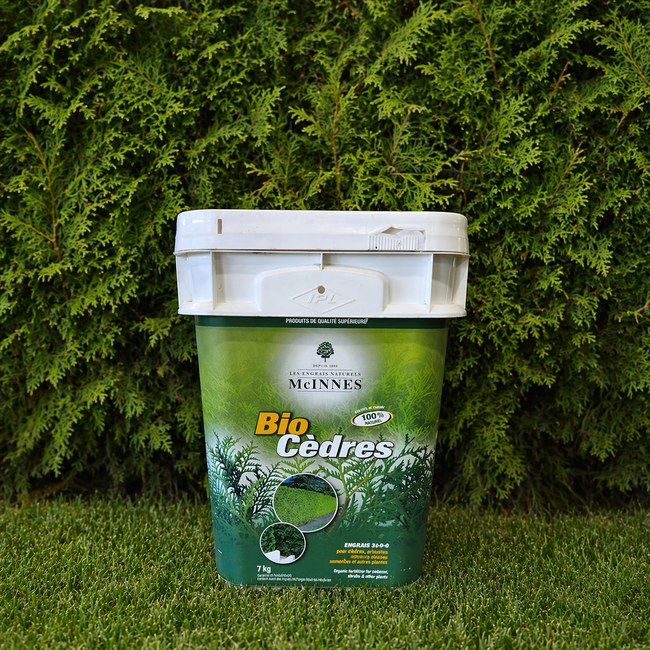
Acid-loving fertilizer in spring. Fertilize monthly or as directed on the bag. Not recommended – use Bionik rooting agent or ground bone.
Bloom and dimensions
Its place,in your garden.
Mature height
8 to 10 m (26 to 33 ft)
Width / spread
3 m (10 feet)
Flower color
Purple
Foliage color
Green
Foliage type
Obsolete
Growth rate
fast
Growth habit
Very vigorous climbing vine
Bloom period
Spring
Fruiting
Elongated brownish pods containing seeds
Wildlife and pets
Life,around your plants.
Supporting wildlife
Yes
For your trees, shrubs and conifers
The right extras.Right here.
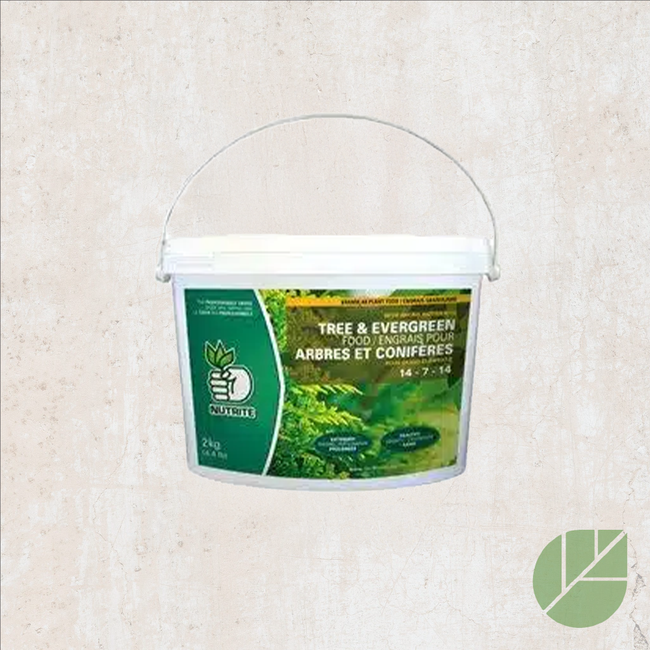
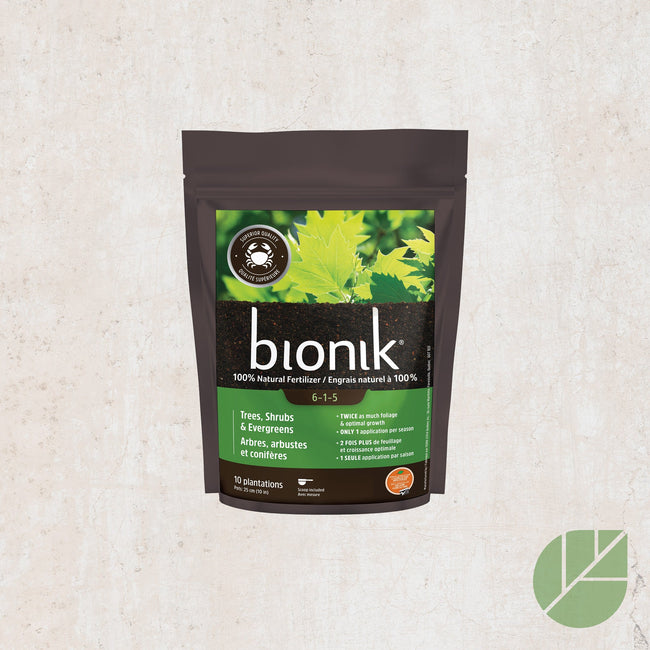
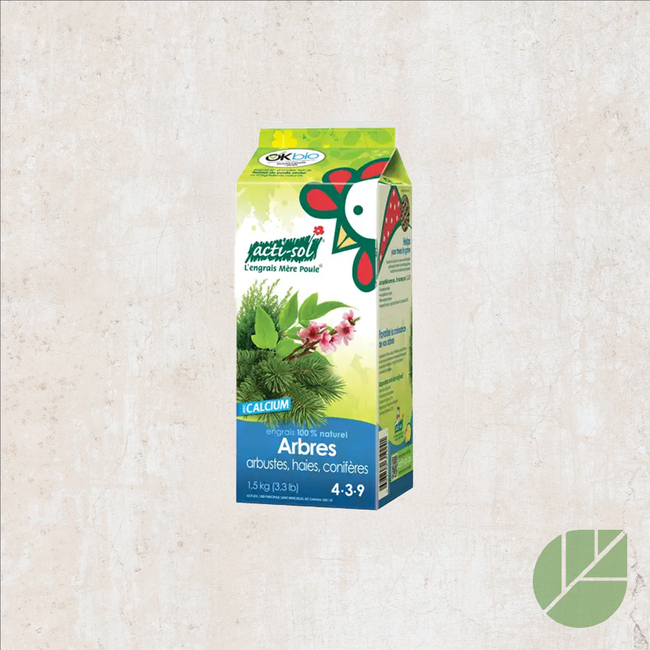
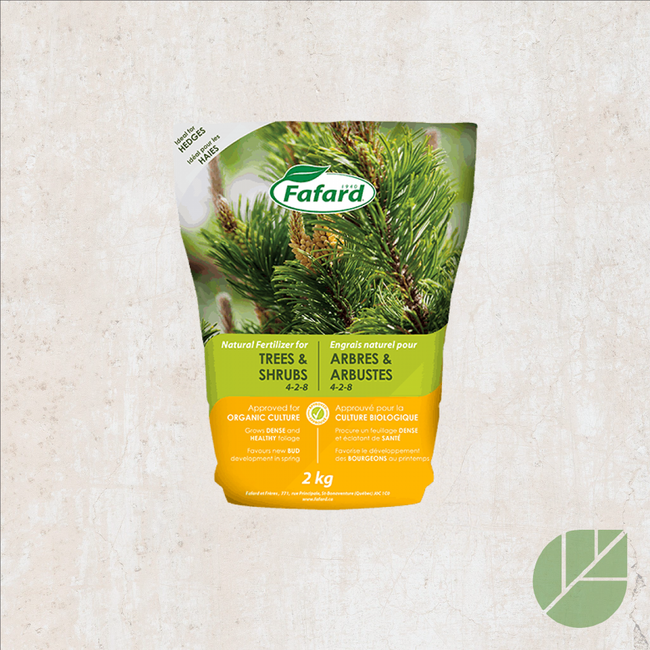
Tree and Shrub Fertilizer
Shop the collection