

Sale
Sold out

Vegetable
Cucurbitaceae
Yellow zucchini organic
Cucurbita pepo
Product code : JAREC-0282
Organic yellow zucchini is a luminous variety that immediately brightens up the vegetable garden, both by the vigor of its plant and the sunny color of its fruits. Very productive in season, it offers a quick and generous harvest, ideal for gardeners who like to see their efforts rewarded in a short time. Its firm, juicy, and slightly sweet flesh lends itself to a multitude of culinary uses, from fresh salads to comforting gratins, as well as stir-fries and soups. In the garden, its large foliage creates an abundant and lively presence, while helping to shade the soil and limit its drying out.
- Quantity
- About 20 seeds
- Exposure
- Sun
- Life cycle
- Annual
Discover the plant
Common nameYellow zucchini
FamilyCucurbitaceae
GenusCucurbita
Speciessquash
TypeVegetable
Botanical nameCucurbita pepo
Reproducible seedsYes
Yellow Zucchini (Cucurbita pepo). Organic yellow zucchini is a luminous variety that immediately brightens up the vegetable garden, both by the vigor of its plant and the sunny color of its fruits. Very productive in season, it offers a quick and generous harvest, ideal for gardeners who like to see their efforts rewarded in a short time. Its firm, juicy, and slightly sweet flesh lends itself to a multitude of culinary uses, from fresh salads to comforting gratins, as well as stir-fries and soups. In the garden, its large foliage creates an abundant and lively presence, while helping to shade the soil and limit its drying out.
Recommended sowing period: May to June. The depth to respect is 2 to 3 cm (0.8 to 1.2 in). Germination usually takes 7 to 14 days. For germination, keep the potting soil at 20 to 24 °C (68 to 75 °F). Squashes and zucchinis transplant better when their roots remain intact. Sowing in individual pots facilitates transplantation; in the garden, wait for the soil to warm up. Avoid burying seedlings in cold and saturated soil. Identify each location and immediately leave the necessary surface area for the stems.
This yellow squash is harvested young, like a yellow zucchini, before the seeds harden. Make frequent passes through the vegetable garden: the fruits grow quickly in warm weather. Organize the space for the squash before sowing. Bush types remain around their planting point, while vining types should be able to spread to a free area. Guide the stems without bending them abruptly and keep the fruits accessible. Mulch limits direct contact with moist soil. Avoid letting the foliage cover small neighboring vegetables. Very productive in season, it offers a quick and generous harvest, ideal for gardeners who like to see their efforts rewarded in a short time.

Sowing guide
It all startswith a seed.
Sowing depth
2 to 3 cm (0.8 to 1.2 in)
Germination temperature
20 to 24 °C (68 to 75 °F)
Germination time
7 to 14 days
Sowing period
May to June
Propagation
Sowing
Growing method
Recommended sowing period: May to June. Sow at a depth of 2 to 3 cm (0.8 to 1.2 in). Germination typically takes 7 to 14 days. For germination, maintain the potting mix at 20 to 24 °C (68 to 75 °F). Squashes and zucchini transplant best when their roots remain undisturbed. Sowing in individual pots facilitates transplanting; in the garden, wait until the soil has warmed up. Avoid burying seedlings in cold, waterlogged soil. Mark each planting spot and allow sufficient space for the stems from the outset. Young plants may appear small when sown, but their foliage quickly takes up much more space. Observe the difference between male and female flowers, with the latter having a small fruit at their base. Therefore, the presence of flowers does not mean that every flower will produce a squash. Allow insects access to the blossoms when the variety depends on pollination. Cut the fruits with a peduncle rather than pulling them off, then set aside any damaged specimens before storing your harvest. Zucchini should be harvested young, while squashes intended for storage complete their maturation on the plant.
Soil and care
The right care,at the right time.
Care level
Regular during establishment, then adapted to growing conditions
Watering
Regular
Soil type
Rich, friable, and well-drained
Fertilization
Fertilization supports growth and takes into account the nutrients already present in the soil or potting mix. Use mature compost or a fertilizer suitable for the crop, following the dosage instructions. Avoid using multiple products, especially in a container where roots occupy a limited volume. Water as needed after application and observe leaf development before re-fertilizing.
Moisture
Keep the soil moist during germination, avoiding standing water; then adjust according to the crop.
Seasonal care
This yellow squash is harvested young, like a yellow zucchini, before the seeds harden. Check your garden frequently: the fruits grow quickly in warm weather. Squash and zucchini transplant better when their roots remain intact. Sowing in individual pots facilitates transplantation; in the garden, wait for the soil to warm up. Avoid burying seedlings in cold, waterlogged soil. Identify each location and allow sufficient space for the stems from the start. Young plants may appear small when sown, but their foliage quickly takes up much more room. Observe the difference between male and female flowers, with the latter bearing a young fruit at their base. The presence of flowers does not mean that every flower will produce a squash. Allow insects to access the blossoms if the variety relies on pollination. Cut the fruits with a stem rather than pulling them off, then set aside damaged ones before storing your harvest. Zucchini are harvested young, while squash intended for storage finish ripening on the plant. This difference affects the frequency of harvesting and culinary use. Keep fruits out of pathways and protect them from prolonged contact with soggy soil. Remove damaged fruits before storing. Very productive in season, it offers a quick and generous harvest, ideal for gardeners who like to see their efforts rewarded in a short time.
Container growing
A garden,within reach.
Suitable for containers
Yes
Recommended pot size
A sturdy container with drainage holes, wide enough for the plant to spread out and deep enough for its roots.
Choose this exposure: sun. Reserve this spread around the plant: 1 to 1.5 m (3 to 5 ft). For varieties suitable for containers, choose a wide, stable pot, then allow the foliage to extend beyond the rim without blocking a walkway. Large leaves quickly lose water in hot weather. Water the entire root ball and control the flow at the bottom of the pot. A container too tightly packed among other plants makes harvesting difficult and keeps the foliage wet longer. Organic yellow zucchini is a luminous variety that immediately brings radiance to the vegetable garden, both by the vigor of its plant and the sunny color of its fruits. Very productive in season, it offers a quick and generous harvest, ideal for gardeners who like to see their efforts rewarded in a short time. Its firm, juicy, and slightly sweet flesh lends itself to a multitude of culinary uses, from fresh salads to comforting gratins, as well as stir-fries and soups. In the garden, its large foliage creates an abundant and vibrant presence, while helping to shade the soil and limit its drying out.

Bloom and dimensions
Its place,in your garden.
Mature height
60 to 80 cm (24 to 32 in)
Width / spread
1 to 1.5 m (3 to 5 ft)
Foliage type
Seasonal foliage
Bloom period
July to September
Fruiting
Highly productive in season, it offers a quick and generous harvest, ideal for gardeners who like to see their efforts rewarded in a short amount of time. Its firm, juicy, and slightly sweet flesh lends itself to a multitude of culinary uses, from fresh salads to comforting gratins, as well as stir-fries and soups. Picked young, it reveals a tender texture and a delicate flavor particularly appreciated in cooking.
Harvest
50 days post-transplant

Garden associations
In goodcompany.
Companion plants
In a diversified plantation, you can reserve neighboring sections for these plants: beans, corn, sunflowers. The association here serves to organize space and harvests. Respect the height, light, and water needs of each plant, without crowding the foliage. Maintain a path for watering and harvesting, then remove finished crops to free up space. This organization simplifies maintenance but does not promise pest protection. Plan the squash placement before sowing. Bush varieties remain around their planting point, while vine varieties need to be able to spread to an open area.
Recipe idea
From the gardento your plate.
Edible parts
Young fruit
Yellow Courgette Kitchen Idea: Sautéed Courgettes for four servings. Cut 600g of young fruits into half-moon slices or small wedges. Heat 15ml of olive oil in a large pan and sauté the pieces for eight to twelve minutes. Work in two batches if the pan is small to avoid boiling the vegetables in their own juice. Add a minced garlic clove at the end of cooking, then a little parsley. Season with salt and serve as soon as the flesh is tender. Prepare the ingredients with clean utensils and adjust the cut to the size of your harvest. This recipe highlights freshly picked parts: remove any damaged pieces before preparation. If you double the quantities, leave enough space in the dish to mix or cook evenly. Quickly place leftovers in the refrigerator in a sealed container and consume within two days. For a two-person meal, simply divide all quantities by two.
Frequently asked questions
Your questions,answered.
How to successfully sow yellow zucchini?
Recommended sowing period: May to June. Sow at a depth of 2 to 3 cm (0.8 to 1.2 in). Germination usually takes 7 to 14 days. For germination, maintain the potting mix at 20 to 24 °C (68 to 75 °F). Squashes and zucchinis transplant better when their roots remain intact. Sowing in individual pots facilitates transplantation; in the garden, wait for the soil to warm up. Avoid burying seedlings in cold, saturated soil. Identify each location and allow sufficient space for the stems from the start. Young plants may appear small at sowing, but their foliage quickly takes up much more space.
Can yellow zucchini be grown in pots?
Choose this exposure: full sun. Allow this spread around the plant: 1 to 1.5 m (3 to 5 ft). For varieties suitable for containers, choose a wide, stable pot, allowing the foliage to extend beyond the rim without blocking a pathway. Large leaves quickly lose water in hot weather. Water the entire root ball and check for drainage at the bottom of the pot. A container placed too close to other plants makes harvesting difficult and keeps the foliage moist for longer. The organic yellow zucchini is a bright variety that immediately adds vibrancy to the vegetable garden, both with its vigorous growth and the sunny color of its fruit.
When to harvest yellow zucchini?
Very productive in season, it offers a quick and generous harvest, ideal for gardeners who like to see their efforts rewarded quickly. Its firm, juicy, and slightly sweet flesh lends itself to a multitude of culinary uses, from fresh salads to comforting gratins, as well as stir-fries and soups. Picked young, it reveals a tender texture and a delicate flavour particularly appreciated in cooking. A zucchini is harvested young, whereas a squash intended for storage finishes its maturation on the plant. This difference changes the frequency of harvests and culinary use. Keep the fruits out of pathways and protect them from prolonged contact with soggy soil.
How to enjoy yellow zucchini in the garden?
This yellow squash is harvested young, like a yellow zucchini, before the seeds harden. Check your garden frequently: the fruits grow quickly in warm weather. Organic yellow zucchini is a vibrant variety that immediately brightens up the garden, both by the vigor of its plant and the sunny color of its fruits. Very productive in season, it offers a quick and generous harvest, ideal for gardeners who like to see their efforts rewarded in a short time. Its firm, juicy, and slightly sweet flesh lends itself to a multitude of culinary uses, from fresh salads to comforting gratins, as well as stir-fries and soups. In the garden, its large foliage creates an abundant and lively presence, while helping to shade the soil and limit its drying out.
How to organize a Yellow Zucchini planting?
Organize the squash placement before sowing. Bush types will stay around their planting spot, while vining types need to be able to spread into a clear area. Guide the stems without bending them sharply and keep the fruits accessible. Mulch limits direct contact with moist soil. Avoid letting the foliage cover small neighboring vegetables. Observe the difference between male and female flowers, with the latter having a young fruit at their base. The presence of flowers therefore does not mean that every flower will produce a squash. Allow insects to access the blossoms when the variety depends on pollination.
For a great start to your seeds
The right extras.Right here.
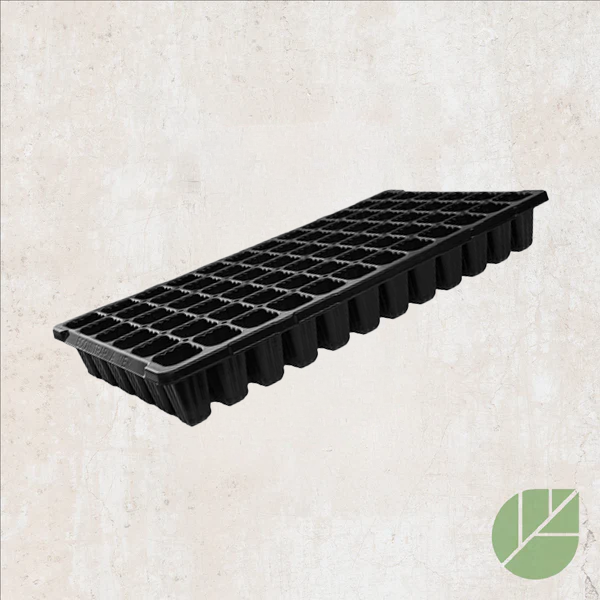
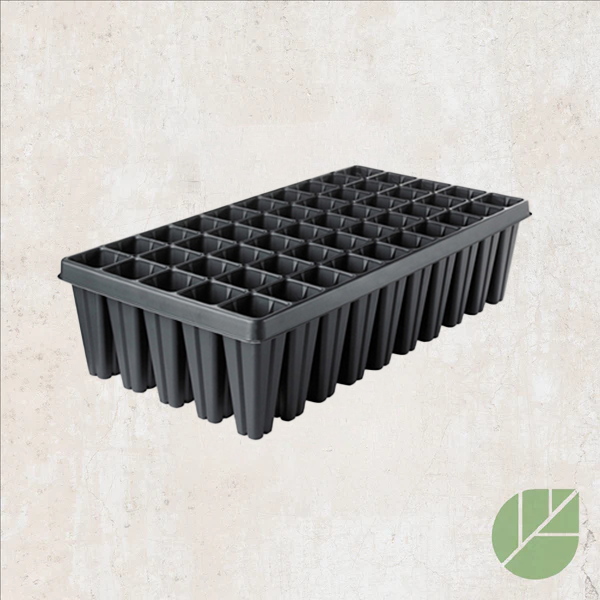
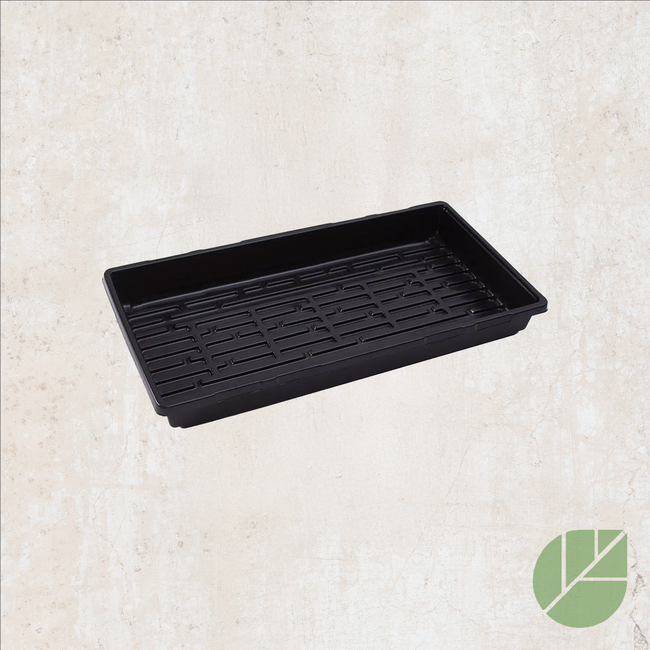
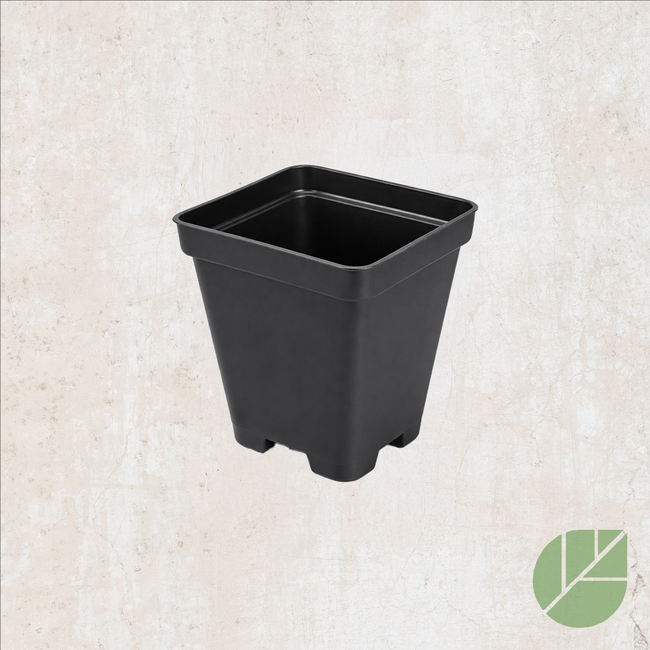
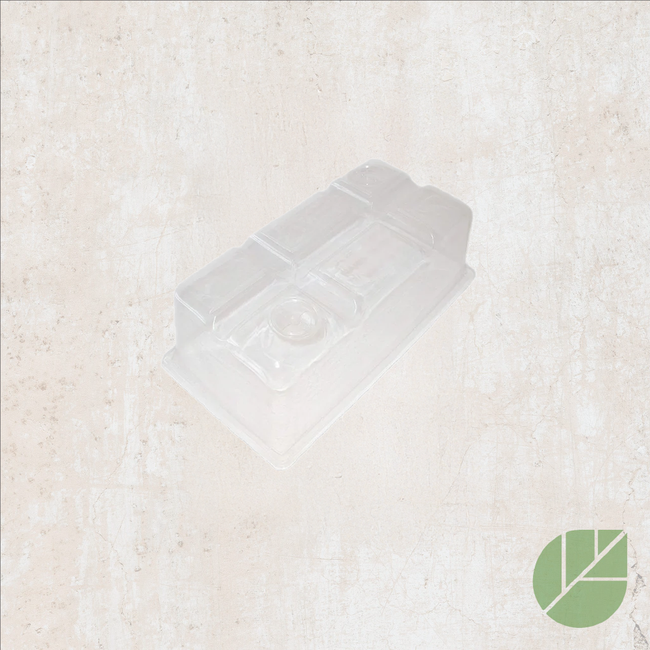
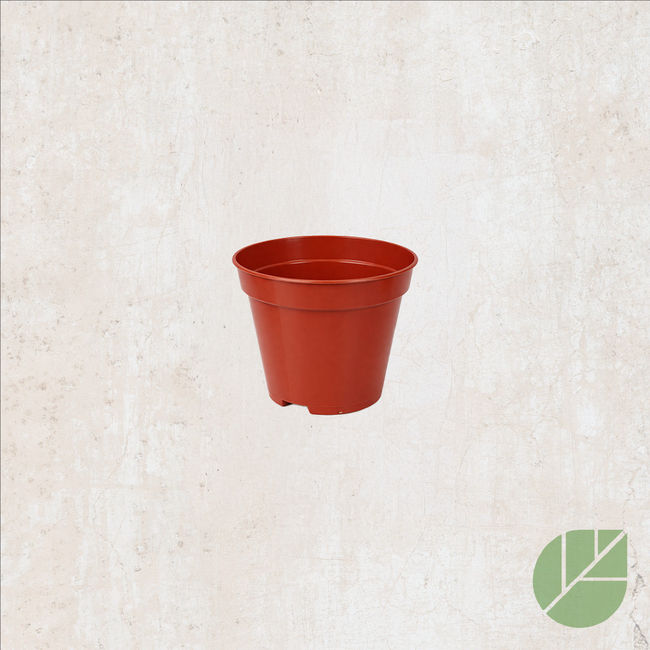
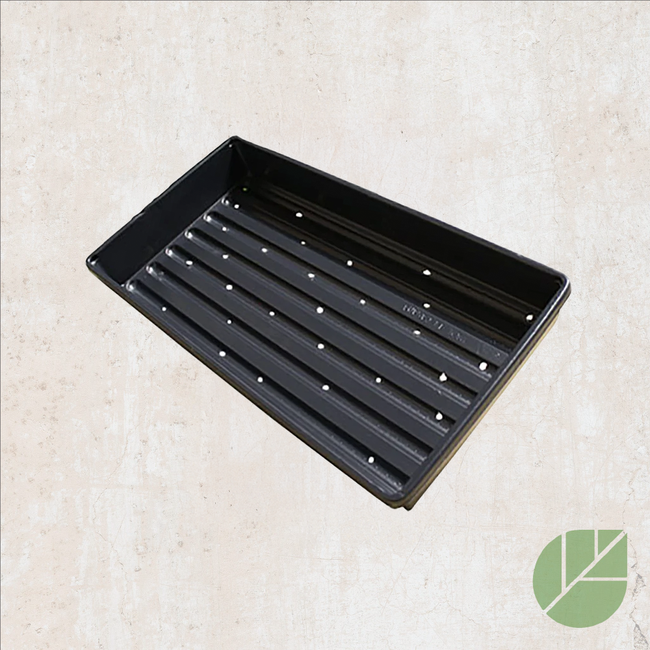
Platters, pots and domes
Shop the collection
Seed Starting Soil
Shop the collectionSeed starting supplies
Shop the collection




