Plantes d’extérieur
Tout pour fleurir, cultiver et aménager votre jardin.


Cyclamen brightens indoor spaces with its delicate flowers and uniquely marbled foliage. Despite its delicate appearance, this plant is easy to care for once you understand its natural cycle, temperature preferences, and watering needs.
This complete guide walks you through each step to keep your cyclamen healthy: light, temperature, watering, humidity, repotting, dormancy, and solutions to common problems.
Cyclamen Cyclamen persicum follows a reversed rhythm compared to most houseplants. It grows and blooms when temperatures are cool, slows down in spring, and then enters full dormancy during summer.

Yellowing in spring does not mean your cyclamen is dying: it is simply entering dormancy. This natural rest period is essential for its long-term health.
Cyclamen prefers bright light, but never direct sun. Too much intense sunlight can burn the leaves, while too little light reduces flowering and causes stems to stretch.
Best locations include an east-facing window, a north-facing window, or a west-facing window with a light sheer curtain.

Cyclamen is one of the few indoor plants that prefers cool conditions. It performs best between 13 and 18 °C during the day, and around 10 °C at night. Above 20 °C, it can decline quickly.
Avoid radiators, heating vents, and overheated rooms. A cool environment greatly extends the blooming period.
The cyclamen tuber is very sensitive to rot. Watering should be regular but light, and never excessive.
Water when the top of the potting mix feels dry and the pot feels lighter.
Bottom watering is ideal. Place the pot in a bowl of water for 10 minutes, then let it drain. If watering from above, water around the edge of the pot, never in the center.

Ideal humidity is between 40 and 50%. Cyclamen should not be misted, as stagnant moisture can encourage fungal diseases. Good airflow, without cold drafts, helps prevent botrytis.
Cyclamen does not need frequent feeding. Fertilize only during active growth with a flowering plant fertilizer diluted to half strength, every three to four weeks.
To encourage continuous flowering, remove faded blooms by gently pulling from the base with a slight twist. Do not cut them, as this can leave a small stub that may rot.
Repot only after dormancy, when the roots fill the pot. Choose a light potting mix and a pot that is only slightly larger. A pot that is too large holds excess water and increases the risk of rot.

In summer, cyclamen leaves yellow and dry out: this is normal. Reduce watering and let the plant rest in a cool, dry place. When new leaves appear in late summer, gradually resume watering and fertilizing.
Often caused by overwatering, excessive heat, or insufficient light.
This usually means the room is too warm. Move the plant to a cooler location.
Caused by stagnant humidity. Remove affected parts and improve airflow.
Check the potting mix: it may be either too dry or too wet. Adjust watering accordingly.
Tout pour fleurir, cultiver et aménager votre jardin.
Une touche de nature, dans chaque pièce.
Tout pour fleurir, cultiver et aménager votre jardin.
Tout découvrir Potager et fines herbes
 Fleurs et vivaces
 Arbres et arbustes
 Soins et plantation
Une touche de nature, dans chaque pièce.
Tout découvrir Plantes tropicales
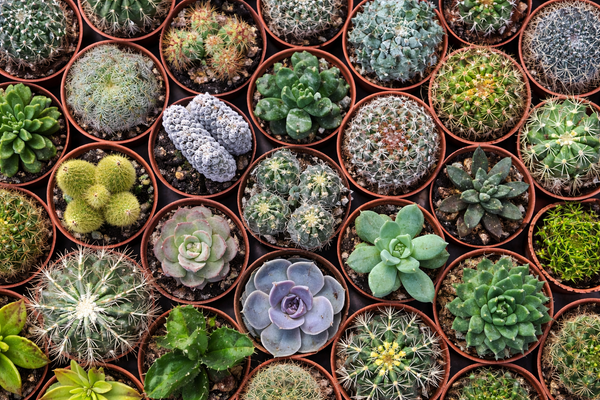 Cactus et succulentes
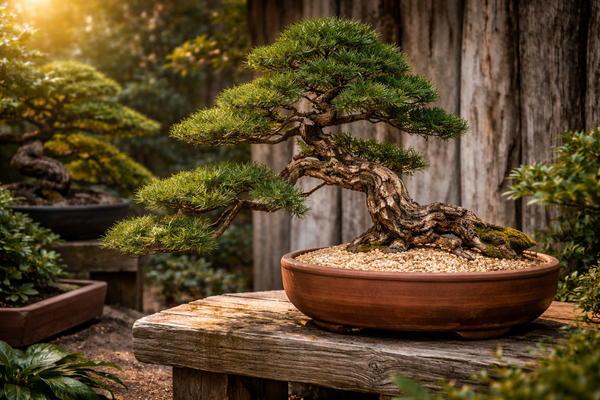 Collections spécialisées
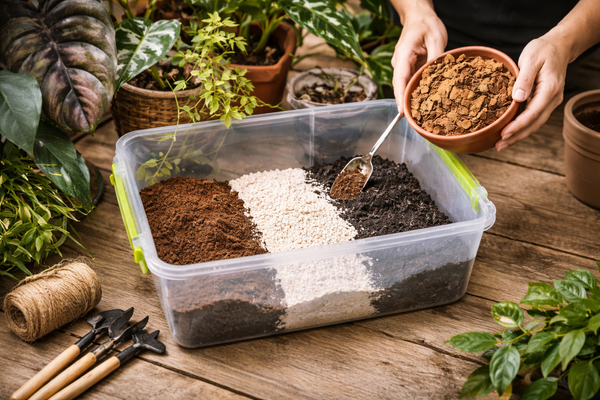 Soins et accessoires
Tout pour semer, planter et faire pousser.
Tout découvrir Semences
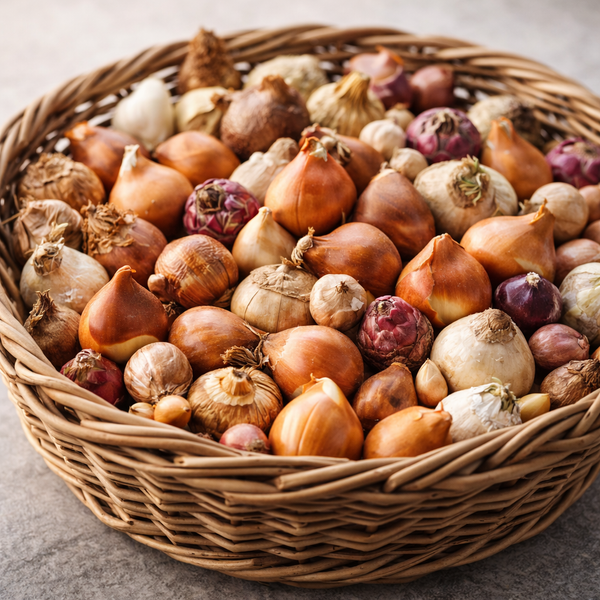 Bulbes
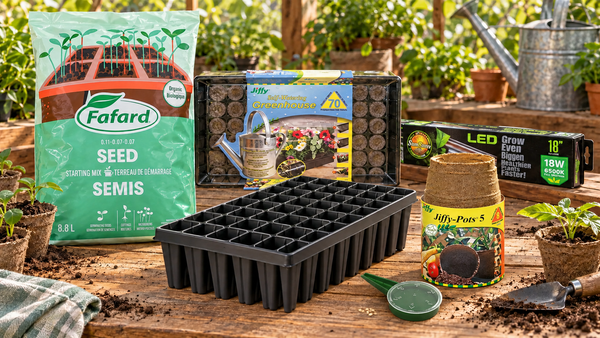 Tout pour les semis
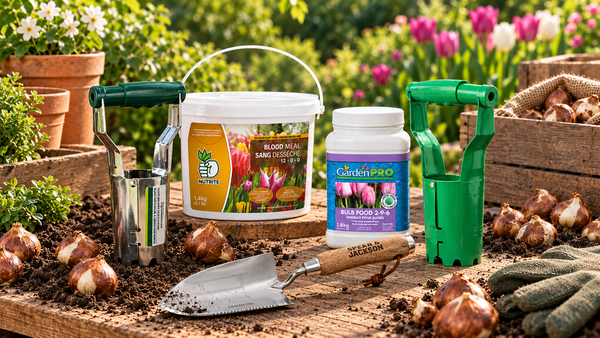 Pour planter les bulbes
Tout pour semer, nourrir et retrouver une belle pelouse.
Tout pour semer, nourrir et retrouver une belle pelouse.
Tout découvrir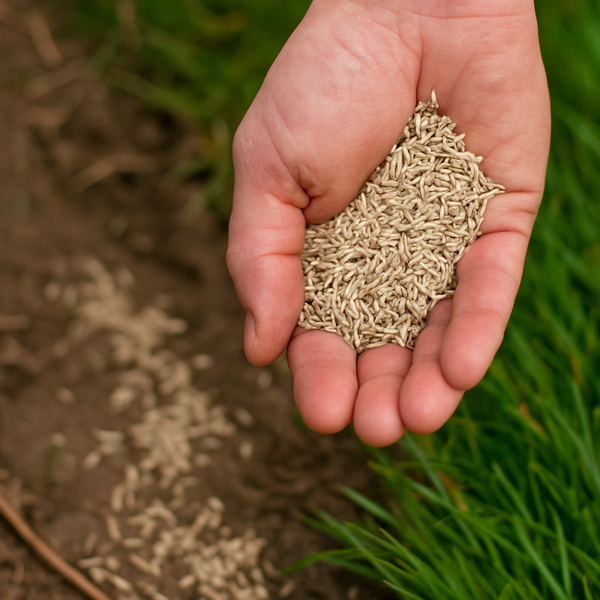 Semences à gazon
 Engrais pour gazon
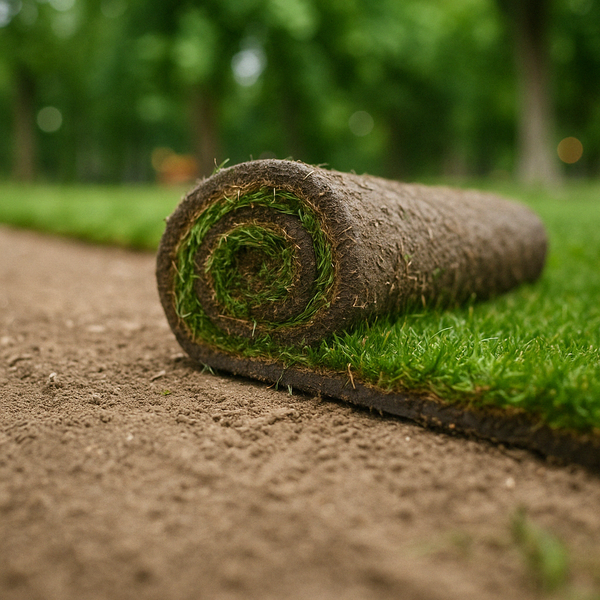 Tourbe et préparation
 Soins et traitements
Tout pour nourrir, protéger et entretenir vos plantes.
Tout pour nourrir, protéger et entretenir vos plantes.
Tout découvrir



Valide uniquement dans la succursale choisie lors de l’achat.
Choisir la carte en magasinTout pour semer, planter et faire pousser.
 Outils
 Compostage et écologie